
Mzee Mwanakijiji
Platinum Member
- Mar 10, 2006
- 33,771
- 41,027
M. M. Mwanakijiji
UANZISHAJI WA TRENI YA KITABIBU IFIKAPO 2027

Introduction:
Tanzania, like many developing countries, faces significant challenges in providing adequate healthcare services to its population, particularly in remote and inaccessible areas. In response to this need, we propose the establishment of Medical Tran Services (MTS) in Tanzania, leveraging the country's newly inaugurated Standard Gauge Railway (SGR) network. The fact that the SGR is connected to a specific electricity grid makes the establishment of MTS not only inevitable but necessary.
Objective:
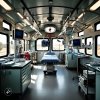
The primary objective of the MTS is to bring emergency medical facilities, with capabilities of up to Level IV trauma care, to the unreachable parts of Tanzania especially those along the SGR line. By utilizing the railway infrastructure, we aim to overcome the geographical barriers that hinder the delivery of timely medical assistance to remote communities. While not in use the MTS can be utilized for providing services to communities across the country, and training of medical staff.
Overview
The proposal outlines a phased approach towards implementing the MTS, with the goal of full implementation by the year 2027. The three phases are designed to ensure systematic development, gradual scaling, and sustainability of the program.
Phase 1: Planning and Preparation (2024-2025)
1. Lifeline Express, India: India's Lifeline Express, also known as the 'Hospital on Wheels', is a train equipped with medical facilities that travels to remote rural areas to provide healthcare services. It offers surgeries, consultations, and treatments for conditions like cataracts and polio. Tanzania can learn from the Lifeline Express model in terms of logistics management, medical service provision, and community engagement strategies.
2. Mobile Clinics, United States: In the United States where I have been residing for the past 26 years mobile clinics are deployed to provide healthcare services to underserved communities, including rural areas and urban neighborhoods with limited access to medical facilities.
4. Health Train Initiative, South Africa: South Africa's Phelophepa Health Train Initiative operates two trains that travel to remote areas, offering primary healthcare, dental services, eye care, and health education. Tanzania can take inspiration from the Health Train Initiative in terms of comprehensive healthcare provision and community involvement.
Cost Analysis
Projected Initial Costs for Phase 1:
Recurrent Projected Expenditure:
Phase 2: Pilot Implementation (2026)
Recurrent Projected Expenditure:
Phase 3: Full-Scale Implementation (2027)
Recurrent Projected Expenditure:
Conclusion:
The establishment of MTS in Tanzania represents an innovative approach to addressing the healthcare needs of remote communities. By leveraging the country's railway infrastructure especially, the SGR and the Meter Gauge Railway, we can overcome geographical barriers and ensure timely access to emergency medical care. Through a phased approach, we aim to systematically implement and scale up the program, ultimately improving health outcomes and saving lives across Tanzania. While there are initial costs and recurrent expenditures associated with the project, the long-term benefits in terms of improved healthcare access and outcomes justify the investment.
UANZISHAJI WA TRENI YA KITABIBU IFIKAPO 2027
Introduction:
Tanzania, like many developing countries, faces significant challenges in providing adequate healthcare services to its population, particularly in remote and inaccessible areas. In response to this need, we propose the establishment of Medical Tran Services (MTS) in Tanzania, leveraging the country's newly inaugurated Standard Gauge Railway (SGR) network. The fact that the SGR is connected to a specific electricity grid makes the establishment of MTS not only inevitable but necessary.
Objective:
The primary objective of the MTS is to bring emergency medical facilities, with capabilities of up to Level IV trauma care, to the unreachable parts of Tanzania especially those along the SGR line. By utilizing the railway infrastructure, we aim to overcome the geographical barriers that hinder the delivery of timely medical assistance to remote communities. While not in use the MTS can be utilized for providing services to communities across the country, and training of medical staff.
Overview
The proposal outlines a phased approach towards implementing the MTS, with the goal of full implementation by the year 2027. The three phases are designed to ensure systematic development, gradual scaling, and sustainability of the program.
Phase 1: Planning and Preparation (2024-2025)
- Conduct Feasibility Study: The initial phase will involve conducting a comprehensive feasibility study to assess the viability, logistical challenges, and potential impact of MTS.
- Identify Railway Routes: Evaluate existing railway routes and identify key locations where the medical train units can be stationed to maximize coverage and accessibility to remote areas.
- Develop Infrastructure: Retrofit existing railway cars into medical units equipped with necessary medical equipment, supplies, and personnel to provide Level 4 trauma care.
- Training and Capacity Building: Train medical staff, including doctors, nurses, and paramedics, in emergency response procedures and onboard medical care.
1. Lifeline Express, India: India's Lifeline Express, also known as the 'Hospital on Wheels', is a train equipped with medical facilities that travels to remote rural areas to provide healthcare services. It offers surgeries, consultations, and treatments for conditions like cataracts and polio. Tanzania can learn from the Lifeline Express model in terms of logistics management, medical service provision, and community engagement strategies.
2. Mobile Clinics, United States: In the United States where I have been residing for the past 26 years mobile clinics are deployed to provide healthcare services to underserved communities, including rural areas and urban neighborhoods with limited access to medical facilities.
4. Health Train Initiative, South Africa: South Africa's Phelophepa Health Train Initiative operates two trains that travel to remote areas, offering primary healthcare, dental services, eye care, and health education. Tanzania can take inspiration from the Health Train Initiative in terms of comprehensive healthcare provision and community involvement.
Cost Analysis
Projected Initial Costs for Phase 1:
- Feasibility Study: $100,000
- Infrastructure Development: $500,000
- Training and Capacity Building: $200,000
- Retrofitting of Cars: $300,000
- Miscellaneous Expenses: $100,000
Recurrent Projected Expenditure:
- Personnel Salaries: $300,000 annually
- Maintenance: $100,000 annually
- Medical Supplies and Equipment: $200,000 annually
- Operational Costs: $150,000 annually
Phase 2: Pilot Implementation (2026)
- Launch Pilot Service: Initiate the MTS on selected routes to test operational efficiency, assess patient response, and identify areas for improvement. The first route from Dar to Dodoma can be initiated along the completed SGR line.
- Monitor and Evaluate: Collect data on patient outcomes, response times, and service utilization to evaluate the effectiveness of the pilot program.
- Community Outreach: Conduct awareness campaigns in remote communities to inform residents about the availability and benefits of the MTS.
- Pilot Implementation Costs: $500,000
- Data Collection and Evaluation: $100,000
- Community Outreach Campaign: $50,000
Recurrent Projected Expenditure:
- Personnel Salaries: $300,000 annually
- Maintenance and Upkeep of Medical Units: $100,000 annually
- Medical Supplies and Equipment: $200,000 annually
- Fuel and Operational Costs: $150,000 annually
Phase 3: Full-Scale Implementation (2027)
- Expand Coverage: Based on the findings from the pilot phase, scale up the MTS to cover additional routes and reach more remote communities. Areas within fifty miles of the train line can be easily coordinated to bring patients to the Medical Train during non-emergency tours.
- Strengthen Infrastructure: Invest in upgrading railway infrastructure and facilities to support the expanded scope of the MTS. Other services such as optical, dental, and ENT can be added either to the current cars or by adding specialized cars.
- Continuous Improvement: Implement feedback mechanisms and quality improvement processes to continuously enhance the quality and efficiency of medical care provided onboard the trains.
- Expansion of Services: $1,000,000
- Infrastructure Upgrades: $500,000
- Quality Improvement Initiatives: $200,000
Recurrent Projected Expenditure:
- Personnel Salaries: $500,000 annually
- Maintenance and Upkeep of Medical Units: $150,000 annually
- Medical Supplies and Equipment: $300,000 annually
- Fuel and Operational Costs: $200,000 annually
Conclusion:
The establishment of MTS in Tanzania represents an innovative approach to addressing the healthcare needs of remote communities. By leveraging the country's railway infrastructure especially, the SGR and the Meter Gauge Railway, we can overcome geographical barriers and ensure timely access to emergency medical care. Through a phased approach, we aim to systematically implement and scale up the program, ultimately improving health outcomes and saving lives across Tanzania. While there are initial costs and recurrent expenditures associated with the project, the long-term benefits in terms of improved healthcare access and outcomes justify the investment.
Attachments
Upvote
6

