JamiiTalks
JF Advocacy Team
- Aug 7, 2018
- 685
- 1,124
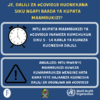
#CoronaVirus huchukua muda kujilea ndani ya mwili wa Mwanadamu, hivyo muda hupita kabla ya dalili kuanza kuonekana
Imeelezwa kuwa Mtu akipata maambukizi ya #COVID19 inaweza kuchukua siku 5 hadi 14 kabla ya kuanza kuonesha dalili ya ugonjwa huo. Muda huu utategemeana na uwezo wa kinga ya mwili wa muathirika (unaweza kuwa chini ya hapo au zaidi)
Hata hivyo FOPH wameeleza kuwa pale mtu anapoanza kuonesha dalili za kuumwa tayari mwili wake unakuwa umeshambuliwa
Mtu mwenye maambukizi hata kama hajaonesha dalili anaweza kuwaambukiza wengine. Hivyo ni muhimu kuzingatia maelekezo ya kujikinga unapokaribiana na mtu wa aina yoyote, hata kama haonyeshi dalili za kuumwa.
=====
What to know about the incubation period
An incubation period is the time between when you contract a virus and when your symptoms start.
Currently, according to the Centers for Disease Control and Prevention (CDC)Trusted Source, the incubation period for the novel coronavirus is somewhere between 2 and 14 days after exposure.
According to a recent report trusted Source, more than 97 per cent of people who contract SARS-CoV-2 show symptoms within 11.5 days of exposure. The average incubation period seems to be around 5 days. However, this estimate may change as we learn more about the virus.
For many people, COVID-19 symptoms start as mild symptoms and gradually get worse over a few days.
How is the virus transmitted
The CDC recommends trusted Source that all people wear cloth face masks in public places where it’s difficult to maintain a 6-foot distance from others. This will help slow the spread of the virus from people without symptoms or people who do not know they have contracted the virus. Cloth face masks should be worn while continuing to practice physical distancing. Instructions for making masks at home can be found here trusted Source.
Note: It’s critical to reserve surgical masks and N95 respirators for healthcare workers.
SARS-CoV-2 spreads mostly from person to person through close contact or from droplets that are scattered when a person with the virus sneezes or coughs.
The novel coronavirus is highly contagious, which means it spreads easily from person to person. According to the CDC Trusted Source, people who have the virus are most contagious when they’re showing symptoms of COVID-19.
Although it’s much less common, there’s a possibility that someone who is infected with the coronavirus can transmit the virus even if they’re not showing symptoms.
It’s also possible that the virus can be transmitted via touching virus-contaminated surfaces and then touching your mouth or nose. However, this isn’t the main way the novel coronavirus spreads.
How to protect yourself
The best way to prevent yourself from contracting the novel coronavirus is to wash your hands often.
Use soap and water and wash for at least 20 seconds. If you don’t have soap and water, you can also use hand sanitizer with at least 60 per cent alcohol.
Other ways to protect yourself include the following:
- Stay at least 6 feet (1.83 m) away from anyone who seems sick, and avoid large groups of people.
- Avoid touching your face.
- Don’t share personal items with others. This includes things like drinking glasses, utensils, toothbrushes, and lip balm.
- Wipe down high-touch surfaces like doorknobs, keyboards, and stair rails in your home with household cleaners or a diluted bleach solution.
- Wash your hands or use a hand sanitizer after touching surfaces like an elevator or ATM buttons, gas pump handles, and grocery carts.
- Stay home and call your doctor if you start having respiratory issues and think your symptoms are consistent with those of COVID-19.
Attachments
Upvote
2