Geza Ulole
JF-Expert Member
- Oct 31, 2009
- 65,136
- 91,917
Financial Standard
Ethiopia-Eritrea handshake renders Lapsset obsolete
By Macharia Kamau
Published: Jul 23rd 2018 at 23:28, Updated: July 23rd 2018 at 23:28
Ethiopia is rising.
Under the stewardship of the new, vibrant 41-year-old Prime Minister Abiy Ahmed, the Horn of Africa country with more than 100 million people is on the hegemonic path.
And what Mr Ahmed has done in his first 100 days in power, including opening up of the economy and mending diplomatic relations and political freedom such as the release of political detainees and prisoners, outshines what his predecessors did in the last 25 years.
The PM, who took over from Hailemariam Desalegn after his unexpected resignation in February this year is the chairman of both the ruling Ethiopian People’s Revolutionary Democratic Front (EPRDF) and the Oromo Peoples’ Democratic Organisation, which is one of the four coalition parties of the EPRDF.
And when the dust settles on the reforms that Ethiopia is undertaking, Kenya might be the biggest winner as well as a major loser.
Local firms are optimistic about finally setting a foot or more into the mammoth market that they have drooled over for years but kept out of their reach by State protectionism and communist-like administration.
“The arrival of Prime Minister Abiy Ahmed, whom I reckon represents the most consequential arrival of any African politician - at least since Mandela in 1994 - has busted the door wide open. This is a once in a lifetime opportunity for Kenya Inc. to enter this market at the bargain basement,” said Aly Khan Satchu, a financial analyst.
Ethiopia could also make up for the dwindling fortunes in South Sudan that has been encompassed by unending civil war for years now despite Kenyan firms making huge investments in the nation.
Safaricom and KCB Group appear front runners and have talked of plans to set up operations there. “The banking sector will peel open as well and I forecast a surge in capital markets activity, the launch of a stock exchange and a big crowding in the Ethiopian Diaspora so KCB is right to be eager to plant the KCB flag,” said Mr Satchu.
“Basically, there are opportunities everywhere I look. The thing is, you will need some stamina and staying power.”
The changes taking place in the country could, however, be a pain for some Kenyan players. These include the Lamu Port-South Sudan-Ethiopia Transport (Lapsset) corridor, whose mega projects are expected to give Ethiopia access to the proposed Lamu port.
The integrated transport corridor that includes a refined petroleum products pipeline, roads and railway is expected to open up the northern parts of Kenya where the Government has until now invested little in infrastructure. It is also expected to link Kenya with Ethiopia and South Sudan, with hopes of deepening trade among the three countries.
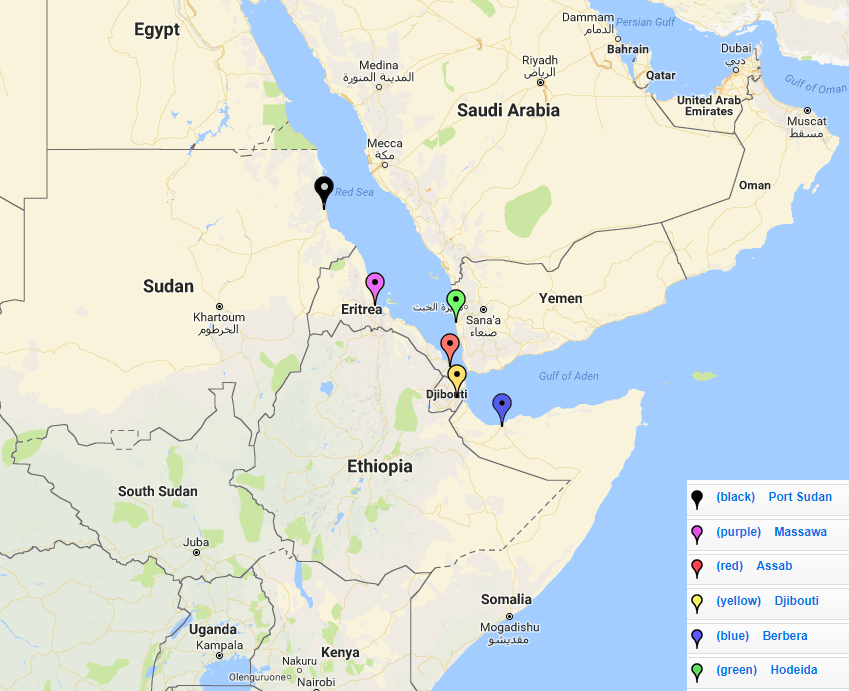
But relations between Ethiopia and Eritrea, which have been icy since the latter seceded from Ethiopia in 1993 and blocked Ethiopia’s access to the coastline, have warmed up and could put a damper on Lapsset’s ambition of offering the country access to a port.
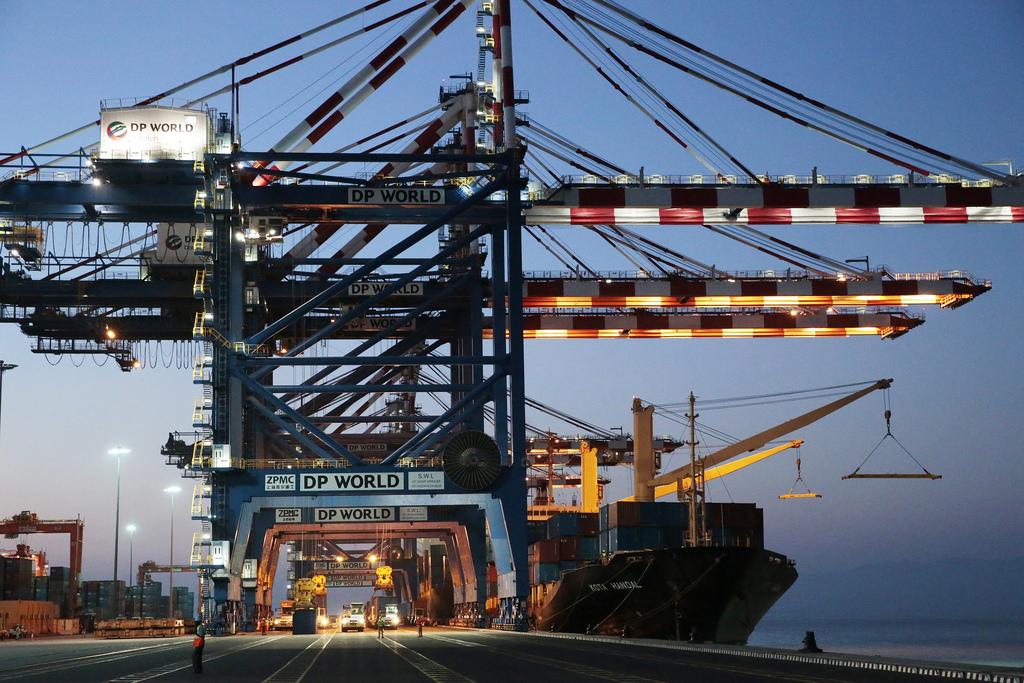
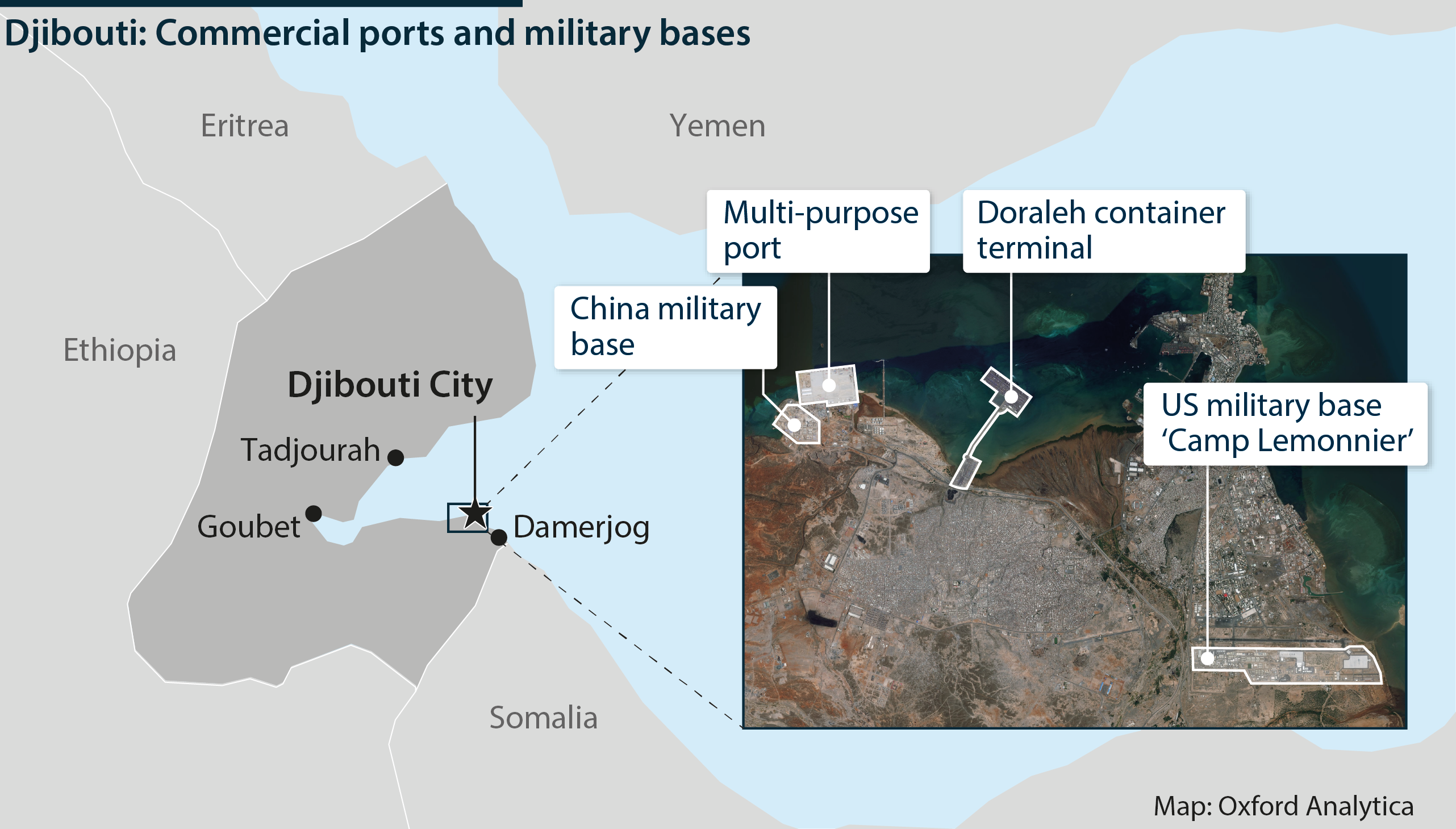
Ethiopia has in the meantime heavily relied on Djibouti and hoped that Lamu would give it access to another port, especially to serve the southern regions
Following the truce with Eritrea, however, it will now have access to the port in Asmara, which is in addition to Djibouti. The country also plans to work closely with Somalia in establishing a similar corridor, putting in doubt Lapsset components that originally hoped to service landlocked Ethiopia.
Mega infrastructure
A few months ago, the Lapsset programme seemed a sure thing. The multi-billion-shilling project, started during former President Mwai Kibaki’s administration, was expected to open up northern Kenya as a sure way to rev up the economy.
With leaders from the region, it was agreed that the mega infrastructure project was necessary and for Kenya, it meant a foothold in the populous northern neighbour. But things did not exactly pan out as Kenya envisioned following the unexpected truce between Ethiopia and Eritrea that has radically changed the landscape.
“I must agree that from a geo-economic position, our advantage has been eroding. The loss of the Lake Albert Total Kenya pipeline and marked the beginning of what could easily become a slippery slope. Obviously, Djibouti is a big Loser now that Prime Minister Ahmed and Eritrea’s President Isaias Afwerki have kissed and made up,” said Satchu.
“However, our transit state advantage (we were once the undisputed route to the sea for ourselves and at least 13 countries) is being eroded at speed. Lapsset, for example, was predicated on a lack of options in the Horn of Africa.”
The Lapsset Corridor Development Authority (LCDA) however downplayed such fears even as the chief executive Silvester Kasuku met Ethiopian Marine Authority officials in a bid to secure continued support for Lapsset.
“We have a team led by our chief executive currently in Ethiopia meeting the Maritime Affairs Authority… there should be a detailed report (after the visit),” said LCDA in a statement.
It said the Lamu port will strategically be located to service southern Ethiopia even when the country has access to Eritrean and Djiboutian ports.
“Ethiopia and Kenya have signed bilateral arrangements regarding Lapsset product oil pipeline, road connections, railway and Lamu port. Southern Ethiopia and the Hawassa Industrial Park will be served by these infrastructure projects. Our project will be in overdrive,” said authority.
“Being the second largest port in Africa and serving as a transhipment port, we are eyeing international maritime and logistics trade. We are also setting up special economic zones and industrial parks to ensure that it is our major export port harnessing all resources in the country for export.”
Foreign investments in Kenya might also take a hit. Ethiopia, already a preferred destination by international investors and gobbling up more than half of foreign direct investments (FDI) to East Africa, might see its share grow even more.
A liberal economy, a huge local market, cheap electricity and with almost similar geographical advantages as Kenya, Ethiopia might in the coming years make it harder for other EAC countries to attract international investments.
Three months into the job, Ahmed has spearheaded a raft of political and economic reforms that are setting the country on the path to be Africa’s major powerhouse and economic hegemony.
Safaricom was first to reveal its intent to venture into Ethiopia and capitalise on the reforms. The telco last week said it would take its mobile money service M-Pesa to Ethiopia through a partnership with an Ethiopian bank and Ethio Telecom.
Safaricom said it was in talks with Ethiopian government to introduce the mobile money service in the country.
The Prime Minister later confirmed the report on his Twitter handle. “Ethiopians could soon enjoy the services of M-Pesa from Kenya’s Safaricom,” said Ahmed on Tuesday last week.
M-Pesa would be competing with relatively new entrants in the Ethiopian mobile money space – helloCash and M-Birr. “If confirmed, this is an important positive for Safaricom, and would offer an important upside on M-Pesa revenue growth numbers based on the subscribers achieved in the 100 million market of Ethiopia,” said Standard Investment Bank. “The upside could be higher depending on the negotiated revenue share – but unlikely to be substantially more than 15 per cent of revenue (unless the uptake is low).”
KCB Group on Thursday said it also plans to start operations in Ethiopia.
The two firms are banking on an almost virgin market for growth, where despite the country’s size, its financial services sector is fairly underdeveloped.
Kenyan manufacturers are also looking north, with expectations that the changes will enable them to increase volumes of exports to the country, with some evaluating the possibility of setting up there.
Among the attractions to set up in Ethiopia are cheaper electricity, where users pay Sh6 per kilowatt hour (KWh) on average compared to Sh16 in Kenya. “Kenya has a 2012 Special Status Agreement with Ethiopia whose aim is to improve economic cooperation between the two countries. The agreement gives Kenya access to some restricted sectors in Ethiopia’s economy,” said Standard Investment Bank. “The pace of reforms undertaken in the last three months by Abiy Ahmed is likely to spur more private sector activity in the country.”
Kenyan manufacturers will be looking at growing exports to the country as well as setting up plants on account of the big market as well as low production costs owing to cheap power. Over the last four years, imports from Ethiopia have grown tenfold from Sh278 million in 2014 to Sh2.1 billion in 2017, according to data from the Kenya Bureau of Statistics (KNBS).
Kenyan exports have however remained stagnant and in some instances dropped. Kenya export goods valued at Sh6.9 billion last year, a drop from Sh8.1 billion in 2016.
Modest growth
In 2014, Kenya exported Sh4.9 billion worth of goods to Ethiopia, a modest growth over the four years compared to the rate of growth in imports.
“We are keen to get the market share but the enablers must be there. Ethiopia remains competitive mostly because of their cheap electricity,” said Job Wanjogu head of Policy, Research and Advocacy at the Kenya Association of Manufacturers (KAM). Among the areas that manufacturers are hoping to reap big from include food.
KAM says Ethiopia imports beverages from South Africa yet Kenya could easily meet this demand. Mr Wanjogu added that the Kenyan private sector can invest in Ethiopia, entrenching its position as a key source of FDI in the region. Kenya is a key FDI source for other countries in Eastern Africa.
“If our manufacturers can align themselves, there are huge opportunities. When you look at what they are exporting to Kenya, there are many areas where Kenyan firms have the expertise and comparative advantage. These include pesticide, rubber tyres, prefabricated building materials and lids and caps for containers,” he said.
“There, however, lurks the danger of Ethiopia being a manufacturing powerhouse and overrunning Kenya’s industry.
This is already seen in the growth of imports from the country while Ethiopia still runs a closed economy while exports from Kenya stagnated.”
Opening up to manufacturers might see the balance of trade slowly tilt in favour of Ethiopia.
While setting up in Ethiopia might mean exporting jobs, Wanjogu noted that these would be investments that give Kenya dividends.
Ethiopia-Eritrea handshake renders Lapsset obsolete
MY TAKE
LAPSSET is meant to be a big tembo mweupe!
Ethiopia-Eritrea handshake renders Lapsset obsolete
By Macharia Kamau
Published: Jul 23rd 2018 at 23:28, Updated: July 23rd 2018 at 23:28
Ethiopia is rising.
Under the stewardship of the new, vibrant 41-year-old Prime Minister Abiy Ahmed, the Horn of Africa country with more than 100 million people is on the hegemonic path.
And what Mr Ahmed has done in his first 100 days in power, including opening up of the economy and mending diplomatic relations and political freedom such as the release of political detainees and prisoners, outshines what his predecessors did in the last 25 years.
The PM, who took over from Hailemariam Desalegn after his unexpected resignation in February this year is the chairman of both the ruling Ethiopian People’s Revolutionary Democratic Front (EPRDF) and the Oromo Peoples’ Democratic Organisation, which is one of the four coalition parties of the EPRDF.
And when the dust settles on the reforms that Ethiopia is undertaking, Kenya might be the biggest winner as well as a major loser.
Local firms are optimistic about finally setting a foot or more into the mammoth market that they have drooled over for years but kept out of their reach by State protectionism and communist-like administration.
“The arrival of Prime Minister Abiy Ahmed, whom I reckon represents the most consequential arrival of any African politician - at least since Mandela in 1994 - has busted the door wide open. This is a once in a lifetime opportunity for Kenya Inc. to enter this market at the bargain basement,” said Aly Khan Satchu, a financial analyst.
Ethiopia could also make up for the dwindling fortunes in South Sudan that has been encompassed by unending civil war for years now despite Kenyan firms making huge investments in the nation.
Safaricom and KCB Group appear front runners and have talked of plans to set up operations there. “The banking sector will peel open as well and I forecast a surge in capital markets activity, the launch of a stock exchange and a big crowding in the Ethiopian Diaspora so KCB is right to be eager to plant the KCB flag,” said Mr Satchu.
“Basically, there are opportunities everywhere I look. The thing is, you will need some stamina and staying power.”
The changes taking place in the country could, however, be a pain for some Kenyan players. These include the Lamu Port-South Sudan-Ethiopia Transport (Lapsset) corridor, whose mega projects are expected to give Ethiopia access to the proposed Lamu port.
The integrated transport corridor that includes a refined petroleum products pipeline, roads and railway is expected to open up the northern parts of Kenya where the Government has until now invested little in infrastructure. It is also expected to link Kenya with Ethiopia and South Sudan, with hopes of deepening trade among the three countries.
But relations between Ethiopia and Eritrea, which have been icy since the latter seceded from Ethiopia in 1993 and blocked Ethiopia’s access to the coastline, have warmed up and could put a damper on Lapsset’s ambition of offering the country access to a port.
Ethiopia has in the meantime heavily relied on Djibouti and hoped that Lamu would give it access to another port, especially to serve the southern regions
Following the truce with Eritrea, however, it will now have access to the port in Asmara, which is in addition to Djibouti. The country also plans to work closely with Somalia in establishing a similar corridor, putting in doubt Lapsset components that originally hoped to service landlocked Ethiopia.
Mega infrastructure
A few months ago, the Lapsset programme seemed a sure thing. The multi-billion-shilling project, started during former President Mwai Kibaki’s administration, was expected to open up northern Kenya as a sure way to rev up the economy.
With leaders from the region, it was agreed that the mega infrastructure project was necessary and for Kenya, it meant a foothold in the populous northern neighbour. But things did not exactly pan out as Kenya envisioned following the unexpected truce between Ethiopia and Eritrea that has radically changed the landscape.
“I must agree that from a geo-economic position, our advantage has been eroding. The loss of the Lake Albert Total Kenya pipeline and marked the beginning of what could easily become a slippery slope. Obviously, Djibouti is a big Loser now that Prime Minister Ahmed and Eritrea’s President Isaias Afwerki have kissed and made up,” said Satchu.
“However, our transit state advantage (we were once the undisputed route to the sea for ourselves and at least 13 countries) is being eroded at speed. Lapsset, for example, was predicated on a lack of options in the Horn of Africa.”
The Lapsset Corridor Development Authority (LCDA) however downplayed such fears even as the chief executive Silvester Kasuku met Ethiopian Marine Authority officials in a bid to secure continued support for Lapsset.
“We have a team led by our chief executive currently in Ethiopia meeting the Maritime Affairs Authority… there should be a detailed report (after the visit),” said LCDA in a statement.
It said the Lamu port will strategically be located to service southern Ethiopia even when the country has access to Eritrean and Djiboutian ports.
“Ethiopia and Kenya have signed bilateral arrangements regarding Lapsset product oil pipeline, road connections, railway and Lamu port. Southern Ethiopia and the Hawassa Industrial Park will be served by these infrastructure projects. Our project will be in overdrive,” said authority.
“Being the second largest port in Africa and serving as a transhipment port, we are eyeing international maritime and logistics trade. We are also setting up special economic zones and industrial parks to ensure that it is our major export port harnessing all resources in the country for export.”
Foreign investments in Kenya might also take a hit. Ethiopia, already a preferred destination by international investors and gobbling up more than half of foreign direct investments (FDI) to East Africa, might see its share grow even more.
A liberal economy, a huge local market, cheap electricity and with almost similar geographical advantages as Kenya, Ethiopia might in the coming years make it harder for other EAC countries to attract international investments.
Three months into the job, Ahmed has spearheaded a raft of political and economic reforms that are setting the country on the path to be Africa’s major powerhouse and economic hegemony.
Safaricom was first to reveal its intent to venture into Ethiopia and capitalise on the reforms. The telco last week said it would take its mobile money service M-Pesa to Ethiopia through a partnership with an Ethiopian bank and Ethio Telecom.
Safaricom said it was in talks with Ethiopian government to introduce the mobile money service in the country.
The Prime Minister later confirmed the report on his Twitter handle. “Ethiopians could soon enjoy the services of M-Pesa from Kenya’s Safaricom,” said Ahmed on Tuesday last week.
M-Pesa would be competing with relatively new entrants in the Ethiopian mobile money space – helloCash and M-Birr. “If confirmed, this is an important positive for Safaricom, and would offer an important upside on M-Pesa revenue growth numbers based on the subscribers achieved in the 100 million market of Ethiopia,” said Standard Investment Bank. “The upside could be higher depending on the negotiated revenue share – but unlikely to be substantially more than 15 per cent of revenue (unless the uptake is low).”
KCB Group on Thursday said it also plans to start operations in Ethiopia.
The two firms are banking on an almost virgin market for growth, where despite the country’s size, its financial services sector is fairly underdeveloped.
Kenyan manufacturers are also looking north, with expectations that the changes will enable them to increase volumes of exports to the country, with some evaluating the possibility of setting up there.
Among the attractions to set up in Ethiopia are cheaper electricity, where users pay Sh6 per kilowatt hour (KWh) on average compared to Sh16 in Kenya. “Kenya has a 2012 Special Status Agreement with Ethiopia whose aim is to improve economic cooperation between the two countries. The agreement gives Kenya access to some restricted sectors in Ethiopia’s economy,” said Standard Investment Bank. “The pace of reforms undertaken in the last three months by Abiy Ahmed is likely to spur more private sector activity in the country.”
Kenyan manufacturers will be looking at growing exports to the country as well as setting up plants on account of the big market as well as low production costs owing to cheap power. Over the last four years, imports from Ethiopia have grown tenfold from Sh278 million in 2014 to Sh2.1 billion in 2017, according to data from the Kenya Bureau of Statistics (KNBS).
Kenyan exports have however remained stagnant and in some instances dropped. Kenya export goods valued at Sh6.9 billion last year, a drop from Sh8.1 billion in 2016.
Modest growth
In 2014, Kenya exported Sh4.9 billion worth of goods to Ethiopia, a modest growth over the four years compared to the rate of growth in imports.
“We are keen to get the market share but the enablers must be there. Ethiopia remains competitive mostly because of their cheap electricity,” said Job Wanjogu head of Policy, Research and Advocacy at the Kenya Association of Manufacturers (KAM). Among the areas that manufacturers are hoping to reap big from include food.
KAM says Ethiopia imports beverages from South Africa yet Kenya could easily meet this demand. Mr Wanjogu added that the Kenyan private sector can invest in Ethiopia, entrenching its position as a key source of FDI in the region. Kenya is a key FDI source for other countries in Eastern Africa.
“If our manufacturers can align themselves, there are huge opportunities. When you look at what they are exporting to Kenya, there are many areas where Kenyan firms have the expertise and comparative advantage. These include pesticide, rubber tyres, prefabricated building materials and lids and caps for containers,” he said.
“There, however, lurks the danger of Ethiopia being a manufacturing powerhouse and overrunning Kenya’s industry.
This is already seen in the growth of imports from the country while Ethiopia still runs a closed economy while exports from Kenya stagnated.”
Opening up to manufacturers might see the balance of trade slowly tilt in favour of Ethiopia.
While setting up in Ethiopia might mean exporting jobs, Wanjogu noted that these would be investments that give Kenya dividends.
Ethiopia-Eritrea handshake renders Lapsset obsolete
MY TAKE
LAPSSET is meant to be a big tembo mweupe!