Smatta
JF-Expert Member
- Nov 5, 2008
- 2,348
- 733
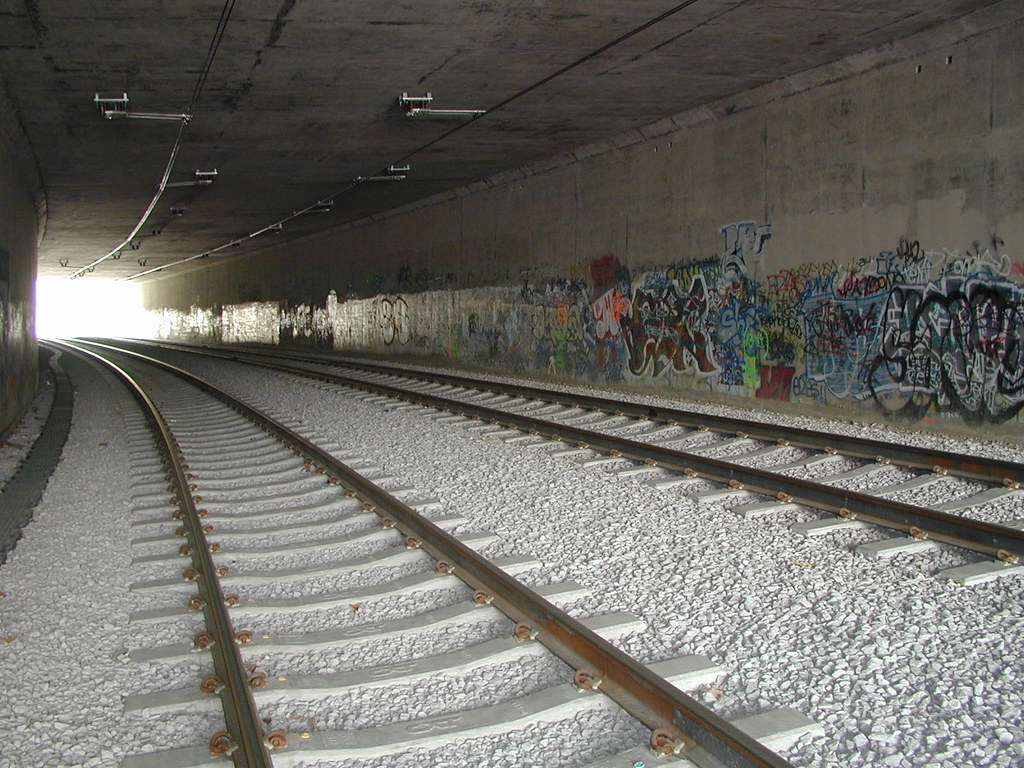
Kenya Railways Corporation has begun construction of the Syokimau Railway Station - the first railway under the Sh24 billion Nairobi Commuter Rail Project - that will see electric-powered commuter trains debuted on the route as part of efforts to decongest Nairobi City.
The station will be one of ten stations that KRC will construct within Nairobi in preparation for public-private sector partnerships to provide railway wagons and management skills to run the outfit.
"We are providing the infrastructure and plan to invite the private sector to provide the new train sets and operational expertise," said Nduva Muli, the Managing Director of Kenya Railways.
The move comes just a week after KRC advertised tenders for the construction of four additional new railways stations, which are set to begin in July, and will be rolled out by 2013.
KRC plans to build ten new stations in the first phase of the project, plus a six-kilometre new line that will link the Jomo Kenyatta International Airport to the commuter rail system in phase two of the project.
The new stations will be built in an intermodal concept, which allows for synergy with public service vehicles to drop-off and pick commuters who use the rail transport system.
The planned first four new stations will be in Makadara, Imara Daima, Nairobi Central Railway Station along, and the Syokimau Spur.
Some of the new stations will also host car parks that can accommodate at least 500 vehicles to allow commuters to use their vehicles to drive to the railway station, and use the railway line to get into the town. The planned commuter trains is planned to have frequency of 15 minutes of pick-up from very station.
Worked out modalities
Although Rift Valley Railways (RVR) has a five-year monopoly of commuter train services in Nairobi following the concession, KRC and RVR have worked out modalities of infrastructure improvement and sharing.
The Government is financing upgrade of the infrastructure; through concession money paid by the RVR, and planned issuance of a specific infrastructure bond. KRC said it is working with a donor funded consultancy group InfraCo to develop the Nairobi Commuter Rail Project.
The whole project will see approximately 160 km of the existing rail system within Nairobi rehabilitated, and a 6km track to the JKIA constructed.
The station will be one of ten stations that KRC will construct within Nairobi in preparation for public-private sector partnerships to provide railway wagons and management skills to run the outfit.
"We are providing the infrastructure and plan to invite the private sector to provide the new train sets and operational expertise," said Nduva Muli, the Managing Director of Kenya Railways.
The move comes just a week after KRC advertised tenders for the construction of four additional new railways stations, which are set to begin in July, and will be rolled out by 2013.
KRC plans to build ten new stations in the first phase of the project, plus a six-kilometre new line that will link the Jomo Kenyatta International Airport to the commuter rail system in phase two of the project.
The new stations will be built in an intermodal concept, which allows for synergy with public service vehicles to drop-off and pick commuters who use the rail transport system.
The planned first four new stations will be in Makadara, Imara Daima, Nairobi Central Railway Station along, and the Syokimau Spur.
Some of the new stations will also host car parks that can accommodate at least 500 vehicles to allow commuters to use their vehicles to drive to the railway station, and use the railway line to get into the town. The planned commuter trains is planned to have frequency of 15 minutes of pick-up from very station.
Worked out modalities
Although Rift Valley Railways (RVR) has a five-year monopoly of commuter train services in Nairobi following the concession, KRC and RVR have worked out modalities of infrastructure improvement and sharing.
The Government is financing upgrade of the infrastructure; through concession money paid by the RVR, and planned issuance of a specific infrastructure bond. KRC said it is working with a donor funded consultancy group InfraCo to develop the Nairobi Commuter Rail Project.
The whole project will see approximately 160 km of the existing rail system within Nairobi rehabilitated, and a 6km track to the JKIA constructed.