Secret army of 60,000 CIA undercover operatives deployed worldwide

Secret army of 60,000 CIA undercover operatives deployed worldwide

Mathanzua

JF-Expert Member
Joined
Jan 4, 2017
Posts
17,251
Reaction score
22,929

Pentagon uses world’s largest ‘secret army’ of 60,000 undercover operatives to carry out ‘domestic & foreign’ operations – media​


60a3650820302726bf6c6ee7.jpg

An aerial view of the Pentagon building in Washington, June 15, 2005 © Reuters
RT.com

The US military operates a vast network of soldiers, civilians, and contractors that it uses for clandestine missions both at home and abroad, Newsweek has claimed, adding that the force also manipulates social media.
After a two-year investigation, the outlet reported that the undercover army consists of around 60,000 people, many of whom use fake identities to carry out their assignments. The Pentagon’s agents operate in real life and online, with some even embedded in private businesses and well-known companies.
The massive program, unofficially known as “signature reduction,” is reportedly 10 times the size of the CIA’s clandestine service, making it the “largest undercover force the world has ever known,” Newsweek claimed. But the true scale and scope of the shadow army remains a closely guarded secret. No one knows the program’s total size, and Congress has never held a hearing on the military’s increasing reliance on signature reduction. There appears to be very little or no transparency regarding the massive clandestine military force, even as its continued development “challenges US laws, the Geneva Conventions, the code of military conduct, and basic accountability,” the outlet said.
Around half of the signature reduction force is said to consist of special operations personnel who hunt down terrorists in war zones and work in “unacknowledged hot spots” such as North Korea and Iran. Military intelligence specialists reportedly make up the second-largest part of the secret army.
However, the fastest-growing group within the Pentagon’s clandestine force operates exclusively online. These “cyber fighters” assume fake identities to gather intelligence and search for “publicly accessible information” on the internet. They even reportedly take part in “campaigns to influence and manipulate social media.” Hundreds of these shadowy keyboard warriors are employees of the National Security Agency, Newsweek reported.
According to the outlet, the network relies on 130 private companies and dozens of little-known and secret government agencies to support its operations. The businesses, which do everything from forging documents to creating disguises, collectively make over $900 million annually to help fund the secret army.
While the Pentagon’s agents typically remain under the radar, Newsweek claims there are several cases in which their covers have been blown. One such incident in 2013 involved American “diplomat” Ryan Fogle, who was arrested in Russia while allegedly trying to recruit a double agent. The case received wide media coverage and prompted considerable mockery, due to the seemingly outdated spying paraphilia that Fogle was in possession of, including wigs, sunglasses, a Moscow street map, a compass, as well as an old Nokia phone. However, an expert who spoke with Newsweek said the phone was likely concealing a highly sophisticated communications device.
___
Pentagon uses world’s largest ‘secret army’ of 60,000 undercover operatives to carry out ‘domestic & foreign’ operations – media
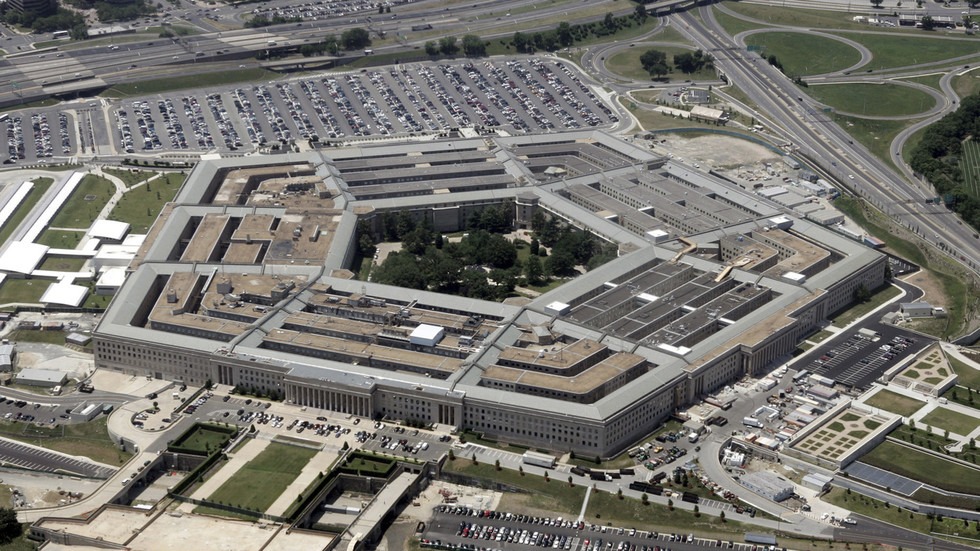
 
Mtazamo wa angani wa jengo la Pentagon huko Washington, Juni 15, 2005 [emoji2398] Reuters
RT.com

Jeshi la Merika linaendesha mtandao mkubwa wa wanajeshi, raia, na makandarasi ambayo inawatumia kwa ujumbe wa siri nyumbani na nje ya nchi, Newsweek imedai, na kuongeza kuwa jeshi pia linashughulikia media ya kijamii.
Baada ya uchunguzi wa miaka miwili, kituo hicho kiliripoti kuwa jeshi la siri lina watu karibu 60,000, ambao wengi wao hutumia vitambulisho bandia kutekeleza majukumu yao. Mawakala wa Pentagon hufanya kazi katika maisha halisi na mkondoni, na wengine wameingizwa katika biashara za kibinafsi na kampuni zinazojulikana.
Mpango huo mkubwa, unaojulikana rasmi kama "upunguzaji wa saini," unaripotiwa mara 10 ukubwa wa huduma ya siri ya CIA, na kuifanya kuwa "nguvu kubwa zaidi ya siri ambayo ulimwengu umewahi kujulikana," Newsweek ilidai. Lakini kiwango cha kweli na upeo wa jeshi la kivuli bado ni siri iliyolindwa kwa karibu. Hakuna anayejua ukubwa wa jumla wa programu hiyo, na Congress haijawahi kufanya usikilizwaji juu ya jeshi kuongezeka kwa kutegemea kupunguzwa kwa saini. Inaonekana kuna uwazi mdogo sana au hakuna kuhusu jeshi kubwa la siri, hata kama maendeleo yake yanaendelea "kuzipinga sheria za Amerika, Mikataba ya Geneva, kanuni ya mwenendo wa jeshi, na uwajibikaji wa kimsingi," kilisema kituo hicho.
Karibu nusu ya kikosi cha kupunguza saini kinasemekana kuwa na wafanyikazi maalum wa operesheni ambao huwasaka magaidi katika maeneo ya vita na kufanya kazi katika "maeneo yasiyotambulika ya moto" kama vile Korea Kaskazini na Iran. Wataalam wa ujasusi wa kijeshi wanaripotiwa kuwa sehemu ya pili kwa ukubwa wa jeshi la siri.
Walakini, kundi linalokua kwa kasi zaidi ndani ya nguvu ya siri ya Pentagon inafanya kazi peke mtandaoni. Hawa "wapiganaji wa mtandao" huchukua vitambulisho bandia kukusanya ujasusi na kutafuta "habari inayopatikana hadharani" kwenye wavuti. Hata inasemekana wanashiriki katika "kampeni za kushawishi na kudhibiti media ya kijamii." Mamia ya wapiganaji hawa wa kibodi wa kivuli ni wafanyikazi wa Wakala wa Usalama wa Kitaifa, Newsweek iliripoti.
Kulingana na duka hilo, mtandao huo unategemea kampuni za kibinafsi za 130 na kadhaa ya wakala wa serikali wasiojulikana na wa siri kusaidia shughuli zake. Biashara, ambazo hufanya kila kitu kutoka kwa kughushi nyaraka hadi kuunda kujificha, kwa pamoja hufanya zaidi ya dola milioni 900 kila mwaka kusaidia kufadhili jeshi la siri.
Wakati mawakala wa Pentagon kawaida wanabaki chini ya rada, Newsweek inadai kuna visa kadhaa ambavyo vifuniko vyao vimepulizwa. Tukio moja kama hilo mnamo 2013 lilihusisha "mwanadiplomasia" wa Amerika Ryan Fogle, ambaye alikamatwa nchini Urusi wakati akidaiwa kujaribu kumua wakala mara mbili. Kesi hiyo ilipewa habari pana na ilichochea kejeli kubwa, kwa sababu ya upelelezi wa zamani wa upelelezi ambao Fogle alikuwa nao, pamoja na wigi, miwani, ramani ya barabara ya Moscow, dira, na simu ya zamani ya Nokia. Walakini, mtaalam aliyezungumza na Newsweek alisema simu hiyo labda ilikuwa inaficha kifaa cha hali ya juu cha mawasiliano.
___
Pentagon hutumia 'jeshi la siri' kubwa zaidi ulimwenguni kati ya wafanyikazi 60,000 wa siri kufanya operesheni za 'ndani na nje' - media
TAFASRI YAKE KWA MSAADA WA GOOGLE
 
Mtazamo wa angani wa jengo la Pentagon huko Washington, Juni 15, 2005 [emoji2398] Reuters
RT.com

Jeshi la Merika linaendesha mtandao mkubwa wa wanajeshi, raia, na makandarasi ambayo inawatumia kwa ujumbe wa siri nyumbani na nje ya nchi, Newsweek imedai, na kuongeza kuwa jeshi pia linashughulikia media ya kijamii.
Baada ya uchunguzi wa miaka miwili, kituo hicho kiliripoti kuwa jeshi la siri lina watu karibu 60,000, ambao wengi wao hutumia vitambulisho bandia kutekeleza majukumu yao. Mawakala wa Pentagon hufanya kazi katika maisha halisi na mkondoni, na wengine wameingizwa katika biashara za kibinafsi na kampuni zinazojulikana.
Mpango huo mkubwa, unaojulikana rasmi kama "upunguzaji wa saini," unaripotiwa mara 10 ukubwa wa huduma ya siri ya CIA, na kuifanya kuwa "nguvu kubwa zaidi ya siri ambayo ulimwengu umewahi kujulikana," Newsweek ilidai. Lakini kiwango cha kweli na upeo wa jeshi la kivuli bado ni siri iliyolindwa kwa karibu. Hakuna anayejua ukubwa wa jumla wa programu hiyo, na Congress haijawahi kufanya usikilizwaji juu ya jeshi kuongezeka kwa kutegemea kupunguzwa kwa saini. Inaonekana kuna uwazi mdogo sana au hakuna kuhusu jeshi kubwa la siri, hata kama maendeleo yake yanaendelea "kuzipinga sheria za Amerika, Mikataba ya Geneva, kanuni ya mwenendo wa jeshi, na uwajibikaji wa kimsingi," kilisema kituo hicho.
Karibu nusu ya kikosi cha kupunguza saini kinasemekana kuwa na wafanyikazi maalum wa operesheni ambao huwasaka magaidi katika maeneo ya vita na kufanya kazi katika "maeneo yasiyotambulika ya moto" kama vile Korea Kaskazini na Iran. Wataalam wa ujasusi wa kijeshi wanaripotiwa kuwa sehemu ya pili kwa ukubwa wa jeshi la siri.
Walakini, kundi linalokua kwa kasi zaidi ndani ya nguvu ya siri ya Pentagon inafanya kazi peke mtandaoni. Hawa "wapiganaji wa mtandao" huchukua vitambulisho bandia kukusanya ujasusi na kutafuta "habari inayopatikana hadharani" kwenye wavuti. Hata inasemekana wanashiriki katika "kampeni za kushawishi na kudhibiti media ya kijamii." Mamia ya wapiganaji hawa wa kibodi wa kivuli ni wafanyikazi wa Wakala wa Usalama wa Kitaifa, Newsweek iliripoti.
Kulingana na duka hilo, mtandao huo unategemea kampuni za kibinafsi za 130 na kadhaa ya wakala wa serikali wasiojulikana na wa siri kusaidia shughuli zake. Biashara, ambazo hufanya kila kitu kutoka kwa kughushi nyaraka hadi kuunda kujificha, kwa pamoja hufanya zaidi ya dola milioni 900 kila mwaka kusaidia kufadhili jeshi la siri.
Wakati mawakala wa Pentagon kawaida wanabaki chini ya rada, Newsweek inadai kuna visa kadhaa ambavyo vifuniko vyao vimepulizwa. Tukio moja kama hilo mnamo 2013 lilihusisha "mwanadiplomasia" wa Amerika Ryan Fogle, ambaye alikamatwa nchini Urusi wakati akidaiwa kujaribu kumua wakala mara mbili. Kesi hiyo ilipewa habari pana na ilichochea kejeli kubwa, kwa sababu ya upelelezi wa zamani wa upelelezi ambao Fogle alikuwa nao, pamoja na wigi, miwani, ramani ya barabara ya Moscow, dira, na simu ya zamani ya Nokia. Walakini, mtaalam aliyezungumza na Newsweek alisema simu hiyo labda ilikuwa inaficha kifaa cha hali ya juu cha mawasiliano.
___
Pentagon hutumia 'jeshi la siri' kubwa zaidi ulimwenguni kati ya wafanyikazi 60,000 wa siri kufanya operesheni za 'ndani na nje' - media
TAFASRI YAKE KWA MSAADA WA GOOGLE
Tafsir ya gogo
 

Pentagon uses world’s largest ‘secret army’ of 60,000 undercover operatives to carry out ‘domestic & foreign’ operations – media​


60a3650820302726bf6c6ee7.jpg

An aerial view of the Pentagon building in Washington, June 15, 2005 © Reuters
RT.com

The US military operates a vast network of soldiers, civilians, and contractors that it uses for clandestine missions both at home and abroad, Newsweek has claimed, adding that the force also manipulates social media.
After a two-year investigation, the outlet reported that the undercover army consists of around 60,000 people, many of whom use fake identities to carry out their assignments. The Pentagon’s agents operate in real life and online, with some even embedded in private businesses and well-known companies.
The massive program, unofficially known as “signature reduction,” is reportedly 10 times the size of the CIA’s clandestine service, making it the “largest undercover force the world has ever known,” Newsweek claimed. But the true scale and scope of the shadow army remains a closely guarded secret. No one knows the program’s total size, and Congress has never held a hearing on the military’s increasing reliance on signature reduction. There appears to be very little or no transparency regarding the massive clandestine military force, even as its continued development “challenges US laws, the Geneva Conventions, the code of military conduct, and basic accountability,” the outlet said.
Around half of the signature reduction force is said to consist of special operations personnel who hunt down terrorists in war zones and work in “unacknowledged hot spots” such as North Korea and Iran. Military intelligence specialists reportedly make up the second-largest part of the secret army.
However, the fastest-growing group within the Pentagon’s clandestine force operates exclusively online. These “cyber fighters” assume fake identities to gather intelligence and search for “publicly accessible information” on the internet. They even reportedly take part in “campaigns to influence and manipulate social media.” Hundreds of these shadowy keyboard warriors are employees of the National Security Agency, Newsweek reported.
According to the outlet, the network relies on 130 private companies and dozens of little-known and secret government agencies to support its operations. The businesses, which do everything from forging documents to creating disguises, collectively make over $900 million annually to help fund the secret army.
While the Pentagon’s agents typically remain under the radar, Newsweek claims there are several cases in which their covers have been blown. One such incident in 2013 involved American “diplomat” Ryan Fogle, who was arrested in Russia while allegedly trying to recruit a double agent. The case received wide media coverage and prompted considerable mockery, due to the seemingly outdated spying paraphilia that Fogle was in possession of, including wigs, sunglasses, a Moscow street map, a compass, as well as an old Nokia phone. However, an expert who spoke with Newsweek said the phone was likely concealing a highly sophisticated communications device.
___
Pentagon uses world’s largest ‘secret army’ of 60,000 undercover operatives to carry out ‘domestic & foreign’ operations – media


Captured, Killed or Compromised: C.I.A. Admits to Losing Dozens of Informants​

Counterintelligence officials said in a top secret cable to all stations and bases around the world that too many of the people it recruits from other countries to spy for the U.S. are being lost.

WASHINGTON — Top American counterintelligence officials warned every C.I.A. station and base around the world last week about troubling numbers of informants recruited from other countries to spy for the United States being captured or killed, people familiar with the matter said.

The message, in an unusual top secret cable, said that the C.I.A.’s counterintelligence mission center had looked at dozens of cases in the last several years involving foreign informants who had been killed, arrested or most likely compromised. Although brief, the cable laid out the specific number of agents executed by rival intelligence agencies — a closely held detail that counterintelligence officials typically do not share in such cables.

The cable highlighted the struggle the spy agency is having as it works to recruit spies around the world in difficult operating environments. In recent years, adversarial intelligence services in countries such as Russia, China, Iran and Pakistan have been hunting down the C.I.A.’s sources and in some cases turning them into double agents.

Acknowledging that recruiting spies is a high-risk business, the cable raised issues that have plagued the agency in recent years, including poor tradecraft; being too trusting of sources; underestimating foreign intelligence agencies, and moving too quickly to recruit informants while not paying enough attention to potential counterintelligence risks — a problem the cable called placing “mission over security.”
 

Captured, Killed or Compromised: C.I.A. Admits to Losing Dozens of Informants​

Counterintelligence officials said in a top secret cable to all stations and bases around the world that too many of the people it recruits from other countries to spy for the U.S. are being lost.

WASHINGTON — Top American counterintelligence officials warned every C.I.A. station and base around the world last week about troubling numbers of informants recruited from other countries to spy for the United States being captured or killed, people familiar with the matter said.

The message, in an unusual top secret cable, said that the C.I.A.’s counterintelligence mission center had looked at dozens of cases in the last several years involving foreign informants who had been killed, arrested or most likely compromised. Although brief, the cable laid out the specific number of agents executed by rival intelligence agencies — a closely held detail that counterintelligence officials typically do not share in such cables.

The cable highlighted the struggle the spy agency is having as it works to recruit spies around the world in difficult operating environments. In recent years, adversarial intelligence services in countries such as Russia, China, Iran and Pakistan have been hunting down the C.I.A.’s sources and in some cases turning them into double agents.

Acknowledging that recruiting spies is a high-risk business, the cable raised issues that have plagued the agency in recent years, including poor tradecraft; being too trusting of sources; underestimating foreign intelligence agencies, and moving too quickly to recruit informants while not paying enough attention to potential counterintelligence risks — a problem the cable called placing “mission over security.”
Akina Mbowe, Lissu, Zitto,Lema, Mdee nk.hawa!Cameras za WaTz.zitawanasa tu, it's a matter of time.
.
 
Wenzetu wako serious sana na masuala ya usalama.

Sisi tunajikanyaga kanyaga tu. Afu eti tunataka kushindana khaaa
 
Ndio maana wakamwimwita mkuu kumpa tuzo ya kuwauzia information.🤔🤔
 
Back
Top Bottom