Engineer_Mocka
New Member
- May 19, 2024
- 1
- 1
In the heart of East Africa lies a nation brimming with potential, Tanzania. The vision for Tanzania's future, "Tanzania Tuitakayo," is a story of transformation and progress across various sectors. From education and health to technology, economy, environment, and infrastructure, this narrative paints a picture of a vibrant, prosperous, and sustainable Tanzania over the next 25 years.
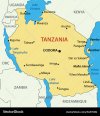
Tanzania map
Education: Empowering Minds for the Future.
By 2034, vocational training centers are established in every region, offering courses aligned with market demands. This initiative reduces unemployment by equipping young Tanzanians with skills in fields such as agriculture, engineering, and information technology. Additionally, a scholarship program for girls in STEM fields boosts female participation in science and technology.
By 2049, Tanzania boasts a literacy rate of over 90%, with a significant portion of the population holding tertiary degrees. Online education platforms, powered by local content, make lifelong learning accessible to all, fostering a culture of continuous improvement and innovation.
In 10 years, every district has a well-equipped hospital, reducing the burden on major urban centers. Telemedicine services connect rural patients with specialists in cities, ensuring timely and accurate diagnoses. A national health insurance scheme is implemented, making healthcare affordable for all citizens.
By 2049, Tanzania has eradicated major infectious diseases through comprehensive vaccination programs. Advances in medical research and biotechnology, driven by local scientists, lead to innovative treatments and healthcare solutions. Public health campaigns promote healthy lifestyles, resulting in a significant decrease in non-communicable diseases.
By 2034, Tanzania is a leading technology hub in Africa. Homegrown tech companies develop solutions tailored to local needs, from mobile banking to agricultural technologies. The education system produces a steady stream of skilled programmers, engineers, and data scientists.
By 2049, Tanzania's digital economy is thriving. Smart cities with integrated technologies enhance the quality of life for urban residents. Advances in artificial intelligence and machine learning drive productivity in various sectors, from healthcare to agriculture.
Economy: Building a Diverse and Resilient Economy
By 2034, Tanzania is a middle-income country. The agricultural sector, enhanced by modern technologies, ensures food security and exports surplus produce. The manufacturing sector thrives, producing goods for both domestic and international markets. Tourism flourishes, with eco-friendly and cultural tourism attracting visitors from around the world.
By 2049, Tanzania's economy is resilient and sustainable. Renewable energy sources power industries and households, reducing reliance on fossil fuels. A robust trade network connects Tanzania with global markets, ensuring economic stability and growth.
By 2034, reforestation projects have restored large areas of degraded land. Sustainable agriculture practices reduce the environmental impact of farming. Renewable energy projects, such as solar and wind farms, reduce carbon emissions and combat climate change.
By 2049, Tanzania is a global leader in environmental conservation. Its national parks are havens for wildlife, attracting researchers and tourists alike. The country's commitment to sustainability ensures that future generations inherit a healthy and vibrant environment.
By 2034, a modern transportation network spans the country, reducing travel time and costs. Ports and airports are upgraded, boosting international trade. Affordable housing projects provide homes for low-income families, improving living conditions.
By 2049, Tanzania's infrastructure is world-class. High-speed trains connect major cities, promoting economic integration. Smart infrastructure solutions, such as intelligent traffic management systems, enhance urban living. Clean water and sanitation services are accessible to all, ensuring public health and wellbeing.
Conclusion
"Tanzania Tuitakayo" is a vision of a future where every citizen has the opportunity to thrive. Through strategic investments and innovative solutions, Tanzania transforms into a nation of educated, healthy, and prosperous individuals. The journey to this future requires dedication, collaboration, and unwavering commitment to progress. Together, Tanzanians we can build the future they desire and deserve, a future where dreams become reality.
References of images
Tanzania map iStock
Smart board Home - MRS Global School
Health care system The Future of the Medical Device Industry: Innovative Technologies
Satellite Dish What is a practical example of a hyperbola?
Dar es Salaam city 12.953 Tanzania City Images, Stock Photos, 3D objects, & Vectors | Shutterstock
Natural heritage 7 days Tanzania Experience Safari - Safari Vacations & Travel Services
Infrastructure projects Flagship infrastructural projects take lead in national budget - Daily News
Tanzania map
Education: Empowering Minds for the Future.
Smart board
In the next 5 years, Tanzania embarks on an ambitious plan to revamp its education system. By leveraging technology, every classroom is equipped with smart boards and internet access, enabling interactive learning. Teacher training programs are enhanced to ensure educators are well-versed in modern teaching methods.By 2034, vocational training centers are established in every region, offering courses aligned with market demands. This initiative reduces unemployment by equipping young Tanzanians with skills in fields such as agriculture, engineering, and information technology. Additionally, a scholarship program for girls in STEM fields boosts female participation in science and technology.
By 2049, Tanzania boasts a literacy rate of over 90%, with a significant portion of the population holding tertiary degrees. Online education platforms, powered by local content, make lifelong learning accessible to all, fostering a culture of continuous improvement and innovation.
Health: Building a Robust Healthcare System
Health care system
Within the next 5 years, Tanzania launches a nationwide health campaign focused on preventive care. Mobile health clinics travel to remote areas, providing vaccinations and health education. Digital health records are introduced, improving patient care and streamlining medical services.In 10 years, every district has a well-equipped hospital, reducing the burden on major urban centers. Telemedicine services connect rural patients with specialists in cities, ensuring timely and accurate diagnoses. A national health insurance scheme is implemented, making healthcare affordable for all citizens.
By 2049, Tanzania has eradicated major infectious diseases through comprehensive vaccination programs. Advances in medical research and biotechnology, driven by local scientists, lead to innovative treatments and healthcare solutions. Public health campaigns promote healthy lifestyles, resulting in a significant decrease in non-communicable diseases.
Technology: Driving Innovation and Connectivity
Satellite Dish
In the next 5 years, Tanzania invests heavily in digital infrastructure. High-speed internet becomes available in urban and rural areas, bridging the digital divide. Tech hubs and innovation centers are established in major cities, fostering a culture of entrepreneurship and innovation.
By 2034, Tanzania is a leading technology hub in Africa. Homegrown tech companies develop solutions tailored to local needs, from mobile banking to agricultural technologies. The education system produces a steady stream of skilled programmers, engineers, and data scientists.
By 2049, Tanzania's digital economy is thriving. Smart cities with integrated technologies enhance the quality of life for urban residents. Advances in artificial intelligence and machine learning drive productivity in various sectors, from healthcare to agriculture.
Economy: Building a Diverse and Resilient Economy
Dar es Salaam city
In the next 5 years, Tanzania diversifies its economy by promoting sectors such as tourism, manufacturing, and agriculture. Special economic zones attract foreign investments, creating jobs and boosting economic growth. Small and medium-sized enterprises (SMEs) receive support through microfinancing and business development programs.
By 2034, Tanzania is a middle-income country. The agricultural sector, enhanced by modern technologies, ensures food security and exports surplus produce. The manufacturing sector thrives, producing goods for both domestic and international markets. Tourism flourishes, with eco-friendly and cultural tourism attracting visitors from around the world.
By 2049, Tanzania's economy is resilient and sustainable. Renewable energy sources power industries and households, reducing reliance on fossil fuels. A robust trade network connects Tanzania with global markets, ensuring economic stability and growth.
Environment: Preserving Natural Heritage
Natural heritage
In the next 5 years, Tanzania implements strict environmental regulations to protect its rich biodiversity. National parks and wildlife reserves receive funding for conservation efforts. Community-based conservation programs involve local populations in protecting their natural heritage.Natural heritage
By 2034, reforestation projects have restored large areas of degraded land. Sustainable agriculture practices reduce the environmental impact of farming. Renewable energy projects, such as solar and wind farms, reduce carbon emissions and combat climate change.
By 2049, Tanzania is a global leader in environmental conservation. Its national parks are havens for wildlife, attracting researchers and tourists alike. The country's commitment to sustainability ensures that future generations inherit a healthy and vibrant environment.
Infrastructure: Building the Foundations of Progress
Infrastructure projects
In the next 5 years, Tanzania prioritizes infrastructure development. New roads, bridges, and railways connect remote regions with urban centers, facilitating trade and movement. Major cities undergo urban planning to accommodate growing populations.Infrastructure projects
By 2034, a modern transportation network spans the country, reducing travel time and costs. Ports and airports are upgraded, boosting international trade. Affordable housing projects provide homes for low-income families, improving living conditions.
By 2049, Tanzania's infrastructure is world-class. High-speed trains connect major cities, promoting economic integration. Smart infrastructure solutions, such as intelligent traffic management systems, enhance urban living. Clean water and sanitation services are accessible to all, ensuring public health and wellbeing.
Conclusion
"Tanzania Tuitakayo" is a vision of a future where every citizen has the opportunity to thrive. Through strategic investments and innovative solutions, Tanzania transforms into a nation of educated, healthy, and prosperous individuals. The journey to this future requires dedication, collaboration, and unwavering commitment to progress. Together, Tanzanians we can build the future they desire and deserve, a future where dreams become reality.
References of images
Tanzania map iStock
Smart board Home - MRS Global School
Health care system The Future of the Medical Device Industry: Innovative Technologies
Satellite Dish What is a practical example of a hyperbola?
Dar es Salaam city 12.953 Tanzania City Images, Stock Photos, 3D objects, & Vectors | Shutterstock
Natural heritage 7 days Tanzania Experience Safari - Safari Vacations & Travel Services
Infrastructure projects Flagship infrastructural projects take lead in national budget - Daily News
Attachments
Upvote
2