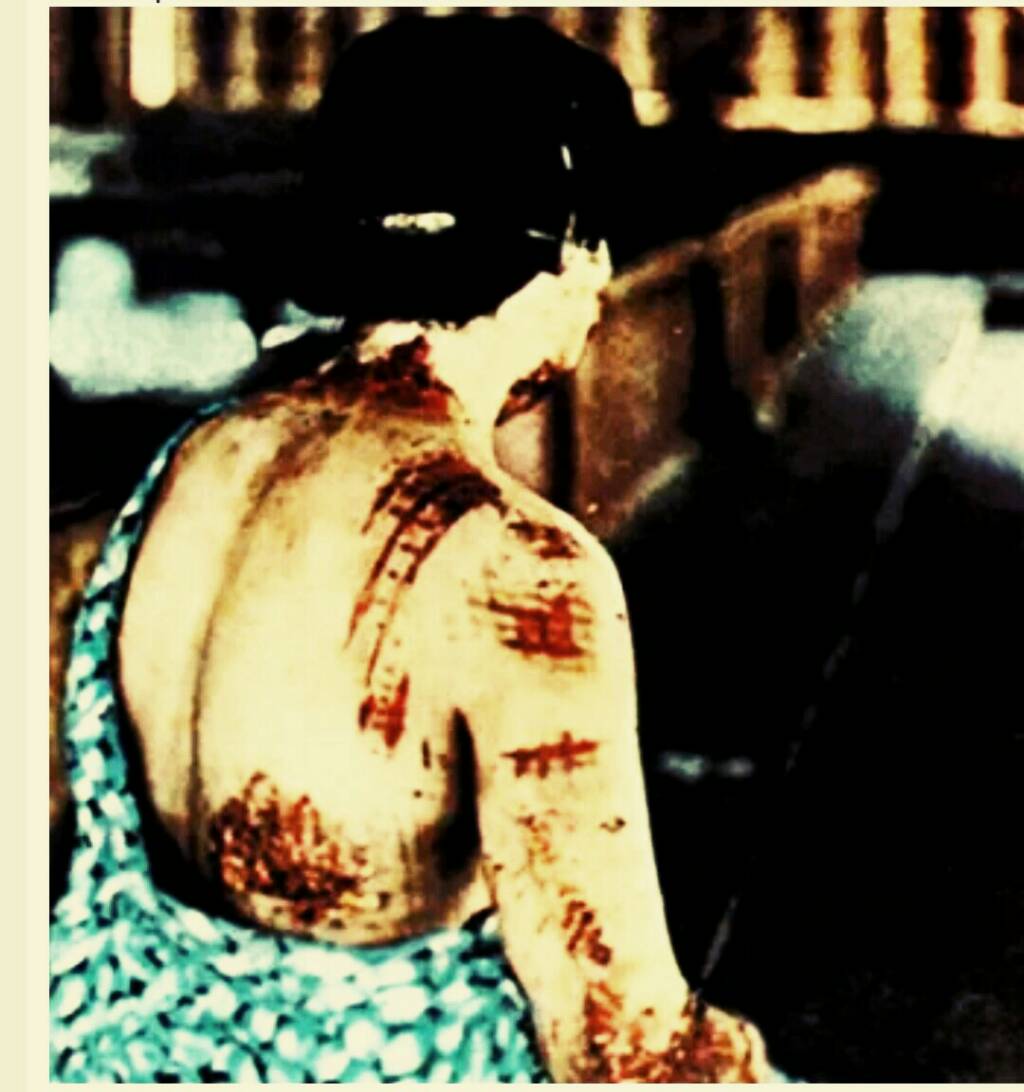
On August 6, 1945, an American B-29 bomber named the Enola Gay left the island of Tinian for Hiroshima, Japan. This section recounts the first atomic bombing.
Hiroshima was chosen as the primary target since it had remained largely untouched by bombing raids, and the bomb’s effects could be clearly measured. While President Truman had hoped for a purely military target, some advisers believed that bombing an urban area might break the fighting will of the Japanese people. Hiroshima was a major port and a military headquarters, and therefore a strategic target. Also, visual bombing, rather than radar, would be used so that photographs of the damage could be taken. Since Hiroshima had not been seriously harmed by bombing raids, these photographs could present a fairly clear picture of the bomb’s damage.
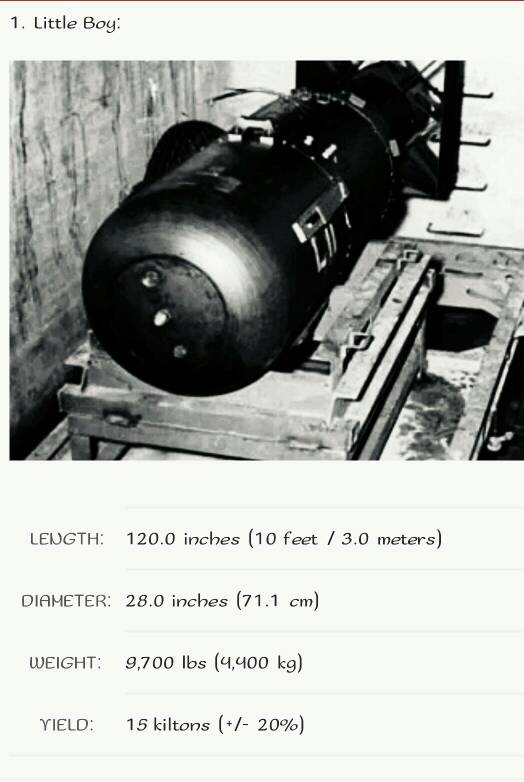
A T-shaped bridge at the junction of the Honkawa and Motoyasu rivers near downtown Hiroshima was the target. At 8:15 a.m., Little Boy exploded, instantly killing 80,000 to 140,000 people and seriously injuring 100,000 more. The bomb exploded some 1,900 feet above the center of the city, over Shima Surgical Hospital, some 70 yards southeast of the Industrial Promotional Hall (now known as the Atomic Bomb Dome). Crewmembers of the Enola Gay saw a column of smoke rising fast and intense fires springing up. The burst temperature was estimated to reach over a million degrees Celsius, which ignited the surrounding air, forming a fireball some 840 feet in diameter. Eyewitnesses more than 5 miles away said its brightness exceeded the sun tenfold.
In less than one second, the fireball had expanded to 900 feet. The blast wave shattered windows for a distance of ten miles and was felt as far away as 37 miles. Over two-thirds of Hiroshima’s buildings were demolished. The hundreds of fires, ignited by the thermal pulse, combined to produce a firestorm that had incinerated everything within about 4.4 miles of ground zero.
To the crew of the Enola Gay, Hiroshima had disappeared under a thick, churning foam of flames and smoke. The co-pilot, Captain Robert Lewis, commented, “My God, what have we done?”
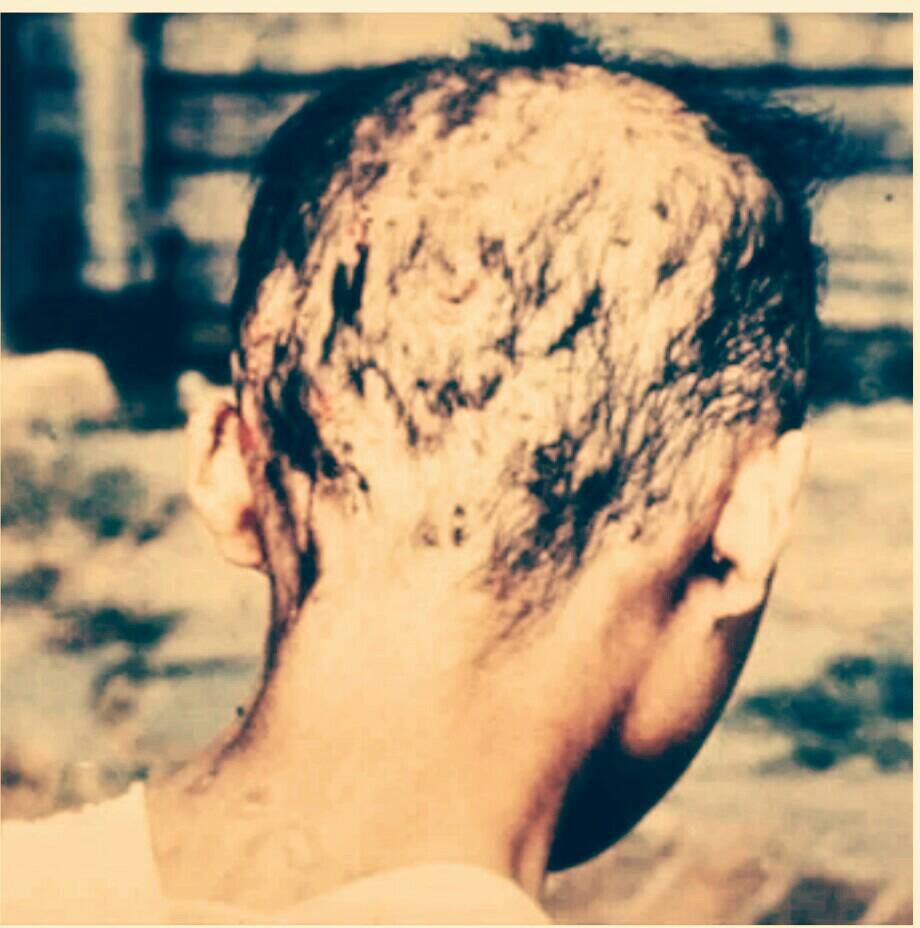
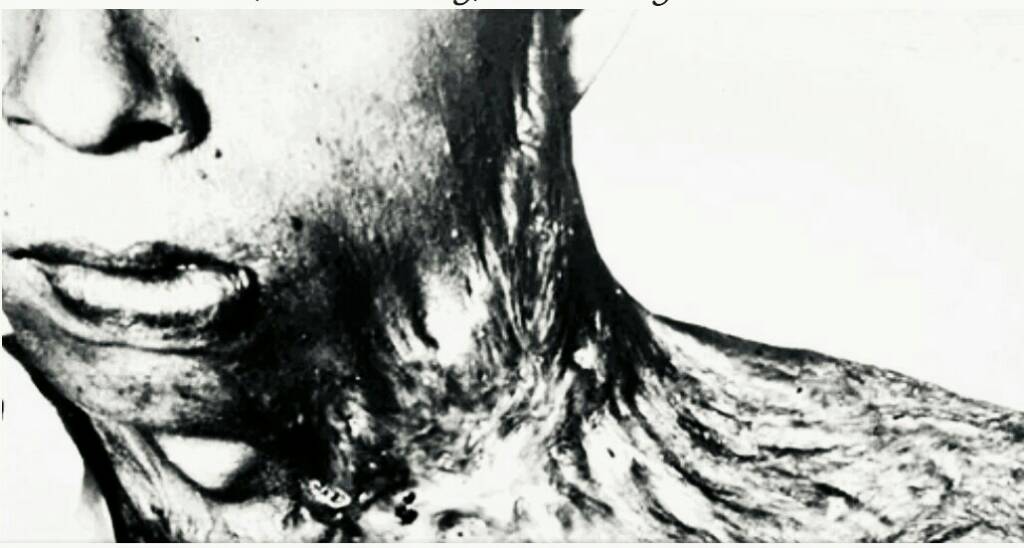
About 30 minutes after the explosion, a heavy rain began falling in areas to the northwest of the city. This “black rain” was full of dirt, dust, soot and highly radioactive particles that were sucked up into the air at the time of the explosion and during the fire. It caused contamination even in areas that were remote from the explosion.
Radio stations went off the air, and the main line telegraph had stopped working just north of Hiroshima. Chaotic reports of a horrific explosion came from several railway stops close to the city and were transmitted to the Headquarters of the Japanese General Staff. Military headquarters personnel tried to contact the Army Control Station in Hiroshima and were met with complete silence. The Japanese were puzzled. They knew that no large enemy raid could have occurred, and no sizeable store of explosives was in Hiroshima at that time, yet terrible rumors were starting.
A young officer of the Japanese General Staff was instructed to fly immediately to Hiroshima, to land, survey the damage and return to Tokyo with reliable information for the staff. Headquarters doubted that anything serious had occurred, but the rumors were building. When the staff officer in his plane was nearly 100 miles (160 km) from Hiroshima, he and his pilot noticed a huge cloud of smoke from the bomb. In the bright afternoon, the remains of Hiroshima were burning.
The plane soon reached the city and circled it. A great scar on the land was still burning, covered by a heavy cloud of smoke. They landed south of Hiroshima, and the staff officer immediately began to organize relief measures, after reporting to Tokyo.
Nagasaki:
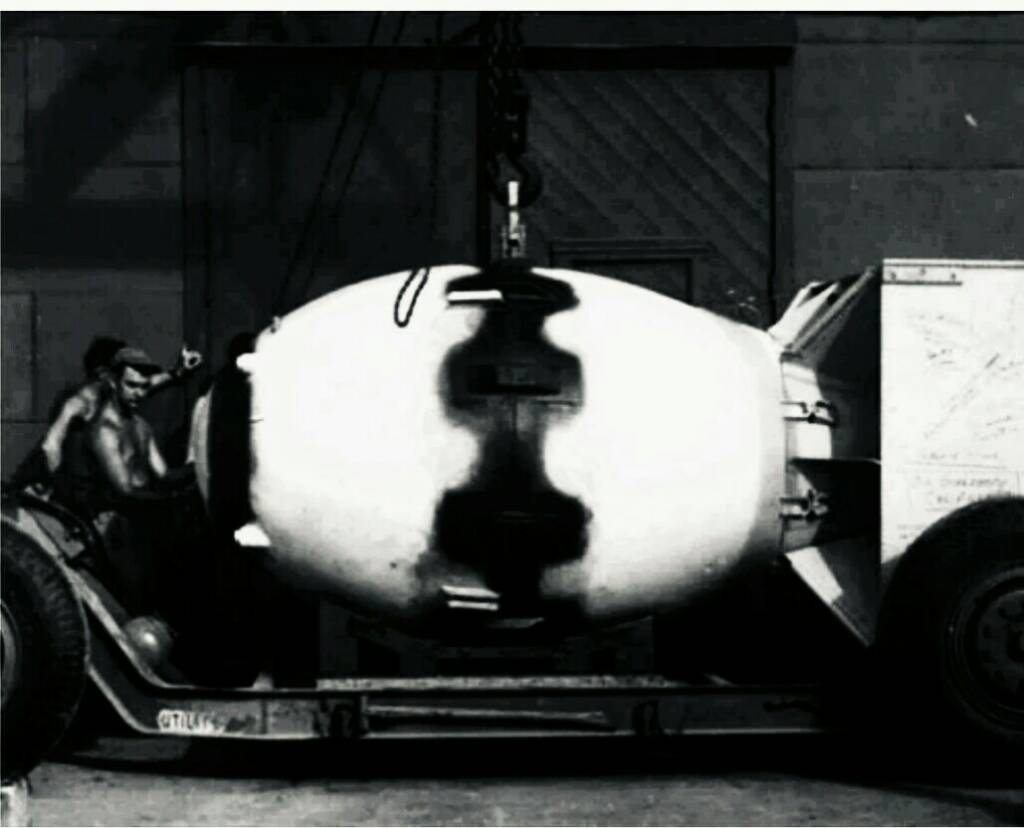
On August 9, 1945, another American B-29 bomber, Bock’s Car, left Tinian carrying Fat Man, a plutonium implosion-type bomb. The primary target was the Kokura Arsenal, but upon reaching the target, they found that it was covered by a heavy ground haze and smoke. This section recounts the atomic bombing of Nagasaki, Japan.
Like Hiroshima, the immediate aftermath in Nagasaki was a nightmare. More than forty percent of the city was destroyed. Major hospitals had been utterly flattened and care for the injured was impossible. Schools, churches, and homes had simply disappeared. Transportation was impossible.
Many of the survivors—Hibakusha—have recorded their memories of those days.
Fujie Urata Matsumoto, relates this scene: “The pumpkin field in front of the house was blown clean. Nothing was left of the whole thick crop, except that in place of the pumpkins there was a woman’s head. I looked at the face to see if I knew her. It was a woman of about forty. She must have been from another part of town – I had never seen her around here. A gold tooth gleamed in the wide-open mouth. A handful of singed hair hung down from the left temple over her cheek, dangling in her mouth. Her eyelids were drawn up, showing black holes where the eyes had been burned out…She had probably looked square into the flash and gotten her eyeballs burned.”
Kayano Nagai remembers “I saw the atom bomb. I was four then. I remember the cicadas chirping. The atom bomb was the last thing that happened in the war and no more bad things have happened since then, but I don’t have my Mummy any more. So even if it isn’t bad any more, I’m not happy.”
Two years after the bombing plants growing at ground zero presaged the frightening genetic aberrations in humans that were to come: sesame stalks produced 33 percent more seeds but 90 percent of them were sterile. For decades abnormally high amounts of cancer, birth defects, and tumors haunted victims.
Both Hiroshima and Nagasaki have memorialized the events of August, 1945 with museums, sculpture, peace ceremonies, and parks. They want no one to forget
.