
BARD AI
JF-Expert Member
- Jul 24, 2018
- 3,591
- 8,826
Utafiti uliofanywa na Ofisi ya Mkuu wa Upasuaji kutoka Idara ya Afya na Huduma za Binadamu ya Marekani umeonesha kuwa watu wanaoshi kwa Kujitenga au kukaa kwa Upweke unaotakana na kukosa Furaha wako hatarini kufikia uamuzi wa kujiua kwa 29%.
Imeelezwa kuwa kutojichanganya na watu wengine katika maisha ya kawaida pamoja na kuelemewa na hali ya Upweke kunaongeza hatari ya kupata Magonjwa ya Moyo kwa 29% na hatari ya kupata Kiharusi (Stroke) kwa 32%.
Aidha, Watu wanaohisi kutengwa au kujitenga wenyewe na Familia au Jamii na kukabiliwa na Upweke wanakuwa hatarini kukumbwa na Ugonjwa wa Kisukari cha aina ya 2 na matatizo Figo.
==================
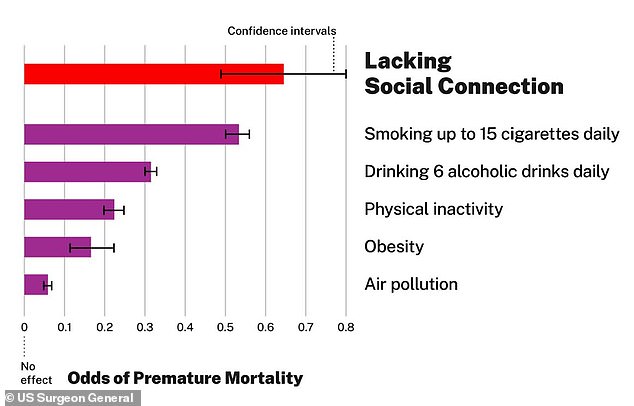
Widespread loneliness in the U.S. poses health risks as deadly as smoking up to 15 cigarettes daily, costing the health industry billions of dollars annually, the U.S. surgeon general said Tuesday in declaring the latest public health epidemic.
About half of U.S. adults say they’ve experienced loneliness, Dr. Vivek Murthy said in an 81-page report from his office.
“We now know that loneliness is a common feeling that many people experience. It’s like hunger or thirst. It’s a feeling the body sends us when something we need for survival is missing,” Murthy told The Associated Press in an interview. “Millions of people in America are struggling in the shadows, and that’s not right. That’s why I issued this advisory to pull back the curtain on a struggle that too many people are experiencing.”
The declaration is intended to raise awareness around loneliness but won’t unlock federal funding or programming devoted to combatting the issue.
Research shows that Americans, who have become less engaged with worship houses, community organizations and even their own family members in recent decades, have steadily reported an increase in feelings of loneliness. The number of single households has also doubled over the last 60 years.
But the crisis deeply worsened when COVID-19 spread, prompting schools and workplaces to shut their doors and sending millions of Americans to isolate at home away from relatives or friends.
People culled their friend groups during the coronavirus pandemic and reduced time spent with those friends, the surgeon general’s report finds. Americans spent about 20 minutes a day in person with friends in 2020, down from 60 minutes daily nearly two decades earlier.
The loneliness epidemic is hitting young people, ages 15 to 24, especially hard. The age group reported a 70 percent drop in time spent with friends during the same period.


