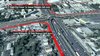
Battle: Dar es Salaam vs Nairobi

Battle: Dar es Salaam vs Nairobi

Some of Claycity Apartments
rRa3F3rPLRleCjd7OQBAQiwc8Oc0jxIZ4TnheEFT0ZV9kKY2dlUHGNMfVvEq0oNaR534ioQAxoUcomcSc8p-ttkNqZTdBDggTxtn4aaUWlGSLF7BBMFDuzy9iLI658rTl90oCtiOZA68UiCBi3NOyNZZKsgULIpKCWv3M7a05gq_AEdaBi2MQpqqOrG_fmRlIPPohGnRwUXbVQzu7mLzS1WhqoFDC5bFt6AXKlXDz2joo2om91XUmaaLkyTij8zNbxHCa3Vi-QgqPjcamDeJxzrhfu3fVR0m0ZJ-BH5XkPCwZfGVY1qLBTLW2Ewh1EHoZgn16I6etuCHdqF9sQUroqBgYuTnYixSoRtHCDDDNrbFb1lgrYOrkmE47jIpffxVpSnWpfnQCT6cSUmPsrIRS6MK6kG57Bb4_tEGN0ijlf5TkobCnG_yOGcb-XQUdQAh0ZKDmiqSa9tiO0sbu3tIPXBKj9C7XkT7ET0_d-BiDiaQru6SsxyD5zcDcmuZ5j7RD3FE5VXujigdAlGF-bA-_D7YS3afn7lfxVUkHFjD5vI8iHXNRog8pz3DoiYHxi9JU1WVZTcFI4dp5L6fD8RUcLQ1upNQ63pUihxf5APBJbUS8Thy=w1177-h662-no


NjKDNm0akaakVw2w_euaZA9vKLpvo862iUJHDPKTkwe0TKSnVeUR1p7qphQOHQH4LHogQGgCtkLS_2H4Kl5Nwce2BQ8xyizQ2UMDXZLIBDoB8rx1B2EZalhIcRhQh3iEXsE2XAQKtVlxlgmUxuVXOSM8PyphGYQNvLBK8KuZXSkSAHMlj1Wbrzdg_pWU4pQIqGTlRMoBW1RihFQ7-Ls6soObsWO2ejGtfrbn__davnoS3vz1O5PY2LjvWIIFWBxzoxPwBt90D5zsufSs5QSH7OQT6ksVrxIYo8qlHb84B7caE2Pp0GuyvVzCkEtZxbY9S8geVBE2LHE61_aiNNekPSovf7A8mTofbezy-qODXOpJH_Oq53hvil7C9ptWmAVDtZa4LwcNIYAoU8qBCvzIgQGXmvC54TQT5bGTONOnEBbrgmGF1H1xoR4RLFMRGxtOM6ycPtUv-qauNf9FFkMCx9SE3DRk189goZu_e8rRZ1tQuoQHUgLjNJ-07MD0AugiJ_jmO4YmUXhAjKmMyXQzfRsuywxqnIjg4XDI6zEK4VtUePHu3G68CXaR44QLroYLB1Rtb5tf4vko4OwdqS4YN2_MsoXQYfaRUGwpXh3tm1w6pCq3=w1177-h662-no


Claycity is my hood!!!! Changing like nobodies business
Lete full picture tujue kama kweli ni Kenya na sio Muscut
 
Here comes Githurai, this place was feared to be most dangerous in Kenya just three years ago, poor roads and drainage. Now the place is simmering with new urban living, towers for office spaces have been put up and ultra modern apartments set up!! Never underestimate the power of infrastructure development. If you are in Nairobi, visit Githurai
KtYuDLOU4o5t_8o4gnXMCIwlvUPdtsrpankR0CPd5JhVepqWA2zEL11qZWH9nD3b6OlFUkjzpovBto67NIwg-fEoNGyMxonhbSGbSGcj_cvkxSzYQ6lp_XQVOszpDb4i3zB1h1JBn12pAIkLea-k5qPEmVcKS8rHFjewf6cziVTQlhAnJJdOJi-2AV4r0mqgchIs6bF1dEY9_JG2lLzMqu09dpt3JNPJ6ieZLSXhwBUjTl_RZrBqwayLwCChLLBYuhVGbxMALg9Ov4C3S0Obs05w21dyPgS-O8v3MbsC-ujYxg6dhRysVU_3Q6QsLTO8N-aGjsPtMZrXq3XSyiIVx1Oo5U0aNHBxHiQeZuQP78iI6f8iEjcwa5OomGzuVGy_9owYpJzhs_w-_tcAx3VWiJAiFMvger0fhAsjsLKUcSmBmdZmM-nRY0VYGFcMM2XNf3gnGGPsD2-UCdMOaujH9J1hJKiGnGPWaf35rZDhPKOSovoeiMXZ3IH5BzKtP6tbQhsQ5wQhVkyFVHDxe-V4mbNZeF7rZn4TnEQcKAFJ1PBl1E7r7Jk4CyY-ZRz8jIg625OxjV3uisJPByA2pjsORcmB1FyFkEJ6FIHmKD3zDSeIk-rr=w1177-h662-no
zaidi ya barabara atapost nini heheheheheeheh
 

Tihahahhaaaaa. That will not change the fact that you remain the poorest in the world. If our poor are living like that then I can imagine how your poorest live.... I am not interested in bringing you pictures. i am not that low.
 
Tihahahhaaaaa. That will not change the fact that you remain the poorest in the world. If our poor are living like that then I can imagine how your poorest live.... I am not interested in bringing you pictures. i am not that low.
Daah u r such an empty head ...heheee and if u r not interested in bringing pictures then why u even brought this matter in the first place.
 
Daah u r such an empty head ...heheee and if u r not interested in bringing pictures then why u even brought this matter in the first place.

Tihahahhaaaaa...... There must be stool from diarrhea in between your ears. I am not going to get into foolish Drama from hateful poor Danganyikans. My friend the Country in front of you is KENYA and the vocal city in this part of the region is Nairobi. Take that to the bank you cabbage head
 
Tihahahhaaaaa. That will not change the fact that you remain the poorest in the world. If our poor are living like that then I can imagine how your poorest live.... I am not interested in bringing you pictures. i am not that low.
hayo ndio maisha ya over 75% of mombasa population my friend hahahahaha
 
Bangladesh slum, Mombasa

Bangladesh is arguably the biggest informal settlement in Mombasa in terms of population. It is located off Nairobi Mombasa Highway in Mikindani ward within Changamwe/Jomvu constituency and approximately covers 20 acres. The area was formerly owned by an Asian who left for Bangladesh and never returned back. After he had left, people started settling there as from the 1950s. They started calling the settlement Bangladesh after the former owner’s destination. Today the settlement is divided into three parcels of land owned by different entities. Structure owners within Bangladesh generally constructed without having official allotment letters. The settlement has faced several eviction threats. Against this background, in 2011, a community-led enumeration and mapping exercise was conducted to gain more information about the settlement and the residents. The exercise included defining the boundaries of Bangladesh, numbering all structures, administering a household questionnaire and conducting focus group discussions (FGDs).

Bangladesh has seven clusters, namely Mkupe, Central, Nairobi area, Majengo, Giriamani, Kachimbeni and Majengo Mapya. The settlement is densely populated and most of the houses are of semi-permanent nature. In total 4200 structures were counted. The number of enumerated households was 2886. Out of these, 2082 households were interviewed. The following information is related to this sample of 2082 households:

  • The average household size is 3 persons ranging from 1 to 13 persons.
  • 82% of the households are headed by male adults.
  • The large majority of households (79%) are tenants. Of the structure owners, 70% live in the settlement while 30% are absentee owners.
  • 55% of the structure owners bought their plots from other people. 26% of the structure owners found open space and decided to settle there. Only 7% of the structure owners say that they got authority to construct from the local lands board. None of the structure owners has an official document proving land transfer or allocation.
  • The monthly rent for tenants ranges between KES 700 and 3500. 81% of the tenants pay a monthly rent of KES 1500 and below.
  • 74.5% of the houses are of semi-permanent nature.
  • On average, households have a monthly income of KES 6000.
  • The majority (71%) of respondents are involved in economic activities. Of these, the majority is engaged in the informal sector.
  • 84% of the households buy water from water kiosks at KES 4 per 20 liter jerry can. 14% use yard taps and only 2% have a private connection inside their house. A huge challenge is the irregularity of water flow.
  • The FGDs revealed that many households have electricity but largely use illegal connections.
  • 92% of the households use pit latrines. Only 3% have flush toilets which are either connected to the sewage system or to septic tanks.
  • 77% of the households use shared bathroom facilities. Only 5% have a private bathroom.
  • There is no drainage system. There are only some informally dug open drains dug by residents to dispose grey water.
  • There is one earth access road cutting across Bangladesh. There are no other access roads, only small foot paths.
  • 47% of the respondents are not satisfied with the security level in the settlement.
  • There are two health facilities: One run by the catholic church and one run by a CBO. According to the FGDs, the most prevalent diseases are respiratory diseases, diarrhea and malaria.
  • The settlement has one public primary school but no public secondary school. There are two private schools.
  • There are two open spaces within the settlement which the community can access. Additionally, the Catholic Church owns a hall that is usually hired out to the community for social events.
  • 12 organized community groups were counted. They are mainly dealing with welfare and uplifting each other through small loans and merry go rounds. 80% of the respondents are not members of any organized community group.
  • The four main development needs established were
    • Security of tenure
    • Poverty reduction
    • Health facilities
    • Roads
 
Back
Top Bottom