Cost comparison SGR Kenya vs SGR Tanzania

Cost comparison SGR Kenya vs SGR Tanzania

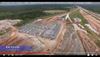
Morogoro PAX station
Screenshot 2020-05-31 09.26.33.png


Screenshot 2020-05-31 09.26.48.png
 
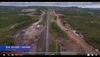
Ruvu Marshalling yard
Screenshot 2020-05-31 09.35.19.png


Screenshot 2020-05-31 09.35.13.png


Screenshot 2020-05-31 09.35.23.png


Screenshot 2020-05-31 09.35.31.png
 

Attachments

  • Screenshot 2020-05-31 09.35.23.png
    Screenshot 2020-05-31 09.35.23.png
    336.3 KB · Views: 1
Reli ikifika Kampala, Nairobi ndo itakua mid-way station ya abiria ambapo reli za kutoka kampala zitakutana na reli kutoka Mombasa
My friend, "Ikifika" is a relative term Museveni is not nuying into investing an overpriced project! Even the Chinese declined to finance phase 2B as no economic viability in the project!
 
My friend, "Ikifika" is a relative term Museveni is not nuying into investing an overpriced project! Even the Chinese declined to finance phase 2B as no economic viability in the project!
You know what they say about, kelele za Chura
 
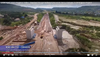
State of the art viaduct, bridge , overpasses and underpasses structures along the Dar es salaam-Morogoro SGR route
Screenshot 2020-05-31 10.08.51.png


Screenshot 2020-05-31 10.08.37.png


Screenshot 2020-05-31 10.05.32.png


Screenshot 2020-05-31 10.04.48.png


Screenshot 2020-05-31 10.03.40.png


Screenshot 2020-05-31 10.01.34.png


Screenshot 2020-05-31 10.01.11.png


Screenshot 2020-05-31 10.00.15.png


Screenshot 2020-05-31 09.57.03.png


Screenshot 2020-05-31 09.54.46.png


Screenshot 2020-05-31 09.54.07.png


Screenshot 2020-05-31 09.53.42.png


Screenshot 2020-05-31 09.42.43.png


Screenshot 2020-05-31 09.40.11.png


Screenshot 2020-05-31 09.39.51.png


Screenshot 2020-05-31 09.39.28.png


Screenshot 2020-05-31 09.39.21.png


Screenshot 2020-05-31 09.39.00.png


Screenshot 2020-05-31 09.37.48.png
 

Attachments

  • Screenshot 2020-05-31 09.55.05.png
    Screenshot 2020-05-31 09.55.05.png
    300.7 KB · Views: 2
State of the art viaduct, bridge , overpasses and underpasses structures along the Dar es salaam-Morogoro SGR route cont..

Screenshot 2020-05-31 11.09.05.png


Screenshot 2020-05-31 11.07.39.png


Screenshot 2020-05-31 11.06.58.png


Screenshot 2020-05-31 11.06.35.png


Screenshot 2020-05-31 11.04.12.png


Screenshot 2020-05-31 11.03.27.png


Screenshot 2020-05-31 11.02.55.png


Screenshot 2020-05-31 11.02.55.png


Screenshot 2020-05-31 11.02.40.png


Screenshot 2020-05-31 11.02.17.png


Screenshot 2020-05-31 11.01.29.png


Screenshot 2020-05-31 11.01.11.png


Screenshot 2020-05-31 10.08.51.png


Screenshot 2020-05-31 09.25.20.png


Screenshot 2020-05-31 09.25.49.png


Screenshot 2020-05-31 09.27.50.png
 

Attachments

  • Screenshot 2020-05-31 11.01.11.png
    Screenshot 2020-05-31 11.01.11.png
    329.4 KB · Views: 2
State of the art slopes protection, subbalast n earthworks along the Dar es salaam-Morogoro SGR route

Screenshot 2020-05-31 09.58.19.png


Screenshot 2020-05-31 09.57.51.png


Screenshot 2020-05-31 09.57.21.png


Screenshot 2020-05-31 09.56.39.png


Screenshot 2020-05-31 09.55.48.png
 

Attachments

  • Screenshot 2020-05-31 09.58.29.png
    Screenshot 2020-05-31 09.58.29.png
    351.6 KB · Views: 1
HIvi unadhani reli yenu itafika Kigali lini?

Kabla ujibu hilo hebu niambie lile bomba lamafuta kutoka Uganda litaanza kufanya kazi lini?
mwaka huu final investment decision (FID) inafanyika mwaka huu, na by next year boots will be on the ground! kizingiti alikuwa Tullow oil ambaye thank God went bankrupt!


OIL & GAS / AFRICA
Uganda-Tanzania pipeline construction planned for 2021
by Ed Reed
12/05/2020, 10:01 am
Orca Exploration's facility in Tanzania

Orca Exploration's facility in TanzaniaSign up to our Daily newsletter

Work on the East Africa Crude Oil Pipeline (EACOP) is expected to begin in April following a final investment decision (FID), according to a budget speech from the Tanzanian Minister of Energy.

The plan involves the construction of a 1,443 km heated pipeline, which will run from Uganda’s Lake Albert oil finds to the Tanzanian port of Tanga. During the 2019-20 period, an impact assessment was completed on the proposal.

During the 2020-21 year, Minister of Energy Medard Kalemani said, work will focus on a host government agreement, a joint venture and compensation.

Total struck a deal to buy Tullow Oil’s share in the Ugandan licences in April. A similar deal fell apart in 2019 but prospects for this to go ahead seem improved. The exit of Tullow should allow an FID to go ahead and construction to begin, although the politics of both Uganda and Tanzania may prove a challenge.

Assuming work goes ahead as Kalemani expects, oil production may start in 2024, a year later than the most recent forecast.

In addition to the country’s oil plans, the minister also set out a number of gas projects. Talks will continue on proposals for LNG exports, he said. Progress has been slow thus far and it seems likely that Tanzania LNG will have to wait for the next round of sanctions, which may stem from a projected supply crunch around 2025.

The East African state is working on plans to export gas to Uganda via a pipeline. During the last 2019-20 period, the country secured expressions of interest for companies to serve as research advisors and a bilateral agreement with Uganda was drafted.

Tanzania is also working on a compressed natural gas (CNG) plan as part of Tanzania Petroleum Development Corp.’s (TPDC) aims of distributing the country’s resource. The state-owned company is working on distribution plans – through a mix of CNG, mini LNG and pipelines – to Morogoro, Dodoma, Tanga, Arusha, Mwanza, Shinyanga, Kagera, Manyara, Geita and Kilimanjaro, Kalemani said.

Tanzania has a comprehensive plan for gas use that is intended to see 18.7 trillion cubic feet (530 billion cubic metres) go into the domestic market.

This year, the government will carry out a feasibility study on the promotion of natural gas. This will assess demand in the country and how to encourage its use – with a model project planned for Dodoma.

Gas production from Songo Songo and Mnazi Bay, in the south of the country, reach 210 million cubic feet (5.9 million cubic metres) per day in 2019-20.

TPDC plans to drill two wells this year in Mnazi Bay North, the minister said.

Uganda-Tanzania pipeline construction planned for 2021 - News for the Oil and Gas Sector
 
mwaka huu final investment decision (FID) inafanyika mwaka huu, na by next year boots will be on the ground! kizingiti alikuwa Tullow oil ambaye thank God went bankrupt!


OIL & GAS / AFRICA
Uganda-Tanzania pipeline construction planned for 2021
by Ed Reed
12/05/2020, 10:01 am
Orca Exploration's facility in Tanzania's facility in Tanzania

Orca Exploration's facility in TanzaniaSign up to our Daily newsletter

Work on the East Africa Crude Oil Pipeline (EACOP) is expected to begin in April following a final investment decision (FID), according to a budget speech from the Tanzanian Minister of Energy.

The plan involves the construction of a 1,443 km heated pipeline, which will run from Uganda’s Lake Albert oil finds to the Tanzanian port of Tanga. During the 2019-20 period, an impact assessment was completed on the proposal.

During the 2020-21 year, Minister of Energy Medard Kalemani said, work will focus on a host government agreement, a joint venture and compensation.

Total struck a deal to buy Tullow Oil’s share in the Ugandan licences in April. A similar deal fell apart in 2019 but prospects for this to go ahead seem improved. The exit of Tullow should allow an FID to go ahead and construction to begin, although the politics of both Uganda and Tanzania may prove a challenge.

Assuming work goes ahead as Kalemani expects, oil production may start in 2024, a year later than the most recent forecast.

In addition to the country’s oil plans, the minister also set out a number of gas projects. Talks will continue on proposals for LNG exports, he said. Progress has been slow thus far and it seems likely that Tanzania LNG will have to wait for the next round of sanctions, which may stem from a projected supply crunch around 2025.

The East African state is working on plans to export gas to Uganda via a pipeline. During the last 2019-20 period, the country secured expressions of interest for companies to serve as research advisors and a bilateral agreement with Uganda was drafted.

Tanzania is also working on a compressed natural gas (CNG) plan as part of Tanzania Petroleum Development Corp.’s (TPDC) aims of distributing the country’s resource. The state-owned company is working on distribution plans – through a mix of CNG, mini LNG and pipelines – to Morogoro, Dodoma, Tanga, Arusha, Mwanza, Shinyanga, Kagera, Manyara, Geita and Kilimanjaro, Kalemani said.

Tanzania has a comprehensive plan for gas use that is intended to see 18.7 trillion cubic feet (530 billion cubic metres) go into the domestic market.

This year, the government will carry out a feasibility study on the promotion of natural gas. This will assess demand in the country and how to encourage its use – with a model project planned for Dodoma.

Gas production from Songo Songo and Mnazi Bay, in the south of the country, reach 210 million cubic feet (5.9 million cubic metres) per day in 2019-20.

TPDC plans to drill two wells this year in Mnazi Bay North, the minister said.

Uganda-Tanzania pipeline construction planned for 2021 - News for the Oil and Gas Sector
Hata sisi tuna plans nyingi tu ambazo ziko kwa makaratasi na magazeti, lakini ile siku hizo projects zitakamilika na kuanza kufanya kazi ndo inabidi ukune kichwa... Mwazo baada ya corona haujui dunia itakuaje, usishangae hata hao kina Total pia wakatangaza suspention ya investment deals zote kwa mda flani mwanzo hadi wakati faida itarudi vizuri, jambo ambalo litasongeza tena mbele hio expected completion date ya bomba lenu...kumbuka kabla corona ifunge uchumi wa dunia, Saudi na Russia walikua wameendeleza vita vya oil hadi kulazimisha bei ya mafuta kupunguka to historic level.
 
Hata sisi tuna plans nyingi tu ambazo ziko kwa makaratasi na magazeti, lakini ile siku hizo projects zitakamilika na kuanza kufanya kazi ndo inabidi ukune kichwa... Mwazo baada ya corona haujui dunia itakuaje, usishangae hata hao kina Total pia wakatangaza suspention ya investment deals zote kwa mda flani mwanzo hadi wakati faida itarudi vizuri, jambo ambalo litasongeza tena mbele hio expected completion date ya bomba lenu...kumbuka kabla corona ifunge uchumi wa dunia, Saudi na Russia walikua wameendeleza vita vya oil hadi kulazimisha bei ya mafuta kupunguka to historic level.
jipe moyo mzee Total n CNOOC r in the list of top 6 largest oil companies

Largest oil and gas companies in the world: Ranking the ten biggest by revenues

10. Phillips 66

9. Lukoil

8. Rosneft

7. Chevron

Our parent business intelligence company
6. Total

5. ExxonMobil

4. BP Plc

3. China National Petroleum Corp (CNPC)

2. Royal Dutch Shell

1. China Petroleum & Chemical Corporation (Sinopec)


Oil and Gas industry trends 2019: ranking the top 10
10. Phillips 66 – $111.46bn
biggest oil and gas companies

Phillips66 achieved 95% refinery utilization during 2018. Image courtesy of Mike Mozart.

The Phillips 66 Company, which was created in 2012 by the spin-off of the midstream and downstream assets of ConocoPhillips, witnessed an 8.9% year-on-year revenue growth to $111.46bn in 2018.

The refining segment accounted for the highest share (60%) of the company’s revenue, followed by the marketing and specialties, midstream, and chemical segments.

In 2018, the company achieved a 95% refinery utilisation during the year, completed the US Gulf Coast petrochemicals project and launched the Sweeny Hub expansion project to add a 300 million barrels per day (Mbpd) NGL fractionation capacity. It also started the construction of 900Mbpd Gray Oak Pipeline during the same year.

9. Lukoil – $115.2bn
biggest oil and gas companies

Lukoil operates s four refineries in Russia and three refineries in Europe. Image courtesy of NVO.

Russian multinational energy corporation Lukoil’s revenue for the 12 months ending September 2018 stood at $115.2bn. The company’s annual hydrocarbon production reached 828Mboe, with liquid hydrocarbons accounting for 80% of the overall production volumes.

Lukoil’s proven hydrocarbon reserves were estimated at 15.9 billion barrels of oil-equivalent at the end of 2018. The company’s upstream projects are located in 12 countries with a focus on Russia, Central Asia, and the Middle East.

Major growth projects for the company include the Filanovsky, Korchagin, and the Rakushechnoye fields in the Northern Caspian, the D41 field in the Baltic Sea, and the Kandym-Khauzak-Shady and Gissar fields in Uzbekhistan. Lukoil operates four refineries in Russia and three refineries in Europe.

8. Rosneft – $133.7bn
biggest oil and gas companies

Rosneft is the biggest oil and gas company in Russia.

Rosneft, the biggest oil and gas company in Russia, boosted its revenue by 31.4% to $133.7bn in 2018. The company’s oil and liquids production increased by 2.1% to 4.7Mbpd, whereas its gas production averaged at 1.12Mboed during the year.

Refining throughput increased by 2% to 115Mt with the company’ 13 large refineries located in Russia accounting for 103.3Mt of refinery capacity.

Rosneft launched four greenfield projects with plateau production exceeding 140 million barrels during 2018. The projects include Taas-Yuryakh (Srednebotuobinskoye field stage 2), Tagul field, Russkoe field, and the Kuyumba field development.

7. Chevron – $158.9bn
biggest oil and gas companies

Chevron announced a $20bn investment program for 2019, in December 2018.

US-based multinational energy corporation Chevron reported a 17.99% year-on-year revenue growth to $158.90bn in 2018. The company’s net oil-equivalent production in 2018 averaged at 2.93Mbpd, compared with 2.73Mbpd in 2017. The net liquid production was 1.78Mbpd, whereas the net natural gas production was 6.9bcfd.

With an average refinery input of 1.61Mbpd, the company’s sales of refined products stood at 2.6Mbpd. The company’s top six refineries in Singapore, Thailand and South Korea, as well as the US states of California and Mississippi, comprise more than 90% of its total crude oil refining capacity.

The company’s ongoing flagship projects include Gorgon, Wheatstone, Tengiz Expansion, Big Foot, Mafumeira Sul, Alder, and Angola LNG. In December 2018Chevron announced a $20bn ($17.3bn upstream and $2.5bn downstream) investment programme for 2019.

6. Total – $209.36bn
biggest oil and gas companies

Total’s revenue increased by 22.08% to $209.36bn in 2018.

French energy company Total’s revenues increased by 22.08% to $209.36bn in 2018. The refinery and chemical segment contributed 44%, while the marketing and services segment accounted for 43%, and the exploration and production segment had a 5.25% share of the total revenue.

The company’s total hydrocarbon production increased by 8.1% to 2.78Mboe/d in 2018. Liquids production increased by 16% to 1.56Mbpd, while gas production decreased by 1% to 6.59bcfd. Its refinery throughput increased by 1% to 1.85Mbpd in the year.

The major project start-ups and ramp-ups during the year included the Egina field, Yamal LNG, Moho Nord, Fort Hills, Kashagan, Kaombo Norte, and Ichthys.

5. ExxonMobil – $290.2bn
biggest oil and gas companies

ExxonMobil reported average petroleum product sales of 5.5mbd in 2018.

US-based oil and gas major ExxonMobil’s revenue increased by 18.76% to reach $290.2bn in 2018. The company produced 2.26Mbpd of liquids and 9.4 billion cubic metres (bcm) of natural gas a day in 2018.

With a refinery throughput of 4.27Mbpd, ExxonMobil reported average petroleum product sales of 5.5Mbpd in 2018. The US market accounted for 2.2Mbpd of the company’s petroleum product sales, while 1.55Mbpd was sold in the European market.

ExxonMobil made its final investment decision to develop the West Barracouta gas field in Bass Strait to bring gas supplies to the Australian domestic market. It also secured LNG offtake commitments for its upcoming Rovuma LNG project in Mozambique during the year.

4. BP Plc – $298.75bn
biggest oil and gas companies

BP reported $298.756bn of revenue in 2018.

British multinational oil and gas company BP registered a 24.37% year-on-year revenue growth in 2018, earning $298.75bn. Revenues from its downstream business increased by 23.88% to $270.11bn, whereas the upstream segment’s revenues witnessed a 30.92% growth to reach $27.83bn.

The company’s upstream production increased by 8.2% to an average of 3.7 million barrels of oil-equivalent a day (Mboed) in 2018. Crude oil sales contributed $65.27bn of revenue, whereas oil products contributed $195.466bn and natural gas, LNG, and natural gas liquids (NGLs) contributed $21.74bn to the revenue.

BP established six major upstream projects in 2018, namely Clair Ridge, Western Flank B, Thunder Horse Northwest Expansion, Shah Deniz Stage Two, Taas-Yuryakh Expansion, and Atoll Phase One.

3. China National Petroleum Corp (CNPC) – $346bn
biggest oil and gas companies

CNPC’s listed arm PetroChina is the biggest oil and gas producer in China. Image courtesy of Charlie fong.

State-owned China National Petroleum Corp (CNPC) reported a 25% year-on-year growth to achieve $346bn operating revenue in 2027, out of which CNPC’s listed unit PetroChina contributed $298bn.

The biggest oil and gas producer of the country, PetroChina produced 1.1 billion barrels of oil and gas-equivalent in the first three quarters of 2018, which was a 2.2% increase compared with the same period in 2017. The company’s marketable gas output increased by 4.8% to 2.66 trillion cubic feet (tcf) during the same period.

CNPC operates 26 refineries with a combined crude processing capacity of 152 million tonnes per year (Mtpa) and an oil and gas pipeline infrastructure spanning 85,582km. Its overseas exploration and production activities are also spread across 38 countries in Africa, Central Asia, Russia, South America, the Middle East, and Asia-Pacific.

2. Royal Dutch Shell – $388.37bn
biggest oil and gas companies

Royal Dutch Shell’s operating revenue was up by 27.26% to $388.379bn in 2018. Image courtesy of P.L. van Till.

British-Dutch oil and gas company Royal Dutch Shell’s operating revenue was up by 27.26% to reach $388.37bn in 2018. The company’s downstream business registered a 26.42% year-over-year growth to reach $334.68bn and accounted for 86.17% of the total revenue.

The company’s integrated gas business, which includes liquid natural gas (LNG) marketing and trading, as well as gas-to-liquids projects grew by 25.34% to $43.764bn and accounted for 11.27% of the total operating revenue.

Shell’s upstream earnings increased by 1.99% to $9.89bn because of the higher realised oil and gas prices during the year, despite the 2% reduction in its upstream production.

1. China Petroleum & Chemical Corporation (Sinopec) – $426bn
biggest oil and gas companies

Sinopec’s refinery and distribution segment accounts for approximately 60% of its revenue in 2018. Image courtesy of WhisperToMe.

China Petroleum & Chemical Corporation, also known as Sinopec Group, registered a 22.09% year-over-year growth to achieve RMB2.8tn ($426bn) of operating revenue in 2018. The company’s refinery and distribution segment accounted for approximately 60% of the revenue. Its refinery throughput during the year increased by 2.31% to 244 million tonnes (Mt). The total domestic sales volume of refined oil products increased by 1.4% to 180.24Mt.

The other business segments of the company include oil and gas exploration and production, petroleum engineering, chemical marketing, petrochemical refining and refined products marketing, engineering and construction, and international trade.

Sinopec’s crude oil production decreased by 1.75% to 288.51 million barrels, while natural gas production increased by 7.08% to 977bcf during the year. Sinopec is an integrated energy and chemical company incorporated in the People’s Republic of China.

Largest oil and gas companies: Ranking the top 10
 
Back
Top Bottom