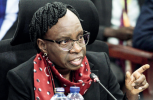
A fresh audit by Nancy Gathungu has exposed significant weaknesses in the multi-billion-shilling medical insurance scheme serving teachers across the country, raising concerns over transparency, access, and long-term sustainability.
The report reveals that the Teachers Service Commission (TSC), which oversees the Sh53 billion scheme, failed to provide key actuarial reports to justify the structure and cost of the cover. This omission casts doubt on whether the scheme is financially sound or capable of meeting the healthcare needs of teachers and their dependents.
Among the most pressing concerns is limited access to healthcare facilities. The audit found that several public hospitals were excluded from the scheme without clear justification, forcing many teachers to seek services in private facilities or pay out-of-pocket despite being insured. In addition, bureaucratic requirements such as pre-authorisation for treatment have led to delays, putting patients at risk, especially in emergency situations.
The report further highlights financial strain within the scheme, including growing deficits and delayed payments to healthcare providers. This has sparked fears that some hospitals may withdraw services, leaving thousands of teachers vulnerable.
With over 400,000 teachers relying on the cover, the findings paint a troubling picture of a system struggling to deliver on its promise. Teachers have increasingly reported cases of denied treatment and unexpected medical bills, eroding confidence in the scheme.
The audit now places pressure on TSC to urgently address the gaps, improve accountability, and ensure that teachers can access timely and reliable healthcare. Without swift reforms, the crisis could deepen, with far-reaching implications not only for teachers’ welfare but also for the broader education sector.