
Sky Eclat
JF-Expert Member
- Oct 17, 2012
- 57,761
- 216,011
Tsunade Sama, studied at Postgraduate Education
Answered Dec 3, 2014 · Author has 117 answers and 97.3k answer views
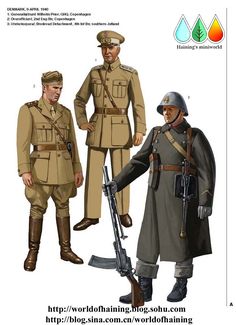
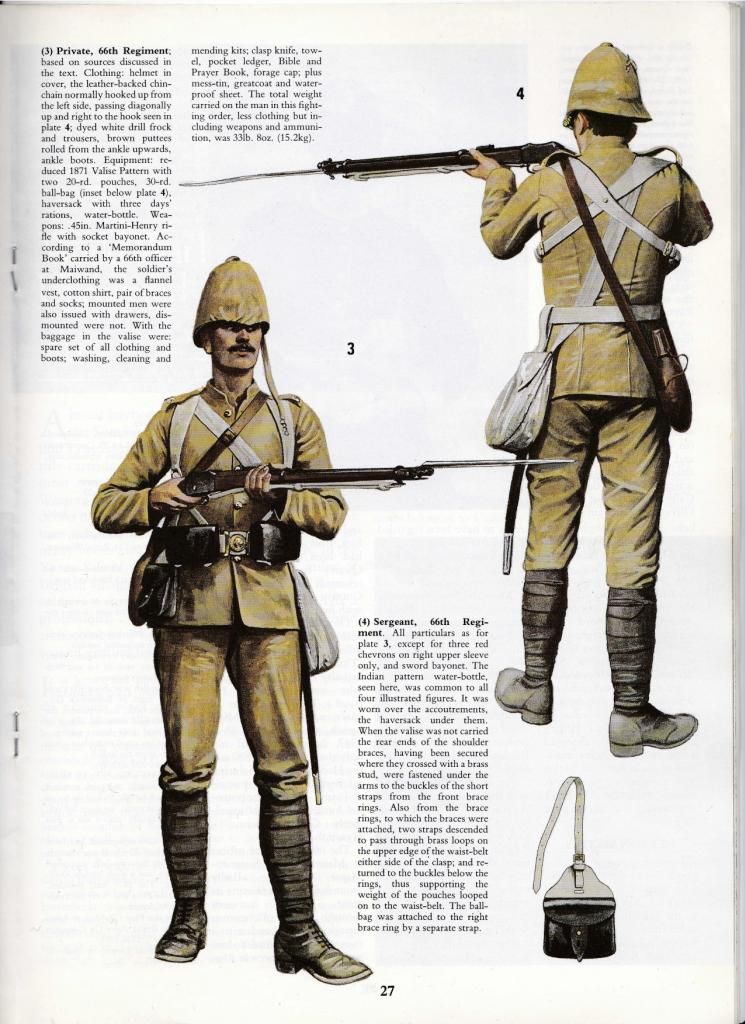
Colour pattern and size of chevron may vary according to the different rules of several distinct Indian State Police Service. In the mid-1800s, British soldiers in India began dyeing their white uniforms a dusty colour, using anything from muddy water to tea (camellia sinensis). Cutch (the same as the astringent catechu) was a reliable dye already in use for calico-prints in India's cotton fabric industry. The dye created the colour khak, an Indian word for dust, earth, and ashes. In 1847, Sir Harry Burnett Lumsden brought in the first official khaki uniform.
Rangi na ukubwa na alama vinaweza kutofautiana kutokana na sehemu ya utawala, hii ilianzia kwa Police wa Serikali ya India. Katikati ya mwaka 1800, askari wa Uingereza walianza kubadilisha uniform zao nyeupe kuwa katika rangi ya vumbi, walitumia maji yenye udongo au chai (camellia sinesis). Cutch (hii ni sawa na astringent catechu) ilikuwa rangi iliyotumiwa kwenye calico prints katika pamba ya India kwenye viwanda vya nguo. Rangi hii ilileta rangi ya khak, neon hili linamaandisha vumbi. Mnamo mwaka 1847, Bwana Harry Burnett Lumsden alileta sare ya kwanza ya khaki.

Courtesy of OSPA
By David Nickol
(Provincial Administration, Tanganyika 1946-61)
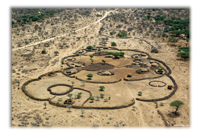
Masai Boma
In 1947 I was a junior DO in Moshi district, Tanganyika, which comprised mainly Mt Kilimanjaro, home of the Chagga people, but also bordered part of Masailand that lies in Kenya. A messenger came to my house with a note in the proverbial forked stick from the sub-chiefdom of Usseri, in the Rombo division, telling me that they had killed a Masai herd boy for grazing over their ulezi (finger millet) near the border. They expected trouble. I asked Holman, the Senior Superintendent of Police, to come with me at once but he said he had booked a game of golf and would not be free until the next day!
When he and I got there the next day there was panic and people were racing towards the Masai border armed with everything from shot-guns to the kitchen knife. Near the border they told me not to go an inch further and I could see a line of Masai moran out on the grassy plain. Already there had been clashes with three Chagga dead and 12 Masai wounded.
I drove to a point on the track level with the Masai, told Holman and his six askari not to fire without my order, and walked out to confront the advancing ‘army’, Holman calling “Come back, you fool!”. I held up the office file on the area which I had brought with me, and shouted ‘stop!’, and they did and surrounded me with so many spears before my face that I was dazzled. They did not speak Swahili but to my surprise a man came forth in an army great-coat and spoke English. He said the Chagga had seized 240 head of cattle as well as killing the herd boy. I took two Masai back with me in the Police truck to Usseri and told the Mangi, the Chagga chief, that he should round up the stolen Masai cattle. To verify the number I went down to the Masai boma in the evening and confirmed their story in that there was enough dung there for about 240 animals, but there were only 60 young calves.
I stayed three weeks sorting it out, recovered all the Masai cattle I could, not more than about 50, and ordered the Chagga to bring their stock to make the number up to 300. On the final day the Masai were allowed to take 240 head and drive them back over the border and I provided a Police and local messenger escort.
Finally, the DC from Kajiado (Kenya) came and so did my DC, Dick Bone, and they held a baraza including the Masai Laigwonon, Kerringol, and it lasted until after dark in the headlights of a Landrover. That evening I was the guest of DC Kajiado at Laitokitok and he took blankets for me from the duka (local shop) and there was also with him a Game Ranger called Hunter who wrote a book called Hunter. He was blotting lion which were taking Masai stock. DC Kajiado was far more complimentary to/about me than my own DC, Dick Bone, who was a true blue civil servant and not a safari man at all.
The battle of Usseri went down in Masai folk lore as I found out many years later. The Masai moran were almost naked, spears, shields and with red ochre and feathers in their hair. They shone with oil in the midday sun and it was a picture I will never forget. If only I had a camera! I was wearing khaki uniform with my KAR war ribbon campaign medals and in my hat a brass Tanganyika Government badge which shone as did my buttons. I am sure this saved my life as one moran, foaming at the mouth, had to be held down by his fellows as he may have started to spear me. On the way to Usseri court house the two Masai I took with me insisted I came in the back of the open Landrover with them and they clasped me in a hug as a human shield and their oily bodies marked my uniform somewhat!
What a day. Nowadays it would have been on BBC Television as it was almost an international incident
Answered Dec 3, 2014 · Author has 117 answers and 97.3k answer views
Colour pattern and size of chevron may vary according to the different rules of several distinct Indian State Police Service. In the mid-1800s, British soldiers in India began dyeing their white uniforms a dusty colour, using anything from muddy water to tea (camellia sinensis). Cutch (the same as the astringent catechu) was a reliable dye already in use for calico-prints in India's cotton fabric industry. The dye created the colour khak, an Indian word for dust, earth, and ashes. In 1847, Sir Harry Burnett Lumsden brought in the first official khaki uniform.
Rangi na ukubwa na alama vinaweza kutofautiana kutokana na sehemu ya utawala, hii ilianzia kwa Police wa Serikali ya India. Katikati ya mwaka 1800, askari wa Uingereza walianza kubadilisha uniform zao nyeupe kuwa katika rangi ya vumbi, walitumia maji yenye udongo au chai (camellia sinesis). Cutch (hii ni sawa na astringent catechu) ilikuwa rangi iliyotumiwa kwenye calico prints katika pamba ya India kwenye viwanda vya nguo. Rangi hii ilileta rangi ya khak, neon hili linamaandisha vumbi. Mnamo mwaka 1847, Bwana Harry Burnett Lumsden alileta sare ya kwanza ya khaki.
Courtesy of OSPA
By David Nickol
(Provincial Administration, Tanganyika 1946-61)
Masai Boma
In 1947 I was a junior DO in Moshi district, Tanganyika, which comprised mainly Mt Kilimanjaro, home of the Chagga people, but also bordered part of Masailand that lies in Kenya. A messenger came to my house with a note in the proverbial forked stick from the sub-chiefdom of Usseri, in the Rombo division, telling me that they had killed a Masai herd boy for grazing over their ulezi (finger millet) near the border. They expected trouble. I asked Holman, the Senior Superintendent of Police, to come with me at once but he said he had booked a game of golf and would not be free until the next day!
When he and I got there the next day there was panic and people were racing towards the Masai border armed with everything from shot-guns to the kitchen knife. Near the border they told me not to go an inch further and I could see a line of Masai moran out on the grassy plain. Already there had been clashes with three Chagga dead and 12 Masai wounded.
I drove to a point on the track level with the Masai, told Holman and his six askari not to fire without my order, and walked out to confront the advancing ‘army’, Holman calling “Come back, you fool!”. I held up the office file on the area which I had brought with me, and shouted ‘stop!’, and they did and surrounded me with so many spears before my face that I was dazzled. They did not speak Swahili but to my surprise a man came forth in an army great-coat and spoke English. He said the Chagga had seized 240 head of cattle as well as killing the herd boy. I took two Masai back with me in the Police truck to Usseri and told the Mangi, the Chagga chief, that he should round up the stolen Masai cattle. To verify the number I went down to the Masai boma in the evening and confirmed their story in that there was enough dung there for about 240 animals, but there were only 60 young calves.
I stayed three weeks sorting it out, recovered all the Masai cattle I could, not more than about 50, and ordered the Chagga to bring their stock to make the number up to 300. On the final day the Masai were allowed to take 240 head and drive them back over the border and I provided a Police and local messenger escort.
Finally, the DC from Kajiado (Kenya) came and so did my DC, Dick Bone, and they held a baraza including the Masai Laigwonon, Kerringol, and it lasted until after dark in the headlights of a Landrover. That evening I was the guest of DC Kajiado at Laitokitok and he took blankets for me from the duka (local shop) and there was also with him a Game Ranger called Hunter who wrote a book called Hunter. He was blotting lion which were taking Masai stock. DC Kajiado was far more complimentary to/about me than my own DC, Dick Bone, who was a true blue civil servant and not a safari man at all.
The battle of Usseri went down in Masai folk lore as I found out many years later. The Masai moran were almost naked, spears, shields and with red ochre and feathers in their hair. They shone with oil in the midday sun and it was a picture I will never forget. If only I had a camera! I was wearing khaki uniform with my KAR war ribbon campaign medals and in my hat a brass Tanganyika Government badge which shone as did my buttons. I am sure this saved my life as one moran, foaming at the mouth, had to be held down by his fellows as he may have started to spear me. On the way to Usseri court house the two Masai I took with me insisted I came in the back of the open Landrover with them and they clasped me in a hug as a human shield and their oily bodies marked my uniform somewhat!
What a day. Nowadays it would have been on BBC Television as it was almost an international incident

