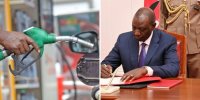
Kenya has formally applied for an emergency loan from the World Bank as it seeks to cushion its economy from the ripple effects of the ongoing Middle East conflict. The war, particularly tensions involving Iran, has disrupted global oil supply chains, triggering a sharp rise in fuel prices worldwide.
According to Central Bank Governor Kamau Thugge, the government has requested “significant” rapid financial support under the World Bank’s emergency financing framework. While the exact amount has not been disclosed, the funds are expected to be disbursed quickly to stabilise fuel supply and prevent further increases in pump prices.
Kenya, which heavily relies on imported petroleum products, is particularly vulnerable to global energy shocks. The rising cost of fuel has already begun to strain households and businesses, with fears of increased inflation and a higher cost of living.
The emergency loan will also complement ongoing negotiations between Kenya and the World Bank on broader budgetary support programmes. Government officials say the move is part of wider efforts to shield citizens from economic shocks while maintaining stability in key sectors.
As global uncertainty persists, Kenya’s appeal highlights the growing pressure on developing economies to secure financial buffers against external crises.