Kumbukumbu za ulimwengu (World Archives)

Kumbukumbu za ulimwengu (World Archives)

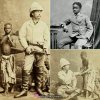
The boy pictured below was called Kalulu, a 12 year old enslaved African boy who drowned in Livingstone Falls in the Congo while working as a porter for British explorer, Sir Henry Morton Stanley, who also appears in one of the photos.

He was sold to Stanley by an Arab merchant in Zanzibar. His real name was Ndugu Mhali,but because Stanley didn't like the name he christened him Kalulu.

Between 1872 to 1873, Kalulu accompanied Stanley around Europe and America, and during that time posed for a wax model which was later installed at Madame Tussaud’s museum in London .

Stanley briefly enrolled him at a school in Wandsworth, South West London, where the headmaster later noted that he was " clever and progressing in English."

After the death of Dr David Livingstone in Zambia in 1874 , Stanley who was keen to carry on with Livingstone's exploration work, withdrew Kalulu from school and the two returned to Africa.

In 1877, Stanley while using Kalulu as his servant, embarked on an expedition in the Congo to find the Source of river Nile.

Unfortunately during this trip Kalulu died in a tragic accident after his canoe plunged hundreds of feet down a water fall on the Congo River. The waterfall was later named 'Kalulu Falls' in his honour.
 

Attachments

  • FB_IMG_1712908405073.jpg
    FB_IMG_1712908405073.jpg
    68.4 KB · Views: 28
.
 

Attachments

  • FB_IMG_1712911803822.jpg
    FB_IMG_1712911803822.jpg
    97.9 KB · Views: 26
.
WHO IS THIS GUY, MUNGO PARK?

Mungo Park (11 September 1771 – 1806) was a Scottish explorer of West Africa. After an exploration of the upper Niger River around 1796, he wrote a popular and influential travel book titled Travels in the Interior Districts of Africa in which he theorized the Niger and Congo merged to become the same river, though it was later proven that they are different rivers.

He was killed during a second expedition, having successfully travelled about two-thirds of the way down the Niger.

He didn’t discover the River Niger rather the River has been in existence for centuries.
 
.
WHO IS THIS GUY, MUNGO PARK?

Mungo Park (11 September 1771 – 1806) was a Scottish explorer of West Africa. After an exploration of the upper Niger River around 1796, he wrote a popular and influential travel book titled Travels in the Interior Districts of Africa in which he theorized the Niger and Congo merged to become the same river, though it was later proven that they are different rivers.

He was killed during a second expedition, having successfully travelled about two-thirds of the way down the Niger.

He didn’t discover the River Niger rather the River has been in existence for centuries.
 
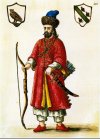
Marco Polo alizaliwa mwaka 1254 na alikufa 1324 alikuwa mfanyabiashara, mvumbuzi, na msafiri wa Kiveneti ambaye alisafiri sana kote bara la Asia katika karne ya 13. Anajulikana sana kwa safari zake nchini China na kitabu chake cha "The Travels of Marco Polo," ambacho kilielezea matukio yake na maajabu aliyokutana nayo.

Marco Polo alizaliwa katika Jamhuri ya Venice nchini italia, ilikuwa milki yenye nguvu ya baharini kaskazini mwa Italia. Baba yake aliitwa, Niccolò Polo, na mjomba wake, Maffeo Polo, walikuwa wafanyabiashara waliofaulu zaidi ambao walikuwa wamefanya biashara na watu wa Mashariki.

Akiwa na umri wa miaka 17, Marco Polo alijiunga na baba yake na mjomba wake kwenye safari ya kibiashara kuelekea Uchina.
Walisafiri kupitia Barabara hatarishi, mtandao huo wa njia za biashara hiyo zilizounganisha Ulaya na Asia. Walifika mpaka kwenye mamlaka ya milki ya Kublai Khan, mtawala wa Mongol, ambaye alivutiwa na ujuzi wao na ustadi wao wa kufanya biashara.

Akina Polo walirudi Uchina na walitumia miaka 17 katika kuhudumiwa na Kublai Khan. Marco Polo alijifunza lugha za wenyeji wao, kuzungumza Kimongolia na Kichina, na akawa mshauri wa kutegemewa wa mfalme Kublai Khan. Alisafiri sana katika Milki ya Mongol, akitembelea china, Tibet, Nepal, India, na Kusini-mashariki mwa Asia.

Akina Polo walirudi Venice baada ya kifo cha Kublai Khan, lakini walifungwa gerezani na Genoese wakati wa vita kati ya Venice na Genoa. Ilikuwa wakati wa kifungo chake kwamba Marco Polo aliandika hadithi zake kwa mfungwa mwenzake, Rustichello da Pisa, ambaye aliziandika katika kitabu kiitwacho "Il Milione" ikiwa inamaana Safari za Marco Polo .

Kitabu cha Marco Polo kiliuzwa zaidi Ulaya, kikihamasisha wengine wengi kuchunguza na kufanya biashara. Hadithi zake za utajiri na maajabu ya Asia zilisaidia kuchochea mawazo ya wavumbuzi kama akina Christopher Columbus na Vasco da Gama.

Leo, Marco Polo anakumbukwa kama mmoja wa wasafiri na wagunduzi wakuu wa wakati wote, na kitabu chake kinasalia kuwa kielelezo cha fasihi ya kusafiria

Dijay Blakitz...

NB: Kwa sasa Jina marco polo linatamba sana sababu ni waundaji wakubwa wa body za mabasi..
 

Attachments

  • FB_IMG_1715017937911.jpg
    FB_IMG_1715017937911.jpg
    65.3 KB · Views: 20
  • FB_IMG_1715017937911.jpg
    FB_IMG_1715017937911.jpg
    65.3 KB · Views: 20
Marco Polo alizaliwa mwaka 1254 na alikufa 1324 alikuwa mfanyabiashara, mvumbuzi, na msafiri wa Kiveneti ambaye alisafiri sana kote bara la Asia katika karne ya 13. Anajulikana sana kwa safari zake nchini China na kitabu chake cha "The Travels of Marco Polo," ambacho kilielezea matukio yake na maajabu aliyokutana nayo.

Marco Polo alizaliwa katika Jamhuri ya Venice nchini italia, ilikuwa milki yenye nguvu ya baharini kaskazini mwa Italia. Baba yake aliitwa, Niccolò Polo, na mjomba wake, Maffeo Polo, walikuwa wafanyabiashara waliofaulu zaidi ambao walikuwa wamefanya biashara na watu wa Mashariki.

Akiwa na umri wa miaka 17, Marco Polo alijiunga na baba yake na mjomba wake kwenye safari ya kibiashara kuelekea Uchina.
Walisafiri kupitia Barabara hatarishi, mtandao huo wa njia za biashara hiyo zilizounganisha Ulaya na Asia. Walifika mpaka kwenye mamlaka ya milki ya Kublai Khan, mtawala wa Mongol, ambaye alivutiwa na ujuzi wao na ustadi wao wa kufanya biashara.

Akina Polo walirudi Uchina na walitumia miaka 17 katika kuhudumiwa na Kublai Khan. Marco Polo alijifunza lugha za wenyeji wao, kuzungumza Kimongolia na Kichina, na akawa mshauri wa kutegemewa wa mfalme Kublai Khan. Alisafiri sana katika Milki ya Mongol, akitembelea china, Tibet, Nepal, India, na Kusini-mashariki mwa Asia.

Akina Polo walirudi Venice baada ya kifo cha Kublai Khan, lakini walifungwa gerezani na Genoese wakati wa vita kati ya Venice na Genoa. Ilikuwa wakati wa kifungo chake kwamba Marco Polo aliandika hadithi zake kwa mfungwa mwenzake, Rustichello da Pisa, ambaye aliziandika katika kitabu kiitwacho "Il Milione" ikiwa inamaana Safari za Marco Polo .

Kitabu cha Marco Polo kiliuzwa zaidi Ulaya, kikihamasisha wengine wengi kuchunguza na kufanya biashara. Hadithi zake za utajiri na maajabu ya Asia zilisaidia kuchochea mawazo ya wavumbuzi kama akina Christopher Columbus na Vasco da Gama.

Leo, Marco Polo anakumbukwa kama mmoja wa wasafiri na wagunduzi wakuu wa wakati wote, na kitabu chake kinasalia kuwa kielelezo cha fasihi ya kusafiria

Dijay Blakitz...

NB: Kwa sasa Jina marco polo linatamba sana sababu ni waundaji wakubwa wa body za mabasi..
 
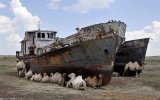
The Desert of Ghost Ships
Only 30 years ago, this was home to our planet’s 4th largest inland water mass; an ancient sea so vast, even Alexander the Great wrote of his struggles to cross it; where fishing commerce boomed and holidaymakers once flocked to its seaside spa town.
Now, for the first time in 600 years, the Aral Sea is (almost) bone dry, and the fleet of giant, rusted ships left in its wake have become some of the only proof of the past.
The Aral Sea is (or was) so large, it spreads over two Eurasian countries that now straddle its dusty remains: Uzbekistan and Kazakhstan
 

Attachments

  • FB_IMG_1716641432862.jpg
    FB_IMG_1716641432862.jpg
    42.2 KB · Views: 21
The Desert of Ghost Ships
Only 30 years ago, this was home to our planet’s 4th largest inland water mass; an ancient sea so vast, even Alexander the Great wrote of his struggles to cross it; where fishing commerce boomed and holidaymakers once flocked to its seaside spa town.
Now, for the first time in 600 years, the Aral Sea is (almost) bone dry, and the fleet of giant, rusted ships left in its wake have become some of the only proof of the past.
The Aral Sea is (or was) so large, it spreads over two Eurasian countries that now straddle its dusty remains: Uzbekistan and Kazakhstan
 
Oceanic, the predecessor of #Titanic, was built in 1899. Until 1901, it held the title of the largest ship in the world. The vessel was constructed for the White Star Line and embarked on its maiden voyage in the same year.

During the late 1800s, maritime technology advanced rapidly, leading White Star Line's competitors, Norddeutscher Lloyd and Cunard Line, to introduce state-of-the-art ships. To keep up with the competition, White Star Line needed to produce its own flagship capable of rivaling them.

Following a strategy of prioritizing luxury over speed, Oceanic was built in Belfast and had a capacity for 1,710 passengers, including 410 in First Class, 300 in Second Class, and 1,000 in Third Class, along with 349 crew members. The ship was launched on January 14, 1899, with an audience of over 50,000 spectators. It would become the largest and final British liner launched in the 19th century.

When World War I broke out in 1914, Oceanic was commissioned into Royal Navy service on August 8th of that year as an armed merchant cruiser. In the same year, it set sail from Southampton to patrol the waters from the North Scottish mainland to the Faroes, specifically the area around Shetland. However, Oceanic ran aground and was wrecked off the island of Foula, Shetland in September 1914
 
Oceanic, the predecessor of #Titanic, was built in 1899. Until 1901, it held the title of the largest ship in the world. The vessel was constructed for the White Star Line and embarked on its maiden voyage in the same year.

During the late 1800s, maritime technology advanced rapidly, leading White Star Line's competitors, Norddeutscher Lloyd and Cunard Line, to introduce state-of-the-art ships. To keep up with the competition, White Star Line needed to produce its own flagship capable of rivaling them.

Following a strategy of prioritizing luxury over speed, Oceanic was built in Belfast and had a capacity for 1,710 passengers, including 410 in First Class, 300 in Second Class, and 1,000 in Third Class, along with 349 crew members. The ship was launched on January 14, 1899, with an audience of over 50,000 spectators. It would become the largest and final British liner launched in the 19th century.

When World War I broke out in 1914, Oceanic was commissioned into Royal Navy service on August 8th of that year as an armed merchant cruiser. In the same year, it set sail from Southampton to patrol the waters from the North Scottish mainland to the Faroes, specifically the area around Shetland. However, Oceanic ran aground and was wrecked off the island of Foula, Shetland in September 1914
 
Back
Top Bottom