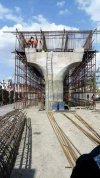
Morogoro road highway expansion project back to class (Axial road design)

Morogoro road highway expansion project back to class (Axial road design)

Kijana,,,Huku ndipo Lecturer wako amekwambia ukusanye assignment yako ya ROAD DESIGN...?

Halafu itakuwa u mwanafunzi wa MUST,,Partaking "CIVIL AND HIGH WAY ENGINEERING "
 
By expert.
BRIDGE
A bridge is a structure built to span physical obstacles such as a body of water, valley, or road, and it typically consists of several key components. Here are the main components of a bridge:

## 1. Deck
- Description: The surface of the bridge that carries the traffic (vehicles, pedestrians, trains, etc.). The deck is usually made of concrete, steel, or wood.
- Function: Provides a stable surface for the movement of traffic.

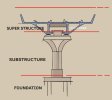
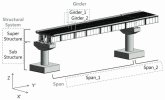
## 2. Superstructure
- Description: The part of the bridge that supports the deck and includes components like girders, beams, trusses, or arches.
- Function: Transfers the load from the deck to the substructure.

## 3. Substructure
- Description: The part of the bridge that supports the superstructure and transfers loads to the foundation.
- Components:
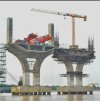
- Piers: Vertical supports between the ends of a bridge span.
- Abutments: Structures at the ends of the bridge that support the deck and connect it to the ground.
- Function: Provides stability to the bridge by anchoring it to the ground.

## 4. Foundation
- Description: The base of the bridge that is anchored deep into the ground to support the entire structure.
- Types:
- Shallow Foundations: Used when the soil near the surface is strong enough to support the bridge.
- Deep Foundations (Piles): Used when the surface soil is weak, requiring deeper anchorage.
- Function: Transfers the loads from the bridge to the ground.

## 5. Bearings
- Description: Devices placed between the superstructure and the substructure.
- Types: Elastomeric, sliding, or roller bearings.
- Function: Allow controlled movement of the bridge (due to expansion, contraction, or loads) while reducing stresses on the bridge components.

## 6. Expansion Joints
- Description: Gaps placed in the bridge deck to allow for thermal expansion and contraction.
- Function: Prevents damage to the bridge due to temperature changes or other movements.

## 7. Parapets/Railings
- Description: Safety barriers installed along the edges of the bridge deck.
- Function: Protects vehicles and pedestrians from falling off the bridge.

## 8. Approach Slab
- Description: The transition section between the roadway and the bridge deck.
- Function: Provides a smooth transition onto the bridge and reduces settlement problems at the ends of the bridge.

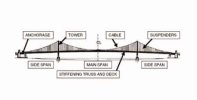
## 9. Cables (in cable-stayed or suspension bridges)
- Description: High-strength steel cables used to support the deck in cable-stayed or suspension bridges.
- Function: Distribute the weight of the deck and transfer it to the towers or pylons.

## 10. Towers or Pylons (in cable-stayed or suspension bridges)
- Description: Tall vertical structures that support the cables in cable-stayed or suspension bridges.
- Function: Provide height and support to the cables, allowing the bridge to span large distances.

These components work together to ensure the bridge is stable, durable, and safe for use.
 

Attachments

  • FB_IMG_1725070809998.jpg
    FB_IMG_1725070809998.jpg
    25.8 KB · Views: 2
  • FB_IMG_1725070813041.jpg
    FB_IMG_1725070813041.jpg
    28.5 KB · Views: 2
  • FB_IMG_1725070815464.jpg
    FB_IMG_1725070815464.jpg
    7.5 KB · Views: 2
  • FB_IMG_1725070818455.jpg
    FB_IMG_1725070818455.jpg
    26.6 KB · Views: 2
  • FB_IMG_1725070821008.jpg
    FB_IMG_1725070821008.jpg
    20.9 KB · Views: 2
  • FB_IMG_1725070824736.jpg
    FB_IMG_1725070824736.jpg
    91.2 KB · Views: 2
  • FB_IMG_1725071734268.jpg
    FB_IMG_1725071734268.jpg
    42.9 KB · Views: 2
  • FB_IMG_1725071742358.jpg
    FB_IMG_1725071742358.jpg
    26 KB · Views: 2
  • FB_IMG_1725071739545.jpg
    FB_IMG_1725071739545.jpg
    36.4 KB · Views: 2
  • FB_IMG_1725071737009.jpg
    FB_IMG_1725071737009.jpg
    77.8 KB · Views: 2
  • FB_IMG_1725071745899.jpg
    FB_IMG_1725071745899.jpg
    23.5 KB · Views: 2
By expert.
BRIDGE
A bridge is a structure built to span physical obstacles such as a body of water, valley, or road, and it typically consists of several key components. Here are the main components of a bridge:

## 1. Deck
- Description: The surface of the bridge that carries the traffic (vehicles, pedestrians, trains, etc.). The deck is usually made of concrete, steel, or wood.
- Function: Provides a stable surface for the movement of traffic.

## 2. Superstructure
- Description: The part of the bridge that supports the deck and includes components like girders, beams, trusses, or arches.
- Function: Transfers the load from the deck to the substructure.

## 3. Substructure
- Description: The part of the bridge that supports the superstructure and transfers loads to the foundation.
- Components:
- Piers: Vertical supports between the ends of a bridge span.
- Abutments: Structures at the ends of the bridge that support the deck and connect it to the ground.
- Function: Provides stability to the bridge by anchoring it to the ground.

## 4. Foundation
- Description: The base of the bridge that is anchored deep into the ground to support the entire structure.
- Types:
- Shallow Foundations: Used when the soil near the surface is strong enough to support the bridge.
- Deep Foundations (Piles): Used when the surface soil is weak, requiring deeper anchorage.
- Function: Transfers the loads from the bridge to the ground.

## 5. Bearings
- Description: Devices placed between the superstructure and the substructure.
- Types: Elastomeric, sliding, or roller bearings.
- Function: Allow controlled movement of the bridge (due to expansion, contraction, or loads) while reducing stresses on the bridge components.

## 6. Expansion Joints
- Description: Gaps placed in the bridge deck to allow for thermal expansion and contraction.
- Function: Prevents damage to the bridge due to temperature changes or other movements.

## 7. Parapets/Railings
- Description: Safety barriers installed along the edges of the bridge deck.
- Function: Protects vehicles and pedestrians from falling off the bridge.

## 8. Approach Slab
- Description: The transition section between the roadway and the bridge deck.
- Function: Provides a smooth transition onto the bridge and reduces settlement problems at the ends of the bridge.

## 9. Cables (in cable-stayed or suspension bridges)
- Description: High-strength steel cables used to support the deck in cable-stayed or suspension bridges.
- Function: Distribute the weight of the deck and transfer it to the towers or pylons.

## 10. Towers or Pylons (in cable-stayed or suspension bridges)
- Description: Tall vertical structures that support the cables in cable-stayed or suspension bridges.
- Function: Provide height and support to the cables, allowing the bridge to span large distances.

These components work together to ensure the bridge is stable, durable, and safe for use.
Aya mwanetu Wazazi tushajua upo chuo...na haujaenda club kula bata...
 
8.9.2024. by expert .
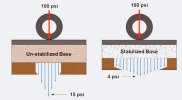
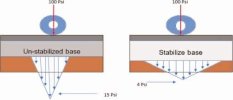
Why is the stabilised subbase improve strength?

The strength improvement of a stabilized sub-base refers to the enhanced load-bearing capacity and mechanical performance of the sub-base layer after the stabilization process. This improvement is crucial for the overall durability and functionality of a pavement structure. Here are key aspects of strength improvement in a stabilized sub-base:

1. Increased Compressive and Tensile Strength: Stabilizing agents like cement, lime, or bitumen increase both compressive and tensile strength of the sub-base material, allowing it to resist deformation under heavy loads.

2. Enhanced Load Distribution: A stabilized sub-base distributes traffic loads more efficiently to the underlying layers, reducing stress on the subgrade and extending the pavement's lifespan.

3. Reduction in Deformation: Stabilization reduces the potential for rutting, cracking, and other deformations under repeated traffic loads. This provides a more stable foundation for the pavement.

4. Improved Bearing Capacity: The stabilized sub-base provides a higher California Bearing Ratio (CBR) or Resilient Modulus, indicating that the material can better withstand the stresses applied to it.

5. Resistance to Environmental Factors: Stabilized sub-base materials are more resistant to water infiltration, freeze-thaw cycles, and temperature variations, which can weaken untreated sub-base layers.

6. Long-term Durability: By enhancing the material's strength, stabilization reduces the likelihood of early failure or maintenance, making the pavement more durable over its service life.

The extent of strength improvement depends on the type of stabilization agent used, the material composition of the sub-base, and the method of application.
 

Attachments

  • FB_IMG_1725766392504.jpg
    FB_IMG_1725766392504.jpg
    54.3 KB · Views: 2
  • FB_IMG_1725766395279.jpg
    FB_IMG_1725766395279.jpg
    19.5 KB · Views: 2
  • FB_IMG_1725766398523.jpg
    FB_IMG_1725766398523.jpg
    8.2 KB · Views: 2
Back
Top Bottom