
MK254
JF-Expert Member
- May 11, 2013
- 33,575
- 53,613
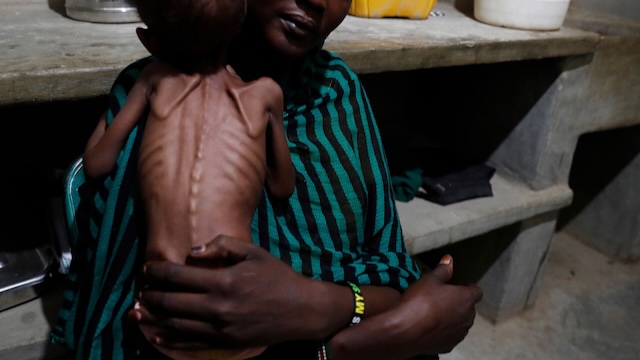
Haya mapicha yanasikitisha, hapa kuna link kwa yeyote mwenye uwezo wa kutoa misaada abofye akasaidie, hali ni mbaya, hadi nimekosa hata hamu ya kula....
 secure.avaaz.org

Not unreasonably, Mariam Abdelghaffa had imagined her life as a grandmother would be somewhat different. As it was, on the morning of 11 August, she found herself bent double in a trench, awaiting the next onslaught.
It arrived after dawn. She aimed her ancient AK-47 at the pickup trucks racing towards her. Rockets screeched overhead. Suicide drones the size of light aircraft loomed above. Shells rained down.
A nearby row of mud-brick homes vanished. The blasts came closer. Too close. Abdelghaffa was blown backwards. Her neck was wet with blood.
The mother of five was carried from the frontline: El Fasher’s ambulances had run out of fuel months earlier. Someone pressed a rag on the 75-year-old’s neck. Bandages, too, were exhausted. There was no medicine either.
“We couldn’t lose Mariam. She was our oldest fighter,” says Fatima Ali.
Across the city, Sāra Bakhit crouched beside artillery near the disused airport. She ordered suppressive fire to prevent the paramilitary Rapid Support Forces (RSF) overwhelming Abdelghaffa’s position.

 www.theguardian.com
Sudan Emergency Appeal
Community-run kitchens and clinics have become a lifeline for countless families escaping extreme violence and famine in Sudan. But with little support from governments or aid agencies, they are running out of supplies, and many have been forced to close. This is an emergency appeal for donations.
secure.avaaz.org
‘We will never, ever escape’: inside the ever-tightening siege of the Sudanese city of El Fasher
For 500 days, 260,000 people have been trapped by the paramilitary RSF. While political progress stalls, those who attempt escape are killed and those who remain inside are starving. Experts believe the city will soon fall and the endgame has begunNot unreasonably, Mariam Abdelghaffa had imagined her life as a grandmother would be somewhat different. As it was, on the morning of 11 August, she found herself bent double in a trench, awaiting the next onslaught.
It arrived after dawn. She aimed her ancient AK-47 at the pickup trucks racing towards her. Rockets screeched overhead. Suicide drones the size of light aircraft loomed above. Shells rained down.
A nearby row of mud-brick homes vanished. The blasts came closer. Too close. Abdelghaffa was blown backwards. Her neck was wet with blood.
The mother of five was carried from the frontline: El Fasher’s ambulances had run out of fuel months earlier. Someone pressed a rag on the 75-year-old’s neck. Bandages, too, were exhausted. There was no medicine either.
“We couldn’t lose Mariam. She was our oldest fighter,” says Fatima Ali.
Across the city, Sāra Bakhit crouched beside artillery near the disused airport. She ordered suppressive fire to prevent the paramilitary Rapid Support Forces (RSF) overwhelming Abdelghaffa’s position.
‘We will never, ever escape’: inside the ever-tightening siege of the Sudanese city of El Fasher
For 500 days, 260,000 people have been trapped by the paramilitary RSF. While political progress stalls, those who attempt escape are killed and those who remain inside are starving. Experts believe the city will soon fall and the endgame has begun


