
Herbalist Dr MziziMkavu
JF-Expert Member
- Feb 3, 2009
- 42,872
- 34,363
As researchers continue to wage war against cancer, many have begun to focus on what could be the most promising ammunition to date: diet.
The easiest, least-expensive way to reduce your risk for cancer is just by eating a healthy diet, says Rachael Stolzenberg-Solomon, PhD, MPH, RD, a researcher at the National Cancer Institute.
When it comes to a diet rich in cancer-fighting substances, most experts agree that it should consist of a predominantly plant-based diet. If you have two-thirds of plant food on your plate, that seems to be enough to avoid excessive amounts of food high in saturated fat, says Karen Collins, RD, nutritional advisor for the American Institute for Cancer Research.
That seemingly simple advice could mean a drastic change in diet for many people.
People who are thinking that this is like a diet, and are trying to choke this stuff down, its never going to last, Collins tells WebMD. Youre
looking at creating something for a lifetime. If it takes you awhile, but each month or so you enjoy [one more vegetable], then thats great, Collins.
You may want to start with some of the following food substances, all of which show promise as cancer-fighting agents.
Cancer Prevention: What Really Works?

1. Folate-Rich Foods
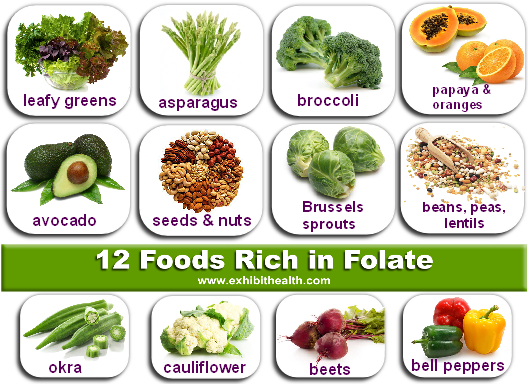
This B-complex vitamin can be found in many good for you foods. Plus, manufacturers of cereals, pastas, and breads often fortify their products with folate.
How It Works: The thought is that when someone has low levels of folate, its more likely for mutations in DNA to occur, Stolzenberg-Solomon says. Conversely, adequate levels of folate protect against such mutations.
Cancer-Fighting Abilities: In a large-scale study, researchers evaluated the effects of folate on more than 27,000 male smokers between ages 50 and 69. Men who consumed at least the recommended daily allowance of folate -- about 400 micrograms -- cut by half their risk of developing pancreatic cancer.
How to Get It: Starting with breakfast, a glass of orange juice is high in folate; so are most cereals (check the box to see how much). For lunch, try a hearty salad with either spinach or romaine leaves. Top it with dried beans or peas for an extra boost.
Snack on a handful of peanuts or an orange. At dinner, choose asparagus or Brussels sprouts as your vegetable.
Low-Fat Diet May Not Cut Cancer Risk
2. Vitamin D
This fat-soluble vitamin which helps absorb calcium to build strong teeth and bones may also build protection against cancer.


How It Works: Researchers suggest that vitamin D curbs the growth of cancerous cells.
Cancer-Fighting Abilities: A report presented at the latest meeting of the American Association for Cancer Research (AACR) showed a link between increased vitamin D intake and reduced breast cancer risk. It found vitamin D to lower the risk of developing breast cancer by up to 50 percent.
Vitamin D may also improve survival rates among lung cancer patients, according to a Harvard study reported in 2005. Patients who received surgery for lung cancer in the summer, when vitamin D exposure from sunshine is greatest, and had the highest intake of vitamin D, reported a 56 percent five-year survival rate. Patients with low vitamin D intakes and winter surgeries had only a 23 percent survival rate.
How to Get It: In light of these recent findings, many researchers consider the current RDA of 400 international units (IU) too low. William G. Nelson, MD, PhD, of Johns Hopkins University in Baltimore, Md., suggests that the RDA recommendations for vitamin D be increased to 1,000 IU for both men and women.
Higher amounts may eventually prove better, but for now that amount is likely to be safe and have a protective effect, he tells WebMD.
While vitamin D is often associated with milk, high concentrations also can be found in these seafood choices: cod, shrimp, and Chinook salmon. Eggs are another good source. And dont forget sunshine. In just 10 minutes, you can soak up as much as 5,000 IU of vitamin D if you expose 40 percent of your body to the sun, without sunscreen.
3. Tea
If you enjoy sipping tea, youll be happy to know that it appears promising against some forms of cancer.

How It Works: Like many plant-based foods, tea contains flavonoids, known for their antioxidant effects. One flavonoid in particular, kaempferol, has shown protective effects against cancer.
Cancer-Fighting Abilities: A large-scale study evaluating kaempferol intake of more than 66,000 women showed that those who consumed the most of it had the lowest risk of developing ovarian cancer. Researcher Margaret Gates, a doctoral candidate at Harvards School of Public Health, suggests that consuming between 10 milligrams and 12 milligrams daily of kaempferol -- the amount found in four cups of tea --offers protection against ovarian cancer.
A separate study showed a link between consuming flavonoids and reducing the risk of breast cancer. The study, analyzing the lifestyle habits of nearly 3,000 people, showed that postmenopausal women who got the most flavonoids were 46 percent less likely to develop breast cancer than those who got the least. However, flavonoid consumption had no effect on breast cancer risk among premenopausal women.
How to Get It: Hot tea can be warming in the winter; ice tea offers cool refreshment in the summer. So enjoy tea year-round to boost cancer prevention.
4. Cruciferous Vegetables
They may not have been your favorite as a kid, but cruciferous vegetables -- members of the cabbage family that include kale, turnip greens, cabbage, cauliflower, broccoli, and Brussels sprouts -- can help you ward off cancer.

How They Work: In lab experiments, substances released during either cutting or chewing cruciferous vegetables produced a cancer-killing effect.
Cancer-Fighting Abilities: Recent studies on cruciferous vegetables show promising results against prostate and colon cancers. In mice grafted with human prostate tumors and then treated with one of these cancer-killing substances, tumors began to shrink to half their size after 31 days.
In another experiment, mice engineered to be a model for an inherited colon polyp condition that is at high risk for developing into colon cancer were fed the antioxidant called sulforaphane, also released when chewing cruciferous vegetables. The mice developed about half as many polyps as expected.
How to Get Them: Swallowing them whole wont do. The protective effect of cruciferous vegetables seems to occur when they are cut or chewed. Theyre great in stir fry, as side dishes, or tossed into salads raw. Experiment with flavors like lemon or garlic.
Vegetables can be a fabulous-tasting centerpiece of cuisine, says Collins.
How to Keep Your Veggies Vitamin-Packed
5. Curcumin
By sprinkling curcumin into your favorite dishes, you could be adding much more than a little zest to your meal -- you could add years to your life.

How It Works: Experts credit curcumins anti-inflammatory effects for its ability to fight cancer.
Most diseases are caused by chronic inflammation that persists over long periods of time, says Bharat B. Aggarwal, PhD, a biochemist at The University of Texas M. D. Anderson Cancer Center. Recent studies have shown curcumin to interfere with cell-signaling pathways, thereby suppressing the transformation, proliferation, and invasion of cancerous cells.
Cancer-Fighting Abilities: Curcumins protective effects may extend to bladder and gastrointestinal cancers. Some say they dont stop with these types of cancer.
Among all the cancers we and others have examined, no cancer yet has been found which is not affected by curcumin. This is expected, as inflammation is the mediator for most cancer, Aggarwal tells WebMD.
How to Get It: Curcumin flavors lots of popular Indian dishes, as it is the main ingredient in curry powder. It complements rice, chicken, vegetable, and lentils. Some chefs sprinkle the bright, yellow powder into recipes for a burst of color.
6. Ginger: This popular spice, long used to quell nausea, may soon be used to fight cancer, too.

How It Works: Working directly on cancer cells, researchers discovered gingers ability to kill cancer cells in two ways.
In apoptosis, the cancer cells essentially commit suicide without harming surrounding cells. In autophagy, the cells are tricked into digesting themselves, explains J. Rebecca Liu, assistant professor of obstetrics and gynecology at the University of Michigan in Ann Arbor, who has been studying gingers effects on ovarian cancer cells. While this preliminary evidence shows promise, gingers cancer-fighting effects must still be proven in animal and human trials.
Cancer-Fighting Abilities: Armed with ginger, ongoing research is taking aim against the most lethal of gynecological cancers: ovarian cancer.
Most women [with ovarian cancer] develop resistance to conventional chemotherapy drugs, Liu tells WebMD. Because ginger may kill cancer cells in more than one way, researchers are hopeful that patients would not develop resistance to it.
Because gingers effects on cancer havent been tested directly on human subjects, researchers cant yet offer specific dietary recommendations.
We dont know how its metabolized, Liu says. But that neednt stop people from adding ginger to their diet. We know its relatively nontoxic, Liu tells WebMD.
How to Get It: Go beyond the obvious choices, like sipping ginger ale and eating gingerbread cookies. Countless soups, sumptuous marinades, and zesty sauces call for ginger.Six Foods That Fight Cancer | Fox News
The easiest, least-expensive way to reduce your risk for cancer is just by eating a healthy diet, says Rachael Stolzenberg-Solomon, PhD, MPH, RD, a researcher at the National Cancer Institute.
When it comes to a diet rich in cancer-fighting substances, most experts agree that it should consist of a predominantly plant-based diet. If you have two-thirds of plant food on your plate, that seems to be enough to avoid excessive amounts of food high in saturated fat, says Karen Collins, RD, nutritional advisor for the American Institute for Cancer Research.
That seemingly simple advice could mean a drastic change in diet for many people.
People who are thinking that this is like a diet, and are trying to choke this stuff down, its never going to last, Collins tells WebMD. Youre
looking at creating something for a lifetime. If it takes you awhile, but each month or so you enjoy [one more vegetable], then thats great, Collins.
You may want to start with some of the following food substances, all of which show promise as cancer-fighting agents.
Cancer Prevention: What Really Works?
1. Folate-Rich Foods
This B-complex vitamin can be found in many good for you foods. Plus, manufacturers of cereals, pastas, and breads often fortify their products with folate.
How It Works: The thought is that when someone has low levels of folate, its more likely for mutations in DNA to occur, Stolzenberg-Solomon says. Conversely, adequate levels of folate protect against such mutations.
Cancer-Fighting Abilities: In a large-scale study, researchers evaluated the effects of folate on more than 27,000 male smokers between ages 50 and 69. Men who consumed at least the recommended daily allowance of folate -- about 400 micrograms -- cut by half their risk of developing pancreatic cancer.
How to Get It: Starting with breakfast, a glass of orange juice is high in folate; so are most cereals (check the box to see how much). For lunch, try a hearty salad with either spinach or romaine leaves. Top it with dried beans or peas for an extra boost.
Snack on a handful of peanuts or an orange. At dinner, choose asparagus or Brussels sprouts as your vegetable.
Low-Fat Diet May Not Cut Cancer Risk
2. Vitamin D
This fat-soluble vitamin which helps absorb calcium to build strong teeth and bones may also build protection against cancer.
How It Works: Researchers suggest that vitamin D curbs the growth of cancerous cells.
Cancer-Fighting Abilities: A report presented at the latest meeting of the American Association for Cancer Research (AACR) showed a link between increased vitamin D intake and reduced breast cancer risk. It found vitamin D to lower the risk of developing breast cancer by up to 50 percent.
Vitamin D may also improve survival rates among lung cancer patients, according to a Harvard study reported in 2005. Patients who received surgery for lung cancer in the summer, when vitamin D exposure from sunshine is greatest, and had the highest intake of vitamin D, reported a 56 percent five-year survival rate. Patients with low vitamin D intakes and winter surgeries had only a 23 percent survival rate.
How to Get It: In light of these recent findings, many researchers consider the current RDA of 400 international units (IU) too low. William G. Nelson, MD, PhD, of Johns Hopkins University in Baltimore, Md., suggests that the RDA recommendations for vitamin D be increased to 1,000 IU for both men and women.
Higher amounts may eventually prove better, but for now that amount is likely to be safe and have a protective effect, he tells WebMD.
While vitamin D is often associated with milk, high concentrations also can be found in these seafood choices: cod, shrimp, and Chinook salmon. Eggs are another good source. And dont forget sunshine. In just 10 minutes, you can soak up as much as 5,000 IU of vitamin D if you expose 40 percent of your body to the sun, without sunscreen.
3. Tea
If you enjoy sipping tea, youll be happy to know that it appears promising against some forms of cancer.
How It Works: Like many plant-based foods, tea contains flavonoids, known for their antioxidant effects. One flavonoid in particular, kaempferol, has shown protective effects against cancer.
Cancer-Fighting Abilities: A large-scale study evaluating kaempferol intake of more than 66,000 women showed that those who consumed the most of it had the lowest risk of developing ovarian cancer. Researcher Margaret Gates, a doctoral candidate at Harvards School of Public Health, suggests that consuming between 10 milligrams and 12 milligrams daily of kaempferol -- the amount found in four cups of tea --offers protection against ovarian cancer.
A separate study showed a link between consuming flavonoids and reducing the risk of breast cancer. The study, analyzing the lifestyle habits of nearly 3,000 people, showed that postmenopausal women who got the most flavonoids were 46 percent less likely to develop breast cancer than those who got the least. However, flavonoid consumption had no effect on breast cancer risk among premenopausal women.
How to Get It: Hot tea can be warming in the winter; ice tea offers cool refreshment in the summer. So enjoy tea year-round to boost cancer prevention.
4. Cruciferous Vegetables
They may not have been your favorite as a kid, but cruciferous vegetables -- members of the cabbage family that include kale, turnip greens, cabbage, cauliflower, broccoli, and Brussels sprouts -- can help you ward off cancer.
How They Work: In lab experiments, substances released during either cutting or chewing cruciferous vegetables produced a cancer-killing effect.
Cancer-Fighting Abilities: Recent studies on cruciferous vegetables show promising results against prostate and colon cancers. In mice grafted with human prostate tumors and then treated with one of these cancer-killing substances, tumors began to shrink to half their size after 31 days.
In another experiment, mice engineered to be a model for an inherited colon polyp condition that is at high risk for developing into colon cancer were fed the antioxidant called sulforaphane, also released when chewing cruciferous vegetables. The mice developed about half as many polyps as expected.
How to Get Them: Swallowing them whole wont do. The protective effect of cruciferous vegetables seems to occur when they are cut or chewed. Theyre great in stir fry, as side dishes, or tossed into salads raw. Experiment with flavors like lemon or garlic.
Vegetables can be a fabulous-tasting centerpiece of cuisine, says Collins.
How to Keep Your Veggies Vitamin-Packed
5. Curcumin
By sprinkling curcumin into your favorite dishes, you could be adding much more than a little zest to your meal -- you could add years to your life.
How It Works: Experts credit curcumins anti-inflammatory effects for its ability to fight cancer.
Most diseases are caused by chronic inflammation that persists over long periods of time, says Bharat B. Aggarwal, PhD, a biochemist at The University of Texas M. D. Anderson Cancer Center. Recent studies have shown curcumin to interfere with cell-signaling pathways, thereby suppressing the transformation, proliferation, and invasion of cancerous cells.
Cancer-Fighting Abilities: Curcumins protective effects may extend to bladder and gastrointestinal cancers. Some say they dont stop with these types of cancer.
Among all the cancers we and others have examined, no cancer yet has been found which is not affected by curcumin. This is expected, as inflammation is the mediator for most cancer, Aggarwal tells WebMD.
How to Get It: Curcumin flavors lots of popular Indian dishes, as it is the main ingredient in curry powder. It complements rice, chicken, vegetable, and lentils. Some chefs sprinkle the bright, yellow powder into recipes for a burst of color.
6. Ginger: This popular spice, long used to quell nausea, may soon be used to fight cancer, too.
How It Works: Working directly on cancer cells, researchers discovered gingers ability to kill cancer cells in two ways.
In apoptosis, the cancer cells essentially commit suicide without harming surrounding cells. In autophagy, the cells are tricked into digesting themselves, explains J. Rebecca Liu, assistant professor of obstetrics and gynecology at the University of Michigan in Ann Arbor, who has been studying gingers effects on ovarian cancer cells. While this preliminary evidence shows promise, gingers cancer-fighting effects must still be proven in animal and human trials.
Cancer-Fighting Abilities: Armed with ginger, ongoing research is taking aim against the most lethal of gynecological cancers: ovarian cancer.
Most women [with ovarian cancer] develop resistance to conventional chemotherapy drugs, Liu tells WebMD. Because ginger may kill cancer cells in more than one way, researchers are hopeful that patients would not develop resistance to it.
Because gingers effects on cancer havent been tested directly on human subjects, researchers cant yet offer specific dietary recommendations.
We dont know how its metabolized, Liu says. But that neednt stop people from adding ginger to their diet. We know its relatively nontoxic, Liu tells WebMD.
How to Get It: Go beyond the obvious choices, like sipping ginger ale and eating gingerbread cookies. Countless soups, sumptuous marinades, and zesty sauces call for ginger.Six Foods That Fight Cancer | Fox News


