Tanzania photos (Tanzania's wildlife and natural beauty)

Tanzania photos (Tanzania's wildlife and natural beauty)

THE SERENGETI GREAT MIGRATION
Considered the greatest show on Earth - the annual Wildebeest Migration is a clockwise revolution of the Serengeti and Mara River ecosystems with over 2 million migratory animals.

[YOUTUBE]mhAaP8RwLKg&feature=fvst[/YOUTUBE]

NATURE TAKING CARE OF ITSELF
[YOUTUBE]whixkUJbdO8&feature=related[/YOUTUBE]

ON PHOTOS
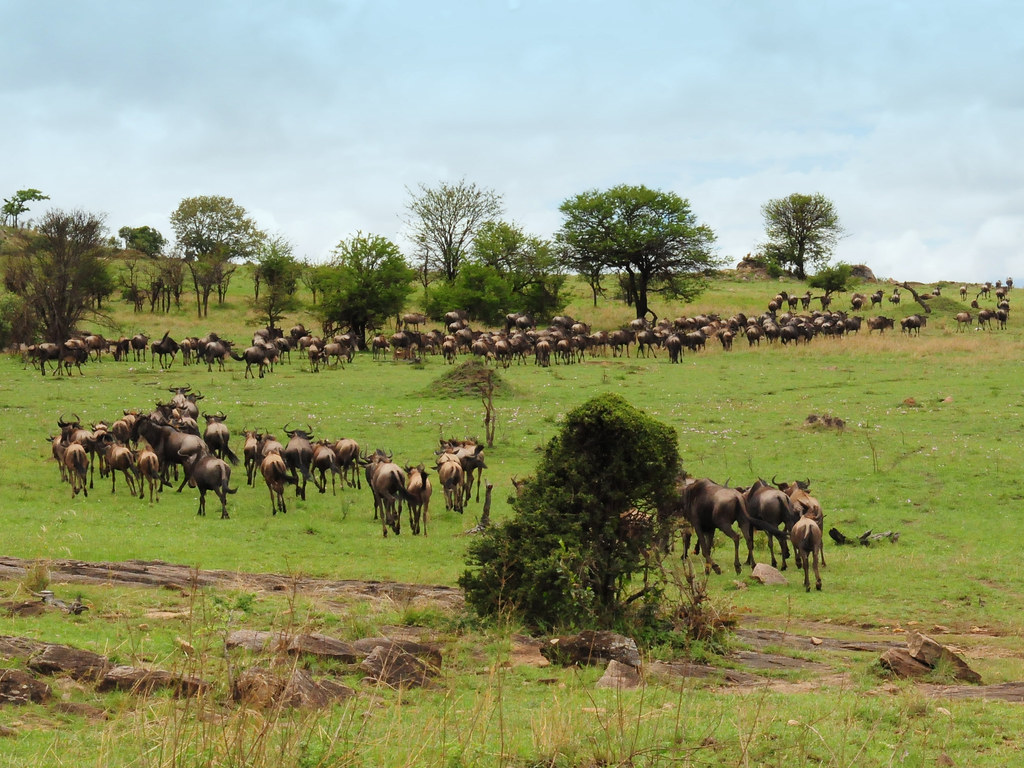
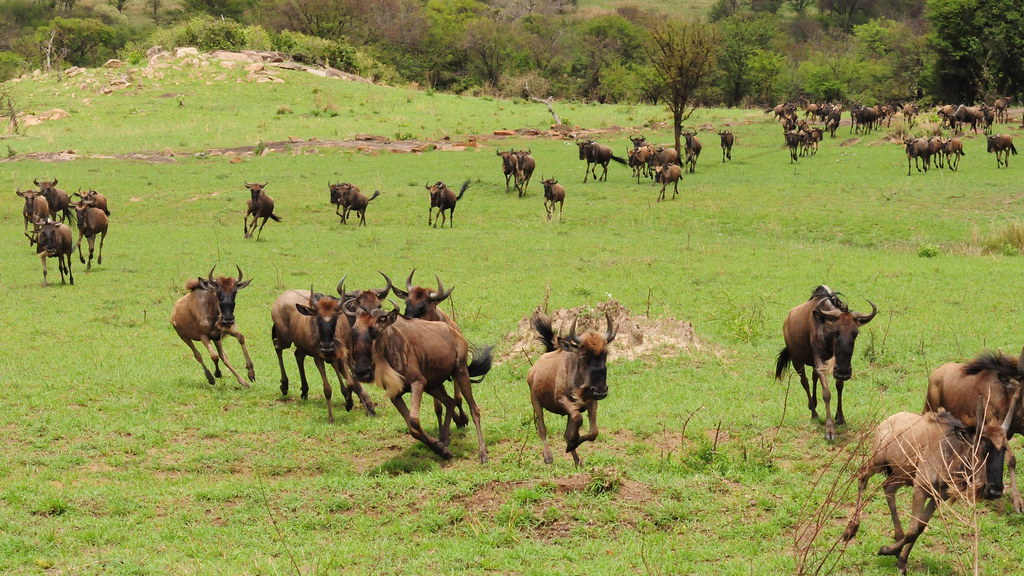
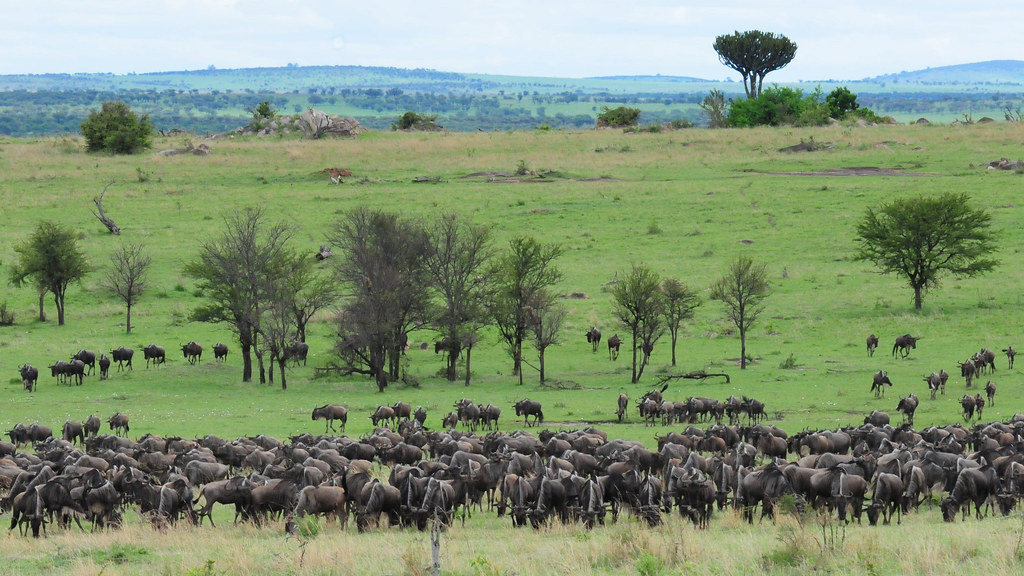
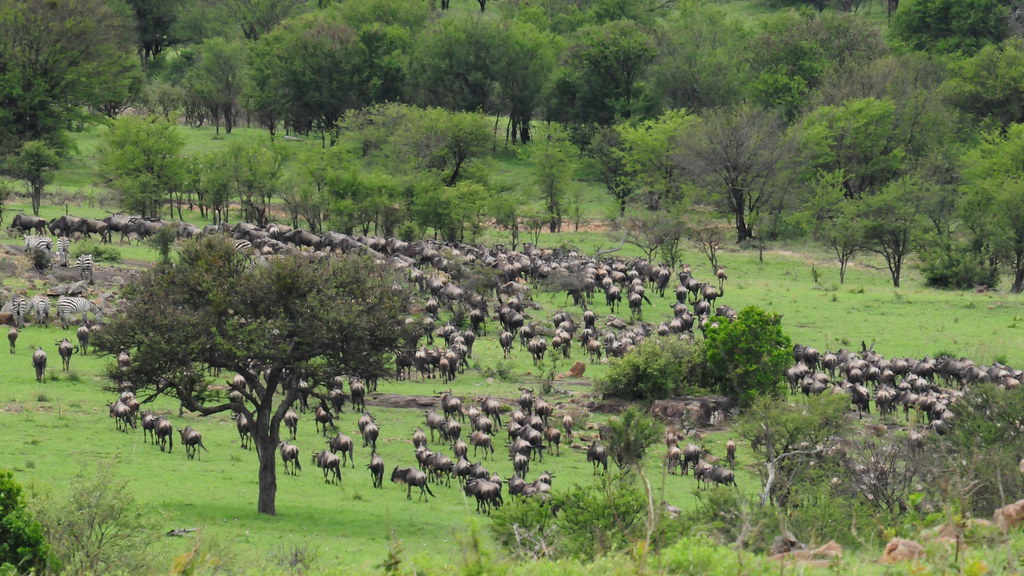
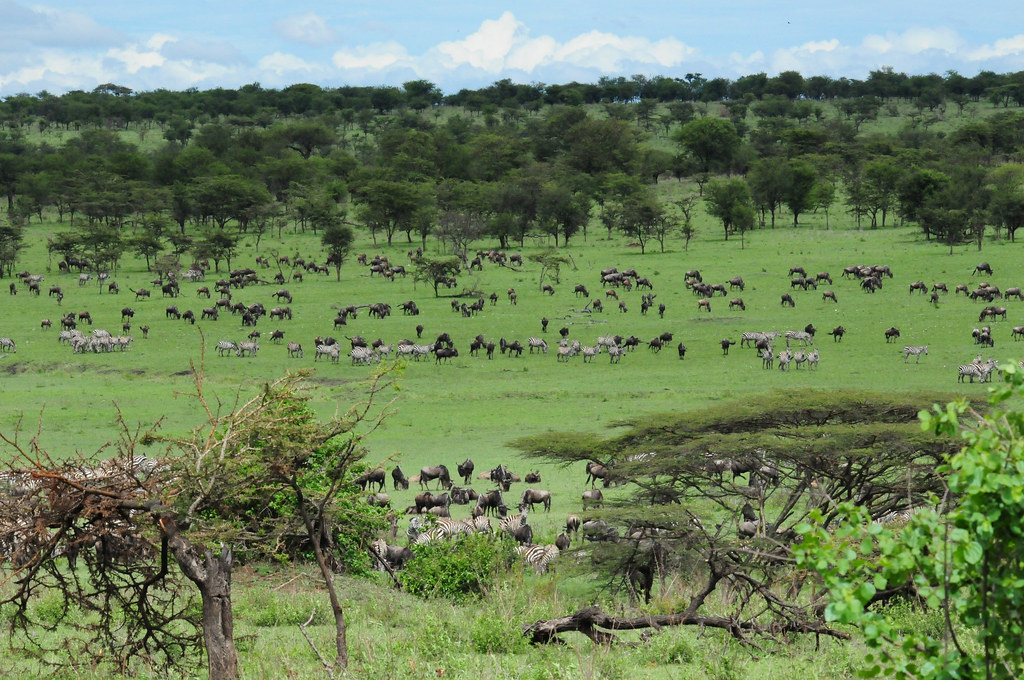
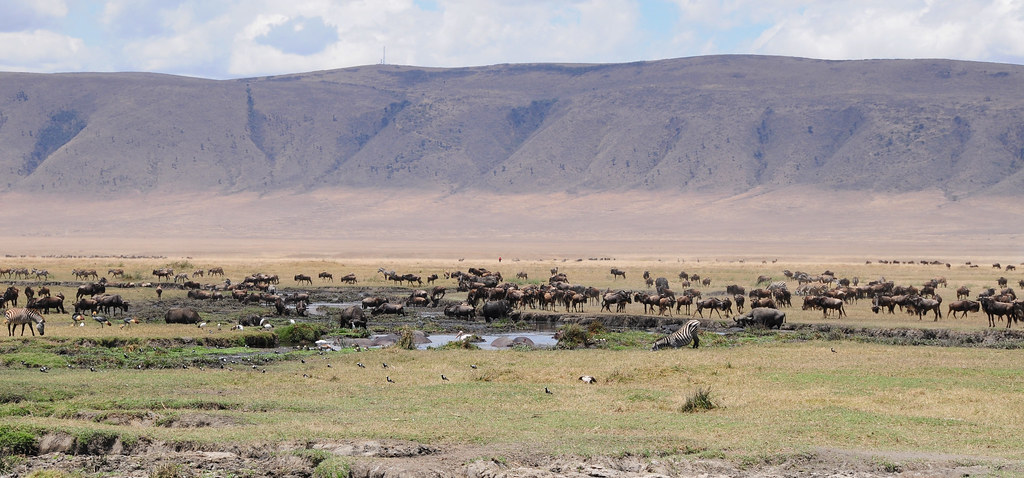
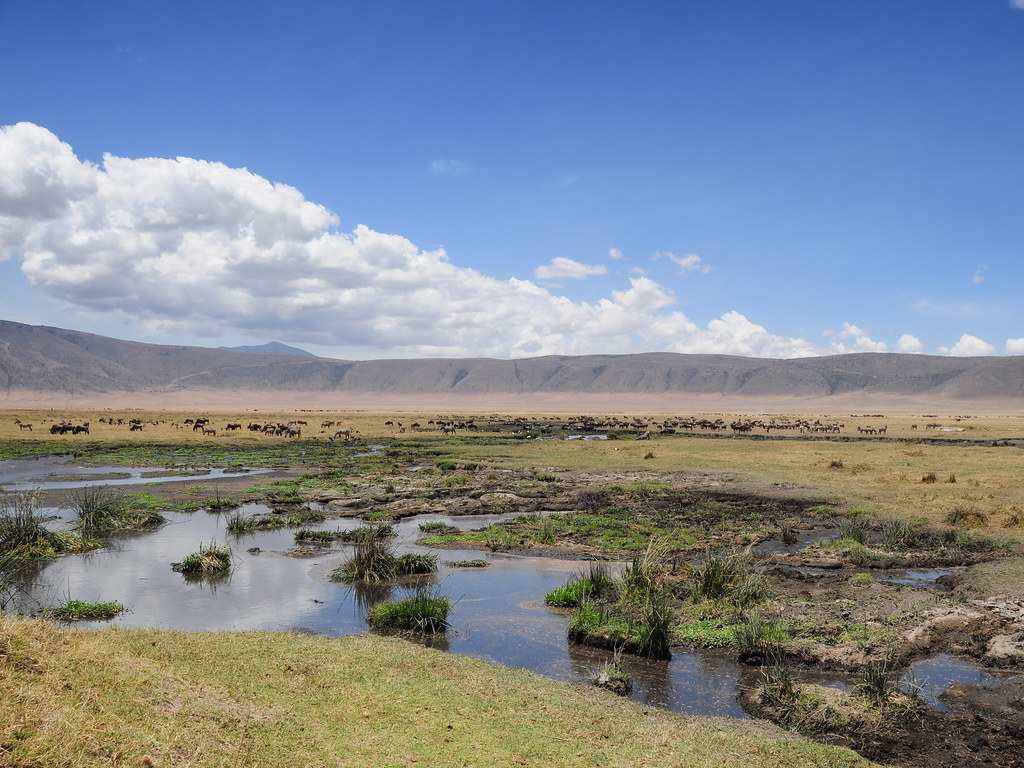
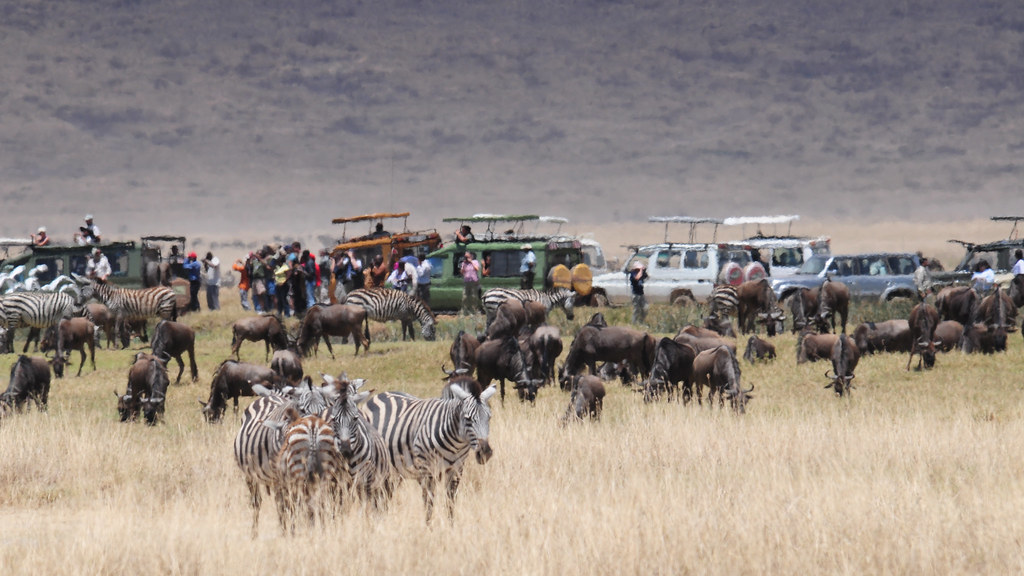
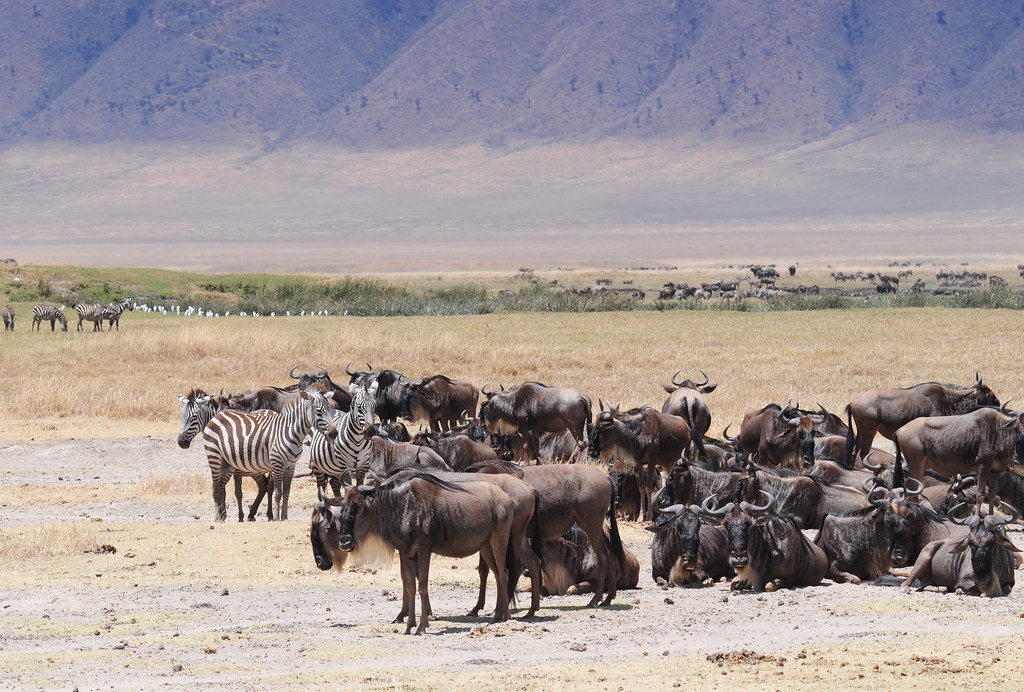
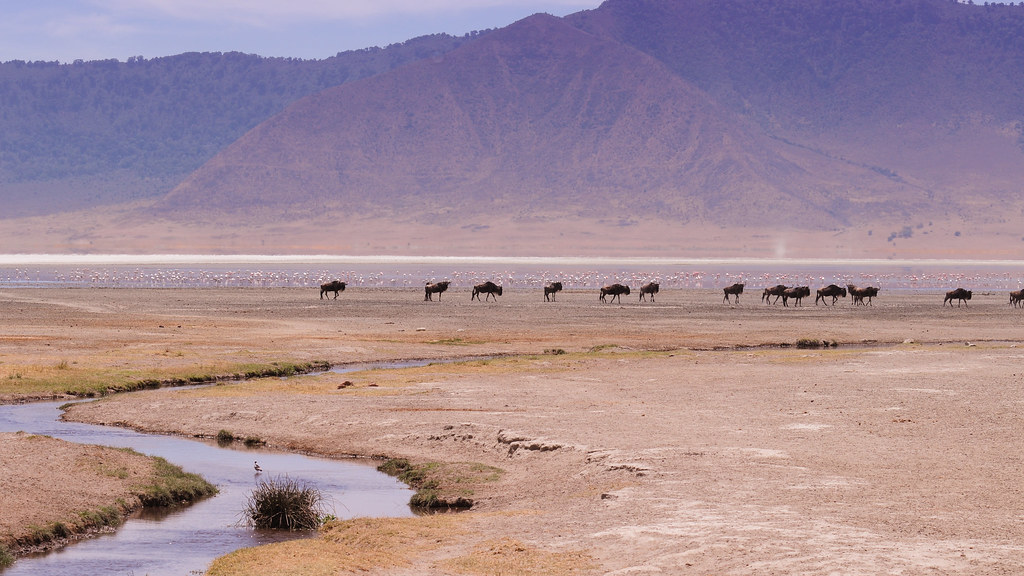
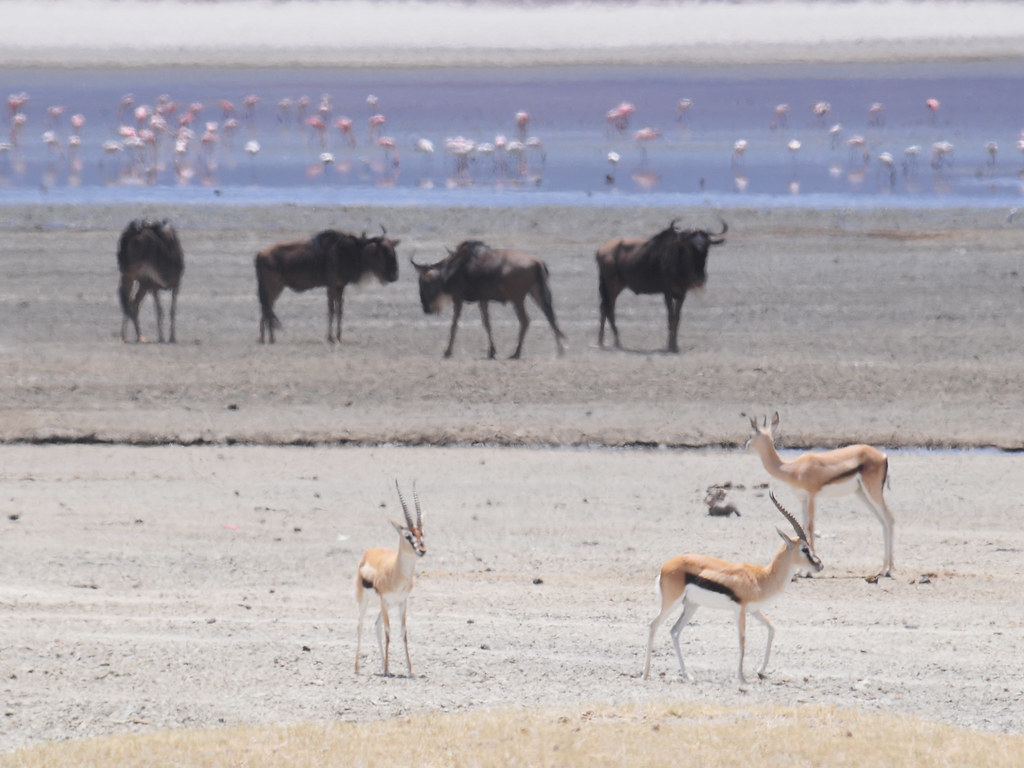
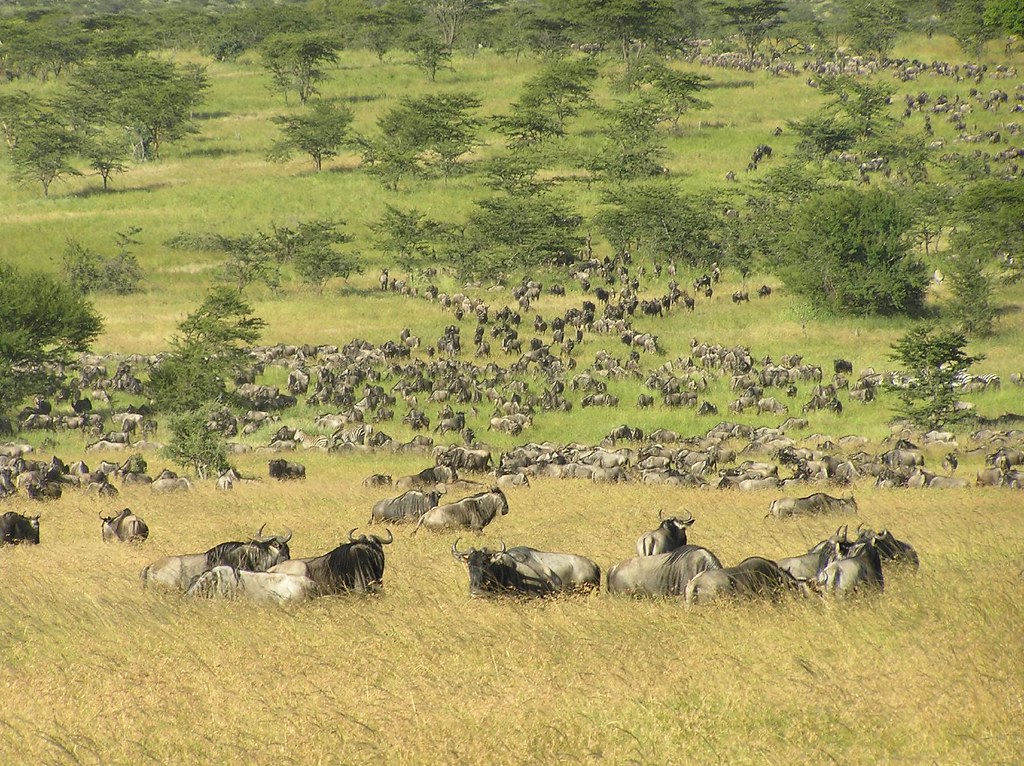
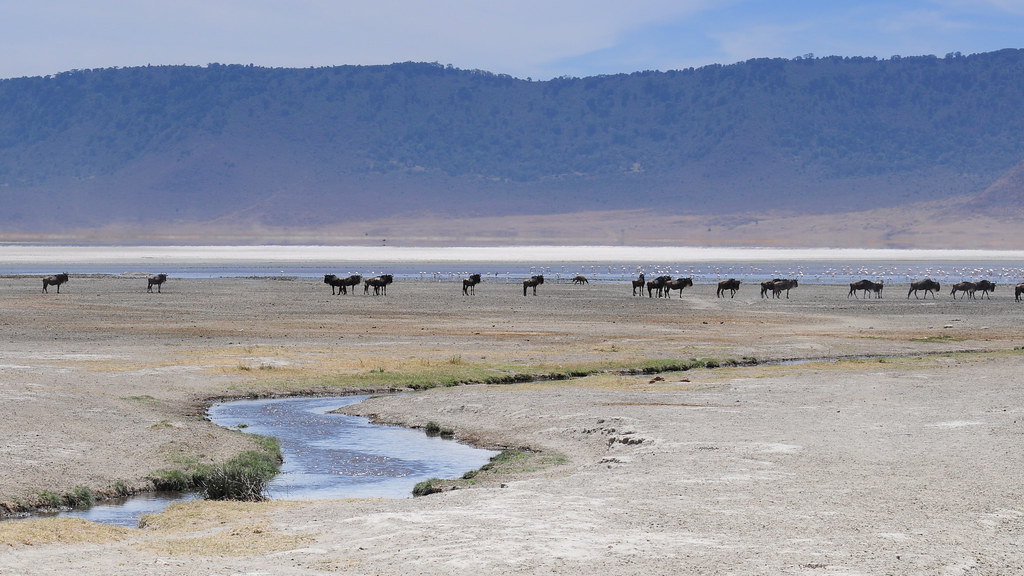
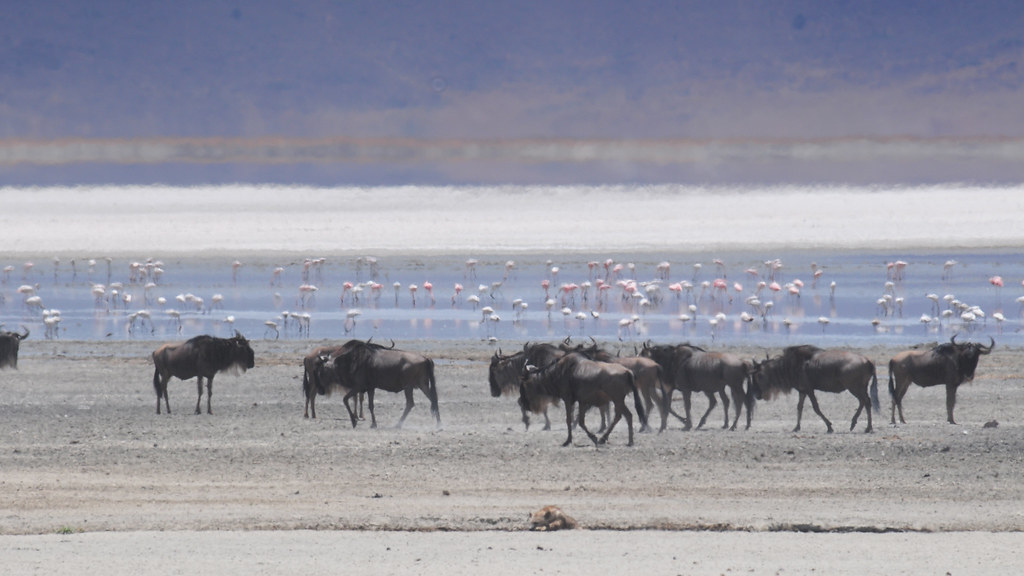
Each year around the same time the great wildebeest migration begins in the Ngorongoro area of the southern Serengeti of Tanzania. A natural phenomenon determined by the availability of grazing. It is January to March when the calving season begins. A time when there is plenty of rain ripened grass available for the 500,000 zebra that precede 1.8 million wildebeest and the following 100,000 plains game.
February marks the start of this great migration, preceding the long rainy season when wildebeest spend their time grazing and giving birth to approximately 500,000 calves within a 2 to 3 week period, which starts abruptly and is remarkably synchronized. Few calves are born ahead of time, the few that are as much as 6 months out of phase, hardly any will survive. (Estes 1992)[citation needed] The main reason for this being that very young calves are more noticeable to predators when mixed with older calves from earlier in the previous year, and so are easier prey.
Around October-December, nearly two million herbivores travel from the northern hills toward the southern plains in pursuit of the rains. In April, they then return to the north by travelling east-west, crossing the Mara River in July-September. This phenomenon is sometimes called the Circular Migration, and follows an anti-clockwise direction.
Some 250,000 wildebeest die during the journey from Tanzania to Maasai Mara Reserve in lower Kenya, a total of 800 kilometres (500 mi). Death is usually from thirst, hunger, exhaustion, or predation.[1] The migration is chronicled in the 1994 documentary film, Africa: The Serengeti. The second-largest is the South Sudan animal migration.
Serengeti - Wikipedia, the free encyclopedia
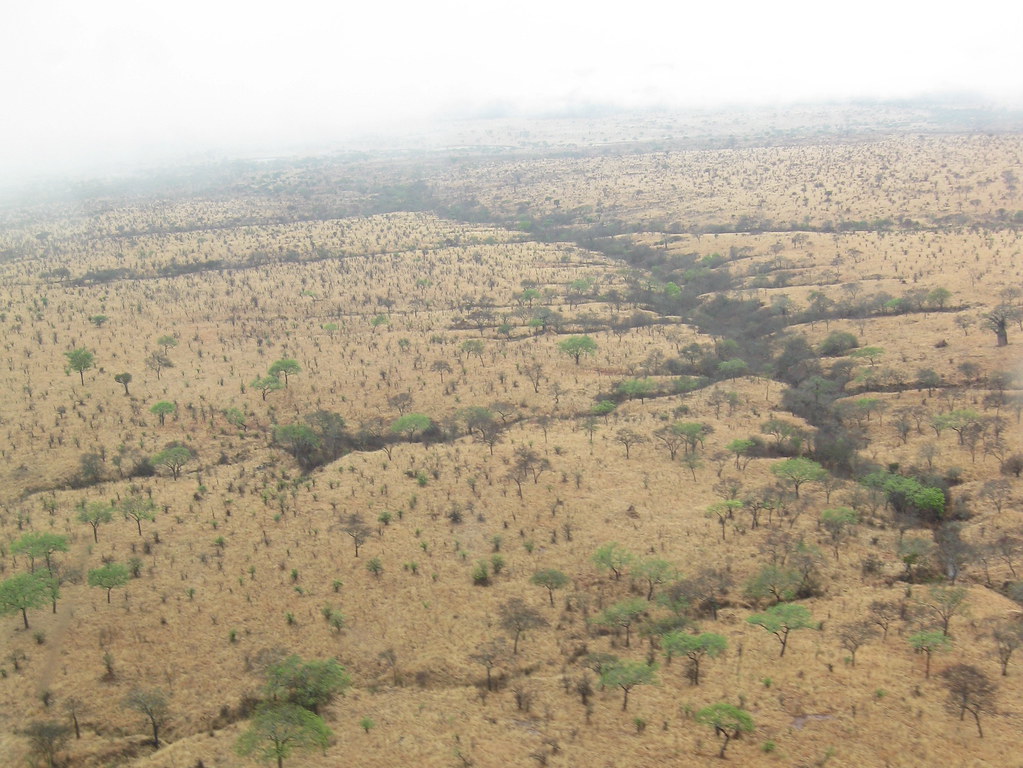
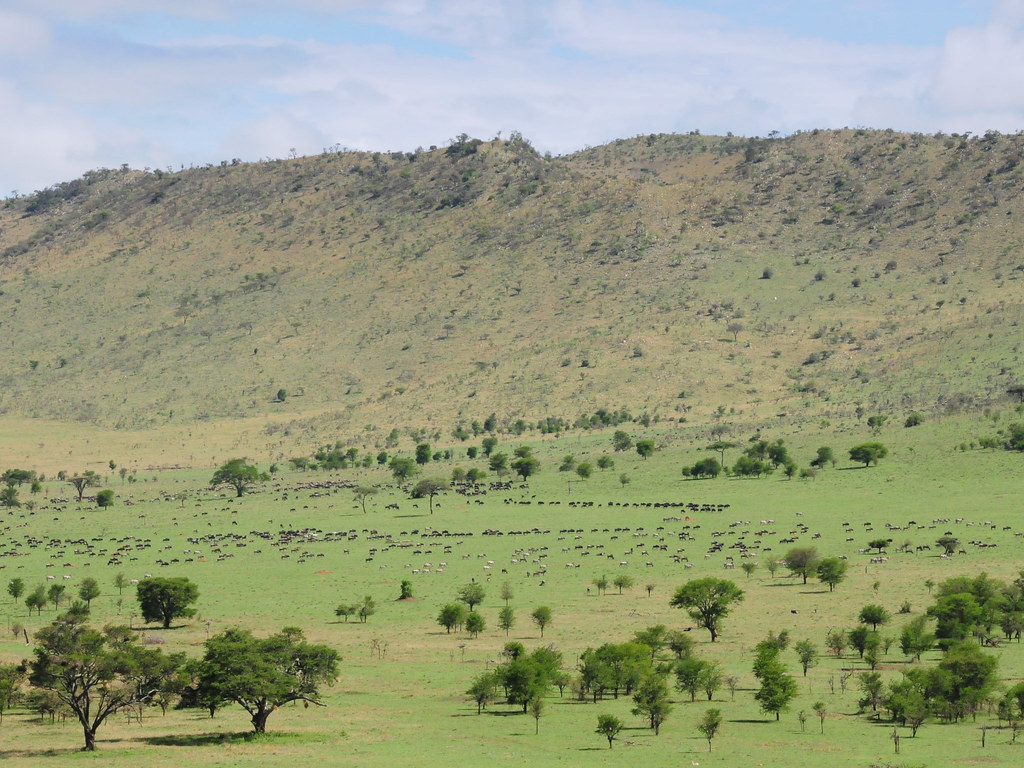
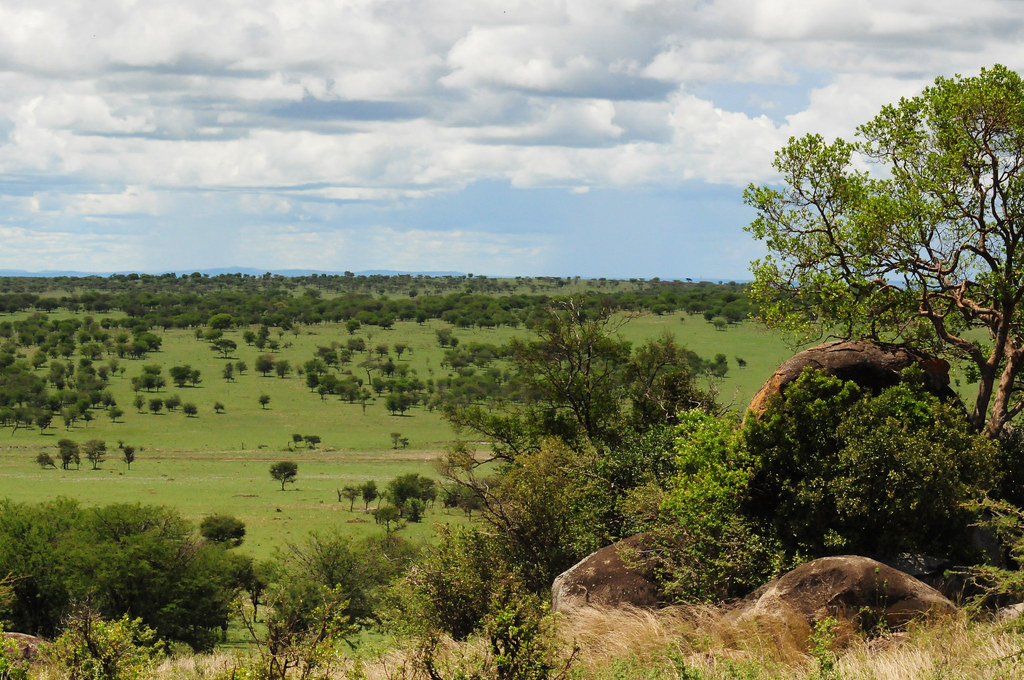
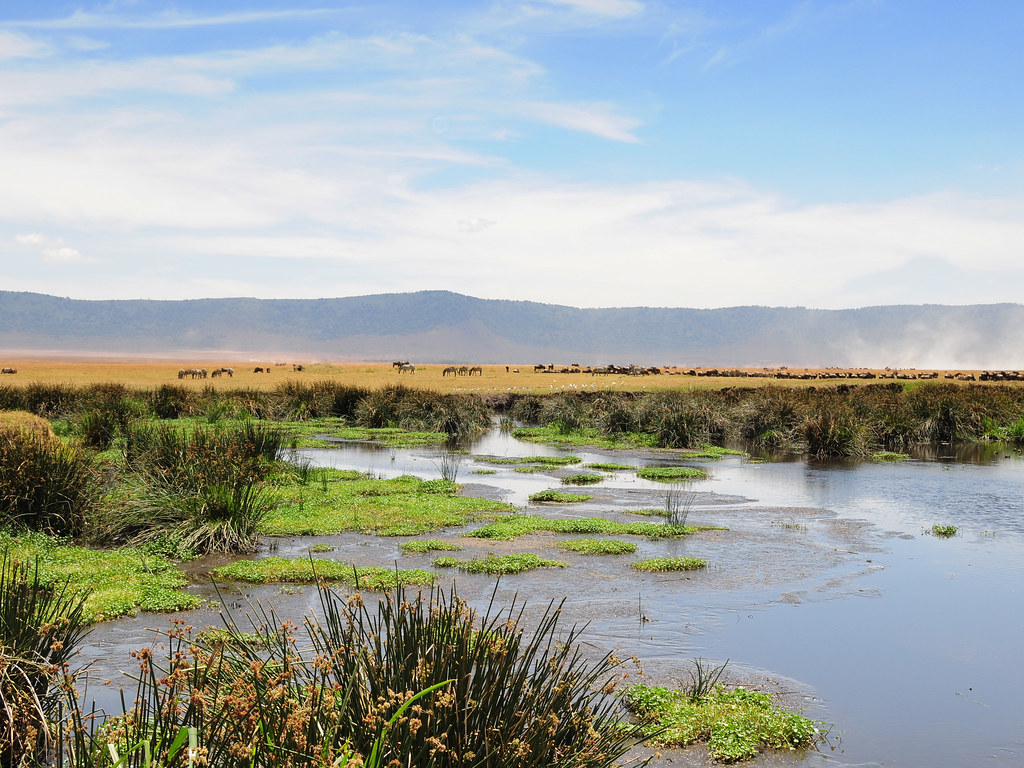
Serengetiplains


Flickr 上 VSmithUK 的 Serengeti Plains


Flickr 上 VSmithUK 的 Serengeti Plains


Flickr 上 VSmithUK 的 Serengeti Plains
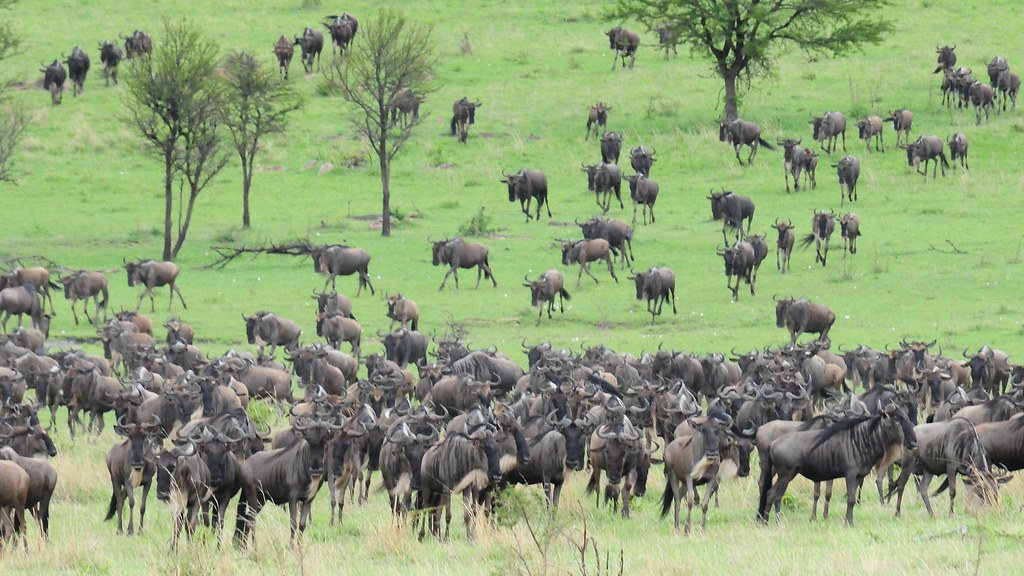
Wildebeest on migration


Flickr 上 VSmithUK 的 Blue Wildebeest on migration


Flickr 上 VSmithUK 的 Blue Wildebeest on migration


Flickr 上 VSmithUK 的 Blue Wildebeest on migration


Flickr 上 VSmithUK 的 Blue Wildebeest on migration


Flickr 上 VSmithUK 的 Blue Wildebeest on migration


Flickr 上 VSmithUK 的 Blue Wildebeest on migration
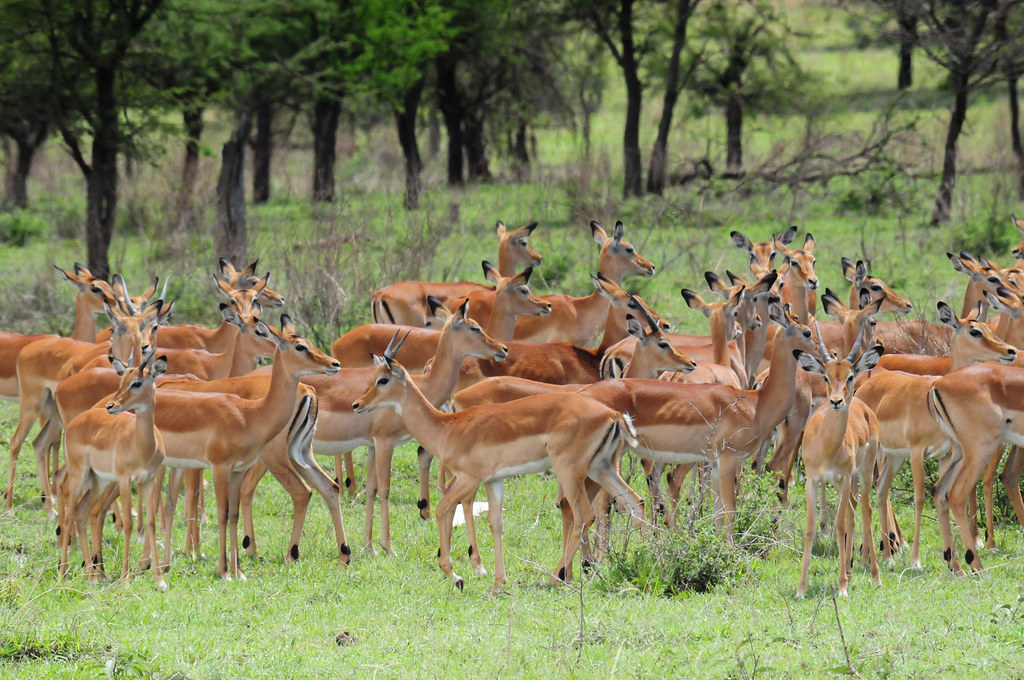
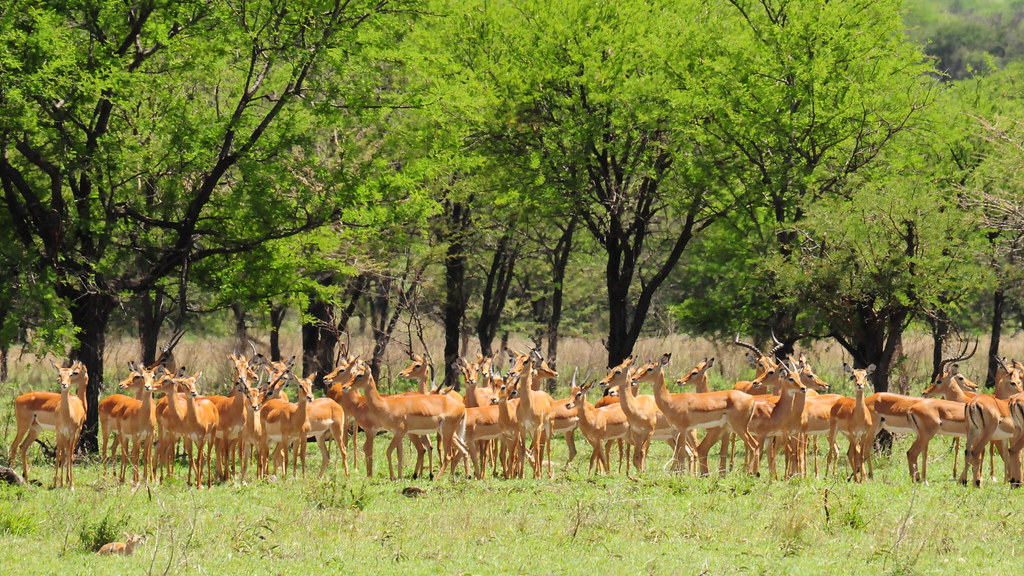
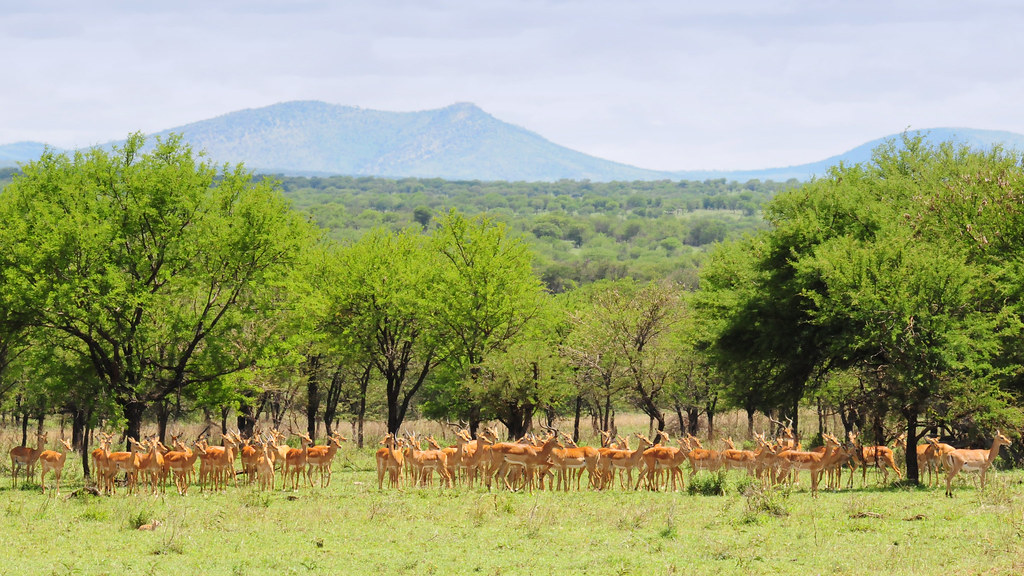
Impalas (Aepyceros melampus)


Flickr 上 VSmithUK 的 Worried Impala


Flickr 上 VSmithUK 的 Worried Impala


Flickr 上 VSmithUK 的 Worried Impala
 
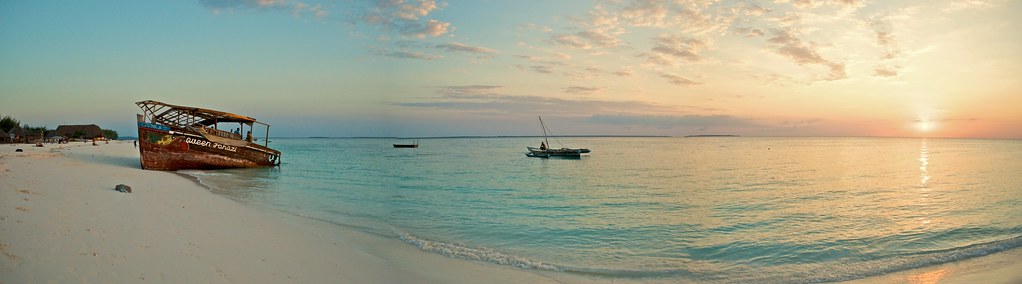
Zanzibar Sunset Panorama


From the moment you set your foot onto the beaches of Zanzibar, you will adore and love the place as you experience having fun under the sun.


Aptly described as the islands that "lie like a jewel in the lap of Africa," Zanzibar is an archipelago situated in the azure waters of the Indian Ocean just off the coast of Tanzania in Africa. It is composed of two large islands– the Unguja and the Pemba Island – and around 50 surrounding islets. Zanzibar, considered as one of the most exotic of African islands, is visited by thousands of travelers each year to experience the famous dreamy white beaches as well as to get themselves acquainted with the rich culture of the legendary old Stone Town, a world heritage site.


Various travel magazines and websites have always regarded Zanzibar beaches as one of the best beaches in the world. Thanks to its turquoise waters, white sand beaches, and sweeping coral reefs, there is no wonder why this island is a sought-after tropical destination. The green-blue sea is an excellent choice for various diving, swimming, and snorkeling activities. Tourists get the best of their getaway by discovering Africa's rich underwater paradise – ranging from soft corals and clown fish, to brittlestars, langoustines, moray eels, sea horses, manta rays, and hammerhead sharks. Its well-preserved palm-fringed coastline makes a good venue for getting a view of the sunset which will surely entice one to buy Zanzibar sunset panorama as a keepsake. Other holidaying activities in Zanzibar include big game fishing, kite surfing, conducting dinghy sailing trips and dolphin tours, among others.


Probably one of the most unspoiled treasures of Zanzibar is the Kendwa beach. Kendwa is located north coast of Zanzibar, just at the northern tip of the island where the best beaches of Zanzibar lie. Popular Kendwa beach resorts include Kendwa Rocks, Kendwa Breezes, and Amaan Kendwa Beach Resort, which boast of crystal clear waters where you can still dip yourself in the waters during low tide. The stretch of beach where these Kendwa resorts are located is perfect for tourists who want to have a peaceful and laid back retreat. Most of the Kendwa hotels are built in the hillside, allowing the guests to see a panoramic view of the Zanzibar Sunset and the azure waters of the Indian Ocean. Ultimately, Kendwa beach in Zanzibar is where you want to be kissed by the sun.

Zanzibar Sunset Panorama by brusca, on Flickr


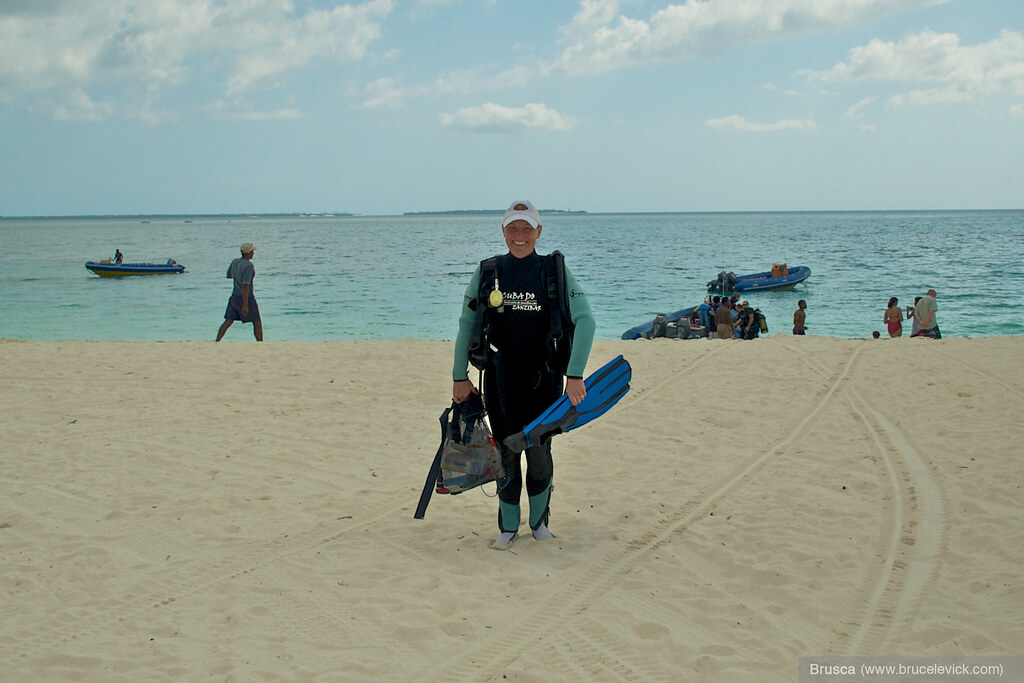
Kellie diving in Zanzibar by brusca, on Flickr
 
Tanzania Ranked Number 7 among the The 45 Places to go in 2012​
The New York Times


A world renowned newspaper has selected Tanzania among 45 places for tourists to visit in 2012, saying: "Tanzania is coming into its own as an upscale safari destination".


The New York Times said in its January 6 edition that Tanzania emerged number seven out of the 45 selected places to go in 2012


:banana::banana::banana:


KILIMANJARO


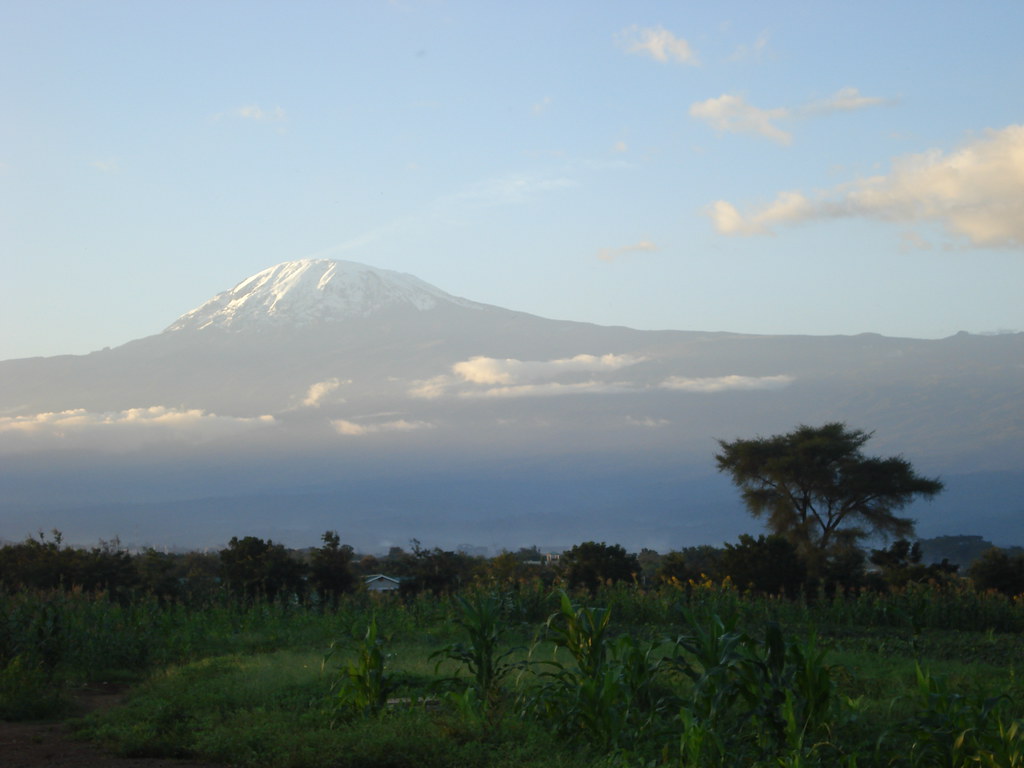
Mount Kilimanjaro, Tanzania by Marc van der Chijs, on Flickr


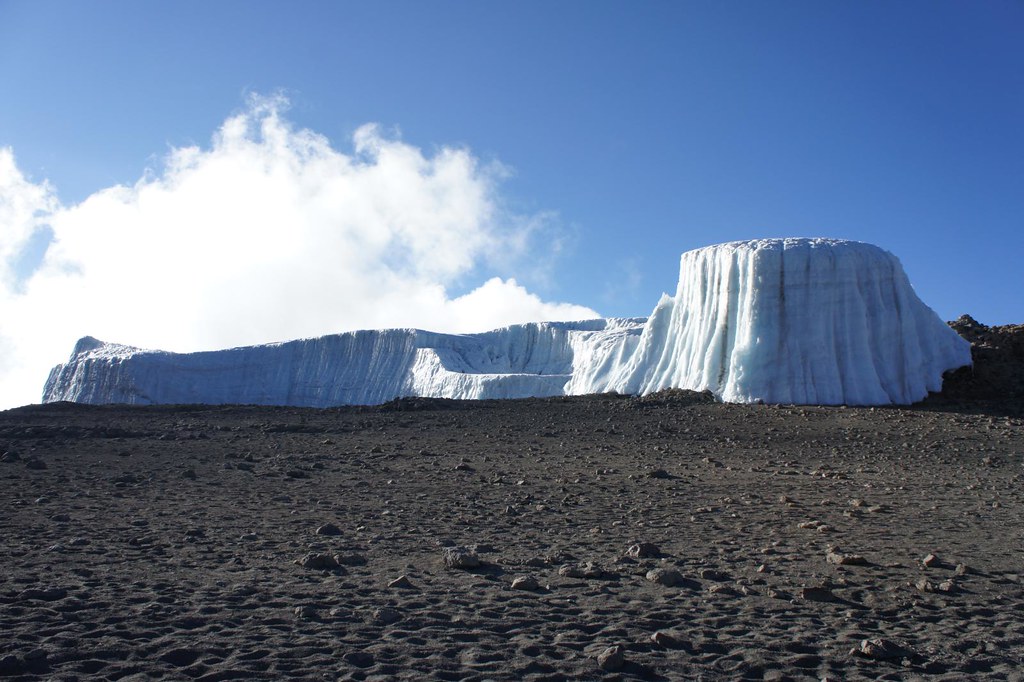
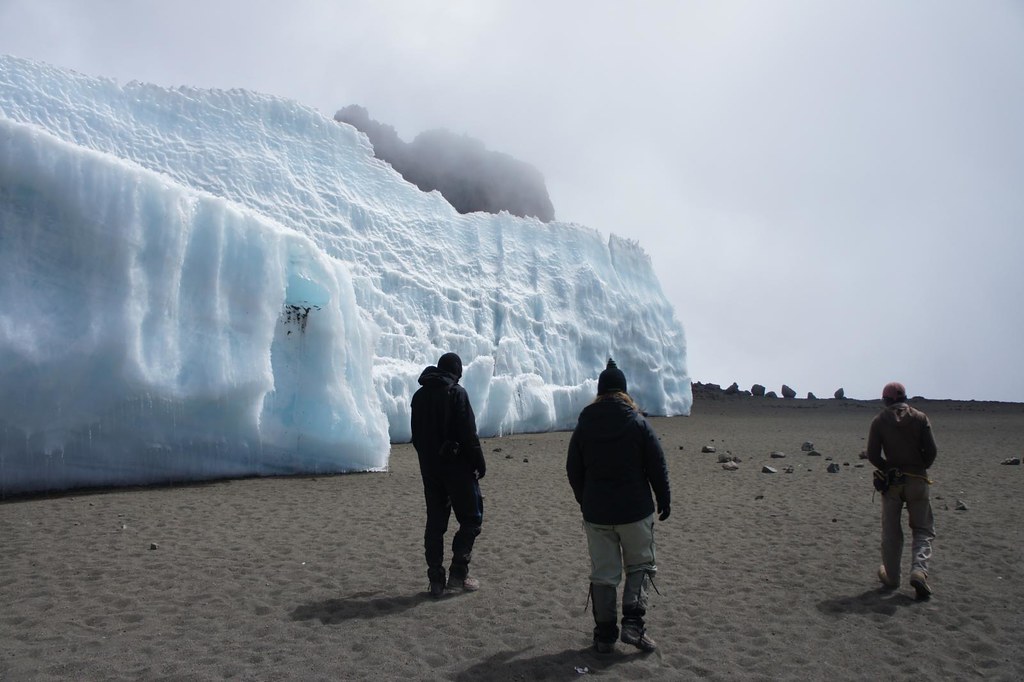
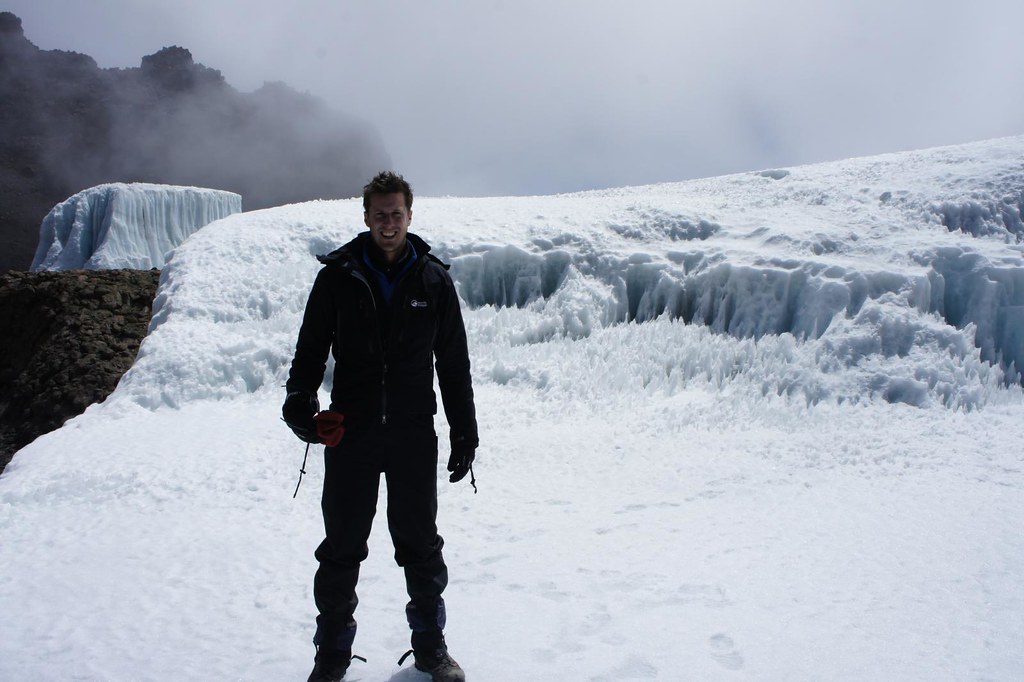
Kilimanjaro Glaciers by tourdust, on Flickr


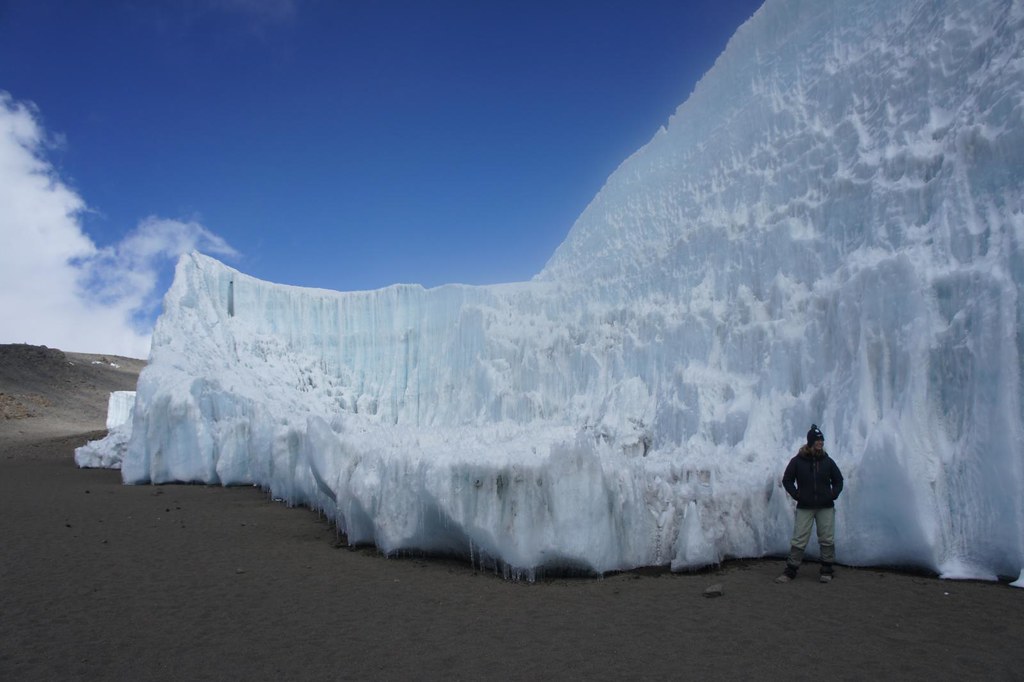
Kilimanjaro Glaciers by tourdust, on Flickr


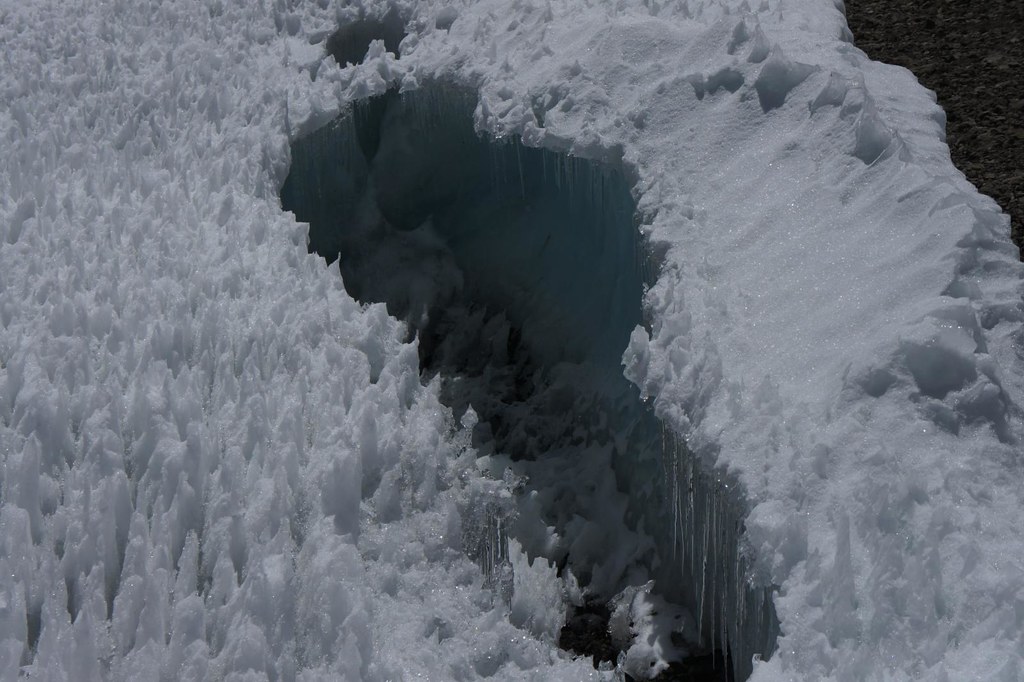
Kilimanjaro Glaciers by tourdust, on Flickr


Kilimanjaro Glaciers by tourdust, on Flickr


Kilimanjaro Glaciers by tourdust, on Flickr


ZANZIBAR


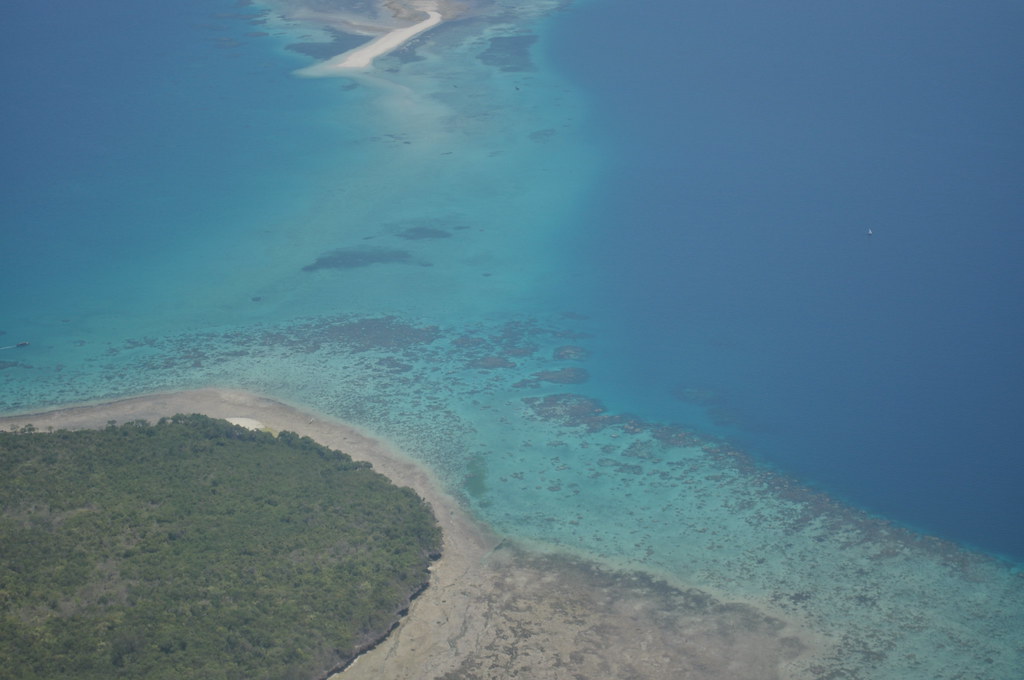
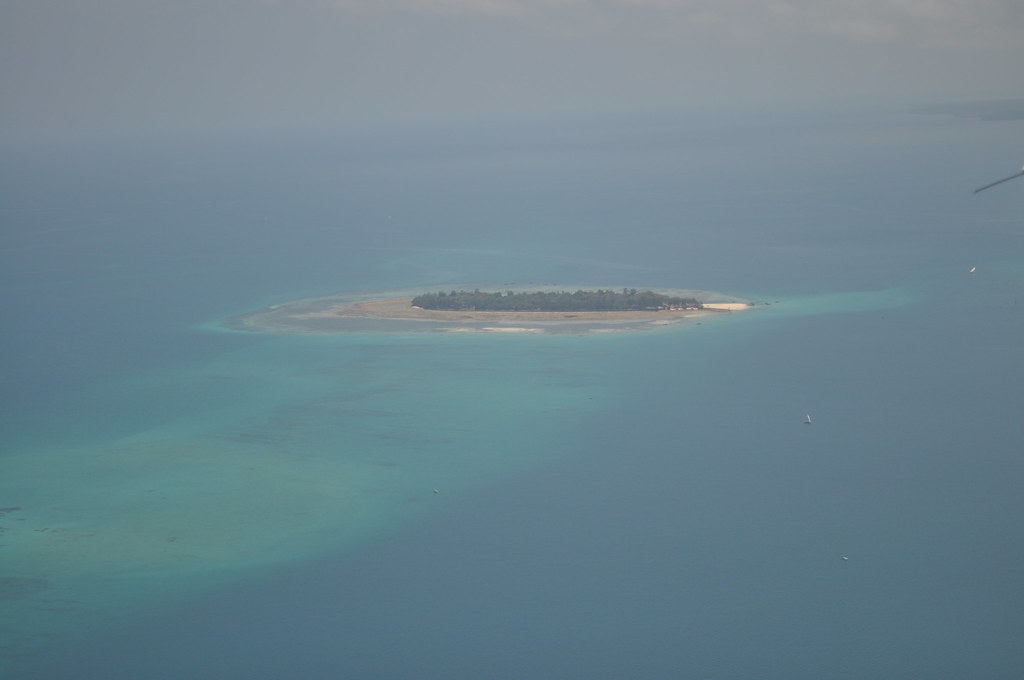
Zanzibar on air2 by hakunamatata45, on Flickr


Zanzibar on air1 by hakunamatata45, on Flickr


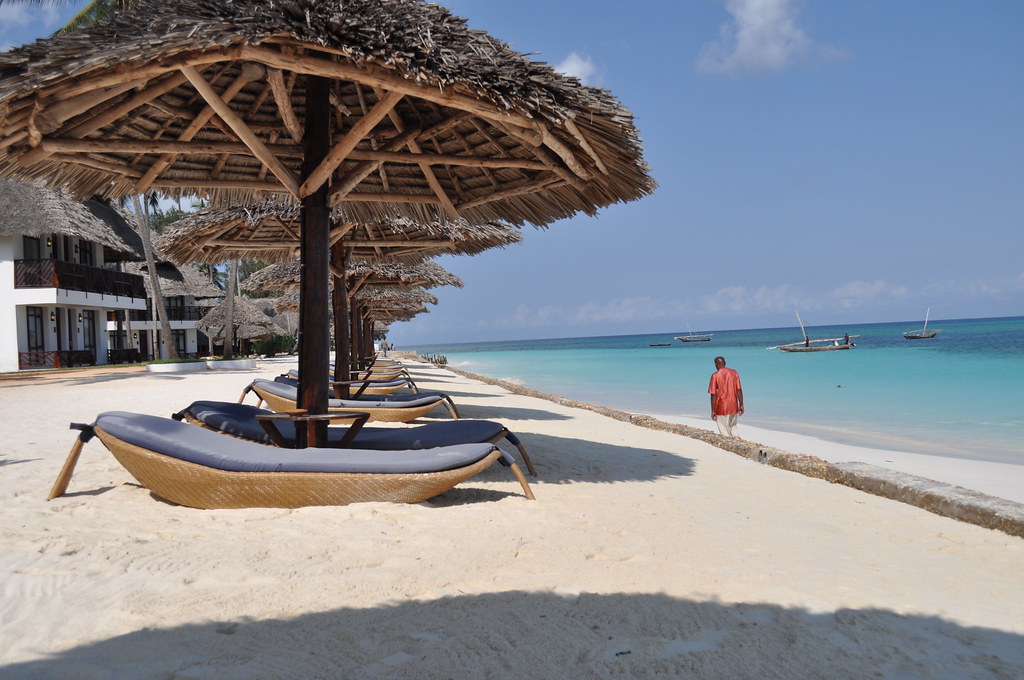
Nungwi Beach by hakunamatata45, on Flickr


THE SERENGETI


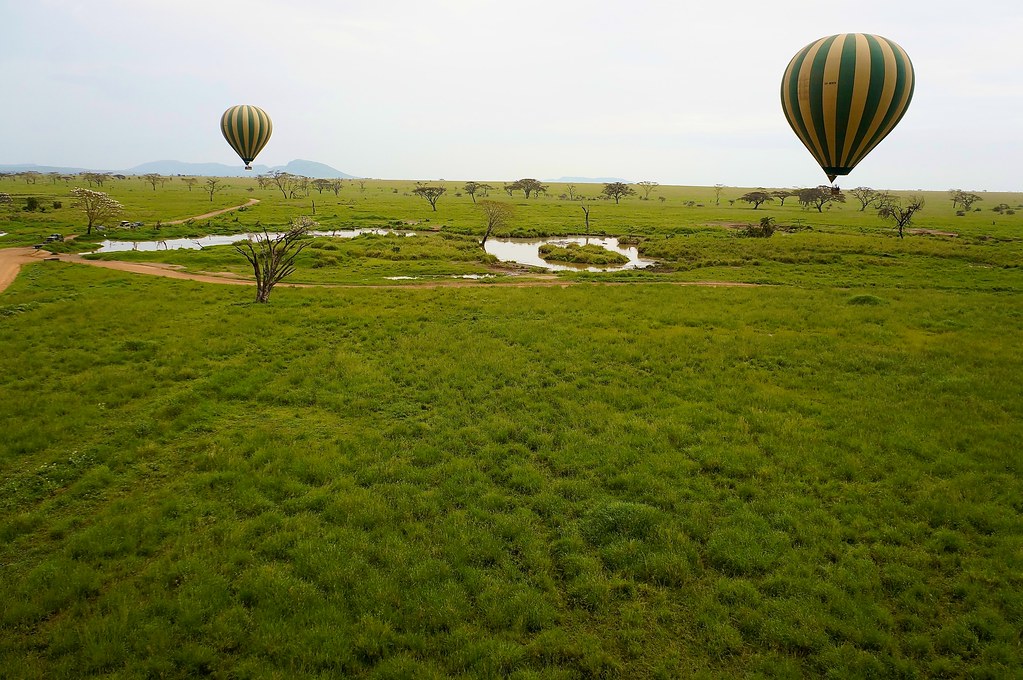
Serengeti Balloon Ride by didimouman, on Flickr


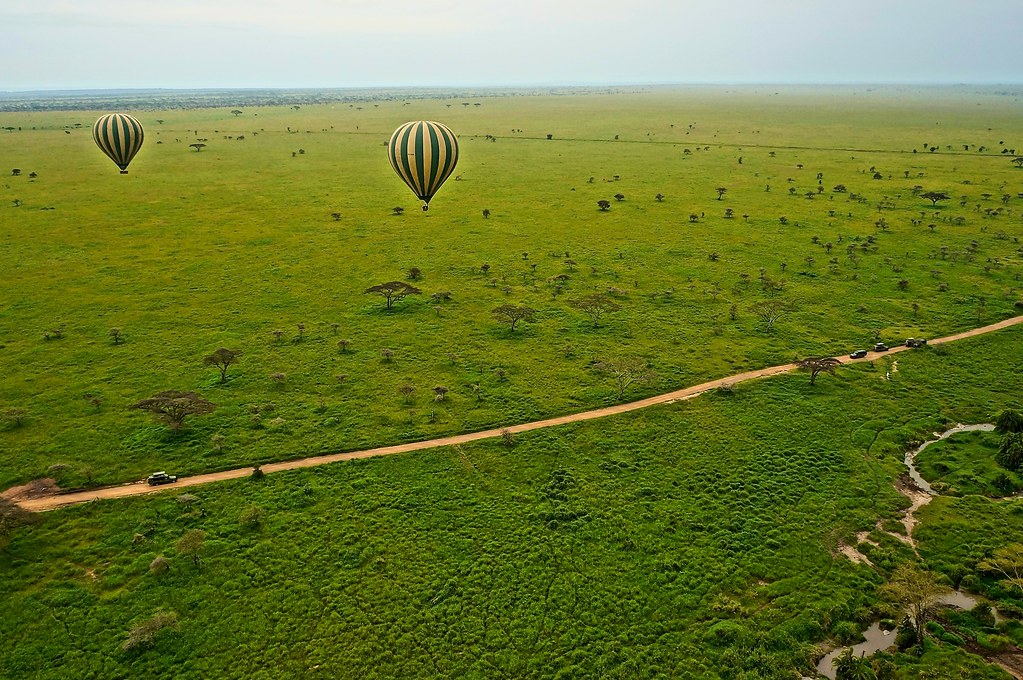
Serengeti Balloon Ride by didimouman, on Flickr


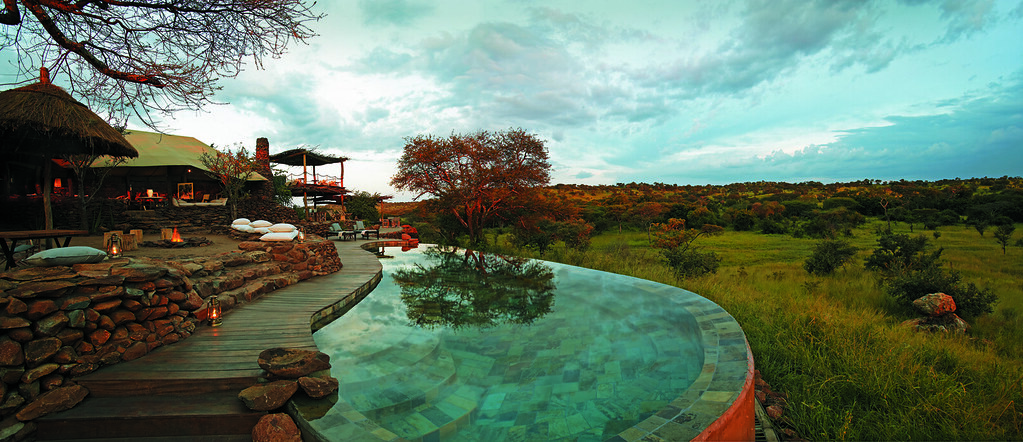
Singita Sasakwa Losge by Singita Game Reserves, on Flickr


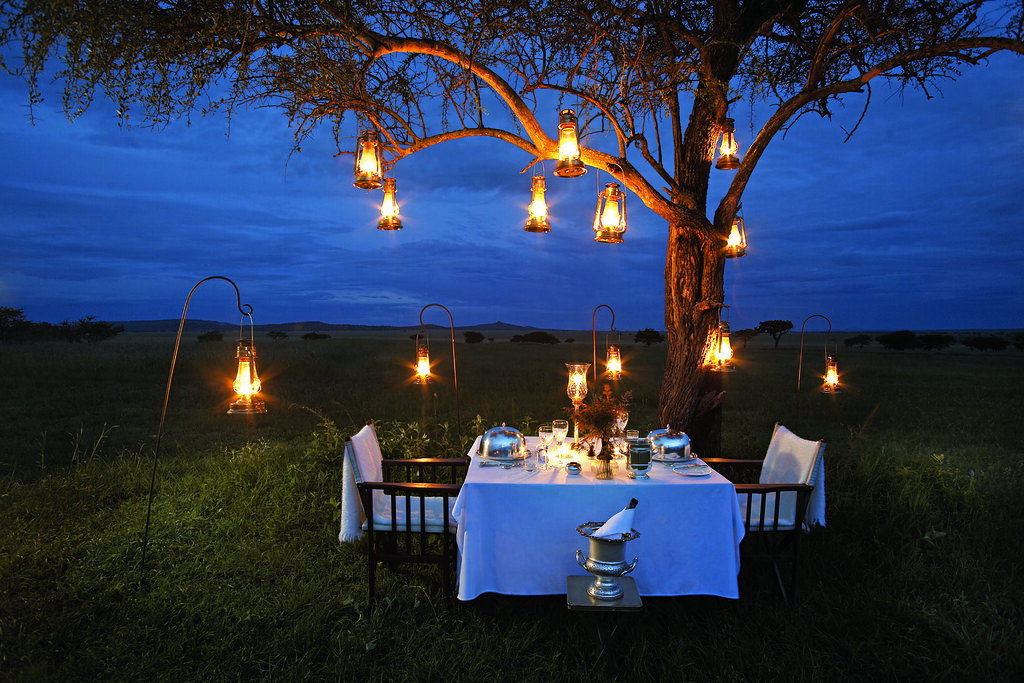
Singita Faru Faru Lodge by Singita Game Reserves, on Flickr


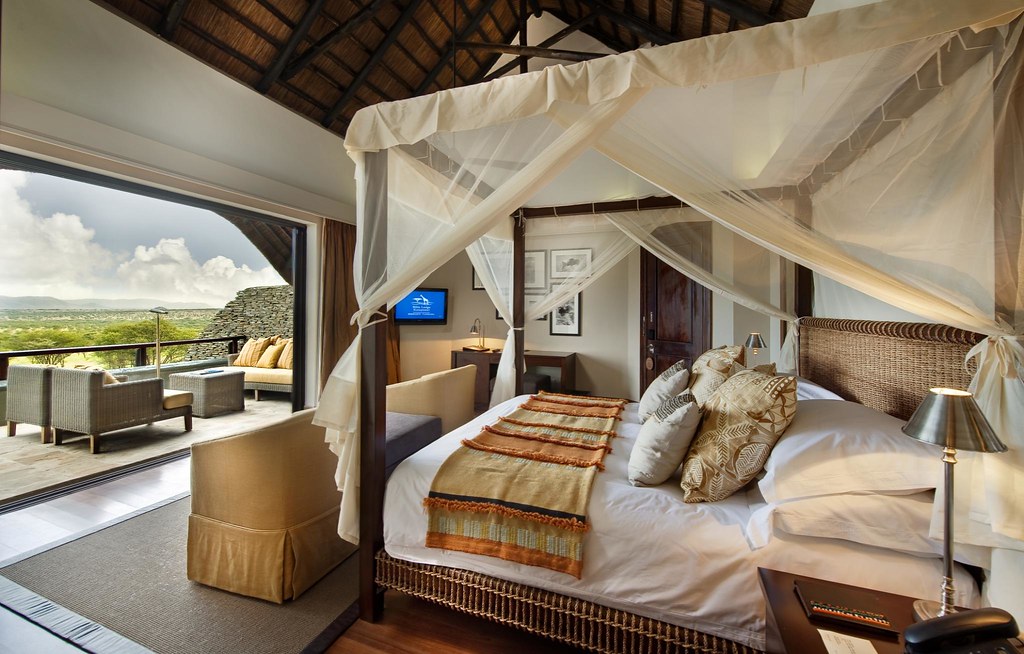
Singita Sabora Tented Camp by Singita Game Reserves, on Flickr


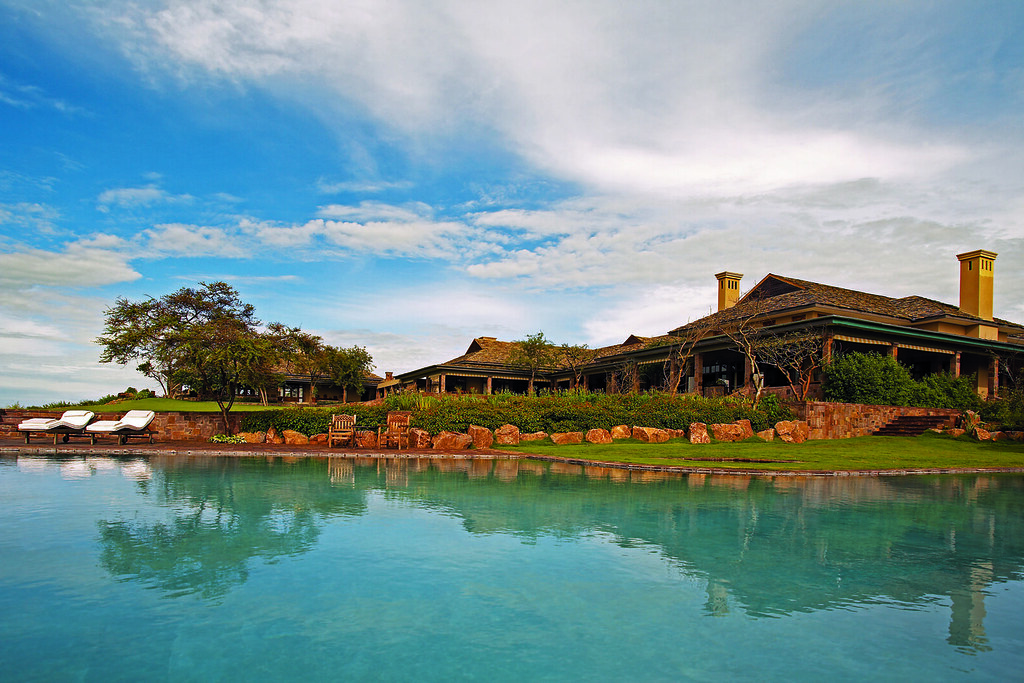
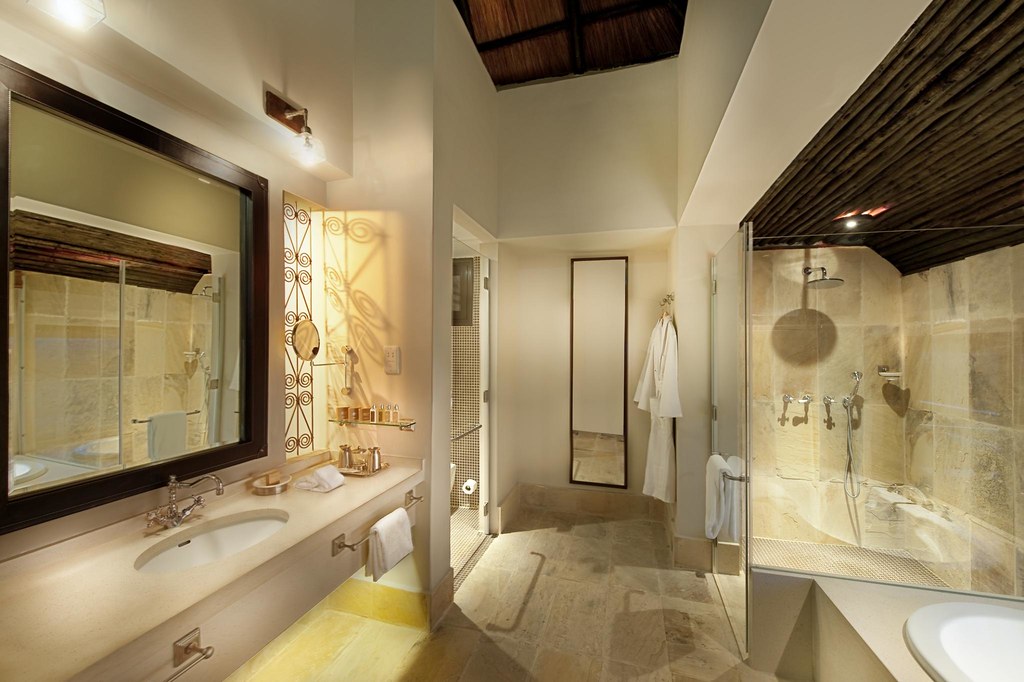
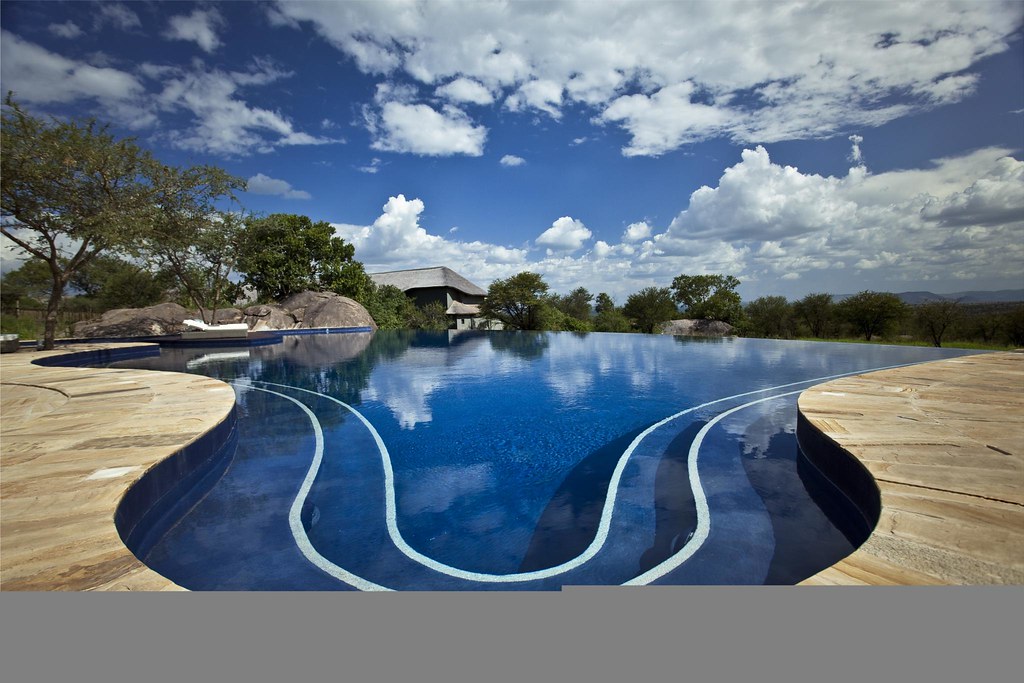
Kempinski Bilila Lodge, Serengeti, Tanzania by safari-partners, on Flickr


Kempinski Bilila Lodge, Serengeti, Tanzania by safari-partners, on Flickr


Kempinski Bilila Lodge, Serengeti, Tanzania by safari-partners, on Flickr
 
Tanzania Ranked Number 7 among the The 45 Places to go in 2012​
The New York Times


A world renowned newspaper has selected Tanzania among 45 places for tourists to visit in 2012, saying: “Tanzania is coming into its own as an upscale safari destination”.


The New York Times said in its January 6 edition that Tanzania emerged number seven out of the 45 selected places to go in 2012


:banana::banana::banana:


KILIMANJARO


Mount Kilimanjaro, Tanzania by Marc van der Chijs, on Flickr


Kilimanjaro Glaciers by tourdust, on Flickr


Kilimanjaro Glaciers by tourdust, on Flickr


Kilimanjaro Glaciers by tourdust, on Flickr


Kilimanjaro Glaciers by tourdust, on Flickr


Kilimanjaro Glaciers by tourdust, on Flickr


ZANZIBAR


Zanzibar on air2 by hakunamatata45, on Flickr


Zanzibar on air1 by hakunamatata45, on Flickr


Nungwi Beach by hakunamatata45, on Flickr


THE SERENGETI


Serengeti Balloon Ride by didimouman, on Flickr


Serengeti Balloon Ride by didimouman, on Flickr


Singita Sasakwa Losge by Singita Game Reserves, on Flickr


Singita Faru Faru Lodge by Singita Game Reserves, on Flickr


Singita Sabora Tented Camp by Singita Game Reserves, on Flickr


Kempinski Bilila Lodge, Serengeti, Tanzania by safari-partners, on Flickr


Kempinski Bilila Lodge, Serengeti, Tanzania by safari-partners, on Flickr


Kempinski Bilila Lodge, Serengeti, Tanzania by safari-partners, on Flickr
 
Of course I'd love to. I was only in the capital and Mikumi Park.


next time try untouched and well preserved destinations like selous game reserve or try the might serengeti and the ngorongoro crater 🙂


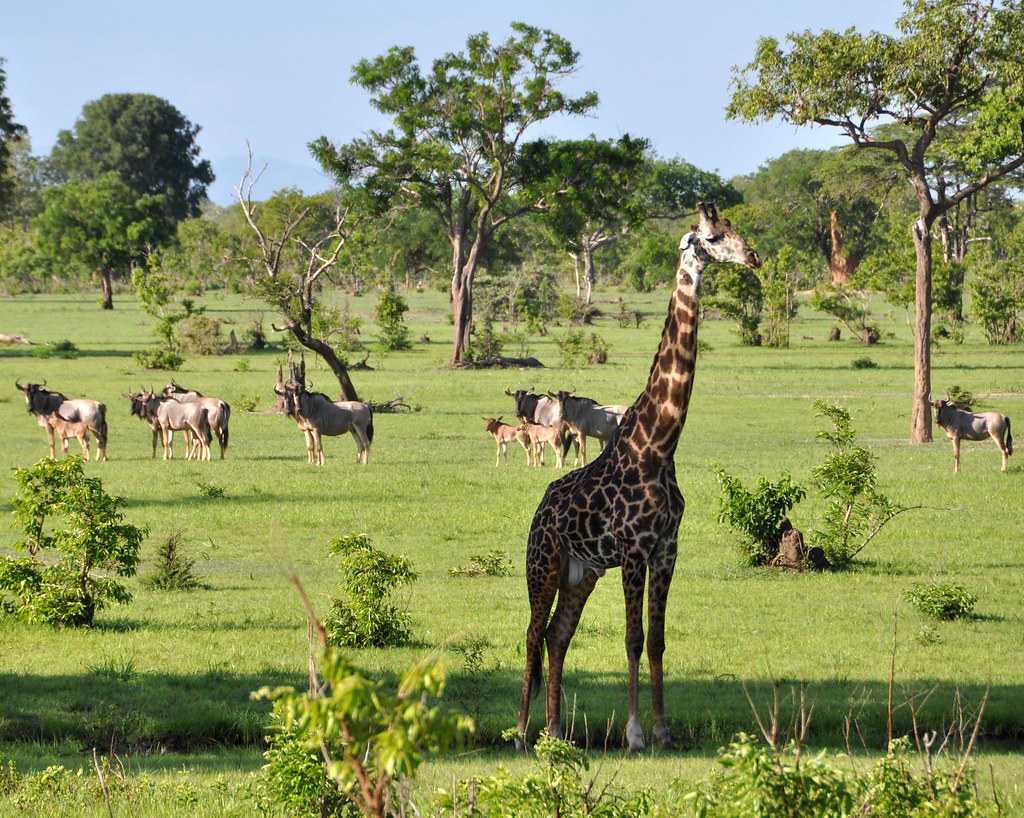
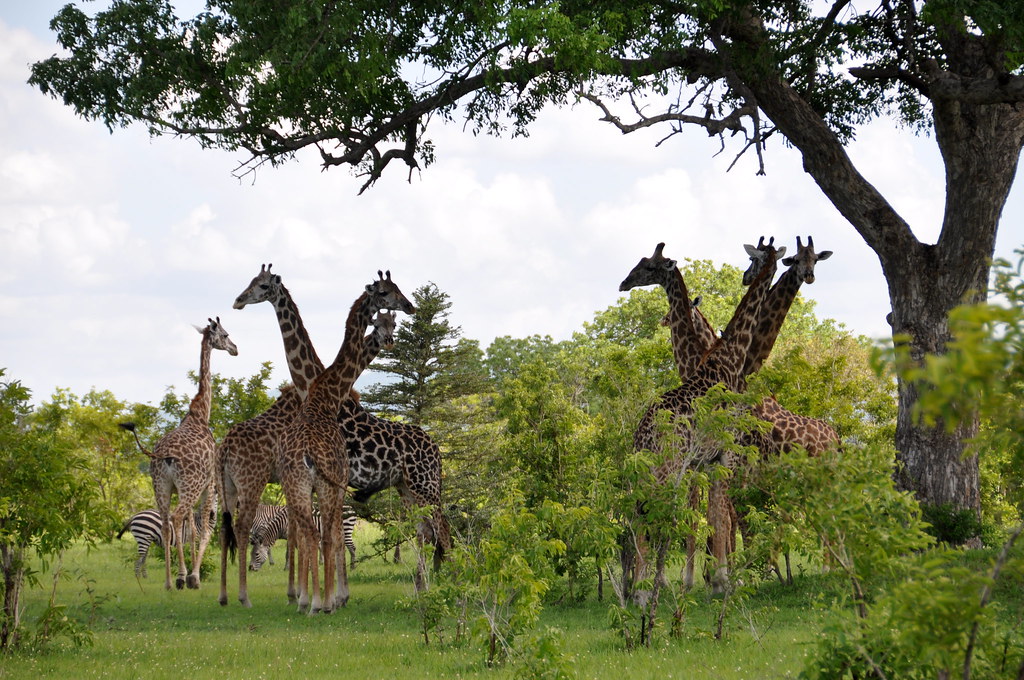
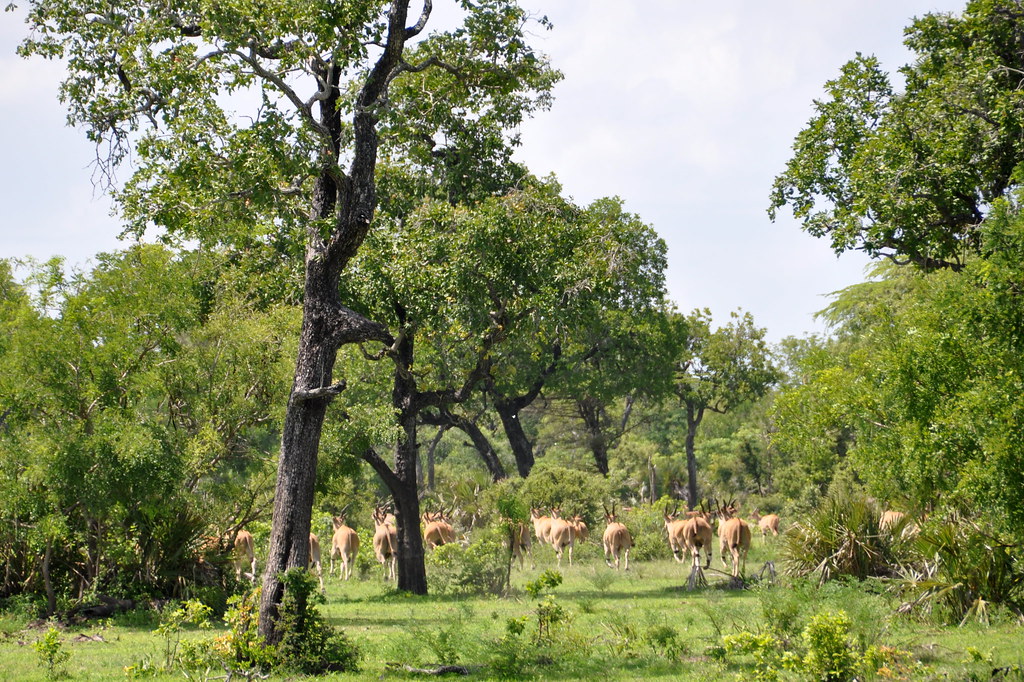
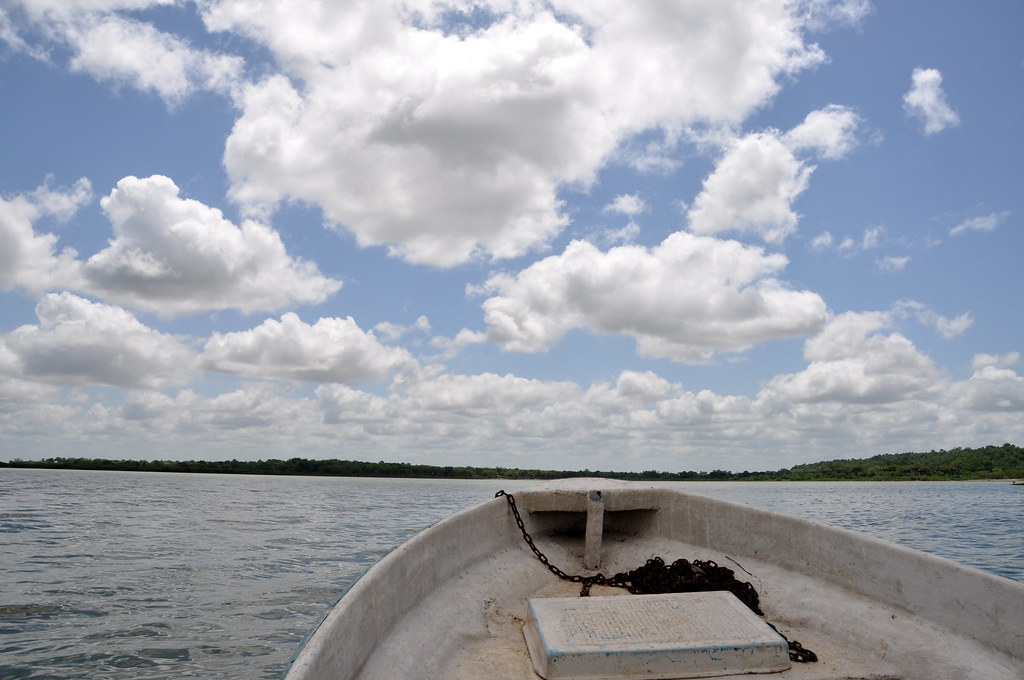
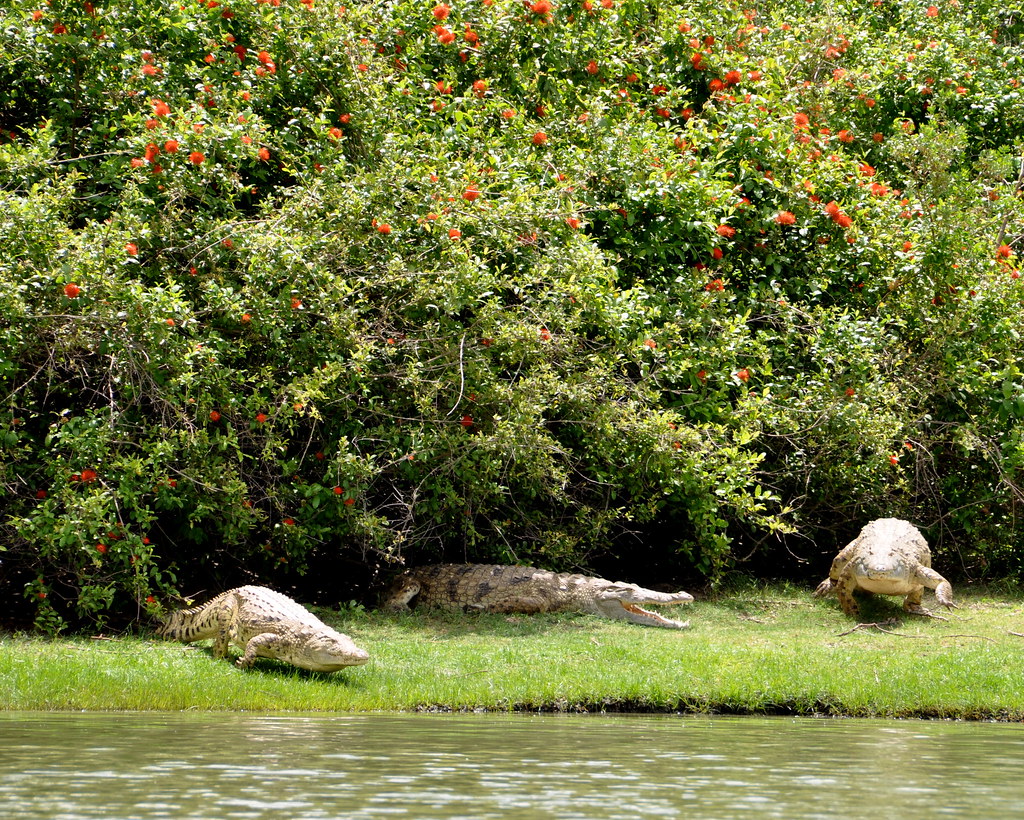
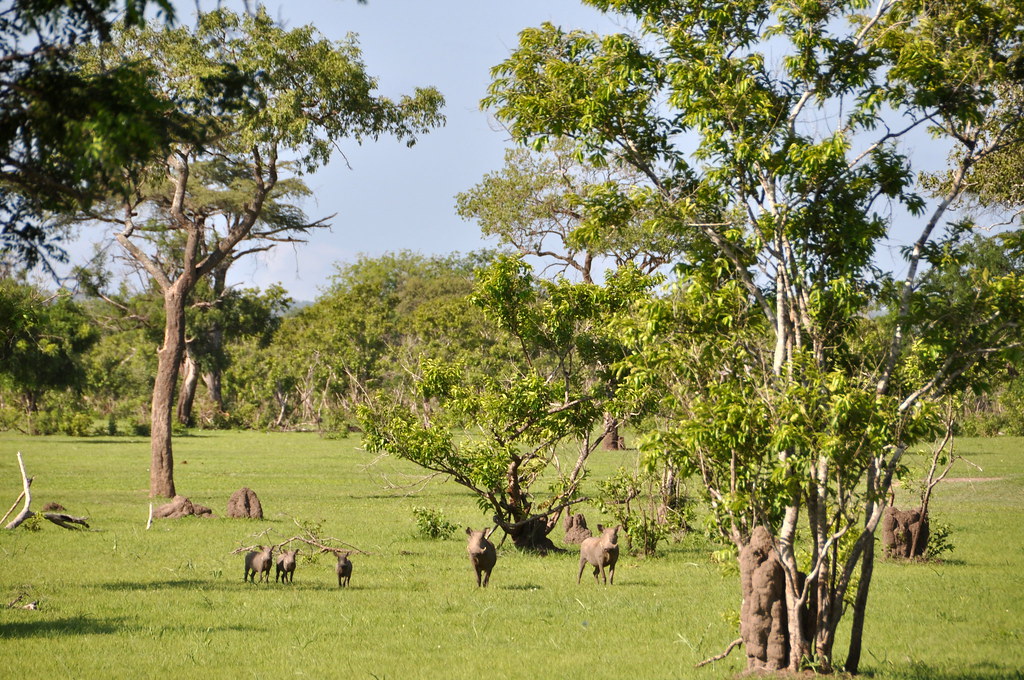
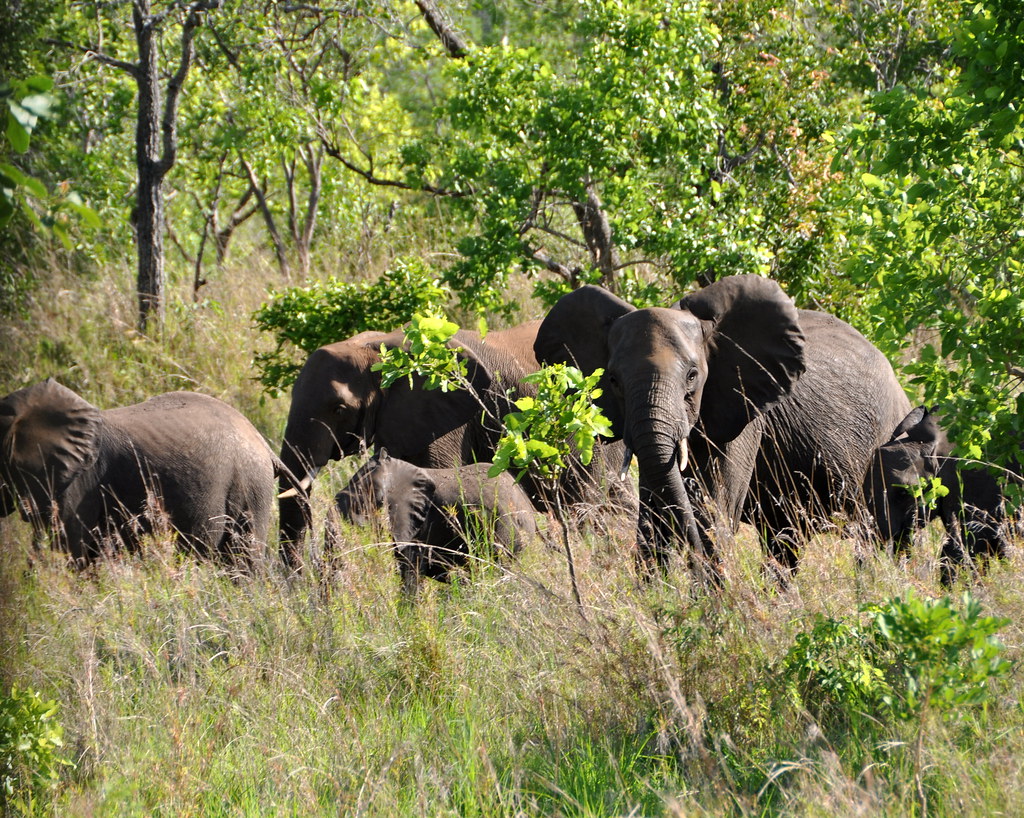
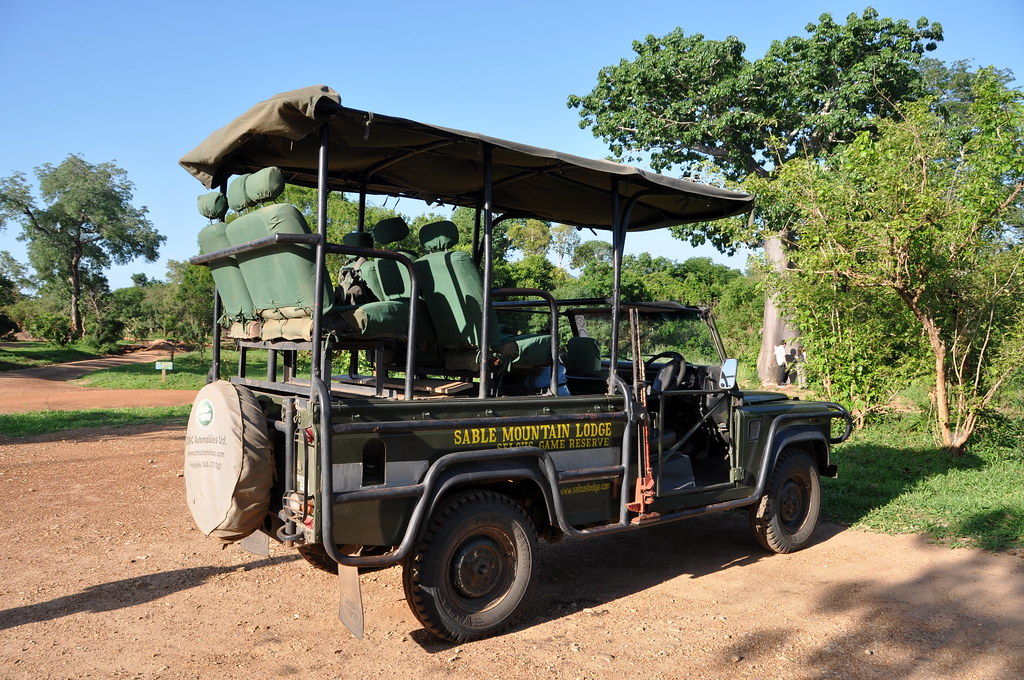
Selous Game Reserve in Tanzania. It's the largest national park in Africa and the second largest in the entire world. It was named after British explorer and hunter Frederick Selous.


Wildebeest Watching Us by Kevin H., on Flickr


Gordian Knot of Giraffes by Kevin H., on Flickr


Fleeing Eland by Kevin H., on Flickr


Boat Safari by Kevin H., on Flickr


Bank Full of Crocodiles by Kevin H., on Flickr


Warthog Group by Kevin H., on Flickr


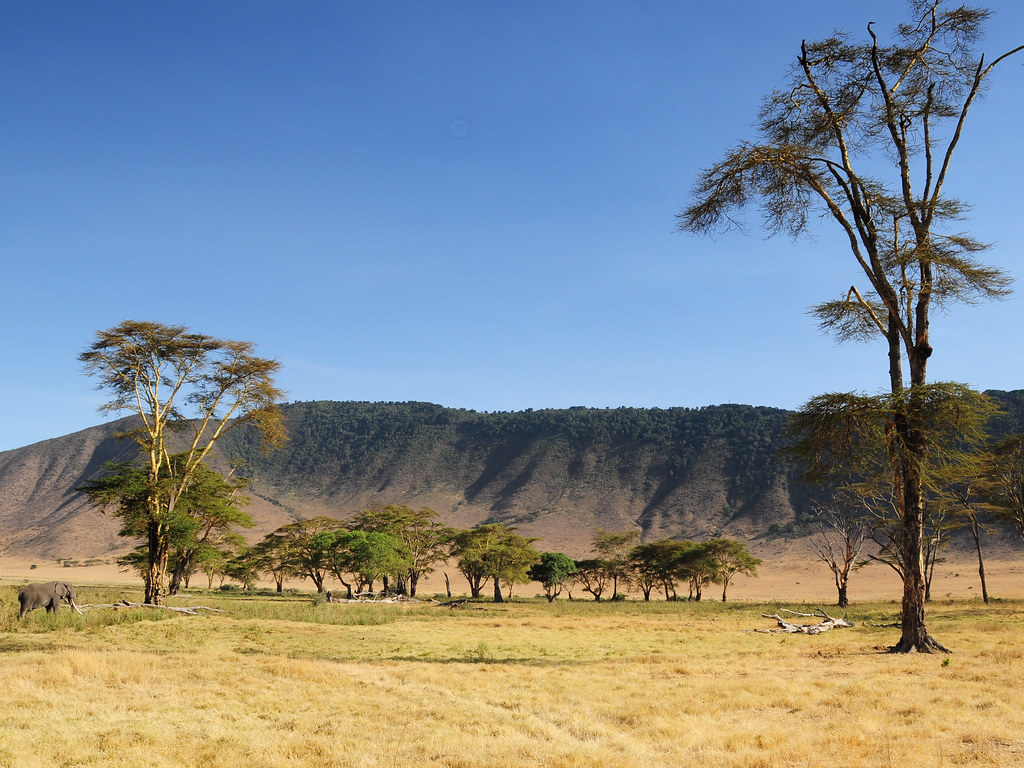
Wary Elephant by Kevin H., on Flickr


Safari Truck, Rear View by Kevin H., on Flickr
 
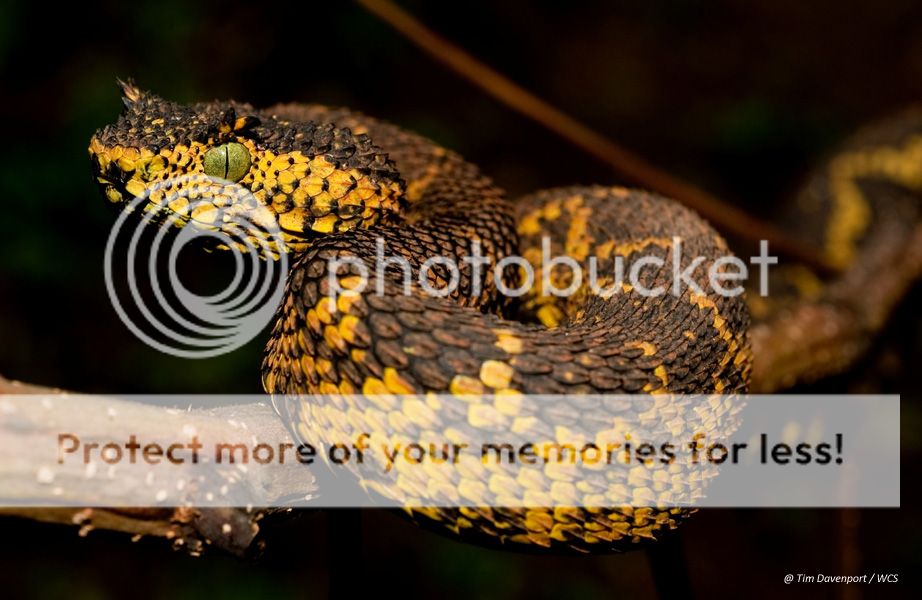
Colorful New Snake Species Discovered
trbd--7199_LR_copy.jpg

Caption: Matilda's Horned Viper, named after the daughter of one of the researchers, is a new species of bush viper.
Credit: WCS.


New Snake Species Discovered in Tanzania | New Snake Species, Bush Viper & Matilda's Horned Viper | OurAmazingPlanet.com
A new type of snake, a species of bush viper, was discovered in southern Tanzania during a recent biological survey. The snake's exact location is being kept secret to protect the visually striking black-and-yellow snake from illegal pet collectors.
The new species, named Matilda's Horned Viper (Atheris matildae), is described as having hornlike scales above its eyes and measuring 2.1 feet (60 centimeters). The Wildlife Conservation Society (WCS) researchers who conducted the survey named the new species after the daughter of study co-author Tim Davenport, director of WCS's Tanzania Program.The brightly hued snake bears a resemblance to the Usambara bush viper (Atheris ceratophora), although their scales differ and the new species is considerably larger.
 
Ndinda,mambo vp? fikeni na huku Pemba kuna vivutio vya aina nyingi hususan ni sehem za matumbawe kwani Pemba nayo pia ni jumla ya Tanzania!
 
Ndinda,mambo vp? fikeni na huku Pemba kuna vivutio vya aina nyingi hususan ni sehem za matumbawe kwani Pemba nayo pia ni jumla ya Tanzania!


mkuu usijali we are covering all parts of Tanzania, nimepost picha nyingi za visiwani paia katika international forum section ya general photography, hilo eneo ulilosema nimejaribu kupata picha zake sijafanikiwa ila ntajitahidi, pia si unajua tena wengine hapa ni madenti kusafiri ni mziki na picha nyingio tunazopost humu zinatoka kwa watu waliotembea maeneo mbalimbali na ndio tunatumia mwnay huu, kupata picha za maeneo mbalimbali, kama una picha zozote mkuuu usisite kupost pia, kwa pamoja tutawakilisha, au unasemaje mkuu, kuhusu yule nyoka, nimeona kuna eneo wameandika hawajatoa eneo maalumu anakoishi kwa kuwa wanaogopa (pet lovers) wasije wakamuwahi, hivyo basi kama anaweza kuwa pet sidhani kama ana sumu kali , haya ni maoni yangu, maana anaweza kuwa mkali lakini pet lovers wakafabnya chochcote kile ili mradi ammiliki na asimdhuru, hay ni yangu tuu mkuu, kitakachofuata itakua pemba special, cheers😛oa
 
Mkumbuu ancient town, Pemba, Tanzania.
The archaeological site of Ras Mkumbuu was a 10th century trading port on the east coast of Africa with a substantial Muslim occupation. Mkumbuu is located on the west coast of Pemba Island.
The mosque was very big at its time, a sunken town has been found under the sea, the pillars and the tombs are unique, and decorated with chinese bowls.
Ancienne ville de Mkumbuu Pemba,construite au 10eme siecle, elle etait un port de commerce tres important et a subi une tres forte influence musulmane. Elle est située sur la cote ouest de l'ile de Pemba (Zanzibar).
La mosquee etait d une taille tres importante pour l epoque. On a trouve une ville enfouie, les pillers et les tombeaux sont uniques, decores de bols chinois. Tanzanie


Ruins of Mkumbuu old mosque, Pemba, Tanzania by Eric Lafforgue, on Flickr


Old grave in Mkumbuu, Pemba, Tanzania by Eric Lafforgue, on Flickr


Boy jumping in the sea, Misali island, Pemba, Tanzania by Eric Lafforgue, on Flickr
 
Back
Top Bottom