Agriculture,Fisheries and livestock in Tanzania - East Africa

Agriculture,Fisheries and livestock in Tanzania - East Africa

Mwambie mwenzako huyo..kenya inaongoza afrika kwa kuuzia chakula UN....

tena isitoshe, robo ya maua ya tanzania hua yanauzwa kupitia kenya, maranyengine wakulima hawajali kama
yanabandikwa jina gani, kwavile kule ulaya maua ya tanzania hayajulikani sana, wanaprefere yaandikwe yametoka kenya ili yauzwe na faida nyingi
Kinacho ongeza mfumuko bei (inflation) kenya ni bei ya chakula, wakati inflation Tanzania inashuka haraka sana kwakuwa na chakula kingi na rahisi, kenya ina panada tena ina panda wakati bei ya mafuta duniani inashuka kitu ambacho kungesaidia kupunguza gharama ya uzalishaji.

Kenya haiwezi kuwa na mifugo mingi, nchi zilizo na mifugo mingi Afrika ya kwanza ni Ethiopia, ikifwatiwa na Tanzania. Ngombe tuu wapo zaidi ya million 25, mbuzi zaidi million 16 na hiyo ni rough estimate.
 
Ni kweli mkuu kwenye Supermarket shelves za Ulaya nilikuwa naona produces kutoka South Africa, Israel, Kenya - nikawa najiuliza maswali mengi: Hivi Tanzania tunashindwa nini? mwishowe nakajifariji kwamba wenda ikawa kwa kuwa Kenya na South Africa kuna White Farmers labda ndiyo maana bidhaa zao zinakubarika kwenye Supermakets za wazungu wenzao huku Ulaya!!
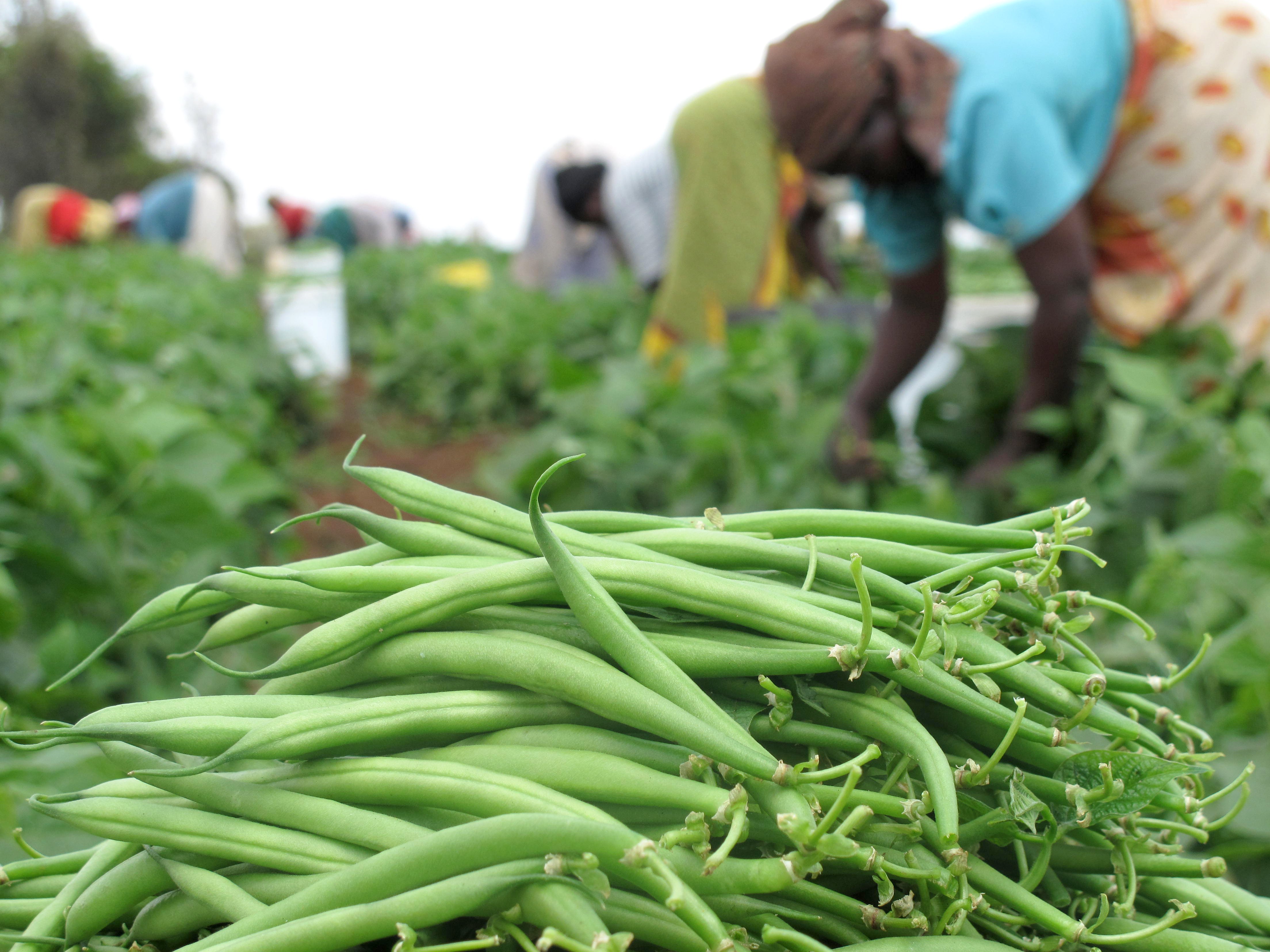
Wazungu kama jadi yao hawata kubali kuuziwa na mtu ambaye sio mzungu mwezao. Mimi nilisha ona bidhaa za Tanzania kwenye supermarket za UK tena nakumbuka zilikuwa long beans. Lakini ukichunguza sana utakuta zinatoka kwenye shamba la mzungu wenzao alie huku, au mzungu na anayefunga safari na kuja kununua hayo mazao huku. Na Kenya ni hivyo hivyo, na Zimbabwe na South Afrika ni hivyo hivyo. Na ndio tatizo la mkataba wa EPA kwetu Tanzania, kwamba sisi tutalima malighafi wazungu anachukuwa wanakwenda kuongeza thamani halafu wanaturidishia kama bidhaa mpya na kutuuzia.
 
asante annael kwa kubadili JF mtazamo wake. Hakika umeitendea haki kimasoko sekta ya kilimo, ufugaji na uvuvi. Naamini wananchi wachangamkie fursa hii na siyo kulalama tu.

Big ups annael
 
Green-Shoots-image-AgriTour-Kenya-Nov-2013-201.jpg

Study Tour to visit some of Kenya’s leading farm businesses
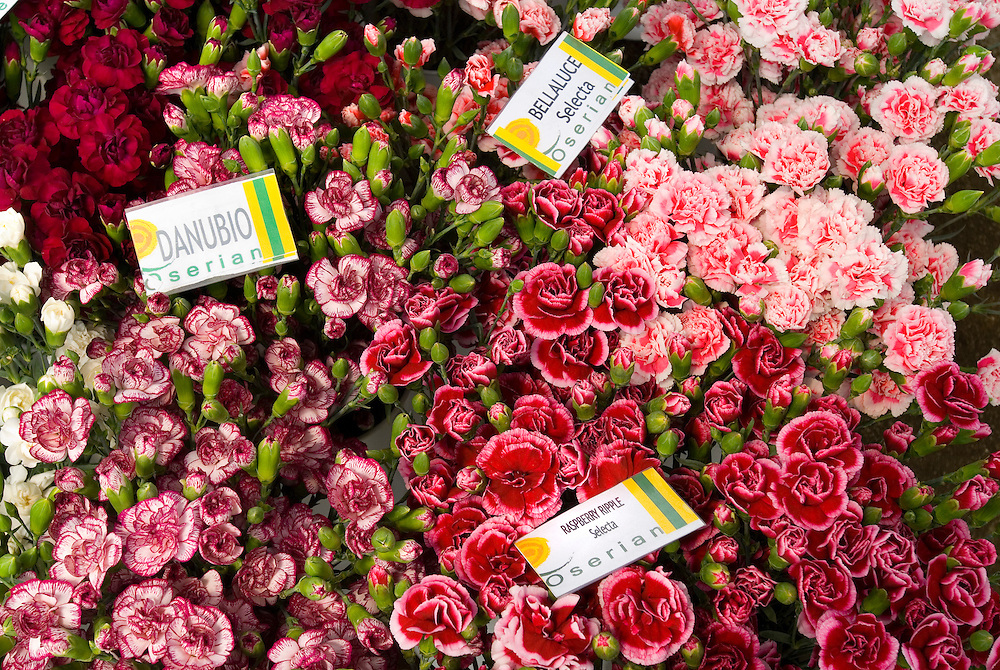
A-Kenyan-flower-farm.jpg

A Kenyan flower farm
 
Maua ata wilaya is hai -Kilimanjaro wanalipa pale dekker bruins. ...njia ya kwenda machame....arusha kuna mashamba pia USA river wacha kuyumba kwenda mbali Kenya
Bw annael
 
kenya-kisumu-tilapia-fish-farming-in-pond-women-collect-fish-larvae-FWDNEH.jpg


KENYA Kisumu, Tilapia fish farming in pond, women collect fish larvae of Tilapia for sale

GoldCagefish.jpg

The floating cages in Lake Victoria, Bondo. They help curb depletion of fish

Gold+Fish+1802+sa.JPG.jpg


Mark Orieny feeds caged fish in Lake Victoria. PHOTO | EVERLINE OKEWO


fish ponds central kenya

Gold+px.jpg


1242010.jpg


A fish pond in Tigania East which is part of a project under the county government

GoldBigCatfish15j.jpg


Domiciano Maingi and a few of his employees pose with a jumbo cat fish in his farm in Ruai, Nairobi PHOTO | RACHEL
KIBUI

85


COMPLETED: The newly renovated Epalela fish farm in the Omusati Region. PHOTO: KENYA KAMBOWE
 
Phase%202Nov08.JPG

Community based fish farming in Kenya

Aqua-shops-wide-landscape.jpg


Fish ponds belonging to Evelyn Nagemi in Samia district, Kenya.

fish271214.jpg


Farmer perfects ornamental fish farming, kenya
Governor for Uasin Gishu Jackson Mandago (L) during a visit at a fish farm using green houses
1277531.jpg
 
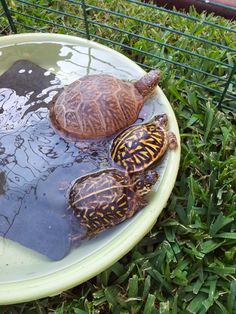
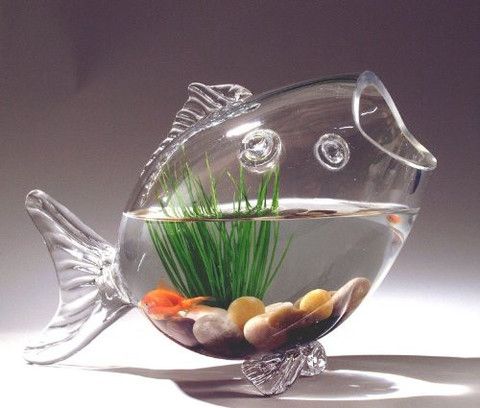
ornamental fish and turles farming!! brings good returns. unaauza na inches!! urefu wa samaki. nmetembelea mama mmoja sehemu za sagana kenya anawafuga hawa ornamental fish na turles and its a good investment!!!

upload_2016-11-21_19-16-39.jpeg


98ba4e07d020fbeebbc506153ef4d4ac.jpg


HTB1eh8cFVXXXXaqaXXXq6xXFXXX1.jpg

a272f8f2979685669afc25f406bf7554.jpg


Ornamental%20Fish.png

Gold+Ornamental+1803+hg.JPG.jpg


image127
 
Show-13.jpg

c79f0c164d6c67a5d3ba1385cf6abde1.jpg


Milk Vending as a Value Addition Business Opportunity in Kenya's Dairy Sector
sk3.jpg


21cg.jpg


murang'a county away from milk business!!!

HTB1I46tGVXXXXcsaXXXq6xXFXXXO.jpg

HTB1I46tGVXXXXcsaXXXq6xXFXXXO.jpg


HTB1I46tGVXXXXcsaXXXq6xXFXXXO.jpg


NewKCCStand.jpg


1461938628.jpg


whubgqrypormng4yncv755b67d61d1fe3.jpg

enzi rais moi maziwa ya skuli

molo-milk.png
 
ASKshow.jpg


MombasaASKshow.jpg

Mombasa ASK Show
GMO.jpg


AAEAAQAAAAAAAAOcAAAAJGJkYTMzMjM4LWQ2ZTctNGU4ZC05NDgwLWYxNTVjNWZjM2RjNA.jpg

.. Official Demonstration Units at Amiran Offices(Nairobi), Nakuru, Mombasa, Meru, Loitoktok, Garissa Farmers Training Centre and ASK Nairobi show ground, ..
trade-fair.jpg


DSC_7813.jpg

Show-goers are briefed on growing crops on a hydroponic system at the Nairobi International ASK Trade Fair 2016 .This is a method of growing plants using ...

1215472.jpg


ask-2016.jpg
 
ASKshow.jpg


MombasaASKshow.jpg

Mombasa ASK Show
GMO.jpg


AAEAAQAAAAAAAAOcAAAAJGJkYTMzMjM4LWQ2ZTctNGU4ZC05NDgwLWYxNTVjNWZjM2RjNA.jpg

.. Official Demonstration Units at Amiran Offices(Nairobi), Nakuru, Mombasa, Meru, Loitoktok, Garissa Farmers Training Centre and ASK Nairobi show ground, ..
trade-fair.jpg


DSC_7813.jpg

Show-goers are briefed on growing crops on a hydroponic system at the Nairobi International ASK Trade Fair 2016 .This is a method of growing plants using ...

1215472.jpg


ask-2016.jpg
Tulia basi acha fujo. Unajua kabisa hayo unayoyaweka ni takataka tu. Subiri tuwaelekeze wenzako msosi.
 
furaha yangu ni kuona jinsi unavyo umia rohoni, tunatoa taka kwa macho na maskio yako, kaa pembeni!!!

Kenya-Marine-Center-logo-post.jpg

Ideal-Hospitality-Expo-KMC-1-502x330.png


slaughter.jpg

kmc.jpg


Kenya Meat Commission plant in Athi River.


3243f8a0767f2540283559e6d94954f5.jpg
 
Baada ya matangazo ya maua kutoka kenya, ngoja sasa tulete vitu vya maana.
Ndugu zangu wakenya achaneni na kunywa chang'aa Tanzania kuna wine safi toka dodoma.
Wine ni original kabisa inatengenezwa kutoka kwenye zabibu safi ya dodoma.
Achanani na kuagiza wine zilizo chini ya kiwango hukooo. Njooni TZ kuna wine safi sana.
Ila wizi na ukwepaji wa kodi utafungwa.
MICHUZI BLOG_ Vodafone yazindua mpango wa Kilimo Klub kuwakomboa ___.jpg
Wakulima wa zabibu Dodoma ‘wamwangukia’ Salim Bakhresa - kitaifa ___.jpg
___ Mkuu Pinda atembelewa na jopo la semina ya fursa shambani kwake Dodoma.jpg
DOMPO Wine and Twiga Wine bottles from Dodoma.jpg
Dodoma_ Tanazania 's Dodoma region produces three wines -- dry white ___.jpg
 
chickenof-choice-kenchic.jpg

recipe.jpg


Record-Keeping1.jpg


Brooding
brooding2.jpg

HOME - POULTRY HUSBANDRY AND MANAGEMENT - BROODING
POSTED ON 18TH NOVEMBER 2014 BY ADMIN


Brooding is the provision of artificial heat to help the chicks in temperature regulation. The heat can be provided by gas, electricity or charcoal. The brooder area should be ready at least 24 hours before the chicks arrive.

  • Provide the chicks with biosecure, clean housing.
  • Arrange equipment to enable the chicks to access water and feed easily upon arrival.
  • Chicks should not have to move more than 1 m (3ft) to find water or feed in the first 24 hours.
  • Position supplementary feeders and drinkers near the main feeding and drinking systems.
  • Pre-heat the house and stabilize temperature and humidity before chick arrival – achieve a floor temperature of 28 0c – 30 0c.
On arrival at the farm unload and place chicks quickly. Ensure feed and water is available immediately. Allow chicks to settle for 1-2 hours then check behavior. During brooding emphasis should be on the following:

  • Temperature
  • Spacing
  • Ventilation
  • Feeding and water.
  1. TEMPERATURE
    During brooding it is important to maintain the proper temperature in the brooder. Below are the guidelines of the temperature to be maintained:

    AGE
    (weeks)
    TEMPERATURE (0C)
    At chick level
    TEMPERATURE (0C)
    In the house

    1 33 – 35 30 – 32
    2 30 – 32 27 – 29
    3 27 – 29 24 – 26
    4 24 – 26 21 – 23
    Temperature should be monitored by installing brooder thermometers at the height of the chicks. Also use chick behavior to determine if temperature is correct. Excessive chick noise during brooding is an indication of that the chicks are uncomfortable.
    Symptoms of improper brooder temperatures include:

    Low temperatures (chilled chicks)
    • Chicks huddle together especially under the brooder
    • Watery intestinal and fecal contents leading to watery / wet droppings and wet pasted vents.
    High temperatures (overheated chicks)
    • Chicks lie prostrate with their head and neck stretched out on the floor.
    • Chicks pant
    • Increased water consumption by the chicks, leading to distention of the crop and intestines.
    • Chicks move away from the heat source and seek cooler parts of the brooder.
    It is essential to maintain the proper temperatures during brooding as chicks which are chilled in the first day of life will be stressed, have increased mortality, dehydrated, retarded growth and a higher incidence of ascites. While overheated chicks will be dehydrated, resulting in high mortality, runting / stunting syndrome and poor flock uniformity. In severe cases there will be higher mortality due to cardiovascular failure (flip over).
  2. SPACING
    The brooding area should occupy 1/3 of the house during the first week of life. Expand the brooder area after every 2 days and the birds should occupy 2/3 of the house by the time they are 14 days. The birds should be allowed to occupy the whole house by the time they are three (3) weeks old. Proper spacing in the brooder ensures easy accessibility to feed and water hence good uniformity. Congestion in the brooder leads to high mortality due to starve outs and poor uniformity and stunted birds.
  3. VENTILATION
    During brooding it is essential to maintain proper ventilation regardless of the cost of maintaining the brooder temperatures. Ventilation is important in removing the ammonia from the house and ensuring that the litter is dry thereby reducing disease challenge. Chicks also require fresh air to grow and be productive.

    For proper ventilation also allow minimum ventilation 1 ft from the top and in high temperatures open the curtains from the top and not from the bottom. This is to avoid drafts. Chicks are susceptible to wind chill effects.
  4. FEEDING
    When chicks start to feed, they tend to eat a good meal. If chicks are feeding and drinking properly the crop fills with a mixture of feed and water. Gentle handling within the first 24 hours can indicate the chicks’ progress.

    Check a sample of birds 2 hours after arrival to ensure all chicks have found feed and water. Gently sample the crop of 30-40 chicks from 3 or 4 different places in the brooder.
Chick crop fill assessment:

Time of crop fill check after placement Target crop fill
(% of chicks with full crops)

2 hours 75%
12 hours >85%
24 hours >95%
 
Back
Top Bottom