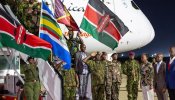
Human rights organizations in Haiti have intensified pressure on the United Nations following fresh allegations of abuse involving Kenyan police officers deployed under the Multinational Security Support (MSS) mission.
The concerns stem from a recent UN report that highlighted multiple cases of alleged sexual exploitation and abuse linked to personnel in the Haiti mission. Investigations by the UN’s human rights office found that several of the allegations were substantiated, raising serious questions about accountability within the international force.
According to the report, all four Haiti cases were substantiated following investigations conducted by the Office of the High Commissioner for Human Rights, raising serious concerns over misconduct in a mission intended to protect civilians.
The victims, all female and aged between 12 and 18, were subjected to sexual abuse, with one case involving the alleged impregnation of a minor by a Kenyan officer.
Rights groups have now called on the UN to take decisive action, including transparent investigations and accountability measures against those implicated. They argue that failure to act decisively risks undermining the credibility of the mission, which was deployed to restore stability in a country grappling with widespread gang violence.
The Kenya-led mission has been central to international efforts to combat insecurity in Haiti, where armed gangs control large parts of the capital, Port-au-Prince, and have driven mass displacement and humanitarian crises. However, the latest allegations have cast a shadow over the operation.
Kenya has strongly pushed back against the claims. Government officials, including Foreign Affairs authorities, have defended the conduct of Kenyan officers, stating that internal investigations found no evidence of wrongdoing and that the UN report may have misrepresented the situation.
The dispute has sparked a broader debate about oversight and accountability in international peace missions, particularly those operating under UN backing. Historically, such missions have faced criticism over handling misconduct allegations, with limited legal consequences for offenders.
Analysts warn that the controversy could affect Kenya’s standing as a lead contributor to the Haiti mission and may complicate future international deployments.
As pressure mounts, the UN is now under increasing scrutiny to ensure justice for victims while maintaining the integrity of its peacekeeping operations.