How smaller is Israel to most of Arab states?ahhaahha huu unaitwa mkwara mzito. Nahisi raisi wao akipita hapa tumbo litaunguruma!!!
Sent using Jamii Forums mobile app
Follow along with the video below to see how to install our site as a web app on your home screen.
Note: This feature may not be available in some browsers.
How smaller is Israel to most of Arab states?ahhaahha huu unaitwa mkwara mzito. Nahisi raisi wao akipita hapa tumbo litaunguruma!!!

ULIBWANJIWhy is there war when people with intellect allows fact and truth to discern? I dont see a need for war,
IT IS REQUIRED ONLY WHEN ONE PART WANTS TO SHOVE AWAY TRUTH AND ACT UNREASONABLY,
PAPERS OF HISTORICAL RECORDS ARE THERE LET THEM SPEAK, AND WHOEVER WILL DISAGREE WJTH THEM WILL BE SEVERELY TFEATED MILLITARLILY! MARK MY WORDS,

Wiseman, we salute you...Lake Victoria is shared, Lake Tanganyika is shared.The lower part of the lake is shared between Malawi and Mozambique. Why not also share the upper part between Tanzania and Malawi?
Mbona Malawi hawawadai Msumbiji ambao nao wanalitumia hilo ziwa kama ziwa lote ni lao ?Mkuu ukifuatilia vizuri huo mgogoro; nchi zote mbili ziko sahihi.
Historically, going by the treaties za wazungu walivoigawa Afrika, ziwa lote liko Malawi.
Lakini going by the custom in international law, Tanzania iko sahihi mpaka unatakiwa upite katikati. Sasa hapo tufanyeje?

and how bigger are the arab states?
The lake is known as LAKE NYASA not LAKE MALAWI.please sahihisha!Malawi needs to be proactive and not just reactive on the Lake Malawi boundary wrangle with its north-eastern neighbour, Tanzania. But while I am on this, let me warn that resorting to wresting the part of the lake Tanzania claims is its territory will only worsen the matter. To be brutally frank, and without underrating our military prowess, Malawi will be the bigger casualty in any military undertaking with Tanzania. Tanzania, geographically bigger than Malawi—is no match for us military-wise.
To begin with, we need the lake more than Tanzania needs the part they are claiming to belong to them. Unlike Tanzania, which also has lakes Victoria and Tanganyika and a long seashore on the Indian Ocean, Lake Malawi is our only biggest water resource body spanning all the three regions. As a result its economic importance to Malawi cannot be overstated.
We need the lake for transport purposes—which to say the least—we have underutilised. The lake’s fish resources are an economic lifeline for 90 percent of the people along the lakeshore who subsist as fishermen. Take away the lake and see what would become of people in Karonga, Nkhata Bay, Likoma and Chizumulo, part of Rumphi, Nkhotakota, Salima, Mangochi. In short, the lake is actually synonymous with their livelihood.
At national level, Lake Malawi is the main source of water for the Shire River, which is again the source of 90 percent of our hydro-electricity from Nkula, Tedzani and Kapichira hydro-power stations.
Agriculturally, Illovo and Dwangwa Sugar company—probably the country’s biggest employers—depend on water bodies from the Shire and Lake Malawi, respectively. And if we had visionary leaders, they would long have transformed lakeshore districts into breadbaskets for the entire country producing rice, maize and cassava.
Blantyre Water Board’s main source of water—Walker’s Ferry—is the Shire River (whose main source of water is Lake Malawi), meaning that the whole Blantyre city and parts of Chiradzulu and Thyolo are serviced by the Shire River.
As a tourist destination—which again I must state we have grossly underdeveloped—Lake Malawi’s importance cannot be overstated, contributing a good percentage to the tourism’s gross domestic product (GDP).
In short, Lake Malawi’s importance should not be something any caring government should only talk about when there are no elections in the country. In Tumbuka we would have said navyose vyamthengere.
If truth be told, since 2014 the DPP-led government has been in a power-drunken stupor on this important issue and is only being awakened now that Tanzania has published maps showing part of the eastern part of the lake as belonging to them.
Going to war with Tanzania over the lake would be foolhardy (Uchindere wakufikapo). They have both the military and economic might to annihilate us within a short period of time.
With the issues I have outlined above, not even the elections should have stopped us from getting the mediators to continue the talks. Why should everything else come to a standstill when there are elections? After all, it has been two years and six months since Malawi held its elections and one year since Tanzania went to the polls.
The problem on the part of Malawi is the ‘let sleeping dogs lie’ mentality. It is naïvity at its worst that the Malawi government only wants to do something when Tanzanians are on the offensive. That is not the way to go. Government should quickly get this issue to a logical conclusion.
It is a well-known fact that Tanzania wants half of the eastern part of the lake because of the oil exploration activities underway in the lake. And it is unlikely that the Sadc mediators—led by Mozambique former president Joachim Chissano—will side with Malawi on the issue, the Anglo-Heligoland Treaty notwithstanding. That is why it is important for Malawi to be proactive and take the issue to the International Court of Justice. That part of the lake is for Malawi to lose.

Speaking about Customary International Law in the Nyasa Conflict.
What Custom are you speaking about my friend?
The Principle of Uti Possidetis, Nyerere's Doctrine of State Succession or which Custom?
Please explain to us with facts.
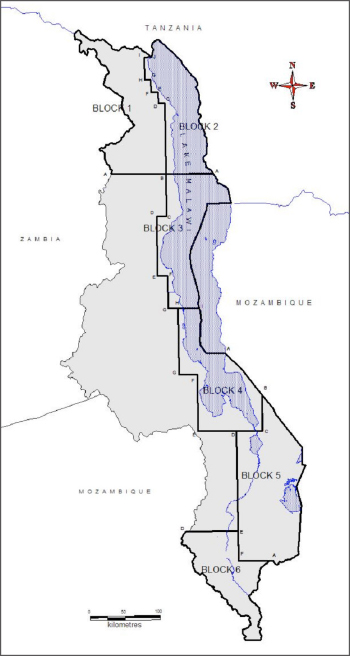


Well said. Neither Tanzania has never thought going to war with Malawi, let's have constructive dialogue over the issue in question for mutual benefit for both our country as we both share the lake. May God give our leaders wisdomMalawi needs to be proactive and not just reactive on the Lake Malawi boundary wrangle with its north-eastern neighbour, Tanzania. But while I am on this, let me warn that resorting to wresting the part of the lake Tanzania claims is its territory will only worsen the matter. To be brutally frank, and without underrating our military prowess, Malawi will be the bigger casualty in any military undertaking with Tanzania. Tanzania, geographically bigger than Malawi—is no match for us military-wise.
To begin with, we need the lake more than Tanzania needs the part they are claiming to belong to them. Unlike Tanzania, which also has lakes Victoria and Tanganyika and a long seashore on the Indian Ocean, Lake Malawi is our only biggest water resource body spanning all the three regions. As a result its economic importance to Malawi cannot be overstated.
We need the lake for transport purposes—which to say the least—we have underutilised. The lake’s fish resources are an economic lifeline for 90 percent of the people along the lakeshore who subsist as fishermen. Take away the lake and see what would become of people in Karonga, Nkhata Bay, Likoma and Chizumulo, part of Rumphi, Nkhotakota, Salima, Mangochi. In short, the lake is actually synonymous with their livelihood.
At national level, Lake Malawi is the main source of water for the Shire River, which is again the source of 90 percent of our hydro-electricity from Nkula, Tedzani and Kapichira hydro-power stations.
Agriculturally, Illovo and Dwangwa Sugar company—probably the country’s biggest employers—depend on water bodies from the Shire and Lake Malawi, respectively. And if we had visionary leaders, they would long have transformed lakeshore districts into breadbaskets for the entire country producing rice, maize and cassava.
Blantyre Water Board’s main source of water—Walker’s Ferry—is the Shire River (whose main source of water is Lake Malawi), meaning that the whole Blantyre city and parts of Chiradzulu and Thyolo are serviced by the Shire River.
As a tourist destination—which again I must state we have grossly underdeveloped—Lake Malawi’s importance cannot be overstated, contributing a good percentage to the tourism’s gross domestic product (GDP).
In short, Lake Malawi’s importance should not be something any caring government should only talk about when there are no elections in the country. In Tumbuka we would have said navyose vyamthengere.
If truth be told, since 2014 the DPP-led government has been in a power-drunken stupor on this important issue and is only being awakened now that Tanzania has published maps showing part of the eastern part of the lake as belonging to them.
Going to war with Tanzania over the lake would be foolhardy (Uchindere wakufikapo). They have both the military and economic might to annihilate us within a short period of time.
With the issues I have outlined above, not even the elections should have stopped us from getting the mediators to continue the talks. Why should everything else come to a standstill when there are elections? After all, it has been two years and six months since Malawi held its elections and one year since Tanzania went to the polls.
The problem on the part of Malawi is the ‘let sleeping dogs lie’ mentality. It is naïvity at its worst that the Malawi government only wants to do something when Tanzanians are on the offensive. That is not the way to go. Government should quickly get this issue to a logical conclusion.
It is a well-known fact that Tanzania wants half of the eastern part of the lake because of the oil exploration activities underway in the lake. And it is unlikely that the Sadc mediators—led by Mozambique former president Joachim Chissano—will side with Malawi on the issue, the Anglo-Heligoland Treaty notwithstanding. That is why it is important for Malawi to be proactive and take the issue to the International Court of Justice. That part of the lake is for Malawi to lose.

[emoji23][emoji23][emoji23][emoji23]mteru nini....

Use logic not colonial records to justify yourselves Malawians. Water bodies on shared boarders are shared by neighbors. The main source of water flowing into Lake Nyasa/Malawi is Tanzania. You want us to get permission from you to use our own water? Ridiculous. Let us share.Why is there war when people with intellect allows fact and truth to discern? I dont see a need for war,
IT IS REQUIRED ONLY WHEN ONE PART WANTS TO SHOVE AWAY TRUTH AND ACT UNREASONABLY,
PAPERS OF HISTORICAL RECORDS ARE THERE LET THEM SPEAK, AND WHOEVER WILL DISAGREE WJTH THEM WILL BE SEVERELY TFEATED MILLITARLILY! MARK MY WORDS,

[emoji23] [emoji23] [emoji23] [emoji23] [emoji23][emoji23][emoji23][emoji23][emoji23]mteru nini....
try me
Hio avatar yako ni noma[emoji23][emoji23][emoji23][emoji23]mteru nini....
try me
Check your facts. We are fishing in Lake Victoria. It is s marine transport way. We are using the water for irrigation and human utility. No comparison with the Malawi claims. The Lake is shared with Kenya and Uganda.The main source of The Great River Nile lies in the heart Tanzania and Uganda (Lake Victoria)
Yet you don't bear any rights in utilizing any of it, needless to say that even your former Presidents acknowledged this fact ; And don't ever forget that its the NILE TREATY of 1929 signed by the so called "Whitemen" that made your government unable to utilize the water resource.

I think the best solution here would be a jointly owned authority by Malawi, Mozambique and Tanzania to own and manage the lake and its resources on behalf of the respective governments.The main source of The Great River Nile lies in the heart Tanzania and Uganda (Lake Victoria)
Yet you don't bear any rights in utilizing any of it, needless to say that even your former Presidents acknowledged this fact ; And don't ever forget that its the NILE TREATY of 1929 signed by the so called "Whitemen" that made your government unable to utilize the water resource.

There you got it wrong, internationally it is known as lake Malawi,ni huku kwetu tu ndio tunaita ziwa Nyasa.I wonder why the writer calls it Lake Malawi while it's official name is Lake Nyasa?
Ha ha..!Kodi amwene mwasuta chamba olo mwamwa Special muwili mixing na ka sachet. You just made me laugh this early bells.

I think the best solution here would be a jointly owned authority by Malawi, Mozambique and Tanzania to own and manage the lake and its resources on behalf of the respective governments.
Whatever is found is shared equally between us three.