
UKWELIYAKINIFU
Member
- Oct 6, 2020
- 27
- 50
Politicians are often derided as liars and unreliable; while politics is equated to a mere game of lies. Some would call it a dirty game. But why is it the case? Because politicians would promise anything to win votes, and when confronted by the electorate about fulfilling the campaign promises, they would say ‘it is just politics ….’ It is for this reason, the former Soviet Union’s Premier, Nikita Khrushchev opined that “politicians are the same world over: they promise to build a bridge even when there is no river”. In Africa, the distrust for politicians is overwhelmingly troubling. There is a saying in Africa that ‘if a politician tells to you it is dark outside, go witness it yourself’.
This denigrative attitude and cynicism towards politicians is expressed at the expense the lives of voters. As you and I are aware, in an election, the electorate has a sacrosanct right to rank the candidates by scrutinizing their manifestos so as to elect appropriate policies and to remove from power those who have failed to deliver. As such, politics should be issue-based, and the moment voters have entrusted someone with leadership legitimacy, such a politician must be able to implement his/her political agenda scientifically. This is what we learn from this Chemist, Dr. John Pombe Joseph Magufuli- the President of the United Republic of Tanzania, who is dubbed the Bulldozer.
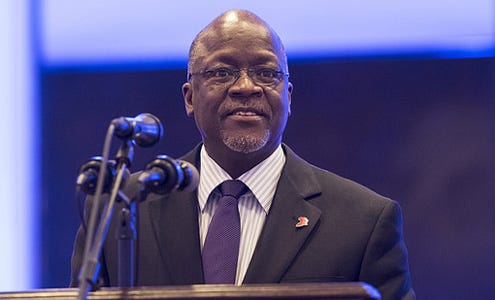
They say, a prophet is not honoured at home, but bringing ‘science’ into politics is indeed a rare contribution to African political leadership. Magufuli ought to be remembered in Africa in the way he has attempted to employ a science-based approach to implement political promises that he made to Tanzania nearly 5 years ago, and followed them with a strategy for implementation. In the final analysis, majority of Magufuli’s promises that were enunciated in November 2015 had been achieved by 70 percent and above in 2020. One wonders as to whether his choice of the method and style in the dispensation and implementation of his political agenda is influenced by his background as a top notch Chemist or just his political shrewdness! But I definitely think African leaders can pick a thing or two.
When President Magufuli took over the reins of power from his predecessor Jakaya Mrisho Kikwete in 2015, he promised to stick to the CCM manifesto, which implied continuity in terms of policies, but he did it in a very transformative way. On 20thNovember, 2015, when Magufuli inaugurated the 11thParliament of the United Republic of Tanzania, he listed more than 20 challenges that he collected from the citizens during the campaign meetings held in all parts of the country. And then he made a firm promise before the Parliament to work on these issues. He went to work. Guided by his slogan of #HapaKaziTu, he dealt with these issues one by one in accordance with his promises. As such, the science of politics in his approach can be systematically encapsulated in the procedures: namely identification of the challenge through the citizens’ voices, making a promise to tackle them, laying down strategies for dealing with them and then reporting on the progress made at the end of the term.
When he came back to address the last session of the parliament on June 16th2020, he reported progress on how he dealt with these issues accordingly. This brief article may not take you through all of the recorded achievements punctuated by this science-based approach to politics, but we may talk about a few issues. One of the problem that bedevilled Tanzania and Africa in general is corruption. We have heard from many politicians in Africa promising to tackle corruption during campaigns but Dr. Magufuli has showed us how it can be done. In his first year in office, he introduced the Economic, Corruption and Organized Crimes High Court’s Division, which started its operations immediately. In its few years of operation it has registered 407 grand corruption cases 385 of which have already been determined. He has also strengthened the role of an erstwhile branded ‘toothless dog’ namely the Prevention and Combating of Corruption Bureau (PCCB), which has rescued about Tsh. 272.38 billion and it has filled about 2,256 corruption cases between 2015–2020. It is Magufuli’s devotion to fighting corruption in all forms that had banished new scandals related to corruption in the country.
The second area that attests to the Magufulication of politics is social services. The Fifth phase Administration began by collecting data on the state of social services in the country particularly on education, health services, and water. In the education sector, many children from poor families could not afford the pay to access primary and ordinary level education. Magufuli promised them free education from primary to secondary school level, pushing up the number of pupils who are being registered and those who complete primary education. For instance, the number of students who join secondary schools has increased from 56% in 2015 to an impressive 87.7% in 2020.
The health sector was partially dilapidated from the infrastructures and facilities to availability of medicine, equipment and services. During Magufuli’s administration, 71 new hospitals, 487 health centres and 1,198 were constructed in order to bring the services close to the people. Most importantly, the Government increased the health budget to augment availability of medicine in health centres from 57% in 2015 to 94.4% in 2020. Water services in rural areas have also improved from 47 percent in 2015 to 70.1 in 2020 while in urban areas water availability has increased from 74 percent in 2015 to 84 percent in 2020. This improvement is evidently a result of massive investments in major and minor projects the water sector.

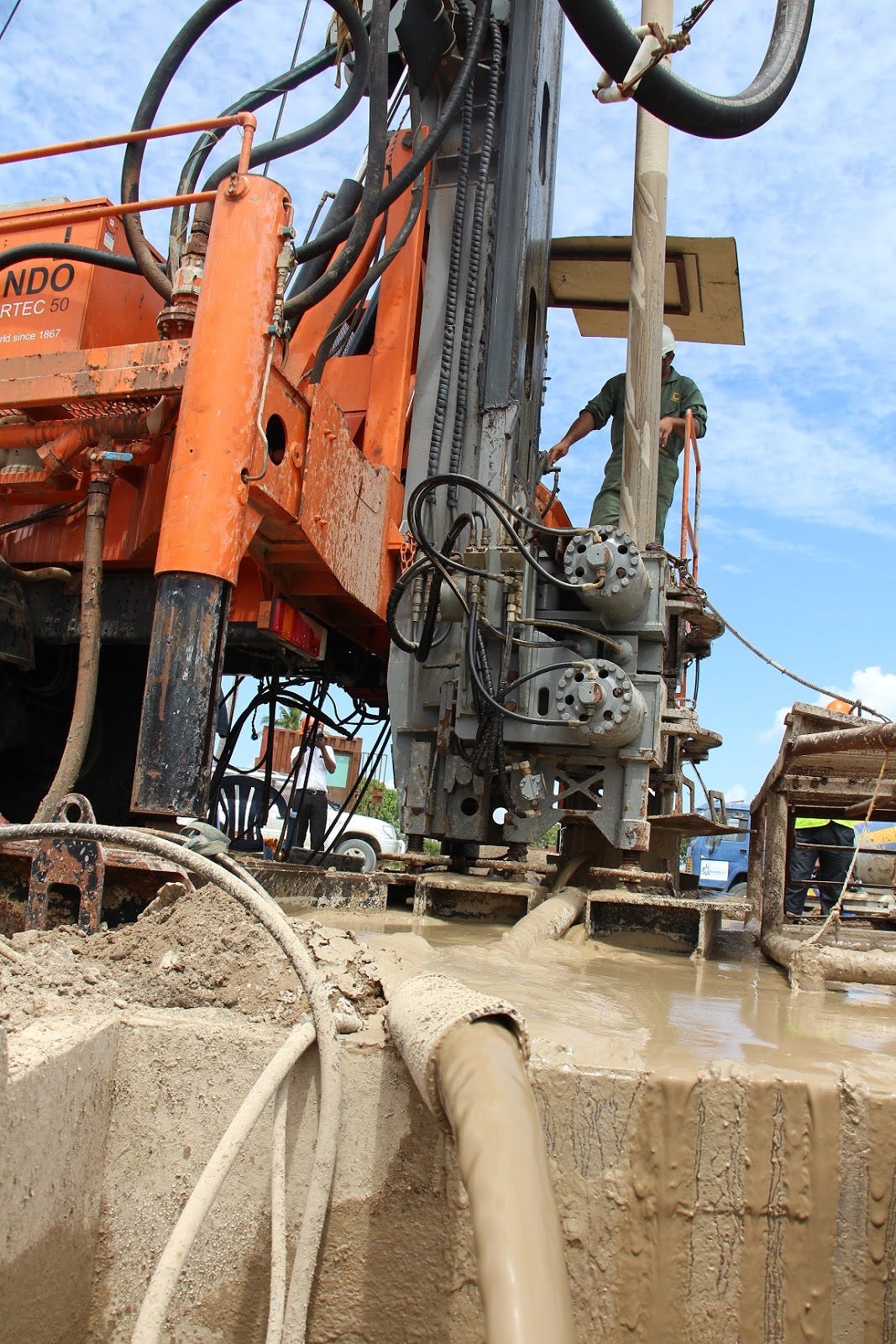
I would not do justice to the rural population if I will not echo their voices regarding the rural electrification project. Magufuli’s administration did not only increase production of electricity from MW 1,308 as recorded in 2015 to MW 1,602.32 as per 2020 stats, but they also ensured that there is supply of such an important energy source in rural areas at a relatively low cost. It is noted that in 2015 only 2,081 villages had electricity supply. But in 2020, the Magufuli administration has increased the supply of electricity to 9,112 villages. Electricity is key to establishment of small scale industries, which are essential for the transformation of the country.
When I read literature about this unique son of Africa, I note that some analysts have attributed Magufuli’s success to his steadfastness to instil a culture of hard work and a no nonsense approach to leadership. While not disputing that, one cannot take away his shrewdness and intellectualism of using science in the implementation of his political agenda. His leadership mission is destined to triumph because he does a proper diagnosis of the problem, and lays down proper strategies to resolve it.
It’s no wonder that, the Magufuli administration has led Tanzania to achieve its goal of becoming a middle income country 5 years earlier than it was initially projected. The World Bank Report of July 2020 has declared Tanzania a middle income country with per capita GNI of USD 1,121 way up from USD 992 of the per capita GNI recorded in 2015. Given his steadfastness towards development and his illustrious devotion for the poor, we expect the Magufuli administration to invest heavily in development of the people so that the people’s livelihood will reflect a middle income country in the remaining 5 years of his second term in office. Thumbs up to the Bulldozer!!
This denigrative attitude and cynicism towards politicians is expressed at the expense the lives of voters. As you and I are aware, in an election, the electorate has a sacrosanct right to rank the candidates by scrutinizing their manifestos so as to elect appropriate policies and to remove from power those who have failed to deliver. As such, politics should be issue-based, and the moment voters have entrusted someone with leadership legitimacy, such a politician must be able to implement his/her political agenda scientifically. This is what we learn from this Chemist, Dr. John Pombe Joseph Magufuli- the President of the United Republic of Tanzania, who is dubbed the Bulldozer.
They say, a prophet is not honoured at home, but bringing ‘science’ into politics is indeed a rare contribution to African political leadership. Magufuli ought to be remembered in Africa in the way he has attempted to employ a science-based approach to implement political promises that he made to Tanzania nearly 5 years ago, and followed them with a strategy for implementation. In the final analysis, majority of Magufuli’s promises that were enunciated in November 2015 had been achieved by 70 percent and above in 2020. One wonders as to whether his choice of the method and style in the dispensation and implementation of his political agenda is influenced by his background as a top notch Chemist or just his political shrewdness! But I definitely think African leaders can pick a thing or two.
When President Magufuli took over the reins of power from his predecessor Jakaya Mrisho Kikwete in 2015, he promised to stick to the CCM manifesto, which implied continuity in terms of policies, but he did it in a very transformative way. On 20thNovember, 2015, when Magufuli inaugurated the 11thParliament of the United Republic of Tanzania, he listed more than 20 challenges that he collected from the citizens during the campaign meetings held in all parts of the country. And then he made a firm promise before the Parliament to work on these issues. He went to work. Guided by his slogan of #HapaKaziTu, he dealt with these issues one by one in accordance with his promises. As such, the science of politics in his approach can be systematically encapsulated in the procedures: namely identification of the challenge through the citizens’ voices, making a promise to tackle them, laying down strategies for dealing with them and then reporting on the progress made at the end of the term.
When he came back to address the last session of the parliament on June 16th2020, he reported progress on how he dealt with these issues accordingly. This brief article may not take you through all of the recorded achievements punctuated by this science-based approach to politics, but we may talk about a few issues. One of the problem that bedevilled Tanzania and Africa in general is corruption. We have heard from many politicians in Africa promising to tackle corruption during campaigns but Dr. Magufuli has showed us how it can be done. In his first year in office, he introduced the Economic, Corruption and Organized Crimes High Court’s Division, which started its operations immediately. In its few years of operation it has registered 407 grand corruption cases 385 of which have already been determined. He has also strengthened the role of an erstwhile branded ‘toothless dog’ namely the Prevention and Combating of Corruption Bureau (PCCB), which has rescued about Tsh. 272.38 billion and it has filled about 2,256 corruption cases between 2015–2020. It is Magufuli’s devotion to fighting corruption in all forms that had banished new scandals related to corruption in the country.
The second area that attests to the Magufulication of politics is social services. The Fifth phase Administration began by collecting data on the state of social services in the country particularly on education, health services, and water. In the education sector, many children from poor families could not afford the pay to access primary and ordinary level education. Magufuli promised them free education from primary to secondary school level, pushing up the number of pupils who are being registered and those who complete primary education. For instance, the number of students who join secondary schools has increased from 56% in 2015 to an impressive 87.7% in 2020.
The health sector was partially dilapidated from the infrastructures and facilities to availability of medicine, equipment and services. During Magufuli’s administration, 71 new hospitals, 487 health centres and 1,198 were constructed in order to bring the services close to the people. Most importantly, the Government increased the health budget to augment availability of medicine in health centres from 57% in 2015 to 94.4% in 2020. Water services in rural areas have also improved from 47 percent in 2015 to 70.1 in 2020 while in urban areas water availability has increased from 74 percent in 2015 to 84 percent in 2020. This improvement is evidently a result of massive investments in major and minor projects the water sector.
I would not do justice to the rural population if I will not echo their voices regarding the rural electrification project. Magufuli’s administration did not only increase production of electricity from MW 1,308 as recorded in 2015 to MW 1,602.32 as per 2020 stats, but they also ensured that there is supply of such an important energy source in rural areas at a relatively low cost. It is noted that in 2015 only 2,081 villages had electricity supply. But in 2020, the Magufuli administration has increased the supply of electricity to 9,112 villages. Electricity is key to establishment of small scale industries, which are essential for the transformation of the country.
When I read literature about this unique son of Africa, I note that some analysts have attributed Magufuli’s success to his steadfastness to instil a culture of hard work and a no nonsense approach to leadership. While not disputing that, one cannot take away his shrewdness and intellectualism of using science in the implementation of his political agenda. His leadership mission is destined to triumph because he does a proper diagnosis of the problem, and lays down proper strategies to resolve it.
It’s no wonder that, the Magufuli administration has led Tanzania to achieve its goal of becoming a middle income country 5 years earlier than it was initially projected. The World Bank Report of July 2020 has declared Tanzania a middle income country with per capita GNI of USD 1,121 way up from USD 992 of the per capita GNI recorded in 2015. Given his steadfastness towards development and his illustrious devotion for the poor, we expect the Magufuli administration to invest heavily in development of the people so that the people’s livelihood will reflect a middle income country in the remaining 5 years of his second term in office. Thumbs up to the Bulldozer!!


