Loading failed
JF-Expert Member
- Sep 14, 2023
- 2,603
- 7,501
Wakuu wangu habari za wakati huu..
Naombeni msaada wa haya madude. Hapa chini
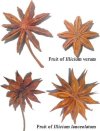
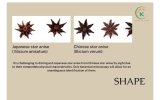
Nataka niwe na kunywa chai ya star anise na nimeenda sokoni kununua star anise. Cha kushangaza wakati na peruzi peruzi kabla sijanywa nikakutana na hili tishio huku lisemalo star anise za kichina ndiyo salama kutumia lakini zile za japani siyo salama kuzitumia kwa kuingiza ndani ya mwili maana zina sumu na zinaweza kukupelekea kifo.
Nb..KABLA SIJASABABIAHA MAAFA WAKUU WANGU
Naombeni kujua kati ya hizi star anise tunazo uziwa huku masokoni ni hizi za kichina au za kijapani..
na je, ni bora na salama hizi za huku Tz tunazo uziwa kuzitumia kwa kuloweka na kunywa kama chai na kunywa?
Imeelezewa kwenye lugha za wenzetu hapa chini.
1: Japanese star anise,
Illicium anisatum, with common names Japanese star anise,[1] Aniseed tree,[1] and sacred Anise tree,[1] known in Japanese as shikimi (樒, シキミ), is an evergreen shrub or small tree closely related to the Chinese star anise (Illicium verum). Since it is highly toxic, the fruit is not edible; instead, the dried and powdered leaves are burned as incense in Japan. Its branches and evergreen leaves are considered highly sacred by Japanese Buddhists[2] due to insects' aversion to them and their ability to remain fresh after pruning
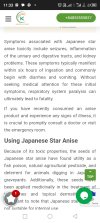
Symptoms associated with Japanese star anise toxicity include seizures, inflammation of the urinary and digestive tracts, and kidney problems. These symptoms typically manifest within six hours of ingestion and commonly begin with diarrhea and vomiting. Without seeking medical attention for these initial symptoms, respiratory system paralysis can ultimately lead to fatality.
2: chinese star anise
Illicium verum is not toxic. However, other related species are toxic.
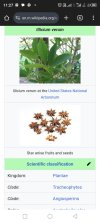
Illicium verum (star anise or badian, Chinese star anise, star anise seed, star aniseed and star of anise) is a medium-sized evergreen tree native to South China and northeast Vietnam. Its star-shaped pericarps harvested just before ripening is a spice that closely resembles anise in flavor. Its primary production country is China, followed by Vietnam and other Southeast Asian countries.[2] Star anise oil is a highly fragrant oil used in cooking, perfumery, soaps, toothpastes, mouthwashes, and skin creams. Until 2012, when they switched to using genetically modified E. coli, Roche Pharmaceuticals used up to 90% of the world's annual star anise crop to produce oseltamivir (Tamiflu) via shikimic acid.[3]
NB..NIPO HAPA MBELE YENU NAOMBENI KUJUA WAKUU. JE, HIZI ZA HUKU KWETU TUNAZO UZIWA MASOKONI ZINAFAA KUTUMIKA KWA KULOWEKA NA KUNYWA KAMA CHAI.. JE, SIYO ZA KIJAPANI ?
Naombeni msaada wa haya madude. Hapa chini
Nataka niwe na kunywa chai ya star anise na nimeenda sokoni kununua star anise. Cha kushangaza wakati na peruzi peruzi kabla sijanywa nikakutana na hili tishio huku lisemalo star anise za kichina ndiyo salama kutumia lakini zile za japani siyo salama kuzitumia kwa kuingiza ndani ya mwili maana zina sumu na zinaweza kukupelekea kifo.
Nb..KABLA SIJASABABIAHA MAAFA WAKUU WANGU
Naombeni kujua kati ya hizi star anise tunazo uziwa huku masokoni ni hizi za kichina au za kijapani..
na je, ni bora na salama hizi za huku Tz tunazo uziwa kuzitumia kwa kuloweka na kunywa kama chai na kunywa?
Imeelezewa kwenye lugha za wenzetu hapa chini.
1: Japanese star anise,
Illicium anisatum, with common names Japanese star anise,[1] Aniseed tree,[1] and sacred Anise tree,[1] known in Japanese as shikimi (樒, シキミ), is an evergreen shrub or small tree closely related to the Chinese star anise (Illicium verum). Since it is highly toxic, the fruit is not edible; instead, the dried and powdered leaves are burned as incense in Japan. Its branches and evergreen leaves are considered highly sacred by Japanese Buddhists[2] due to insects' aversion to them and their ability to remain fresh after pruning
Symptoms associated with Japanese star anise toxicity include seizures, inflammation of the urinary and digestive tracts, and kidney problems. These symptoms typically manifest within six hours of ingestion and commonly begin with diarrhea and vomiting. Without seeking medical attention for these initial symptoms, respiratory system paralysis can ultimately lead to fatality.
2: chinese star anise
Illicium verum is not toxic. However, other related species are toxic.
Illicium verum (star anise or badian, Chinese star anise, star anise seed, star aniseed and star of anise) is a medium-sized evergreen tree native to South China and northeast Vietnam. Its star-shaped pericarps harvested just before ripening is a spice that closely resembles anise in flavor. Its primary production country is China, followed by Vietnam and other Southeast Asian countries.[2] Star anise oil is a highly fragrant oil used in cooking, perfumery, soaps, toothpastes, mouthwashes, and skin creams. Until 2012, when they switched to using genetically modified E. coli, Roche Pharmaceuticals used up to 90% of the world's annual star anise crop to produce oseltamivir (Tamiflu) via shikimic acid.[3]
NB..NIPO HAPA MBELE YENU NAOMBENI KUJUA WAKUU. JE, HIZI ZA HUKU KWETU TUNAZO UZIWA MASOKONI ZINAFAA KUTUMIKA KWA KULOWEKA NA KUNYWA KAMA CHAI.. JE, SIYO ZA KIJAPANI ?