US and Europe in Talks With Ukraine on Possible 'Peace Deal' With Russia - Report
2 hours ago
As Kiev flounders with its counteroffensive, political support for propping up the Volodymyr Zelensky regime gradually wanes in some US political circles; meanwhile, Israel’s war on Hamas takes center stage, prompting speculation as to how swiftly Ukraine fatigue will gather momentum, and what it may spill out into.
Quiet conversations are already reportedly taking place between US and European officials on the one hand, and the Ukrainian government on the other, about possible
peace negotiations with Russia.
The discussions have touched upon concessions Ukraine might need to agree to if any deal is to be possible, according to current and former senior Washington officials cited in a US report. A meeting of representatives from more than 50 nations, including NATO members supporting the Kiev regime, known as the
Ukraine Defense Contact Group, held in October, purportedly served as a venue for some of these “
delicate” talks, as per the report.
“…There’s a growing sense that it’s too late, and it’s time to do a deal,” one former senior Washington official was quoted as saying.
As to why these talks have been gathering momentum, the outlet’s sources acknowledged that they have been triggered by both,
military dynamics on the battlefield, where Ukraine faces a
botched counteroffensive, and the
political situation in the US and Europe.
Botched Counteroffensive
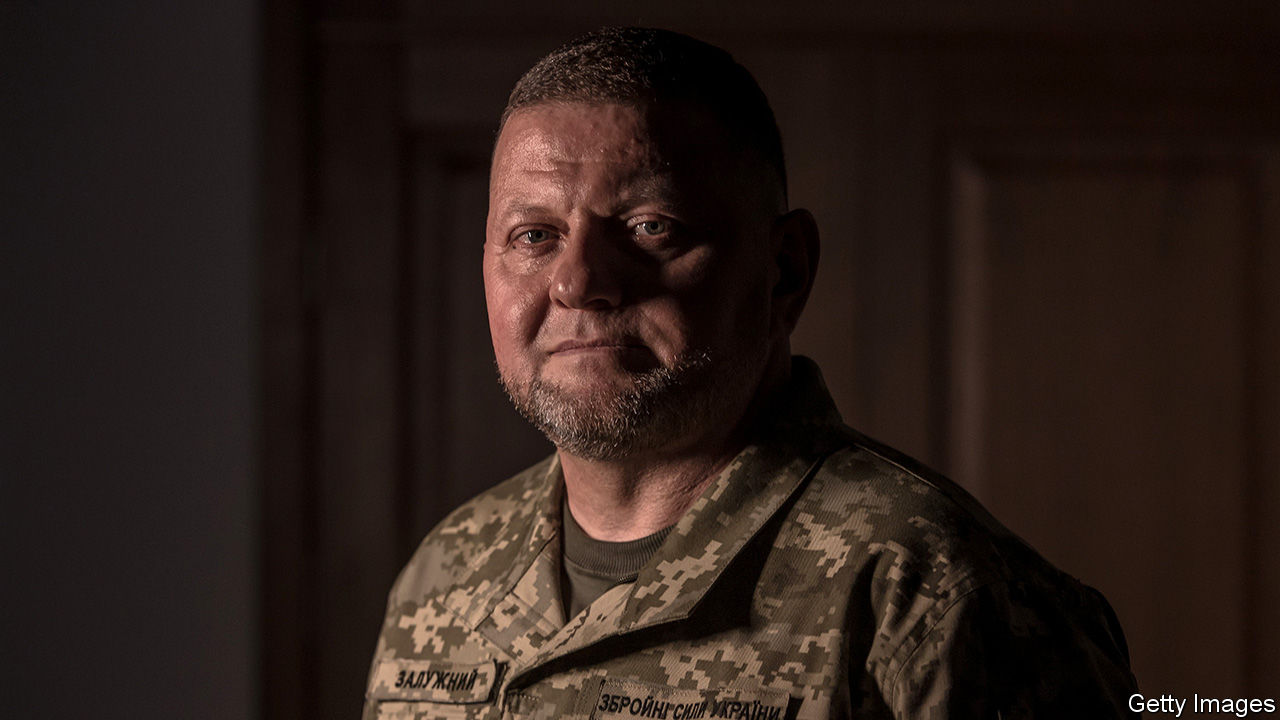
First of all, there is growing acknowledgement that no amount of military assistance to Ukraine has helped its efforts to break through Russia’s defense lines. Even a top Ukrainian general, Valery Zaluzhny, admitted that despite “
NATO’s textbooks” and “
calculations,” Kiev needed to take a massive technological leap to break the current "
stalemate" in its
counteroffensive against Russian troops. “
There will most likely be no deep and beautiful breakthrough,” he underscored in an interview with the UK's
Economist magazine. Moscow, however, understandably
took issue with the word “
stalemate,” denying there was a battlefield impasse, and vouching for the fact that Russia consistently continues to conduct the
special military ops to achieve its set objectives.
Ukraine lost over 90,000 servicemen killed and wounded since start of counteroffensive on June 4, Russia’s Minister of Defence Sergei Shoigu said on October 30. It was added that the Ukrainian counteroffensive had failed to achieve significant success on the battlefield, with the Ukrainian forces losing around600 tanks and about 1,900 armored vehicles.The Russian Army will continue to "methodically and confidently" carry out assigned tasks in the special military op zone, added the ministry.
Ukraine Fatigue
There is also a growing doubt about the ability to continue sustaining the flow of
aid to Ukraine, officials reportedly said. Just recently, the US House of Representatives voted to approve a massive
multibillion-dollar aid package for Israel that does not include similar billions of dollars of extra funding for Kiev. Having spent $43.9 billion on security assistance for Ukraine since February 2022, as per the Pentagon, the Biden administration now reportedly has about $5 billion left to send to Kiev before the money runs out.
Nevertheless, the US Department of Defense
announced a new $300 million military assistance package for Ukraine on Friday in addition to a $125 million drawdown.
On November 2, the US House
cleared the $14.3 billion security aid package for Israel mostly along party lines, with the US Senate since indicating that it will draw up its own package that joins funds for both Ukraine and Israel. The bill faces an uphill battle in the Senate, and a veto threat from the White House.
'Running Out of Manpower'
Furthermore, Biden administration officials are said to be concerned that Ukraine Armed Forces are
running out of manpower. Ukraine has been under martial law since February 24, 2022, with President Volodymyr Zelensky signing an order for the country's general mobilization. With men between the ages of 18 and 60 forbidden to leave the country, draftees are often handed notices in various public places, including streets, gas stations, and cafes. Often the use of force is required from security forces and military personnel conducting raids on potential draftees. More recently, there have been scores of protests in Ukrainian cities, with people demanding a cap of 18 months on the currently open-ended mandatory military service for draftees. Ukraine’s fast-depleting military forces have been increasingly worrying US President Joe Biden, insiders told the outlet.
"Manpower is at the top of the administration’s concerns right now,” one source was cited as saying, adding that while military assistance is being delivered to Ukraine, “if they don’t have competent forces to use them it doesn’t do a lot of good.”
In another unexpected twist for the Zelensky regime, the latest dramatic escalation in the
Palestine-Israel conflict dating to the surprise attack launched by Hamas on October 7 has
overshadowed the Ukraine crisis. Coupled with long-growing
Ukraine fatigue, this has generated fears in Washington that securing additional aid for Kiev could become ever more challenging.
Analyzing Ukraine’s
meager battlefield achievements, some US officials reportedly privately said that Kiev has until the end of this year or slightly more before the pressing issue of peace negotiations takes center front. American officials have purportedly disclosed their view on such a “timeline” to European allies.
Ukraine’s lack of progress on the battlefield has translated also into dwindling public support for
sending more aid down that awning void, said officials. A recent Gallup poll revealed that 41 percent of Americans believe that their country is doing too much to help Kiev – up from the 24 percent just three months ago.
Nevertheless, a senior US administration official cited in the report dismissed speculations that Washington was attempting to nudge Kiev toward talks, adding that the Ukrainians, “
are on the clock in terms of weather, but they are not on the clock in terms of geopolitics.”
The US has participated with Ukraine
in discussions of its '
peace summit' framework, a Biden administration official was cited as noting in response to the report, adding that the White House “
is not aware of any other conversations with Ukraine about negotiations at the moment.”
As for 'peace' talks with Ukraine, Moscow has repeatedly indicated that it is ready for negotiations, but Kiev has introduced a ban on them at a legislative level. Russia's Foreign Minister
Sergey Lavrov emphasized at the UN General Assembly in September that Moscow would not consider any proposals of a ceasefire, "because the one time we did consider it, you [Kiev] deceived us." Speaking about Ukrainian President Volodymyr Zelensky's 10-point "Peace Formula," Sergey Lavrov noted it is not remotely realistic, although the West regards it as the only basis for peace in Ukraine.
"
We are guided by the ugly reality, and it is such that Zelensky and everyone who leads him from Washington, London and Brussels firmly says with one voice, 'There is no other basis for peace other than Zelensky's formula.'