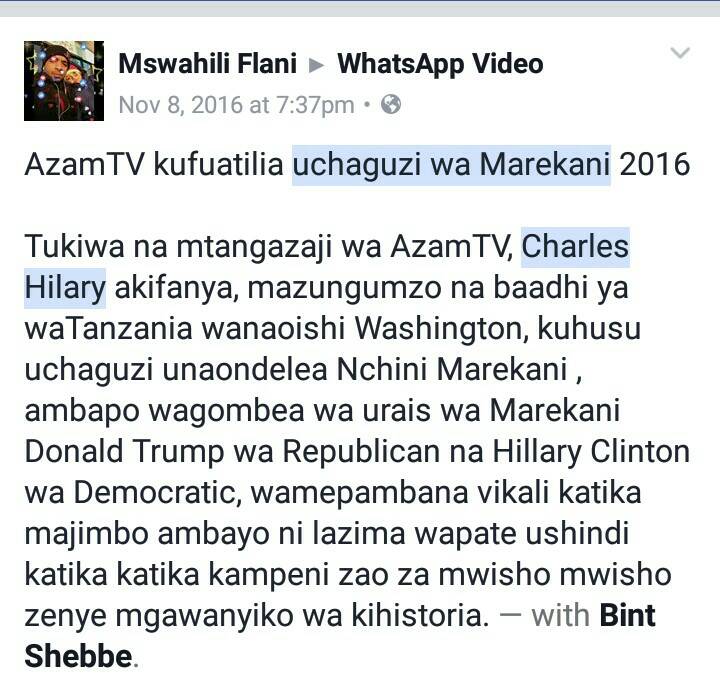
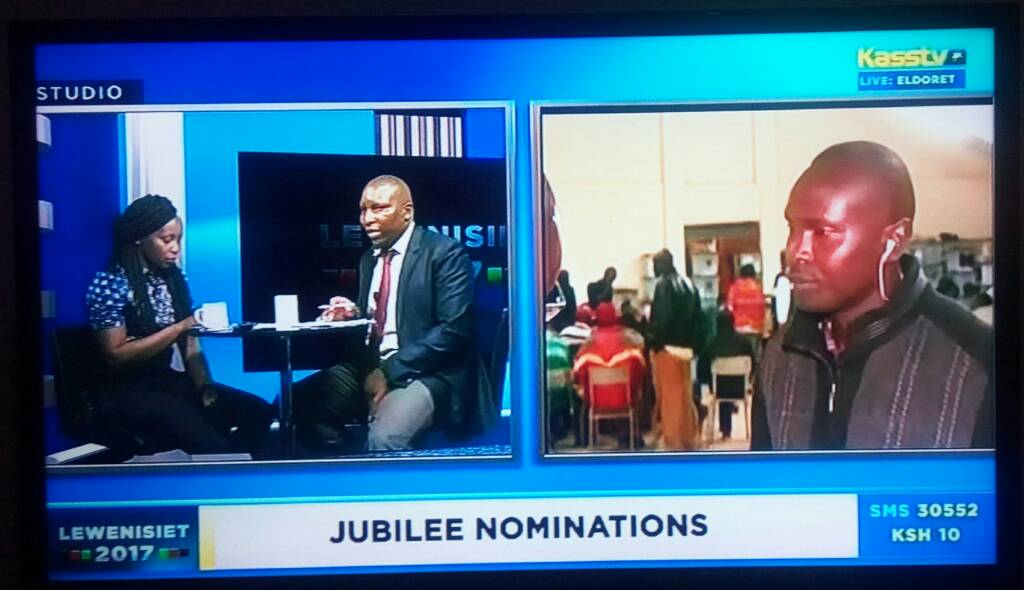
Uchaguzi Kenya: Azam TV yatuma reporter wa kuripoti uchaguzi huo

Uchaguzi Kenya: Azam TV yatuma reporter wa kuripoti uchaguzi huo

Upo ukabila, ila hakuna mtu atakukataza kuishi mahali popote utakapo. Kwa sasa hakuna mji, jiji ama kijiji ambacho hakina kabila zote, enda garissa utapata mkikuyu, mjaluo, mluhya, mkisii, Msomali, Borana kila mtu!!
Sema (NENDA)
Sio "ENDA"
 
Big deal? It's the first time ever a Tanzanian media house has posted a journalist to cover an event in another country!

pole sana buda kwa kuwa na mawazo duni.hiyo ndio shida ya kukurupuka kukomenti bila kufanya uchunguzi.shame on you.[emoji23] [emoji23]

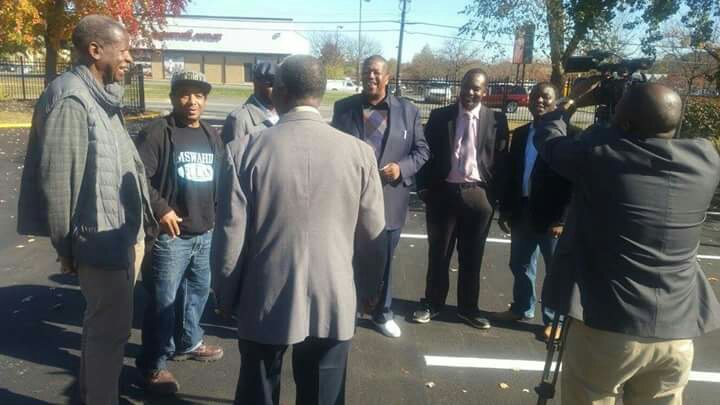
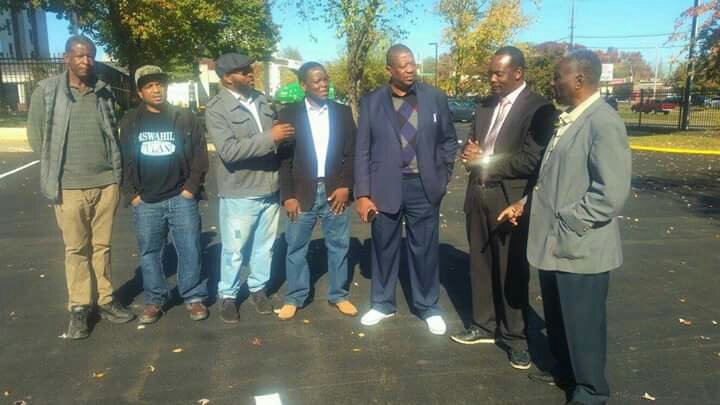
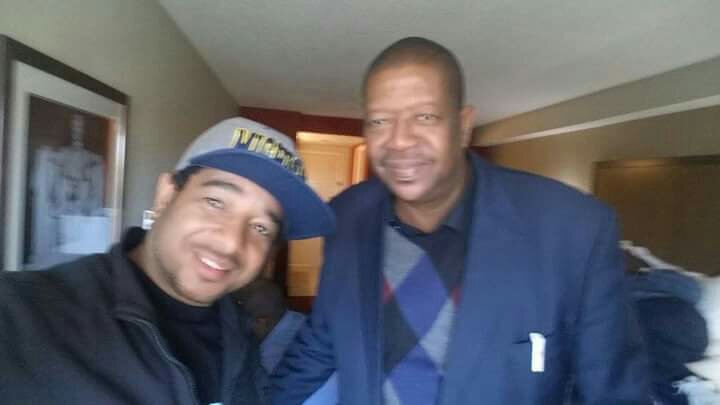
last year during the US election,azam tv, sent its best news anchor;Charles Hilary (former BBC swahili new anchor) to cover the US election.

he had different live interviews with east africans living in US.
[emoji23] [emoji23] [emoji23] [emoji116] [emoji116] [emoji23] [emoji23] [emoji23]
06cae8382cd126bfc30cbe41947ec164.jpg
a31434e0f5c9a79674996e0a4ee4858c.jpg
49078877ca7b983092863737c8e953cc.jpg
c44a97a2dbb1493e2012a693a2d9b17e.jpg
 
Is there a cure for this illness affecting you guys?Coz this must be the Insomnia club!So late in the nait,on jf,like vampires! Guess piriton doesn't work anymore!
 
Ka! Timu inakamilika
bagamoyo ulikuwa wapi
nyie ndio Vidume wa Kenyan news
Huwa napenda sana comment zenu hasa miaka ya Nyuma kiukweli mlikuwa moto wakuotea mbari

Mkuu,
Tupo, hata kama sijatupia mstari mmoja hapa JF/Kenya huwa nafuatilia kwa kusoma michango/uzi wao, maana news zao zingine wanatia chumvi sana na hivyo inabidi niingie kwa kuandika comments kurekebisha sawa rekodi na mambo, kwa kifupi lazima tuhariri kwa karibu thread za kina the MK254s jukwaa la Kenyan News & Politics/JF ili JamiiForums heshima na viwango vyake viendelee kuaminiwa ulimwenguni kote.
 
What is so special kadoda11 ?
mkuu, uliniuliza "what is so special?,nikakuomba uendelee kuvuta subira.

soma comment za huyu mkenya kilaza hapa chini utambue u- special wa hii thread.
jamaa wanahasira sana.hawaamini kinachotoea leo hii kwa watz.

hofu yao kubwa wanaogopa waandishi wetu wasije wakaripoti maisha duni ya wakenya kule kibera na mathare.

ngoja nitampigia ivona afanye mahojiano na wakazi wa kibera.
[emoji23] [emoji23] [emoji23]
I have never seen a more useless topic like this one,even in the entire jf archives!Meeen!Sooo pathetic ,just wish I had not seen it in the first place!

Is there a cure for this illness affecting you guys?Coz this must be the Insomnia club!So late in the nait,on jf,like vampires! Guess piriton doesn't work anymore!
 
Chakushangaza starmedia dish tanzania ni jipu na waliopo hawana nia ya kuendeleza campun.

Iweje kipindiki hiki cha uchaguzi star media dish wasiwe na channel hata moja ya kenye..huu ni ujinga saana

Wameweka machamnel zaidi ya 30 ya uganda.wameshindwa kuweka hata channel moja ya kikenya

Hongera azam kwa kutuma mtazamaji ..ni media mnayojali matakwa ya client wenu

Jirani zenu startimes hawajitambui.wanafanya biashara za mazoea
 
Ivi huo ukabila kenya upoje
Tanzania naweza kwenda Mbeya nikakaa miaka wala siulizwi kabila langu
nilishangaa siku moja MOTOCHINI anasema
Kenya kila Kabila lina Redio yake
hii nikweli?

ukabila wa kenya ni wa aina yake hapa EA.sio tu radio hata baadhi ya TV stations, zinarusha matangazo yake kwa lugha za kikabila.

mfano kuna hii TV moja inaitwa kass tv (inapatikana kwenye king'amuzi cha azam chaneli namba 136).

hii TV inatangaza matangazo yake kwa lugha ya kikalenjin 24/7.kama unatumia king'amuzi cha azam,itafute.
df9a1fc5cb038edcade00851b15fc81f.jpg
 
Chakushangaza starmedia dish tanzania ni jipu na waliopo hawana nia ya kuendeleza campun.

Iweje kipindiki hiki cha uchaguzi star media dish wasiwe na channel hata moja ya kenye..huu ni ujinga saana

Wameweka machamnel zaidi ya 30 ya uganda.wameshindwa kuweka hata channel moja ya kikenya

Hongera azam kwa kutuma mtazamaji ..ni media mnayojali matakwa ya client wenu

Jirani zenu startimes hawajitambui.wanafanya biashara za mazoea
nitawafikishia hizi pongezi watu wa azam media.
 
Either unapenda sana Kenya au unatamani sana kuw mKenya. Hongera kwako.
 
Either unapenda sana Kenya au unatamani sana kuw mKenya. Hongera kwako.
hilo sasa povu mkuu.
tulia wakati "kisu cha ngariba" kikikata mahala pake.[emoji23] [emoji23] [emoji23]
 
mkuu, uliniuliza "what is so special?,nikakuomba uendelee kuvuta subira.

soma comment za huyu mkenya kilaza hapa chini utambue u- special wa hii thread.
jamaa wanahasira sana.hawaamini kinachotoea leo hii kwa watz.

hofu yao kubwa wanaogopa waandishi wetu wasije wakaripoti maisha duni ya wakenya kule kibera na mathare.

ngoja nitampigia ivona afanye mahojiano na wakazi wa kibera.
[emoji23] [emoji23] [emoji23]
Buda sipendangi ujinga!Kwa hivyo we specialize na ujinga tu!Acha mi nijipe shughli,yaani nitembeze kiatu!
 
Sunday August 3 2014
Nairobi, Kenya

Nairobi's little tribal villages

When Jackson Anyore’s uncle invited him to Nairobi in 1995 to come and look for a job, the young man, who had just completed primary school, was apprehensive.

However, on arrival in Kawangware from Vihiga, his fears quickly melted away, as life in the shanty-town was like an extension of the village.

Apart from his relatives, the place was mostly populated by fellow Luhyas, so he mostly communicated in Luhya, ate traditional Luhya foods and attended Sunday services at the nearby Pentecostal Assemblies of God Church.

Anyore is among the millions of Kenyans living in low-income areas, whose lives in the cosmopolitan capital city closely resemble that in their villages. Indeed, many low-income areas in Nairobi are carved out into tribal villages.

In Kenya, specific tribes occupy particular geographical areas, where they speak their language and follow their culture, but it is not until they move from their rural homes that ethnicity becomes more significant.

Most urban settlement patterns in Kenya, and particularly among the poor, respond to tribal identity. Anthropologists say the practice is grounded on certain concepts.

For Paulina, Makongeni in Nairobi, with its predominantly Luo residents , must have been safe haven. Here, she could feel safe and thus easily integrate.

In other words, Paulina was going to “communicate with other individuals effectively”, says Mr Shilabukha Khamati, a research fellow at the Institute of Anthropology and Gender Studies, at the University of Nairobi.

Meanwhile, Bahati Estate in Nairobi is predominantly Kikuyu. Its residents, besides speaking their mother tongue, also speak a version of sheng that borrows from the language. Some of the pubs bear Kikuyu names, and a tour of the estate reveals that some of the older folk farm just the way they would in their rural homes.

In Kawangware, the constellation of Luhya sub-tribes predominate, so it is not unusual to hear stereotypes of how the Abasamia are proud, or the Maragoli are self-centred.

A more interesting situation exists in Korogocho, which is sub-divided into nine zones, each dominated by a different community. Nyayo, Ngomongo and Kisumu Ndogo are predominantly Luo and Luhya areas; Grogon A, Grogon B, Korogocho A and B are predominantly Kikuyu; Highridge A and Highridge B are for Cushitic communities and the Luhya respectively.

Mary Wambui, 77, says she was among the first people to arrive in Korogocho in 1978. She invited her kin and friends, who gradually joined her there.

Soon, some of the Kikuyus began renting houses to Luos living in Ngomongo. Luos occupied a section of Korogocho in such large numbers that they nicknamed it Kisumu Ndogo.

The Luhya, probably due to their proximity to the Luo, both geographically and culturally, followed. Today, Kisumu Ndogo is predominantly a Luo and Luhya zone.

The second factor that determines where a person settles in an urban area is opportunity, according to Dr Olungah. A combination of solidarity and opportunity explains why these tribal grouping exist mainly among the poor.

“The nature of the jobs they do in urban centres means they have to live close to their workplaces, preferably within walking distance,” says Dr Olungah.

'BECOME PARANOID'

Unfortunately, politicians have misused these tribal groupings for selfish ends by, first, dehumanising members of other communities. “The purpose is to play on the mental fears of the group and instil fear into their identity,” says Khamati.

“It is at that point that ethnicity, which is not in itself a bad thing, degenerates into tribalism, nepotism, favouritism, and the many other isms,” says Dr Olungah.

“If there is no process, particularly a political process, to make me feel a Luo, I will feel excluded from the apparatus of governance,” he adds.

“And once you feel excluded from the apparatus of governance, you become paranoid, so you create a “them-versus-us” mentality, in which you feel safe only among your own,” he explains.

And this paranoia can have far-reaching effects, as evidenced during the 2007/2008 post-election violence, when ethnic chauvinists attacked those they viewed as enemies.

Source: Nairobi’s little tribal villages

C.C Edward Wanjala said ''Upo ukabila, ila hakuna mtu atakukataza kuishi mahali popote utakapo. Kwa sasa hakuna mji, jiji ama kijiji ambacho hakina kabila zote, enda garissa utapata mkikuyu, mjaluo, mluhya, mkisii, Msomali, Borana kila mtu!!''
 
Mkuu Zuwenna,
Hakika Tunao kila hatua, wakipinda kushoto tunao, wakikata kona kulia tupo, mpaka kieleweke kama alivyosema Deputy President wa Kenya, Mh. William Ruto wakati akitafuta kura za Jubilee kule county ya Turkana March 2017, Ila sisi tunafuatilia kama jirani mwema kuona kama kuna haja ya kuja kuamulia ngumi za kupinga matokeo ya uchaguzi kama za mwaka 2007.


NTV Kenya

[emoji23] [emoji23] [emoji23] [emoji23] [emoji115] [emoji115] [emoji115]
 
Nairobi's little tribal villages

When Jackson Anyore’s uncle invited him to Nairobi in 1995 to come and look for a job, the young man, who had just completed primary school, was apprehensive.

However, on arrival in Kawangware from Vihiga, his fears quickly melted away, as life in the shanty-town was like an extension of the village.

Apart from his relatives, the place was mostly populated by fellow Luhyas, so he mostly communicated in Luhya, ate traditional Luhya foods and attended Sunday services at the nearby Pentecostal Assemblies of God Church.

Anyore is among the millions of Kenyans living in low-income areas, whose lives in the cosmopolitan capital city closely resemble that in their villages. Indeed, many low-income areas in Nairobi are carved out into tribal villages.

In Kenya, specific tribes occupy particular geographical areas, where they speak their language and follow their culture, but it is not until they move from their rural homes that ethnicity becomes more significant.

Most urban settlement patterns in Kenya, and particularly among the poor, respond to tribal identity. Anthropologists say the practice is grounded on certain concepts.

For Paulina, Makongeni in Nairobi, with its predominantly Luo residents , must have been safe haven. Here, she could feel safe and thus easily integrate.

In other words, Paulina was going to “communicate with other individuals effectively”, says Mr Shilabukha Khamati, a research fellow at the Institute of Anthropology and Gender Studies, at the University of Nairobi.

Meanwhile, Bahati Estate in Nairobi is predominantly Kikuyu. Its residents, besides speaking their mother tongue, also speak a version of sheng that borrows from the language. Some of the pubs bear Kikuyu names, and a tour of the estate reveals that some of the older folk farm just the way they would in their rural homes.

In Kawangware, the constellation of Luhya sub-tribes predominate, so it is not unusual to hear stereotypes of how the Abasamia are proud, or the Maragoli are self-centred.

A more interesting situation exists in Korogocho, which is sub-divided into nine zones, each dominated by a different community. Nyayo, Ngomongo and Kisumu Ndogo are predominantly Luo and Luhya areas; Grogon A, Grogon B, Korogocho A and B are predominantly Kikuyu; Highridge A and Highridge B are for Cushitic communities and the Luhya respectively.

Mary Wambui, 77, says she was among the first people to arrive in Korogocho in 1978. She invited her kin and friends, who gradually joined her there.

Soon, some of the Kikuyus began renting houses to Luos living in Ngomongo. Luos occupied a section of Korogocho in such large numbers that they nicknamed it Kisumu Ndogo.

The Luhya, probably due to their proximity to the Luo, both geographically and culturally, followed. Today, Kisumu Ndogo is predominantly a Luo and Luhya zone.

The second factor that determines where a person settles in an urban area is opportunity, according to Dr Olungah. A combination of solidarity and opportunity explains why these tribal grouping exist mainly among the poor.

“The nature of the jobs they do in urban centres means they have to live close to their workplaces, preferably within walking distance,” says Dr Olungah.

'BECOME PARANOID'

Unfortunately, politicians have misused these tribal groupings for selfish ends by, first, dehumanising members of other communities. “The purpose is to play on the mental fears of the group and instil fear into their identity,” says Khamati.

“It is at that point that ethnicity, which is not in itself a bad thing, degenerates into tribalism, nepotism, favouritism, and the many other isms,” says Dr Olungah.

“If there is no process, particularly a political process, to make me feel a Luo, I will feel excluded from the apparatus of governance,” he adds.

“And once you feel excluded from the apparatus of governance, you become paranoid, so you create a “them-versus-us” mentality, in which you feel safe only among your own,” he explains.

And this paranoia can have far-reaching effects, as evidenced during the 2007/2008 post-election violence, when ethnic chauvinists attacked those they viewed as enemies.

Source: Nairobi’s little tribal villages
C.C Edward Wanjala
uko off topic my friend. nilidhani we ni bingwa kumbe nilikuwa nakosea. we ndio Zuzu kabisa! zuzu la kutupwa kwenye barabara ya reli. copy paste ii takataka umeleta apa utengeneze uzi mwingine.
Zuzu.
 
Back
Top Bottom