Uchochezi wa Mohamed Said na dhihaka kwa Wapigania Uhuru wa Tanganyika na Zanzibar

Uchochezi wa Mohamed Said na dhihaka kwa Wapigania Uhuru wa Tanganyika na Zanzibar

Nyerere himself has never talked about this election or how he came to lead the Party in Dar es Salaam. The nearest he got to reflect on Abdulwahid was in the farewell speech to Elders of Dar es Salaam, and unfortunately his memory failed him as he could not recall what post Abdulwahid was occupying when he (Nyerere) joined TAA in 1952.

Mohamed, hii quote hapo juu inahitaji masahihisho, kama unataka kuwa credible.

Jasusi,
Niwe credible kwa nani?
 
Nguruvi3, huyo ndiye Mohamed Said, kama kuna tunu alipewa na Muumba wake ni utaalamu wake mkubwa katika fani ya ulaghai...kuupaka rangi uongo ili ufananefanane na ukweli. Hapo nyuma kwenye posti na.11543 iliyotolewa na Wickama ikimgusia Oscar Kambona, ukisoma kwa makini utabaki tu unashangaa na kujiuliza maswali mengi kuhusiana hizi porojo za Mohamed Said. Pamoja na yote ushahidi wote tulioweza kuutoa humu toka hii mada ianze nitaongezea tu chache ambazo Mohamed Said, kwa makusudi, kuwaficha wasomaji walengwa kwani zingemuumbua kwa hila zake ovu.

Mohamed Said haongelei mikutano mingi tu ya TAA iliyokuwa ikifanyika mwaka 1953 nyumbani kwa Mwalimu Nyerere akiwa Pugu kabla ya kuhamia jijini Dar es Salaam. Ilikuwa ni nyumba ambayo ni waafrika wachache wangeweza kupewa wakati wa Mkoloni na ilikuwa na nafasi ya kutosha.

Mohamed Said kwa makusudi haelezi kuwa sababu iliowalazimisha waliokuwa viongozi wa TAA kumfuata Mwalimu Pugu ni kwamba shughuli za TAA zilianza kudorora chini ya uongozi wa Abdulwahid Sykes baada ya kuondoka kwa Dr. Vedasto Kyaruzi, na alihitajika kiongozi bora zaidi.

Mohamed Said anaficha umiliki wa jengo lilitotumiwa na TAA na kwa makusudi anasema Abdulwahid Sykes alishuhudia ujenzi wake siku za Jumapili alipofuatana na baba yake. Asichosema ni kuwa je, walikuwa wanajenga hiyo nyumba kama wamilki wa kiwanja au wajenzi tu?

Mohamed Said hasemi Mwalimu alivyoshinda usiku kucha akisoma katiba na sheria zilizotolewa na serikali kuwezesha kuandikishwa kwa TAA na kuangalia uwezekano wa kuigeuza iwe chama cha siasa na mwishowe kugundua kwamba hilo halingewezekana na kuuarifu uongozi wa TAA.

Mohamed Said kwa makusudi hatambui juhudi za Mwalimu, baada ya kukamata uongozi, katika kuiimarisha TAA kama chombo cha Watanganyika na si Dar es salaam peke yake mpango ambao ulikuja kusaidia sana katika kuieneza TANU baada ya kuundwa mwaka moja baadaye.

Mag3,

Hizo ngano zako endelea kuwalisha wenzako msome vizuri Nyerere hapo juu anavyoelezea mwenyewe harakati za uhuru wa Tanganyika alikuwa na kina nani na alipelekwa na nani kwa kina Abdulwahid.

Nenda kamuulize Mama Maria kuhusu Nyerere alivyokuwa anaishi na Wazee wa Kiswahili Kariakoo tufahamishe hiyo mikutano mingi ya TAA iliyokuwa inafanyika Pugu kwa Nyerere ni ipi? Nyerere mpaka anaingia kaburini hakuwahi kusema hizo ngano zako za Pugu.

TAA imeanza kupata nguvu baada ya Abdulwahid na Mwapachu kufanya mapinduzi walipochoshwa na uongozi wa wazee bila ya kumshauri mtu yeyote waliivamia ofisi ya TAA na kufanya mapinduzi kwa kumtoa msobe msobe Clement Matamila na kuitisha uchaguzi.
 
Watumwa waliokuwa waliokuwa wakipitia Zanzibar walikuwa wanapelekwa kwenye mashamba ya wazungu Carribean,Madagascar na hata America.


Hili la kuwaombea wafike salama waendako lilifanywa na makanisa kule Afrika Magharibi.
Wewe unapouliza lini misikiti ilikemea biashara ya watumwa,tukuulize lini umetafuta ushahidi kwa upande wa misikitini ukaukosa.Sijui kwenye makanisa yenu kama kuna sehemu inayokemea biashara hii lakini kwenye misikiti mara nyingi makhatibu wa Ijumaa hutoa khutba zenye makemeo mbali mbali moja wapo ni kutoka aya hii ya Qur'an.
لاَ يُؤَاخِذُكُمُ اللَّهُ بِاللَّغْوِ فِي أَيْمَانِكُمْ وَلَكِن يُؤَاخِذُكُم بِمَا عَقَّدتُّمُ الأَيْمَانَ فَكَفَّارَتُهُ إِطْعَامُ عَشَرَةِ مَسَاكِينَ مِنْ أَوْسَطِ مَا تُطْعِمُونَ أَهْلِيكُمْ أَوْ كِسْوَتُهُمْ أَوْ تَحْرِيرُ رَقَبَةٍ فَمَن لَّمْ يَجِدْ فَصِيَامُ ثَلاثَةِ أَيَّامٍ ذَلِكَ كَفَّارَةُ أَيْمَانِكُمْ إِذَا حَلَفْتُمْ وَاحْفَظُواْ أَيْمَانَكُمْ كَذَلِكَ يُبَيِّنُ اللَّهُ لَكُمْ آيَاتِهِ لَعَلَّكُمْ تَشْكُرُونَ
Mwenyezi Mungu hatakushikeni kwa viapo vyenu vya upuuzi, lakini atakushikeni kwa mnavyo apa kweli kweli kwa makusudio. Basi kafara yake ni kuwalisha masikini kumi kwa chakula cha wastani mnacho walisha ahali zenu, au kuwavisha, au kumkomboa mtumwa. Asiye pata hayo, basi afunge siku tatu. Hii ndiyo kafara ya viapo vyenu mnapo apa. Na hifadhini yamini zenu. Namna hivyo Mwenyezi Mungu anakubainishieni Aya zake ili mpate kushukuru (Qur'an:Almaida(5):89)


I know of no abolitionist movement in the Arab or wider Islamic world. There is nothing in the Arab or Muslim world comparable to the largely Christan-based Abolitionist Movement in England and America that brought about an end to slave trade and slavery itself. We are not sure why there was no Islamic abolitionist movement. I assume it was because the Holy Koran clearly scantions slavery. Thus Islamic clerics and theologians, unlike their Christian counterparts, never challenged an institution so clearly scantioned by the Koran. Hopefully our Muslim readers can provide us more information about this. As a result, the British had to work with an Arab world that was not morally outraged by slavery. In fact, the Arab world generally saw religion scanction for slavery in the Koran itself. And there was considerable resistance to British efforts to end the slave trade. The Madhist rebellion in the Sudan in which General Gordon was killed is a prime example. Slavery was gradually abolished in the Middle East, almost entirelky because of British and other Europen actions. And as a result, aolition was not always fully observed by thecArabs. Abolition in many countries was taken under pressure from European countries (mostly the British) or after the creation of European protecorates and colonies.
 
Jasusi,
Niwe credible kwa nani?

Mohamed,
Uwe credible kwetu. Umesema kuna mwenzetu katuletea bandiko la wazungu kuhusu harakati za TANU. Hapo hapo unasahau kuwa huyu aliyeyaandika hayo alikuwa wakili wa Migeyo huko Bukoba, na alikuwa wakili wa Nyerere katika kesi yake na serikali ya wakoloni. Kwa kifupi huyu mzungu aliaminika kwa TANU.
 
Jasusi,

Nadhani wewe utakuwa unalijua ili vizuri nifahamishe kuhusu tatizo la Bukoba wakati ule na Ali Migeyo mpaka kufungwa jela butimba Mwanza.
 
Last edited by a moderator:
Ndio maana nafikiria labda nitoe darasa la mantiq; lakini umefikiria nimeacha kuendelea na hoja hiyo kwa sababu umemenishawishi jidanganye tu. Aliyesoma akanielewa ataelewa jinsi gani hoja yako ilivyo na makosa.

Nyambala... thanks...
Mbona unajidanganya hivyo.Unadhani waliosoma walikuelewa.Natoa changamoto huyo aliyekuelewa aje anifahamishe na mie.
Mimi najua mtambo wa socratic method uliosema utautumia kutoa historia za dini ipi imeitangulia mwenzake kati ya uislamu na ukristo haukufanya kazia kabisa.
Wakati mtambo wako unaiona dunia kama imeanza miaka 2013 iliyopita. Wahyi kwenye Qur'an ina historia kabla hata binadamu yoyote hajaumbwa.Binadamu wa mwanzo ni Adam (A.S) ambaye ni baba yetu sote pamoja na Yesu (A.S).Yeye alikuwa ni muislamu sasa utawezaje kukanusha kwa kutumia historia yako ya kimishionari?.Kama unaweza usikumbushe kwamba wasomaji walikuelewa bali rudia maelezo kama mimi hapa nilivyofafanua suali langu kwako?.
 
I know of no abolitionist movement in the Arab or wider Islamic world. There is nothing in the Arab or Muslim world comparable to the largely Christan-based Abolitionist Movement in England and America that brought about an end to slave trade and slavery itself. We are not sure why there was no Islamic abolitionist movement. I assume it was because the Holy Koran clearly scantions slavery. Thus Islamic clerics and theologians, unlike their Christian counterparts, never challenged an institution so clearly scantioned by the Koran. Hopefully our Muslim readers can provide us more information about this. As a result, the British had to work with an Arab world that was not morally outraged by slavery. In fact, the Arab world generally saw religion scanction for slavery in the Koran itself. And there was considerable resistance to British efforts to end the slave trade. The Madhist rebellion in the Sudan in which General Gordon was killed is a prime example. Slavery was gradually abolished in the Middle East, almost entirelky because of British and other Europen actions. And as a result, aolition was not always fully observed by thecArabs. Abolition in many countries was taken under pressure from European countries (mostly the British) or after the creation of European protecorates and colonies.
[h=2]
Why was Slavery finally abolished in the British Empire?[/h]In July 1833, a Bill to abolish slavery throughout the British Empire passed in the House of Commons, followed by the House of Lords on 1st August. There has been a lot of debate over the factors that contributed to the final success of the bill:

  • A change in economic interests. After 1776, when America became independent, Britain's sugar colonies, such as Jamaica and Barbados, declined as America could trade directly with the French and Dutch in the West Indies. Furthermore, as the industrial revolution took hold in the 18th century, Britain no longer needed slave-based goods. The country was more able to prosper from new systems which required high efficiency, through free trade and free labour. Cotton, rather than sugar, became the main produce of the British economy and English towns, such as Manchester and Salford, became industrial centres of world importance.
  • Resistance by enslaved people. Enslaved people had resisted the trade since it began. However, the French Revolution brought ideas of liberty and equality, which inspired those seeking an end to slavery (for example, Toussaint L'Ouverture who led a successful slave revolt in Haiti). Major slave revolts followed (Barbados 1816, Demerara 1822 and Jamaica 1831-1832); they reduced profitability and gave a strong indication that, regardless of politicial opinion, the enslaved people were not going to tolerate enslavement. The revolts shocked the British government and made them see that the costs and dangers of keeping slavery in the West Indies were too high. In places like Jamaica, many terrified plantation owners were finally ready to accept abolition rather than risk a widespread war.
  • Parliamentary reform. When parliament was finally reformed in 1832, two-thirds of those who supported slavery were swept from power. The once powerful West India Lobby had lost its political strength.
  • Abolition campaigns and religious groups. The demand for freedom for enslaved people had become almost universal. It was now driven forward, not only by the formal abolition campaign but by a coalition of non-conformist churches as well as Evangelicals in the Church of England.
The act, however, did not free enslaved people immediately; they were to become "apprentices" for 6 years. Compensation of 20 million was to be paid to the planters. Protests finally forced the government to abolish the apprenticeship system on 1st August, 1838. .
Ukiangalia hapo utaona kuwa sababu kubwa za kuachana na utumwa ilikuwa ni matatizo ya kiuchumi kutokana na kubadilika mfumo wa uzalishaji.Pamoja na hivyo upinzani wa watumwa wenyewe ndio uliomaliza utumwa kikweli kweli kwani pamoja na juhudi zote kulikuwa na ujanja wa kuendeleza utumwa kichinichini.
Waiengereza na wakristo ndio waliokuwa wafanya biashara halisi ya utumwa.Hivyo matatizo na hatimae juhudi za kuumaliza lazima vianzie kwao.Habari hizi huwezi kukutana nazo katika nchi za kiislamu.
 
Mohamed,
Uwe credible kwetu. Umesema kuna mwenzetu katuletea bandiko la wazungu kuhusu harakati za TANU. Hapo hapo unasahau kuwa huyu aliyeyaandika hayo alikuwa wakili wa Migeyo huko Bukoba, na alikuwa wakili wa Nyerere katika kesi yake na serikali ya wakoloni. Kwa kifupi huyu mzungu aliaminika kwa TANU.

Jasusi,
Mie si mtu wa ubishi lakini vipi wakili wa Ali Migeyo anakosea hata kuliandika jina la
mteja wake?

Kisha anasema Ali Migeyo hakuwa mwanasiasa wa maana.

Niko kwenye tab Insha Allah nikirudi kwenye lap top
nitakuwekea taarifa za Ali Migeyo kwa ukamilifu.

Kuhusu credibility hilo halinisumbui hata chembe kwani
najua unyeti wa historia hii.

Kuna watu hawaitaki kwa hiyo toka 1961 walianza kuipiga
vita.

Hao hawanikubali mimi na ushahidi mwepesi uko hapa JF.
Mjadala umetawaliwa na ghadhabu, matusi na kejeli.

Katika hali kama hii nani wa kutafuta credibility?
 
Utumwa hauishii ktk enzi hizo tu! hata leo Waislamu wa TZ kudhulumiwa haki yao ya msingi ya kupata elimu ni Utumwa!
Kadogoo, jaribu kuwa mkweli katika nafsi yako na taifa lako la Tanzania, tuambie watanzania wenzako ni shule gani ya serikali kuanzia msingi na kuendelea iliyowahi kumkataa mwanafunzi kwa sababu ya dini yake ya kiislam?
 
Haya ndio maneno yanayoandikwa na msomi wa madrasa aliyebobea, ukimwita mpuuzi atakuja na makalele ati katukanwa!

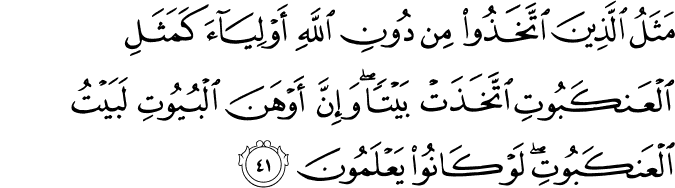
Gwalihenzi si ubaki tu kama msomaji au unatafuta umaarufu uonekane mtu wa maana kumbe wewe dhaifu kama nyumba ya buibui kwasababu katika dunia hii nyumba dhaifu kuliko zote ni nyumba ya buibui au kwa kithungu (spider) wewe ni sawa na bui bui kama unabisha soma hapa chini
29_41.png
Sahih International
The example of those who take allies other than Allah is like that of the spider who takes a home. And indeed, the weakest of homes is the home of the spider, if they only knew.
 
Mzee Said,
Kwa vile unataka feedback kuhusu maandishi yako, nitajitahidi kukueleza kiasi changu. Sijui kama nitaweza. Navyojua, hadithi yako ililenga kumuenzi Sykes. Wewe ulitakiwa um-focus yeye bila kulalamika au kusuta wakina Nyerere kwa niaba yake. Mfano mzuri ni hii simulizi ya Mwapachu niliyoitoa Vijana Platform.


The Life and Times of Hamza Mwapachu

On September 18, 2012, in English, Print, by Joji
....


By Amb. Juma Mwapachu

50 years ago, on 17th September, 1962, Hamza Kibwana Bakari Mwapachu, father to Harith Bakari Mwapachu, Rahma Mark Bomani, Juma Volter Mwapachu, Wendo Mtega Mwapachu, Tunu Mwapachu and Jabe Jabir Mwapachu died in Dar-es-Salaam at the early age of 49. He was at the time a Principal Assistant Secretary in the Ministry of Home Affairs.

Born in Tanga, the late Hamza attended primary and secondary schools in Tanga. On completing standard 10, at that time the highest secondary school education standard in Tanganyika, he pursued medical studies at the Sewa Haji Hospital Medical School in Dar-es-Salaam qualifying in 1935 as a Medical Assistant. In 1937, he was posted as a Tutor to the Mwanza Medical School which trained medical support staff. In Mwanza, Hamza met Juliana Volter whom he married in 1938.

An ambitious Hamza succeeded to be admitted at Makerere College, Uganda in 1943 to pursue a Diploma in Medicine. Makerere had not started offering degrees of any kind at that time. As history would have it, Hamza and Julius Kambarage Nyerere joined Makerere at the same time beginning a journey of a very close friendship and political relationship despite a nine years age difference between them. At Makerere, the two befriended Andrew Tibandebage, a fellow education student to Nyerere who was a year senior at the College and the trio established a politically charged Tanganyika Welfare Students Organisation in late 1943. They applied for recognition as an affiliate of the Tanganyika African Association (TAA), but received no response from its head office in Dar-es-Salaam.

On completion of their studies in 1945, both Hamza Mwapachu and Julius Nyerere found themselves in Tabora; Hamza at the Government Hospital and Nyerere at St. Mary's Secondary School where Tibandebage was already a teacher. The trio joined the TAA Branch in Tabora and in 1946 took over its reins with Hamza as President, Nyerere as Secretary and Tibandebage as Treasurer.

At that stage, Hamza had increasingly found his medical profession lacking in the intellectual depth needed to understand the complex dynamics of politics and constitutionalism for an informed attack against colonialism. Thus in 1947 he quit medical practice and joined the University College of South Wales at Cardiff to read a Diploma in Social Work. Whilst in the UK, Hamza was attracted to the Post Second World War Labour Party politics and socialism. He joined the Fabian Society then known as Fabian Colonial Bureau and established a network of close friends who, until he died, were frequent suppliers of books and reading materials to Hamza.

Back in Tanganyika in March 1949, Hamza was posted as Assistant Welfare Officer at Ilala District Office in Dar-es-Salaam. Late Rashid Mfaume Kawawa who completed Standard twelve at Tabora in 1948 worked with Hamza as a Welfare Clerk. Steeped in knowledge of law, constitutionalism and politics and immediately re-linking with his friend Nyerere in Tabora who was by then President of the Tabora TAA Branch but also preparing to leave for Edinburgh to pursue a degree course later that year, Hamza became the intellectual voice and conscience in TAA politics in Dar-es-Salaam.

Joining hands with Abdulwahid Kleist Sykes, a man who became like a blood brother to Hamza, they constituted an Action Group to transform the TAA from a welfarist organization into a political one. They inducted into their group Dr Lucian Tsere, Dr Vedast Kyaruzi, Stephen Mhando and Paul Rupia. Early in 1950, Abdul and Hamza dual-handedly stormed into the TAA Headquarters in Dar-es-Salaam and using fists and flying chairs engineered a leadership coup. They installed Dr Tsere as interim President of TAA. However, following Dr Tsere's transfer to Tanga, TAA held proper elections. Dr Vedast Kyaruzi was elected President, Abdulwahid Sykes became Secretary General, John Rupia was Treasurer, Hamza was elected Secretary for Economics and Stephen Mhando became Secretary of Education.

The new TAA leadership proceeded to review the TAA constitution in mid 1950 giving the institution a tinge of a political party. The first major political act of that leadership was to prepare a Memorandum submitted to the first United Nations Mandated Trust Territory Mission to Tanganyika at the end of 1950 which demanded a clear road map towards Tanganyika's independence. The Memorandum was a collective document of the leadership of TAA but its principal author was Hamza Mwapachu.

Following the submission of the Memorandum, Governor Edward Twining isolated two individuals for the wrath of the colonial state. Dy Kyaruzi was transferred from Dar-es-Salaam Sewa Haji Hospital, then a national hospital, to Kingolwira Prison Health Centre in Morogoro to treat prisoners. Hamza Mwapachu was "exiled" to Ukerewe Island in the heart of Lake Victoria! Dr Kyaruzi has described his posting as "imprisonment in disguise."

Hamza, on the other hand, saw his posting as yet another opportunity to get close to where he always believed to be the nerve centre of Tanganyikan nationalist politics-the Lake Victoria Zone. For example, writing to Nyerere in Edinburgh in late 1951, Hamza noted his pleasure at discovering a brilliant young Paul Bomani in Mwanza who would be an important "asset in our struggle". Moreover, Hamza's house in Ukerewe became a bee hive of political visits throughout the years 1952-1954 which included discussions about Nyerere taking over the leadership of TAA in 1953 and the formation of TANU. It was in this light that the colonial government refused him the permission to travel from Ukerewe to attend the meeting in Dar-es-Salaam that launched TANU on 7th July, 1954! But to all intents and purposes, Hamza was a founder of TANU; in absentia.

Ostensibly promoting him to Assistant District Officer, a position well below his Tanganyikan juniors, Hamza was in early 1955 posted from Ukerewe to Tukuyu, Rungwe District, again a remote part of Tanganyika, far away from the nerve centres of nationalist politics. However, in Tukuyu he linked up with Yatuta Chisiza, then a Police Inspector, and the politics of Malawian independence fired the spirits of the two freedom fighters. Chisiza was later transferred to Iringa and young Juma Mwapachu used to stay with him as he travelled from boarding school in Tukuyu to Morogoro in 1957. Chisiza was independent Malawi's first Minister of Home Affairs. He was killed whilst attempting to overthrow a corrupt and Apartheid South African surrogate regime of Kamuzu Banda.

With the advent of Responsible Government in 1958, Hamza was transferred from the Local Government School, Mzumbe, Morogoro where he had become a close friend of Khalfan Mrisho Kikwete, President Jakaya Kikwete's father as well as of Cecil Kallaghe, later an Ambassador, to Dar-es-Salaam to become Nyerere's first Personal Assistant as Chief Minister. What goes round comes round! Nyerere wanted his friend and confidant to be his principal advisor on the eve to Tanganyika's independence.

Then tragedy struck. Hamza began to develop a serious heart ailment in mid 1960. Hamza had been a chain smoker all his life. So indeed was Nyerere till Hamza died! Nyerere did all he could to save his friend. Hamza was sent to the best hospital in the world, Hammersmith Post Graduate Hospital in London where he underwent heart surgery. However, by September 1962, the weak heart could no longer withstand the continued work pressure and Hamza's ardent commitment to the service of his newly independent country. Hamza passed away at Princess Margaret Hospital, now Muhimbili National Hospital, on 17th September, 1962.

Writing to Mrs Juliana Mwapachu on 28th September 1962, a week after Hamza's death, the Permanent Secretary to the Prime Minister, Mr Dunstan A. Omari could only state:


"I have known Hamza as my personal friend for many years and I can say that I could not have wished for a more charming and co -operative colleague. His death is a loss that Tanganyika call ill afford."

May Almighty God continue to rest his soul in eternal peace. Amin.

Inna lillahi wa inna ilayhi rajiun.

(2:156)


Sina tatizo na "chronology" ya simulizi zote (yako ikiwamo). Suala ni Mtazamo. Utagundua mtindo huu ni karibu sana na ule wa yule bwana aliyetusimulia maisha ya TAA, TANU, Migeyo nk, yaani yule mzungu. Ni nadra sana ukajenga sifa ya unayemsimulia kwa kulaumu wale alioishi nao wakati wake kwa vile utakuwa umeshachagua upande hasi na chanya na ndio walichofanya hawa. Mimi kwa maoni yangu bado unaweza kuwa na historia nzuri sana ya juhudi za kina Sykes, Tewa, Takadir, Bomani nk bila "orientation" ya Nyerere nyumbani kwa Sykes na wenzie. Sijui kama nimekujibu.
 
Gwalihenzi si ubaki tu kama msomaji au unatafuta umaarufu uonekane mtu wa maana kumbe wewe dhaifu kama nyumba ya buibui kwasababu katika dunia hii nyumba dhaifu kuliko zote ni nyumba ya buibui au kwa kithungu (spider) wewe ni sawa na bui bui kama unabisha soma hapa chini
29_41.png
Sahih International
The example of those who take allies other than Allah is like that of the spider who takes a home. And indeed, the weakest of homes is the home of the spider, if they only knew.
Boko, mbona unateseka sana kutaka kunisilimisha? nakwambia hivi, mungu wako hana maana yeyote kwangu! unaweza ukanifananisha na chochote unachotaka lakini ukweli unabakia palepale kwamba wewe na zee lako Mohamed Said mnaitumia vibaya dini yenu kwa manufaa yenu binafsi bila kujali maafa ambayo mmeanza kuyasababisha katika nchi yetu. Uislam wako wewe na Mohamed Said sio wa mungu wawaislam wa kweli ila wa mitumbo yenu yenye tamaa!
 
Wenzangu sijui nawarudisha nyuma au vipi. Ila nimekutana na article nzuri sana ya mzungu mmoja aliyeshiriki kikaribu sana katika harakati za uhuru wetu. Ameshiriki kwa karibu sana na kina Nyerere, Kawa, Kambona, Sykes, Jamal na wengineo. Article hii utaikuta:Shortly after independence, Tanganyika and Zanzibar merged to form the nation of Tanzania in 1964. Nimenakili ukurasa wa mwanzo;

Nyerere’s appointment as history master of St Francis’ College, Pugu, near Dar-es-salaam, was officially made on October 9, 1952. The decision had actually been taken when Father Walsh told him in England that the three top classes of St Mary’s College, Tabora, Were being transferred to Pugu, Where the catholic Hierarchy was setting up its first territorial secondary school in Tanganyika. Nyerere was now offered a salary of 300 pounds; after a lot of argument between Father Walsh and the Government, this was raised to 450 pounds, plus a thirty-five per cent living allowance.
Naturally Nyerere made haste to see his nationalist friends in Dar-es-salaam. He had read, while in Edinburgh, accounts of their performance before the constitutional committee; now he heard details, which lost nothing in the telling. Yet these excited tales invariably ended in sadness, with an account of the Meru case. After the wedding, when taking his bride from Musoma to the capital, Nyerere stopped in Mwanza for a discussion with Hamza Mwapachu and Abdullah Fundikira, old friends from Makerere days. They agreed to write essays on various subjects: Fundikira on agriculture, Mwapachu on social development, and Nyerere on political theory. All of them were quietly preparing for the day when would embark on political action.
In February, 1953, Julius and Maria started life in Pugu in a new house built for them, with a reasonable salary and the prospect of three of three peaceful, studious years. Soon Nyerere began to meet new people, some as intelligent and stimulating as those he had left behind in Edinburgh.
One of them was, Amir Jamal, a young Asian business man with a first class brain. Born in Tanganyika in 1920, he went to school there and then to India by train as a doctor. Despite his high marks, he could not get into the overcrowded Medical Faculty of Bombay University and therefore studied politics and economics. Back in Dar-es-salaam in 1942, he entered the family business. Financial success, however, did not satisfy him. He was looking for something more important, more creative than lucrative transactions. In the autumn of 1953, at a British council sundowner, he met Julius Nyerere. They only exchanged a few words, but Jamal had the feeling that this was a man well worth knowing. He wrote to but received no reply. Later on Majorie Nicholson, Secretary of the Fabian Colonial Bureau (now the Fabian Common wealthy Bureau), told him to get in touch with Nyerere. To his second letter, mentioning her name, he had an apologetic answer and a meeting followed. This was the beginning of a relationship which was to develop into a close friendship.
Another man Nyerere met at this time was Fraser Murray, a barrister and an idealist who, during the war, had served with the K.A.R and lost an arm in Burma. His wife, Moira, because secretary of the Tanganyika Council of Women, founded by Lady Twining in 1953. The purpose of the T.C.W. was to bring about co-operation between Europe, Asian and African women.
European and Asia women got on well, but the gap between the European and Africa women was enormous. Mrs. Murray’s office was at the Arnautoglu Community Center, run by Denis Phombeah, a Nyasa, at that time in the thick of African affairs. His closest friends were Oscar kambona and Zuberi Mtemwu, who in 1962 was to oppose Nyerere in the presidential election. All of them were much influenced by Jimmy MacGairl’s, a remarkable Scot who did more for Africans in urban areas than any other European. A Community Development Officer, he started his activities in the Arnautoglu Community Center in Dar-es-salaam, on a brother-to-brother basis. News of this got around quickly and young Africans flocked to him. One of them was Rashid kawawa, who obtained his first social service job on McGairl’s recommendation. Murray was much concerned about these young men, and the thoughts awakening in them. To give them an opportunity to clarify their minds, he invented them to his house. Julius Nyerere, whom he had met through his wife, was among his guests.
We had a little group which we called the oracle (Murray has told the author). Our idea was to run it on the lines of an Oxford discussion group. A nucleus of eight people formed the oracle, its mainstay being two Asians, Amir Jamal and Eddy Copper, my two oldest friends in Tanganyika. Copper, a builder, was also the oracle’s secretary. It was a non-racial group, including a few broadminded Europeans, such as Basil Thompson, Who had a genuine approach to people, regardless of their colour. Every Friday we used to meet in each other’s houses without refreshments, as these might have embarrassed the Africans who could not have afforded to return the courtesy. The host’s duty was to get some one to lead off the discussion.
On Friday the meeting was held at Amir Jamal’s house, and he introduced Julius, saying that he would talk on conscription. This was at the time of the Mau Mau emergency in Kenya, when security and military preparations were in everyone’s mind. I cannot remember all Julius said, but I remember that all of it was sensible. Fraser Murray told his friends about Nyerere, predicting that he would become Prime Minister of Tanganyika one day. Randal Sadleir, then Assistant Secretary for Legal Affairs, asked to meet him. This was arranged to take place at the Cosy Café in Dar-es-salaam, where the three argued until 2 am. Over brandy for which Murray paid. Sadleir was greatly impressed by Nyerere. It was a common myth that I was the power behind Julius and Tanu (Murray has said) I never gave advice. Julius knew that I supported him politically, but it was much more important for me that I was his friend. Later I did legal work for Tanu. The first big case was that of Ali Migeya, in Bukoba. He was an early ‘again the Government’ chap, basically bolshy, but not a political figure. At that time Tanu was just a dirty word; it was almost seditious to talk about Tanu. I brought Migeya before a D.C who was a friend of mine. This was the first time that Tanu defended one of its own members. Julius attached such importance to this that he met me at the airport when I returned from Bukoba. Later I tried many big Tanu cases, and defended Julius himself in 1958.
Asante mkuu kwa makala hii.
 
Wickama.

Hilo ni moja ya mapungufu ya ngano za Mohamed Said,

Binafsi sina tatizo na simulizi zake, lakini pale anapogeuka msemaji wa akina Sykes na kuwachokonoa wanaukombozi wenzake ni jambo linalo tukera wengi,


Katika simulizi zote nilizowahi kusoma ama kusimuliwa sijawahi kuona ama kusikia kuwa Abdul Sykes akimshutumu ama kumlalamikia Mwalimu Nyerere kwa lolote juu enzi za harakati zao mpaka utawala kamili.

Vivyo hivyo Mwalimu hajawahi kusema ana ugimvi na Sykes uwe wa kidini ama kisiasa.

Sasa Mohamed anapata wapi kumsemea Sykes na wanaukombozi wengine hasa akimdhihaki Julius Nyerere?
 
Mkuu Nguruvi hili la sensa ya 1957 Mohamed analikwepa kwa sababu linakinzana kwa kiasi kikubwa sana na hoja zake mwenyewe. Na hii ni baada ya kugundua kwamba hapa JF sio mahali pa kurusha minamba tu unatakiwa unyumbulishe. Summary ya sensa hiyo ni kama ifuatavyo.

sfuvdy.jpg


Ikumbukwe kuwa sensa hii kama ilivyoripotiwa ndani ya kitabu African census report, 1957 sensa na kuripotiwa na serikali ile ile iliyoripoti sensa ya 1967. Sensa ya 1957 ilikuwa reported in 1963 by government printers.

Sasa dai la Mzee Saidi ni kuwa eti hiyo idadi ya wakristo iliiyoongezeka mwaka 1967 ilitoka wapi majibu yapo kwenye hilo jedwali. 44.2 in 1967 walikuwa wapagani au hawakujisikia kutaja dini zao. Mkwa mtu wa takwimu hili ni mojawapo ya jibu kuhusu ongezeko. Lakini pia ni Mzee Saidi huyu huyu amezungumza kwa fahari humu ndani kuhusu walimu wa kwanza Tnganyika ambao walikuwa ni "converts" waislamu sasa iweje kwenye sensa ailifikirie suala la converts?

Hii sensa ina kurasa 109, imeanalyze ukabila, mahali pa kuzaliwa , gender nk.

Mzee Saidi tuonane wikiendi.
Hili tope la sensa serikali yenyewe ya mfumokristo imeamua kuwavimbia tu kila mtu aliyejadili bila kutaka kulitafutia ufumbuzi.Mara Ponda.....mara Radio Imaan................aibu tupu kwa utawala wa kidemokrasia.
Hivyo Nyambala na Nguruvi hawawezi kubadili kitu.Wenye uwezo wa kujibu wakipenda ni serikali baada ya sensa.
Jedwali inaonesha 44.2% mwaka 1957 ya watanganyika walikuwa ni mapagani lakini baina ya (65-90)% ya makabila ya wamakonde,wazigua,wazaramo,warangi na makabila mengine ya pwani walikuwa ni waislamu.Lakini wakristo wakatoliki walipatikana zaidi kwa wachaga na waprotestant kwa wabena.Yametajwa makabila hayo tu.
Hapa tunazungumzia uwezekano tu hivyo kila mmoja wetu ana haki ya kuchambua huo uwezekano.Wewe umeona uwezekano uliopandisha idadi ya wakristo mpaka pengine serikali na makanisa wajiamini kutangaza kwenye magazeti na televisheni ni kwamba wapagani 44.2% walibadilika kuwa wakristo.Hili haliwezekani kutokea kwa 100%.
Lakini tukirudi leo kwenye makabila hayo hayo yaliyokuwa na (65-90) % mwaka huo bado tunaona wengi wao ni waislamu.Tukichukulia ukweli wa ndoa na kuzaana kwa familia za kiislamu uwezekano ni kuwa asilimia hizo zimeongezeka sana kushinda uwezekano wa mapagani kuingia ukristo.
Kwa ujumla ni kuwa idadi ya waislamu bado iko juu na kukataa serikali kuingiza kipengele cha dini kwenye sensa kwa shinikizo la makanisa ni kukwepa ukweli wa idadi ya waislamu Tanzania.
Bila sensa nyengine ya kuangalia dini za watanganyika hoja na jedwali ya sensa ya 1957/1967 si chochote si lolote kutetea uchache wa waislamu kwenye nafasi za masomo ya sekondari na vyuo kama ilivyomshinda Nguruvi.
 
Kadogoo,

..sasa mawaziri wa elimu ni Dr.Shukuru Kawambwa na Dr.Ali Juma Shamhuna.

..je, unawatuhumu mawaziri hao Waislamu kuwatumbikiza Waislamu wenzao Utumwani??

..tunajadili mambo ya msingi hapa halafu unaleta masihara.

Hakuna cha masihara hapa pamezungumzwa utumwa na mpaka leo upo ila ni kwa staili tofauti! angalia hapa:Torture of American soldiers on Muslims.......Shocking images - YouTube !!! kama huu si zaidi ya utumwa ninini? Bla bla za Kudai oo Muislamu ndio waziri, oo Rais ndio Muislamu haisafishi utumwa ulioko ndani na nje ya nchi!
 
Jasusi,
Niwe credible kwa nani?
Na kwanini uwe "credible" wakati kwenye mihadhara watu hawajali unasema kweli au unadanganya! wewe ukiangusha "takidri" wao watajibu kwa hamasa " Allah ..." Naona Jasusi anataka kukuchosha tu hana mpya! achana naye!
 
Mag3,

Hizo ngano zako endelea kuwalisha wenzako msome vizuri Nyerere hapo juu anavyoelezea mwenyewe harakati za uhuru wa Tanganyika alikuwa na kina nani na alipelekwa na nani kwa kina Abdulwahid.

Nenda kamuulize Mama Maria kuhusu Nyerere alivyokuwa anaishi na Wazee wa Kiswahili Kariakoo tufahamishe hiyo mikutano mingi ya TAA iliyokuwa inafanyika Pugu kwa Nyerere ni ipi? Nyerere mpaka anaingia kaburini hakuwahi kusema hizo ngano zako za Pugu.

TAA imeanza kupata nguvu baada ya Abdulwahid na Mwapachu kufanya mapinduzi walipochoshwa na uongozi wa wazee bila ya kumshauri mtu yeyote waliivamia ofisi ya TAA na kufanya mapinduzi kwa kumtoa msobe msobe Clement Matamila na kuitisha uchaguzi.
Ritz, hao wazee wakiswahili wa Kariakoo ndio watu gani tena?
 
Back
Top Bottom