Je, Musa hakuandika kitabu cha Mwanzo??

Je, Musa hakuandika kitabu cha Mwanzo??

Kwanza maana halisi ya Mtume ni nini ? Kumbuka Yesu aliongelea mambo yaliyopita na yajayo. kwa hiyo Musa kipindi anawasilina na Mungu sio kwamba alipewa maagizo tu, fahamu kwamba Kuna vitu vingine alihitaji kufahamu hivyo alipewa nafasi ya kuuliza na akaelezwa. katika dhana kama hiyo Kama unatafakari kwa undani enzi hizo asingekua na cha zaidi ya kuuliza historia ya kufahamu chimbuko la wana Israel. pili, muda aliokaa mlima Sinai ni muda mrefu mpaka wafuasi wake waka kata tamaa, jiulize utakua ni muda gani watu wakate tamaa baada ya kutolewa kwenye vizuizi vya hatari na maajabu dhahiri na walikuwa wana msujudia Mungu wao kwa ukuu wake na miujiza mingi. hapa inaonyesha kwamba alichukua muda mrefu sana akiwa mlimani. pia kumbuka kwamba hawa Mitume walikua wanachaguliwa na mungu mwenyewe kuanzia utungaji wa mimba mpaka ukubwani, kwa hiyo karma waliyo kua nayo ilikua ni yake yeye mwenyewe Mungu kwa ajili ya kazi yake.
Ni kwa fikra zangu tuu.
Mkuu umeongea hoja nzito kweli naunga mkono je kauli kama hii inaweza kutolewa na Musa mwenyewe..... Maana imeandikwa baada ya Musa kufa.

Kumb. La Torati 34
10 Wala hajainuka tena katika Israeli nabii kama Musa, ambaye BWANA alimjua uso kwa uso

Swali jingine la kujiuliza..... Je Musa alipokufa ni nani aliyeandika habari za jinsi kifo na msiba wake ulivyokuwa ilihali Musa alikuwa kaburini au pia nayo aliashaandika kabla hajafa??

Pia kuhusu wakaldayo hapo inakuwaje Musa aandike kuhusu kabila ambalo halipo duniani yaani mfano leo uandike kilimanjaro ya wajaluo ilihali wanaishi wachagga je huoni angechanganya hadhira yake?? Hili unalielezaje

Ubarikiwe
 
Mkuu umeongea hoja nzito kweli naunga mkono je kauli kama hii inaweza kutolewa na Musa mwenyewe..... Maana imeandikwa baada ya Musa kufa.

Kumb. La Torati 34
10 Wala hajainuka tena katika Israeli nabii kama Musa, ambaye BWANA alimjua uso kwa uso

Swali jingine la kujiuliza..... Je Musa alipokufa ni nani aliyeandika habari za jinsi kifo na msiba wake ulivyokuwa ilihali Musa alikuwa kaburini au pia nayo aliashaandika kabla hajafa??

Pia kuhusu wakaldayo hapo inakuwaje Musa aandike kuhusu kabila ambalo halipo duniani yaani mfano leo uandike kilimanjaro ya wajaluo ilihali wanaishi wachagga je huoni angechanganya hadhira yake?? Hili unalielezaje

Ubarikiwe
walioandika zama hizo walikua ni waadilifu, kumbuka nilivyo kwambia ni Mipango yake Muumba, na njia zake huwezi ufahamu kwa njia za kibinadamu, labda nikuulize kama wewe ni mfanyakazi kama unajua mambo ya masijara au sehemu ya kumbukumbu. as simple as that..!!!
 
Kwa hiyo huna uhakika na umri wa baba yako ? Anyway : kwa jinsi hiyo upo kwenye umri wa udadisi : jitahidi udadisi katika njia chanya..
Ninaufahamu ila sijauweka kwasababu sijaona mantiki yake kwenye mjadala, hata kuandika hivyo ni basi tu nisionekane mkaidi. Ila kwa sasa nimefahamu vitu vingi ambavyo vimefanya nitoke katika vifungo vilivyokuwa si vya lazima. Kila mtu amepewa fikra na kuchambua mambo kadri ya uwezo wake na mtazamo wake. Mtazamo chanya kwa upande wako hauwezi kuwa mtazamo chanya kwa watu wengine.

Mwisho: si vyema kujibu maswali magumu kwa majibu mepesi, ni bora kutokujibu.
 
Okay unaweza tusaidia yale maswali hapo juu kwa faida ya wasomaji wote waweze kuelewa sintofahamu hii
Kusudi la Kuandika: Kitabu cha Mwanzo mara nyingine kimeitwa "mbegu-njema" ya Biblia nzima. Mafundisho mengi makuu katika Biblia yameazishwa kwa utaratibu wa "mbegu" katika kitabu cha Mwanzo. Pamoja na kuanguka kwa mwanadamu, ahadi ya Mungu ya wokovu au ukombozi umenakiliwa (Mwanzo 3:15). Mafundisho ya uumbaji, kushutumiwa kwa dhambi, kuhesabiwa haki, upatanisho, upotovu, ghadhabu, neema, uhuru, uwajibikaji, na mengine mengi yote yamezungumziwa katika hiki kitabu cha asili kiitwacho Mwanzo.


Maswali mengi mazito kuhusu maisha yamejibiwa katika Mwanzo. (1) Mimi nilitoka wapi? (Mungu alituumba sisi - Mwanzo 1: 1) (2) Kwa nini niko hapa? (Tuko hapa kuwa na uhusiano na Mungu - Mwanzo 15: 6) (3) Ninaenda wapi? (Tuna makusudio baada ya kifo - Mwanzo 25: 8). Mwanzo unawasihi wanasayansi,mwanahistoria, mwanateolojia, mama mfanyikazi wa nyumbani, mkulima, msafiri, na mwanamume au mwanamke wa Mungu. Ni mwanzo unaofaa kwa ajili ya hadithi ya Mungu ya mpango wake kwa wanadamu, Biblia.
 
Hebu ngoja kwanza ,ina maana Musa alijua ,yote km mleta hoja alivyoanisha? Sikati alikua mlima Sinai siku 40, aliambiwa hadi mabadiliko ya miji na vitu vingine?

Hapa kuna Darsa na Ilmu zaidi ,nipo nimetulia kujifunza
Kitabu cha Mwanzo ndiyo kitabu cha kwanza cha Agano la Kale na kiliandikwa na Nabii Musa.

Kinatoa historia ya mianzo mingi ya mambo, kama vile uumbaji wa dunia, kuwekwa kwa wanyama na mwanadamu juu ya dunia, anguko la Adamu na Hawa, kufunuliwa kwa injili kwa Adamu, mwanzo wa makabila na jamii, asili ya lugha mbalimbali katika Babeli, na mwanzo wa familia ya Ibrahimu inayoongoza kuanzishwa kwa nyumba ya Israeli.

Nafasi ya Yusufu kama mhifadhi wa Israeli inadhihirishwa katika Mwanzo.

Ufunuo wa siku za mwisho unathibitisha na kubainisha taarifa iliyoandikwa katika Mwanzo (1 Ne. 5; Eth. 1; Musa 1–8; Ibr. 1–5).

Katika Kitabu cha Mwanzo, mlango wa 1–4 inahusisha uumbaji wa ulimwengu na kukua kwa familia ya Adamu.

Mlango wa 5–10 inaandika historia ya Nuhu. Mlango wa 11–20 inamtaja Ibrahimu na familia yake hadi wakati wa Isaka.

Mlango wa 21–35 inafuatilia familia ya Isaka. Mlango wa 36 unasimulia juu ya Esau na familia yake.

Mlango wa 37–50 inasimulia juu ya familia ya Yakobo na kutoa historia ya Yusufu kuuzwa Misri na nafasi yake katika kuiokoa nyumba ya Israeli.
 
Mkuu mbona hii sio hoja zipo hata verse ambazo zinazungumzia thord person yaani na Mungu akamwambia Musa.

Muda alioishi na baadhi ya matukio yanatofautiana

Baadhi ya hoja zimeshajibiwa hapo juu kwamba nyingine aliandika kutokana na mapokea ya mababu, ufunuo alipokuwa anawasiliana na Mungu lakini Musa hakuwa peke yake wakati wote alikua na wasaidizi

Hivyo kuna wasaidizi walioandika vitabu hivyo au walimwandikia baadhi ya section.

Swali lina bakia kama sio yeye aliandika ni kina nani hao waliandika?

Je matukio yaliyoandikwa yote yana historical evidence kwamba kweli yalitokea.

Nani aliyeyaandika?

Pia kumbuka wakati huo ni kina nani walikua na elimu ya kuweka kumbukumbu?
 
Ninaufahamu ila sijauweka kwasababu sijaona mantiki yake kwenye mjadala, hata kuandika hivyo ni basi tu nisionekane mkaidi. Ila kwa sasa nimefahamu vitu vingi ambavyo vimefanya nitoke katika vifungo vilivyokuwa si vya lazima. Kila mtu amepewa fikra na kuchambua mambo kadri ya uwezo wake na mtazamo wake. Mtazamo chanya kwa upande wako hauwezi kuwa mtazamo chanya kwa watu wengine.

Mwisho: si vyema kujibu maswali magumu kwa majibu mepesi, ni bora kutokujibu.
Kumbuka kitu kimoja, elimu haina mwisho hii kauli usifikiri ni zama hizi ndio inafanya kazi, ni anzia enzi za zamani. lazima ujiulize upate jibu. na hilo jibu linakuletea swali jingine, ndio mtiririko wa maisha na njia waliopitia waliotafuta uhalisia wa maisha yao..!!
 
Mwanzo 14:14 mwandishi anaeleza kwamba Abraham aliwafukuzia wafalme wa mashariki waliomteka Lutu hadi kufikia mji wa DAN. Huu mstari pia unakubalika na wanatheolojia kuwa umeandikwa baada ya kifo cha Musa sababu wakati wote mji huo umeitwa Laish hadi pale kitabu cha waamuzi 18 ndio mji huo ulipewa jina la Dan ikimaanisha mwandishi wa kipande hiki aliandika haya miaka zaidi ya 600 baada ya Musa kufa. Mstari huu hapa

Waamuzi 18
Siku hizo hapakuwa na mfalme katika Israeli; tena katika siku hizo kabila ya Wadani wakajitafutia urithi wapate mahali pa kukaa; maana hata siku hiyo urithi wao haujawaangukia kati ya kabila za Israeli.

Mwanzo 12:16
6 Abramu akapita katikati ya nchi mpaka mahali patakatifu pa Shekemu; mpaka mwaloni wa More. Na Wakanaani siku zile walikaa katika nchi hiyo

Mstari huu umeandikwa na mtu ambaye alikuwepo kipindi ambacho wakaanani walishafurumushwa Israel na Joshua kitu ambacho Musa hakukishuhudia kabisa maana mpaka anakufa waisrael hawakuwa wameingia Canaan na kuwafukuza wacanaan kabisa.

Kumb. La Torati 34
10 Wala hajainuka tena katika Israeli nabii kama Musa, ambaye BWANA alimjua uso kwa uso;

Kwa mantiki hii haiwezekani ikawa imeandikwa na Musa mwenyewe wakati wake ilihali hakujua kma watatokea manabii wengine israel ni sawa na Rais Magufuli aseme Tanzania haikupata tena Rais kma yeye ilihali hatokuwepo kushuhudia maRais wengine hapo baadae.... Hii ikimaanisha mwandishi wa hapa aliishi miaka mingi baada ya Musa kutoweka dunia hivyo alishashuhudia manabii wengi wamepita ndio akahitimisha kuwa hakuna kama Musa.

Mwanzo 36:31
31 Na hawa ndio wafalme waliomiliki katika nchi ya Edomu, kabla ya kumiliki mfalme ye yote juu ya wana wa Israeli.

Mstari huu unaonyesha mwandishi wa kitabu cha mwanzo alikuwa ameshuhudia Israel ikipata wafalme maana kipindi cha Musa israel haikuwa ina wafalme ila miaka kadhaa mbeleni ndipo wakapata mfalme wao hivyo Musa asingeweza kuandika hili ilihali hakuwa anafahamu kama israel ilishapata wafalme, hivyo aliyeandika hapa aliishi kipindi israel ilishapata wafalme ndio maana akaandika kwa msisitizo kuwa historia hii ni kipindi kile hawana wafalme bado.

Kumb. La Torati 34 inaelezea kifo cha Musa hivyo isingewezekana akawa ameandika Musa mwenyewe kuhusu kifo chake na maombolezo yake yalivyoenda hivyo wanatheolojia wanaona kuna mtu mwingine zaidi ya musa alieandika kipande hiki.

HITIMISHO
Kwa kuzingatia hoja hizi tunaweza hitimisha kwamba Musa hakuwa mwandishi pekee wa kitabu cha mwanzo ila mjumuiko wa waandishi wengi ambao walikuwa wamesoma nyaraka za Musa na wao kuongeza mawazo yao.

Na kama Musa aliandika basi inatuacha na maswali yafuatayo
1. Ni kwanini lugha inayotumika na misamiati na majina ya maeneo itofautiane kama mwandishi ni mmoja??

2. Pia kuna mistari inaonyesha Musa alikufa lakini bado maandiko ya pentateuch yaliendelea kuandikwa?? Je kivipi Musa aliweza andika akiwa kaburini??

3. Kama ni kweli vitabu hivi viliandikwa na mtu zaidi ya mmoja na wakaweka maoni yako je uhalali wa vitabu hivi kuwa kwenye Biblia ukoje??.

4. Je nini hatma ya Neno la Mungu kama kuna watu wanaweza ongeza maandiko yao kwenye Biblia..... Kwanini Mungu aliruhusu hili??

NB: Nimeuliza maswali haya kuchokoza mjadala ila sio msimamo wangu kupinga uandishi wa Musa, karibuni kwenye mjadala

Cc: Wana JF intelligence wote bila kuwasahau kina Mchawi Mkuu Malcom Lumumba Elungata Da'Vinci Mshana Jr Eiyer Kudo900 Vi rendra N J subi Bujibuji Kipanga boy Kiranga Che mittoga Ip man 3 mitale na midimu Mzee wa Torano Blaki Womani Grahnman za chembe jimmykb197 911sep11 afsa Francis3 mtu chake NJOLO Msolo Shubiri Pori Pendael24 Mr Miller Elli Khalifavinnie Kennedy Son of Gamba Kanungila Karim Mgambilwa ni mntu Mr FCB Mr Q geesten66 Jerry Ekky Mnabuduhe Chrisvern Dabby Jr kibuyu180 IGWE SALA NA KAZI Wick Kapwil Dukeson
ahsante kwa tag.
biblia imegawanyika katika vitabu/vipindi hivi
vitabu 5 vya mwanzo hivi N vitabu vya sheria (mwanzo-kumb)
vitabu 12 hivi ni vitabu vya historia (joshua-esta)
vitabu 5 vitabu vya mashahiri (Ayubu-wimbo Bora)
vitabu 5 vitabu vya manabii wakubwa (isaya-daniel)
vitqbu 12 vitabu vya manabii wadogo(hosea-malaki)
huo ndiyo muundo wa biblia
katika muktadha wa uandishi ni kwamba kuna wale waandishi wakuu na waandishi wadogo (hapa ndipo Pana mkanganyo kufika hatua na wengi kudhani/kutambua biblia imechakachulia)
nitaendeleaa......
 
Dini ni mfumo wa maisha kama mifumo mingine duniani ya maisha ya mwanadamu mfano utawala, elimu mifumo hii inafanya maisha ya binadamu yawezekane au tusema aweze kumudumazingira yake kinacho tokea sasa ni kuwa mfumo wa dini hauna manufaa tena katika kuendesha maisha yetu hapana duniani tofauti na zamani kipindi mfumo huu ulikuwa productive kwa binadamu wa kipindi hicho. usishangae siku watu wakaanza kukataa mfumo wa elimu kwasababu inaweza kufika kipindi elimu ikawa haina faidi kwa jamii husika
 
Kumbuka kitu kimoja, elimu haina mwisho hii kauli usifikiri ni zama hizi ndio inafanya kazi, ni anzia enzi za zamani. lazima ujiulize upate jibu. na hilo jibu linakuletea swali jingine, ndio mtiririko wa maisha na njia waliopitia waliotafuta uhalisia wa maisha yao..!!
Uko sahihi, mkuu.
 
katika mtirirko wa uandishi.
muhimu kufahamu watu wengi wamekuwa hawaifahamu/kulijua neno la Mungu vzuri na kwa undani ref.mleta maada...
kuna baadhi ya verse/vitabu havikuandikwa na watu moja kwa moja kama tunavyodhani isipokuwa hivyo vtabu kwa sehemu kubwa viliandkiwa na MTU Fulani
mf.siyo kama mussa aliandika vitabu vyote vile v5 HAPANA na kuna baadhi ya sehemu hakuandika mussa.
mathalani hata katika zaburi SIYO yote aliandika daudi
japo kwa sehemu kuu aliandika yeye.
mf.zaburi ya 90 iliandikwa na huyo mussa na hata zngine za mbele ziliandikwa na Suleiman ...
alikadhalika katika kitabu cha mwanzo kuna baadhi ya maeneo yaliandikwa na ENOKI na mengine waliandika watu na baadhi ya wengine.
hata WENGI sidhan kama wanafahamu kuwa Kati ya ayubu na Ibrahim alianza ayubu na kama title ya ubaba wa imani ilimfahaa Sanaa ayubu.

MKUU zitto nikiwa free nitarudi tena
 
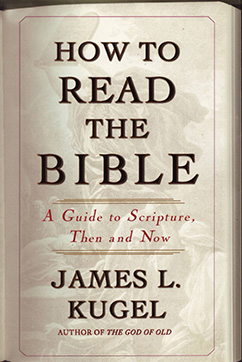
Tafuta hiki kitabu kama hujakisoma, kimeichambua Biblia kisomi sana kutoka kwa mtu mwenye credentials nzuri sana.

How to Read the Bible

howToReadTheBible.jpg

How to Read the Bible
A Guide to Scripture, Then and Now

READ AN EXCERPT

Scholars from different fields have joined forces to reexamine every aspect of the Hebrew Bible. Their research, carried out in universities and seminaries in Europe and America, has revolutionized our understanding of almost every chapter and verse. But have they killed the Bible in the process?

In How to Read the Bible, Harvard professor James Kugel leads the reader chapter by chapter through the “quiet revolution” of recent biblical scholarship, showing time and again how radically the interpretations of today’s researchers differ from what people have always thought. The story of Adam and Eve, it turns out, was not originally about the “Fall of Man,” but about the move from a primitive, hunter-gatherer society to a settled, agricultural one. As for the stories of Cain and Abel, Abraham and Sarah, and Jacob and Esau, these narratives were not, at their origin, about individual people at all but, rather, explanations of some feature of Israelite society as it existed centuries after these figures were said to have lived. Dinah was never raped — her story was created by an editor to solve a certain problem in Genesis. In the earliest version of the Exodus story, Moses probably did not divide the Red Sea in half; instead, the Egyptians perished in a storm at sea. Whatever the original Ten Commandments might have been, scholars are quite sure they were different from the ones we have today. What’s more, the people long supposed to have written various books of the Bible were not, in the current consensus, their real authors: David did not write the Psalms, Solomon did not write Proverbs or Ecclesiastes; indeed, there is scarcely a book in the Bible that is not the product of different, anonymous authors and editors working in different periods.

Such findings pose a serious problem for adherents of traditional, Bible-based faiths. Hiding from the discoveries of modern scholars seems dishonest, but accepting them means undermining much of the Bible’s reliability and authority as the word of God. What to do? In his search for a solution, Kugel leads the reader back to a group of ancient biblical interpreters who flourished at the end of the biblical period. Far from naïve, these interpreters consciously set out to depart from the original meaning of the Bible’s various stories, laws, and prophecies — and they, Kugel argues, hold the key to solving the dilemma of reading the Bible today.
How to Read the Bible is, quite simply, the best, most original book about the Bible in decades. It offers an unflinching, insider’s look at the work of today’s scholars, together with a sustained consideration of what the Bible was for most of its history — before the rise of modern scholarship. Readable, clear, often funny but deeply serious in its purpose, this is a book for Christians and Jews, believers and secularists alike. It offers nothing less than a whole new way of thinking about sacred Scripture.


Biography

Biography
James Kugel was the Starr Professor of Hebrew Literature at Harvard University for twenty-one years. He retired from Harvard to become Professor of Bible at Bar Ilan University in Israel, where he also served as chairman of the Department of Bible.

A specialist in the Hebrew Bible and the Dead Sea Scrolls, Kugel is the author of more than eighty research articles and fifteen books, including The Idea of Biblical Poetry, In Potiphar’s House, On Being a Jew, and The Bible As It Was(this last the winner of the Grawemeyer Prize in Religion in 2001). His more recent books include The God of Old, The Ladder of Jacob, How to Read the Bible, awarded the National Jewish Book Award for the best book of 2007, In the Valley of the Shadow, and A Walk Through Jubilees. He is a member of the Society of Biblical Literature, and Editor-in-chief of Jewish Studies: an Internet Journal.
Bible Department
Bar Ilan University
52900 Ramat Gan, Israel
telephone: +9722 672-2197
website: www.jameskugel.com
email: jlk@jameskugel.com
1. Born: August 22, 1945, New York, N.Y. I am married and have four children.
2. Education: Yale University, B.A. (1968)
Harvard University, Junior Fellow (1972-76)
City University of New York, Ph. D. (1978)
3. Areas of interest: Hebrew Bible; history of biblical exegesis; Judaism.
4. Positions held: Andrew Mellon Faculty Fellow, City University (1978-79)
Lecturer, Harvard University (1979-80)
Assistant Professor, Religious Studies and Comparative Literature, Yale University (1980-82); Associate Professor (1982)
Starr Professor of Hebrew Literature, Harvard University (1982-2003)
Professor of Bible, Bar Ilan University (1992-2013)
Professor Emeritus, Bar Ilan University, 2014—
5. Memberships and Offices:
Poetry Editor, Harper’s Magazine (1972-4)
Co-founder and associate editor, Prooftexts: A Journal of Jewish Literary History (1981-2000)
Executive Board, Association for Jewish Studies (1983-84)
Chairman, Department of Near Eastern Languages, Harvard University (1987-91)
Director, Center for Jewish Studies, Harvard University (1996-2001)
Editorial Board, Jewish Studies Quarterly (1993-2003)
Member, American Academy for Jewish Research (1999-2003)
Founder and editor-in-chief, Jewish Studies: an Internet Journal (2002- present)
Director, Institute for the History of the Jewish Bible, Bar Ilan University (2003-10)
Chairman, Department of Bible, Bar-Ilan University (2006-09)
Editorial Board, Themes in Biblical Narrative – Jewish and Christian Traditions (series, Brill Publications, Leiden)
Editorial Board, פרשנות ובקורת (Bar Ilan)
Editorial Board, שנתון המקרא (Jerusalem)
Editorial Board, Biblische Notizen—Neue Folge (Vienna) (2010-present)
Editorial Directorate, מוסד ביאליק מו”ל
Editorial Board, Journal of Ancient Judaism (2011-present)
6. Awards and Prizes: Phi Beta Kappa (1968), Wrexham Prize (1968), Fulbright Graduate Fellowship (1968), Danforth Graduate Fellowship (1968), Woodrow Wilson Fellow (1968), Bryant Dissertation Prize (1977), A. Mellon Fellow (1977), Ingram Merrill Fellow (1978), S. F. Morse Faculty Fellow (1981-82). The Idea of Biblical Poetry was supported by awards from the F. Hilles and A. W. Griswold Funds, and received the book prize of the American Jewish Committee (1982). Research for In Potiphar’s House was sponsored by a grant from the National Endowment for the Humanities (1988-89). The Bible As It Was was supported by awards from the Alan M. Stroock Publication Fund for Jewish Studies and a grant from the Littauer Foundation. It was among five finalists for the National Book Critics Circle Award in the category of General Nonfiction. Traditions of the Biblewas honored with a special session at the 1999 Society of Biblical Literature convention. The Bible As It Was and Traditions of the Bible were jointly awarded the $200,000 Grawemeyer Award for the best book in Religion, 2001. How to Read the Bible was awarded the prize for the best book in any category by the National Jewish Book Awards, 2007. It was chosen as one of the New York Times “Best Books of 2007, All Categories.” Outside the Bible, coedited with Louis Feldman and Lawrence Schiffman, was just awarded the National Jewish Book Award for Scholarship, 2014.
 
Mkuu mbona hii sio hoja zipo hata verse ambazo zinazungumzia thord person yaani na Mungu akamwambia Musa.

Muda alioishi na baadhi ya matukio yanatofautiana

Baadhi ya hoja zimeshajibiwa hapo juu kwamba nyingine aliandika kutokana na mapokea ya mababu, ufunuo alipokuwa anawasiliana na Mungu lakini Musa hakuwa peke yake wakati wote alikua na wasaidizi

Hivyo kuna wasaidizi walioandika vitabu hivyo au walimwandikia baadhi ya section.

Swali lina bakia kama sio yeye aliandika ni kina nani hao waliandika?

Je matukio yaliyoandikwa yote yana historical evidence kwamba kweli yalitokea.

Nani aliyeyaandika?

Pia kumbuka wakati huo ni kina nani walikua na elimu ya kuweka kumbukumbu?
Nimekuelewa mkuu kuwa kimeandikwa na wanafunzi wake.... Je hao wanafunzi wake waliandika kipindi Musa akiwa hai bado maana mfano hiyo Issue ya wakaldayo walianza kuwepo miaka zaidi ya 400 baada ya Musa kufa je hao wanafunzi wake bado walikuwepo?? Hilo ndio nalotaka kufahamu kwamba final copy ya genesis ilitengenzwa na musa mwenyewe au kuna watu walimtumia musa tu kama moja ya chanzo cha taarifa zao ndio wakaja na final copy ya kitabu cha Mwanzo??
 
Tafuta hiki kitabu kama hujakisoma, kimeichambua Biblia kisomi sana kutoka kwa mtu mwenye credentials nzuri sana.

How to Read the Bible

howToReadTheBible.jpg

How to Read the Bible
A Guide to Scripture, Then and Now

READ AN EXCERPT

Scholars from different fields have joined forces to reexamine every aspect of the Hebrew Bible. Their research, carried out in universities and seminaries in Europe and America, has revolutionized our understanding of almost every chapter and verse. But have they killed the Bible in the process?

In How to Read the Bible, Harvard professor James Kugel leads the reader chapter by chapter through the “quiet revolution” of recent biblical scholarship, showing time and again how radically the interpretations of today’s researchers differ from what people have always thought. The story of Adam and Eve, it turns out, was not originally about the “Fall of Man,” but about the move from a primitive, hunter-gatherer society to a settled, agricultural one. As for the stories of Cain and Abel, Abraham and Sarah, and Jacob and Esau, these narratives were not, at their origin, about individual people at all but, rather, explanations of some feature of Israelite society as it existed centuries after these figures were said to have lived. Dinah was never raped — her story was created by an editor to solve a certain problem in Genesis. In the earliest version of the Exodus story, Moses probably did not divide the Red Sea in half; instead, the Egyptians perished in a storm at sea. Whatever the original Ten Commandments might have been, scholars are quite sure they were different from the ones we have today. What’s more, the people long supposed to have written various books of the Bible were not, in the current consensus, their real authors: David did not write the Psalms, Solomon did not write Proverbs or Ecclesiastes; indeed, there is scarcely a book in the Bible that is not the product of different, anonymous authors and editors working in different periods.

Such findings pose a serious problem for adherents of traditional, Bible-based faiths. Hiding from the discoveries of modern scholars seems dishonest, but accepting them means undermining much of the Bible’s reliability and authority as the word of God. What to do? In his search for a solution, Kugel leads the reader back to a group of ancient biblical interpreters who flourished at the end of the biblical period. Far from naïve, these interpreters consciously set out to depart from the original meaning of the Bible’s various stories, laws, and prophecies — and they, Kugel argues, hold the key to solving the dilemma of reading the Bible today.
How to Read the Bible is, quite simply, the best, most original book about the Bible in decades. It offers an unflinching, insider’s look at the work of today’s scholars, together with a sustained consideration of what the Bible was for most of its history — before the rise of modern scholarship. Readable, clear, often funny but deeply serious in its purpose, this is a book for Christians and Jews, believers and secularists alike. It offers nothing less than a whole new way of thinking about sacred Scripture.


Biography

Biography
James Kugel was the Starr Professor of Hebrew Literature at Harvard University for twenty-one years. He retired from Harvard to become Professor of Bible at Bar Ilan University in Israel, where he also served as chairman of the Department of Bible.

A specialist in the Hebrew Bible and the Dead Sea Scrolls, Kugel is the author of more than eighty research articles and fifteen books, including The Idea of Biblical Poetry, In Potiphar’s House, On Being a Jew, and The Bible As It Was(this last the winner of the Grawemeyer Prize in Religion in 2001). His more recent books include The God of Old, The Ladder of Jacob, How to Read the Bible, awarded the National Jewish Book Award for the best book of 2007, In the Valley of the Shadow, and A Walk Through Jubilees. He is a member of the Society of Biblical Literature, and Editor-in-chief of Jewish Studies: an Internet Journal.
Bible Department
Bar Ilan University
52900 Ramat Gan, Israel
telephone: +9722 672-2197
website: www.jameskugel.com
email: jlk@jameskugel.com
1. Born: August 22, 1945, New York, N.Y. I am married and have four children.
2. Education: Yale University, B.A. (1968)
Harvard University, Junior Fellow (1972-76)
City University of New York, Ph. D. (1978)
3. Areas of interest: Hebrew Bible; history of biblical exegesis; Judaism.
4. Positions held: Andrew Mellon Faculty Fellow, City University (1978-79)
Lecturer, Harvard University (1979-80)
Assistant Professor, Religious Studies and Comparative Literature, Yale University (1980-82); Associate Professor (1982)
Starr Professor of Hebrew Literature, Harvard University (1982-2003)
Professor of Bible, Bar Ilan University (1992-2013)
Professor Emeritus, Bar Ilan University, 2014—
5. Memberships and Offices:
Poetry Editor, Harper’s Magazine (1972-4)
Co-founder and associate editor, Prooftexts: A Journal of Jewish Literary History (1981-2000)
Executive Board, Association for Jewish Studies (1983-84)
Chairman, Department of Near Eastern Languages, Harvard University (1987-91)
Director, Center for Jewish Studies, Harvard University (1996-2001)
Editorial Board, Jewish Studies Quarterly (1993-2003)
Member, American Academy for Jewish Research (1999-2003)
Founder and editor-in-chief, Jewish Studies: an Internet Journal (2002- present)
Director, Institute for the History of the Jewish Bible, Bar Ilan University (2003-10)
Chairman, Department of Bible, Bar-Ilan University (2006-09)
Editorial Board, Themes in Biblical Narrative – Jewish and Christian Traditions (series, Brill Publications, Leiden)
Editorial Board, פרשנות ובקורת (Bar Ilan)
Editorial Board, שנתון המקרא (Jerusalem)
Editorial Board, Biblische Notizen—Neue Folge (Vienna) (2010-present)
Editorial Directorate, מוסד ביאליק מו”ל
Editorial Board, Journal of Ancient Judaism (2011-present)
6. Awards and Prizes: Phi Beta Kappa (1968), Wrexham Prize (1968), Fulbright Graduate Fellowship (1968), Danforth Graduate Fellowship (1968), Woodrow Wilson Fellow (1968), Bryant Dissertation Prize (1977), A. Mellon Fellow (1977), Ingram Merrill Fellow (1978), S. F. Morse Faculty Fellow (1981-82). The Idea of Biblical Poetry was supported by awards from the F. Hilles and A. W. Griswold Funds, and received the book prize of the American Jewish Committee (1982). Research for In Potiphar’s House was sponsored by a grant from the National Endowment for the Humanities (1988-89). The Bible As It Was was supported by awards from the Alan M. Stroock Publication Fund for Jewish Studies and a grant from the Littauer Foundation. It was among five finalists for the National Book Critics Circle Award in the category of General Nonfiction. Traditions of the Biblewas honored with a special session at the 1999 Society of Biblical Literature convention. The Bible As It Was and Traditions of the Bible were jointly awarded the $200,000 Grawemeyer Award for the best book in Religion, 2001. How to Read the Bible was awarded the prize for the best book in any category by the National Jewish Book Awards, 2007. It was chosen as one of the New York Times “Best Books of 2007, All Categories.” Outside the Bible, coedited with Louis Feldman and Lawrence Schiffman, was just awarded the National Jewish Book Award for Scholarship, 2014.
kuielewa biblia unahitaji KARAMA NA UJAZO WA ROHO MT.
Na Wala SIYO machapisho ya maproffersor
ni ajabu MTU kama wewe na mwanaume kuamin maproffersor ZAIDI kuliko ROHO MTAKATIFU.
na wengi wamekuwa wagumu kuelwa/kutambua
kuhusu ROHO MTAKATIFU
 
Nijuavyo mimi Musa kama kweli aliandika aliandika kidogo sana. Maandiko anayomhusu yaliandikwa miaka mingi baada. Mwanzoni walikuwa wanatumia mapokeo. Yaani habari za Musa zilikuwa zinafundishwa kwa kizazi hadi kingine kwa njia ya masimulizi. Ndio maana kuna utofauti wakati mwingine katika habari mbili zinazohusu kitu kimoja. Baadae sana ndio hayo mapokeo hayo (oral tradition) yaliwekwa katika maandishi ili kuyatunza zaidi.Ila kwa uhakika vitabu vitano vya Musa wala havikuandikwa nae. Maana kuna mambo yaliyotokea kabla na baada ya yeye kuwapo.
 
Back
Top Bottom