Kumbukumbu za ulimwengu (World Archives)

Kumbukumbu za ulimwengu (World Archives)

Parthenon's many lives
20230128_010318.jpg
 
In the 5th c. BC, the Athenian leader Pericles began the construction of many great monuments in Athens. Many of them were prior destroyed during the Greco-Persian Wars. The current building of the Parthenon was inaugurated in 438 BC.
20230128_010429.jpg
 
The buildings at the Acropolis were considered a pinnacle of the classical architecture, influencing the Greek/Hellenistic and Roman world.
Although it suffered minor destructions and many of its important relics were transported, it remained a pagan temple until the 6th c. AD
20230128_010527.jpg
 
After the Christianization of the empire and series of decrees outlawing pagan worship, Athenians had to accept the Christian faith. In the 6th c. Parthenon was converted to a church, dedicated to Mary mother of God. For the new worship they made a handful of structural changes.
20230128_010626.jpg
20230128_010622.jpg
 
Soon after the Church of Parthenon became known as Panagia Atheniotissa (our lady of Athens) while its reputation and importance never dimmed. It's indicative that the Basileus (Eastern Roman Emperor) Basil II came to pay respect to the Parthenon after defeated the Bulgarians.
20230128_010723.jpg
 
1204, the most pivotal moment of Byzantine history. The 4th crusade captured Constantinople, pillaged the wealth and relics, dismantled the territories and set up their own Latin States.
The Duchy of Athens was created and the Parthenon became a Catholic Church (cathedral).
20230128_010819.jpg
 
In August 1458, five years after conquering Constantinople, Sultan Mehmet II rode into Athens and took the city from the Latins.
The Parthenon converted soon after to a Mosque while a small garrison and muslim settlers made the fort of Acropolis their home.
20230128_010908.jpg
 
It was actually in 1687, when Venetian forces fought against the Ottomans. The Ottomans converted the Parthenon into an ammunition store. The Venetians bombarded the building with cannon fire; Parthenon was literally exploded.

A second small mosque was built inside afterwards.
20230128_011010.jpg
 
1801, Thomas Bruce, 7th Earl of Elgin, a British nobleman, soldier, politician and diplomat allegedly obtained an official decree from the Ottomans, which approved his removal of the marbles. However, this firman has not been found in the Ottoman archives.
20230128_011056.jpg
 
While the importance of the monument for all people that came to possess it throughout the ages can be proved, British Museum who easily acquired the stolen artifacts from Lord Elgin continues to insist that they "saved them" and legally belongs to them.
20230128_011203.jpg
 
.
 

Attachments

  • FB_IMG_1678411187704.jpg
    FB_IMG_1678411187704.jpg
    33.1 KB · Views: 24
CCM inaviongozi wengi makini lakini ajali ilitokea akaingia aliyeingia akatujazia watu wa ajabu bungeni infact it's a big LOSS, hasara kwa taifa hatuoni michango konki ya kibunge tuliyoizoea, Sijui kwanini alijaza watu wa aina ile na kwa lengo gani? (wagonga meza bah bah bah)
He was recruiting them for major conspiracy, possibly changing constitution
 
MFALME ALIYELALA. Uso wa Seti I ni moja wapo iliyohifadhiwa vyema katika historia yote ya Kale ya #Misri. Alikufa miaka 3,298 iliyopita na alitawala wakati Misri ilipokuwa kwenye mojawapo ya vilele vyake vya ukwasi zaidi. Alikuwa baba wa mmoja wa mafarao maarufu wa wakati wote, #Ramesses II. Firauni mkuu wa wakati wote. Alipokufa, Mummification ya Misri ilikuwa kwenye kilele chake cha ukamilifu. Mara nyingi anachukuliwa kuwa #mummy aliyehifadhiwa vizuri zaidi ulimwenguni.View attachment 2289079
Hakuna haja ya kuuliza kama ni mzungu au mwarabu kwani kila kitu kipo wazi kabisa.
 
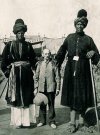
The two Kashmir Giants posing with the American photographer James Ricalton, 1903.
 
The two Kashmir Giants posing with the American photographer James Ricalton, 1903.
 

Attachments

  • FB_IMG_1678978098533.jpg
    FB_IMG_1678978098533.jpg
    209.7 KB · Views: 28
A crowded Huntington Beach, California, during the Oil boom of 1928.
20230317_041238.jpg
 
Back
Top Bottom