
Kevin85ify
JF-Expert Member
- Apr 6, 2019
- 2,684
- 3,429
Acme of insanityLifespan ya sgr ya Kenya ni 12yrs tu baada ya hapo inageuka kuwa chuma chakavu
Sent using Jamii Forums mobile app
Follow along with the video below to see how to install our site as a web app on your home screen.
Note: This feature may not be available in some browsers.
Acme of insanityLifespan ya sgr ya Kenya ni 12yrs tu baada ya hapo inageuka kuwa chuma chakavu
Sent using Jamii Forums mobile app

Totally agree borrowing from a bank to build a railway is on of the laziest financial moves i have seen in a while.Borrowing from a commercial bank to build railway is almost unheard of. Commercial banks are there to make profits. I don't know who advises these ignorant neighbours of ours.

Tz SGR - 18m Tonnes p.yYou do know our line can carry more cargo than your yet to be completed, three months late sgr right? I hope you know that.
Ethiopia has problems with their Transmission lines, Switching yards etc not electricity. TZ has built a new TL Just for SGR & Connected their very reliable gas fired Electricity plants to it unlike ethiopia's un reliable hydro plants powering their SGRAlso remember ethiopia generates 4,600 MW of electricity yet they are having problems powering their electric trains due to power outages. Tanzania produces about 1600 MW , don't you see a problem coming?

It is a white elephant. Maybe even a white giraffe. There is no business in the hinterlandTz SGR - 18m Tonnes p.y
KE SGR - 22m Tonnes p.y
Half of kenya's Capacity will be for Nairobi(Industrial & commercial center)
Tz SGR will not carry any cargo for its Commercial & industrial center (Dar)
That is how TZ SGR wins the game for transit (to other countries) and long range hinterland cargo- It will have more cargo capacity
Ha hahaahahahahaha,Tz SGR - 18m Tonnes p.y
KE SGR - 22m Tonnes p.y
Half of kenya's Capacity will be for Nairobi(Industrial & commercial center)
Tz SGR will not carry any cargo for its Commercial & industrial center (Dar)
That is how TZ SGR wins the game for transit (to other countries) and long range hinterland cargo- It will have more cargo capacity
There is no argument that Nairobi is the capital of industries just like Dar is for TZ.It is a white elephant. Maybe even a white giraffe. There is no business in the hinterland
a) Tz line has capacity for 18m TonnesHa hahaahahahahaha,
a) You always base your arguments on false information.
b) Tz sgr is 17 million tonnes a year, and this is confirmed only for phase 1. Refer to documents from your own contractor.
c) Not carrying local cargo is idiotic and makes no economic sense, it makes local trade and manufacturing more costly so you reduce costs for burundi and rwanda but lock out your own traders from the cost savings? Burundi and rwanda combined will not be able to fill up all 17 million tonnes a year meaning your railway will never ever generate significant revenues.
d) Kenyan sgr is connected to the special economic zones which means industries like toyota, dominion coffee that are aiming to set up shop and manufacture for africa from kenya will use it for exports thus more money from cargo.
e) ethiopia does not have transmission problems, they have a problem of expertise in management of an electric line, which is more expensive to maintain. Training and education determine how such an organization is run.
f) Tanzania does not generate enough electricity to power homes and industries, and any new stations will take at least two years to complete.
10. What is the difference between AREMA (American Railway Engineering and Maintenance-of-Way Association) and China standards?a) Tz line has capacity for 18m Tonnes
b) Not transporting Cargo meant for Dar is a geographical advantage, Frees up space for Hinterland & Transit goods
c) Tz is Arema, The only advantage class 1 has is less life cycle costs, but you pay for them upfront with class 1's elaborate Embankment structures, bridges for 1.2 View attachment 1387005gradient.
d) KE SGR is not Electric (40% more expensive to operate)
e) KE sgr is not countinous welded
f) Tz has a 500mw excess electric capacity
Here is a comparison of CLASS 1(Electrified+Continous) Vs Kenya's Diesel jointed
ethiopia powers it's addis light rail with 160MW dedicated transmission line. You do realize that for any grid to be stable it must have some percentage of excess power right? Now to power your trains over 200 km of the first phase you may be left with an excess of about 100 MW which will make your grid extremely unreliable for industries and households leading to higher production costs or underutilization of machinery which will make goods more expensive because industry will pass the added costs to consumers. All of this in order to transport 6 containers to burundi and rwanda?a) Tz line has capacity for 18m Tonnes
b) Not transporting Cargo meant for Dar is a geographical advantage, Frees up space for Hinterland & Transit goods
c) Tz is Arema, The only advantage class 1 has is less life cycle costs, but you pay for them upfront with class 1's elaborate Embankment structures, bridges for 1.2 View attachment 1387005gradient.
d) KE SGR is not Electric (40% more expensive to operate)
e) KE sgr is not countinous welded
f) Tz has a 500mw excess electric capacity
Here is a comparison of CLASS 1(Electrified+Continous) Vs Kenya's Diesel jointed
Do not confuse trains with the track, diesel trains are 20% more expensive to maintain than electric trains, but electrified tracks are more expensive to maintain than non electrified tracks. Think monkey think.a) Tz line has capacity for 18m Tonnes
b) Not transporting Cargo meant for Dar is a geographical advantage, Frees up space for Hinterland & Transit goods
c) Tz is Arema, The only advantage class 1 has is less life cycle costs, but you pay for them upfront with class 1's elaborate Embankment structures, bridges for 1.2 View attachment 1387005gradient.
d) KE SGR is not Electric (40% more expensive to operate)
e) KE sgr is not countinous welded
f) Tz has a 500mw excess electric capacity
Here is a comparison of CLASS 1(Electrified+Continous) Vs Kenya's Diesel jointed
China class 1 is safer too you forgot to add that because it does not allow for interruptions while the trains are on the track, it is safer too due to superior structures.a) Tz line has capacity for 18m Tonnes
b) Not transporting Cargo meant for Dar is a geographical advantage, Frees up space for Hinterland & Transit goods
c) Tz is Arema, The only advantage class 1 has is less life cycle costs, but you pay for them upfront with class 1's elaborate Embankment structures, bridges for 1.2 View attachment 1387005gradient.
d) KE SGR is not Electric (40% more expensive to operate)
e) KE sgr is not countinous welded
f) Tz has a 500mw excess electric capacity
Here is a comparison of CLASS 1(Electrified+Continous) Vs Kenya's Diesel jointed
so you are willing to sacrifice your own industries in order to deliver 6 containers to burundi and still expect your industries to pay taxes to fund the sgr because if you rely on rwanda and burundi I can assure you , you will only run two cargo trains in a day. Kenya currently runs 30 cargo trains a day and four passenger trains and we are yet to break even how will you ever break even with 2 cargo trains a day and three passenger trains, considering you are borrowing loans at commercial rates for your sgr?a) Tz line has capacity for 18m Tonnes
b) Not transporting Cargo meant for Dar is a geographical advantage, Frees up space for Hinterland & Transit goods
c) Tz is Arema, The only advantage class 1 has is less life cycle costs, but you pay for them upfront with class 1's elaborate Embankment structures, bridges for 1.2 View attachment 1387005gradient.
d) KE SGR is not Electric (40% more expensive to operate)
e) KE sgr is not countinous welded
f) Tz has a 500mw excess electric capacity
Here is a comparison of CLASS 1(Electrified+Continous) Vs Kenya's Diesel jointed

Ushahidi?Lifespan ya sgr ya Kenya ni 12yrs tu baada ya hapo inageuka kuwa chuma chakavu
Sent using Jamii Forums mobile app
Tz SGR cargo destination to where or to whom? Msifanye vitu juu wengine wanafanya.Tz SGR - 18m Tonnes p.y
KE SGR - 22m Tonnes p.y
Half of kenya's Capacity will be for Nairobi(Industrial & commercial center)
Tz SGR will not carry any cargo for its Commercial & industrial center (Dar)
That is how TZ SGR wins the game for transit (to other countries) and long range hinterland cargo- It will have more cargo capacity
The cost of the equipment could be a disadvantage, especially on long distance lines that don't get many users. Also, if the overhead wiring breaks this can cause a lot of delays.a) Tz line has capacity for 18m Tonnes
b) Not transporting Cargo meant for Dar is a geographical advantage, Frees up space for Hinterland & Transit goods
c) Tz is Arema, The only advantage class 1 has is less life cycle costs, but you pay for them upfront with class 1's elaborate Embankment structures, bridges for 1.2 View attachment 1387005gradient.
d) KE SGR is not Electric (40% more expensive to operate)
e) KE sgr is not countinous welded
f) Tz has a 500mw excess electric capacity
Here is a comparison of CLASS 1(Electrified+Continous) Vs Kenya's Diesel jointed
He is banking on Tz sgr carrying 6 containers going to burundi, to make moneyTz SGR cargo destination to where or to whom? Msifanye vitu juu wengine wanafanya.

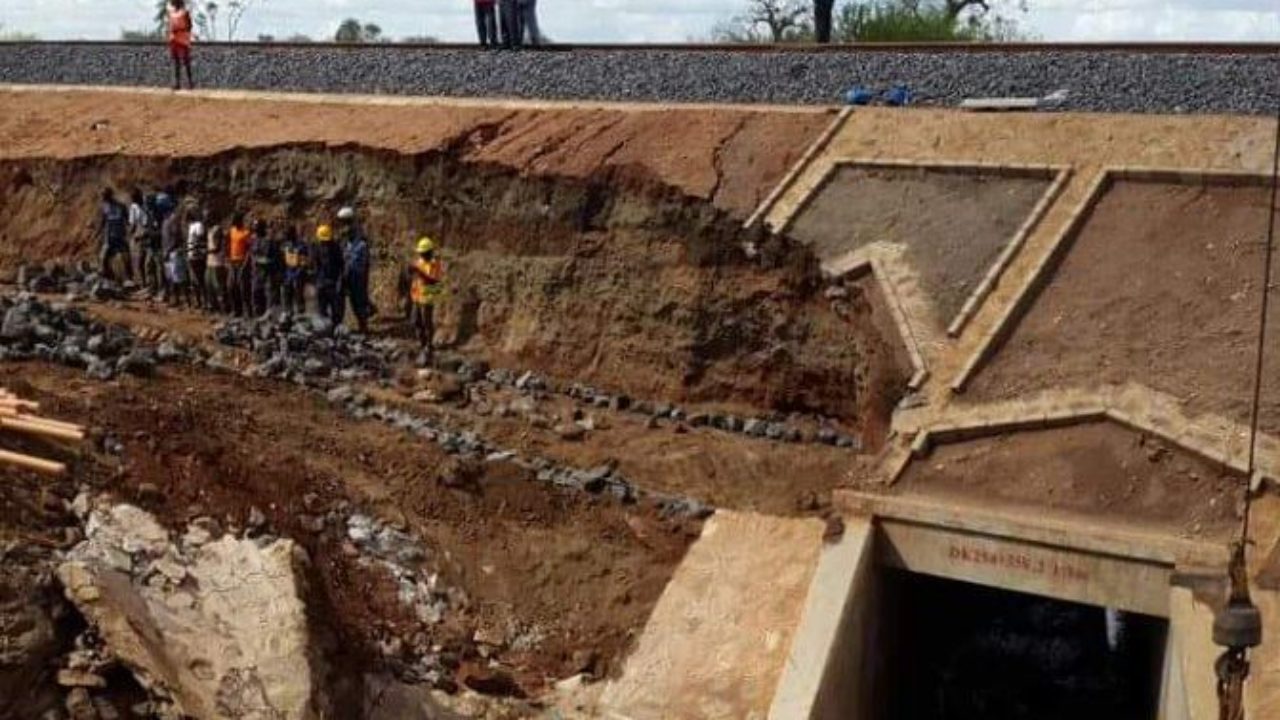
Kunyaland's first class SGR
Holy shit Kevin. That's enough! Stop kickin a dead body.Do not confuse trains with the track, diesel trains are 20% more expensive to maintain than electric trains, but electrified tracks are more expensive to maintain than non electrified tracks. Think monkey think.
a) Tz line has capacity for 18m Tonnes
b) Not transporting Cargo meant for Dar is a geographical advantage, Frees up space for Hinterland & Transit goods
c) Tz is Arema, The only advantage class 1 has is less life cycle costs, but you pay for them upfront with class 1's elaborate Embankment structures, bridges for 1.2 View attachment 1387005gradient.
d) KE SGR is not Electric (40% more expensive to operate)
e) KE sgr is not countinous welded
f) Tz has a 500mw excess electric capacity
Here is a comparison of CLASS 1(Electrified+Continous) Vs Kenya's Diesel jointed