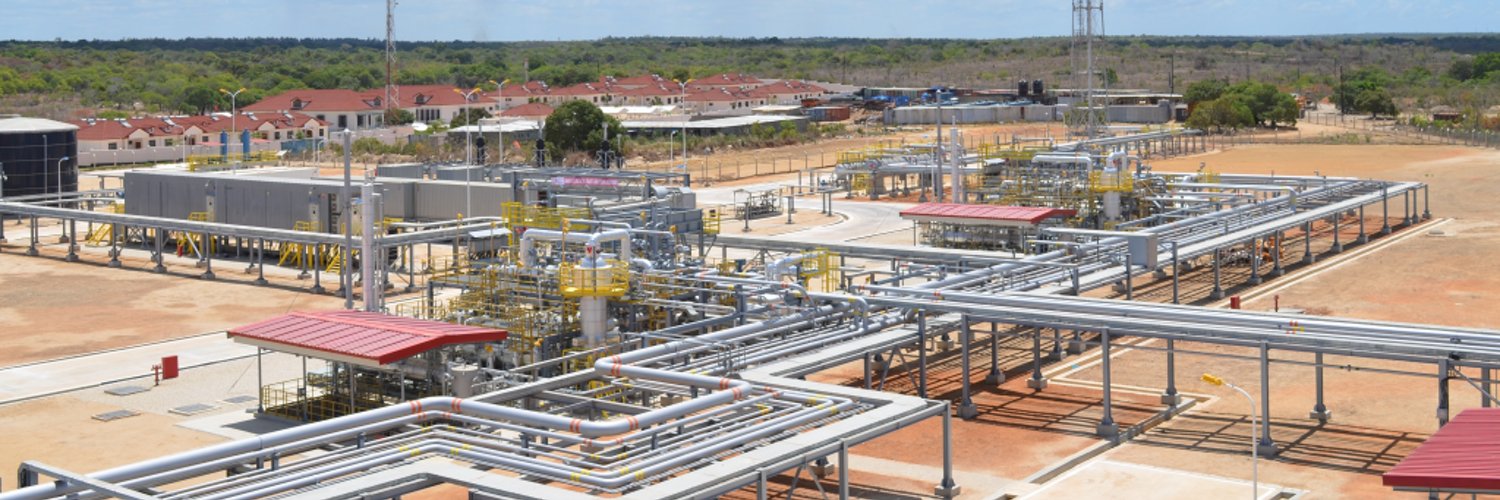
Kiwanda gani Tanzania kina uwezo wa kucompress gas hadi kuwa kwenye liquid form, kipo wapi hicho kiwanda na kinamilikiwa na nani?[emoji23][emoji23][emoji23][emoji23]
Usichanganye vitu compression unayoongelea wewe ni ya ku-fill tankers at right pressure and temperature to enable easier long distance transport across the seas! Hiyo hatuna gesi tunayotumia haihitaji compression hiyo! Kuna mitambo midogo isiyopungua mitatu Songosongo, Mnazi bay na Kiliwani North inayo-process gas kabla ya kuisafirisha kwa bomba kwenda Dar!
TPDC wana-supply gesi majumbani pia japokuwa viwanda na Tanesco ndo wateja wao wakubwa! Jua maana ya compression kwanza na tofauti ya gesi inayojazwa kwenye LNG tanker na gesi hii tunayotumia Dar! Basically TPDC mode of business ime-concentrate from Upstream as shareholder and midstream (bulk distribution) so far hajaingia sana lowstream segment bado!
Kwa mawazo yako huu ni mtambo wa nn?
Na umeelewa nini kwenye hii clip
Production
The most productive field is Songo Songo, operated by PanAfrican Energy Tanzania (PAET), which has an estimated 1trn cu feet of recoverable gas and was responsible for 85% of production in 2015. The field lies in the southern offshore zone and produces approximately 90m cu feet per day, of which around 40m cu feet per day is reserved for special contracts and the rest is sold to TANESCO, industries, households, institutions and vehicles.
In 2015 much of the production growth came from the Mnazi Bay concession, which is operated by France’s Maurel & Prom, with TPDC and Wentworth Resources, a Canadian firm, as equity partners. Mnazi Bay produces roughly 60m cu feet per day. Production increased from 783m cu feet in 2014 to 5.79bn cu feet in 2015, bolstered by a new pipeline from Mtwara to Dar es Salaam. Overall production figures for 2016 are set for a small increase when announced, as the year featured first gas from a third source, the Kiliwani North field, which is operated by Aminex. The field was producing at a rate of some 15m cu feet per day in 2016. Aminex’s contract with TPDC pays it $3 per million British thermal units (Btu).
Tanzania develops its natural gas potential and generation capacity