Tendega asema Tanzania kutoruhusu uraia pacha kunaikosesha fursa nyingi za kiuchumi

Tendega asema Tanzania kutoruhusu uraia pacha kunaikosesha fursa nyingi za kiuchumi

Kwa maoni yangu, raia wa nchi nyingine akiomba kuwa raia wa TZ ndio kuwe na process ambayo kwanza atakuwa permanent resident kwa miaka labda 5, then ndio anaruhusiwa kuomba uraia.

Lakini kwa raia wa TZ ambae amezaliwa na kukulia TZ, then akatoka kwenda kutafuta maisha nje, waruhusiwe kuwa na uraia pacha iwapo wamechukua uraia wa nchi nyingine.
 
Wasiruhusu uraia pacha.

Waanzishe utaratibu wa permanent residency.

Permanent residents wanakuwa na haki zote lakini hawaruhusiwi kushiriki ktk uchaguzi, na kutumikia ktk taasisi nyeti za serikali.
Ni njia rahisi ya kuhingiza mamumluki wanayodhaminiwa na magenge ya kihalifu. Bora tuendelee kudeal na mamumluki wanaodhaminiwa na nguvu ya "Geneva convention" kwa sababu wanachukua tahadhari sana kwenye shughuli zao kuliko hao wa magege ya kihalifu.
 

Dual citizenship in Africa: 'Benefits outweigh disadvantages'​

29.01.2019​

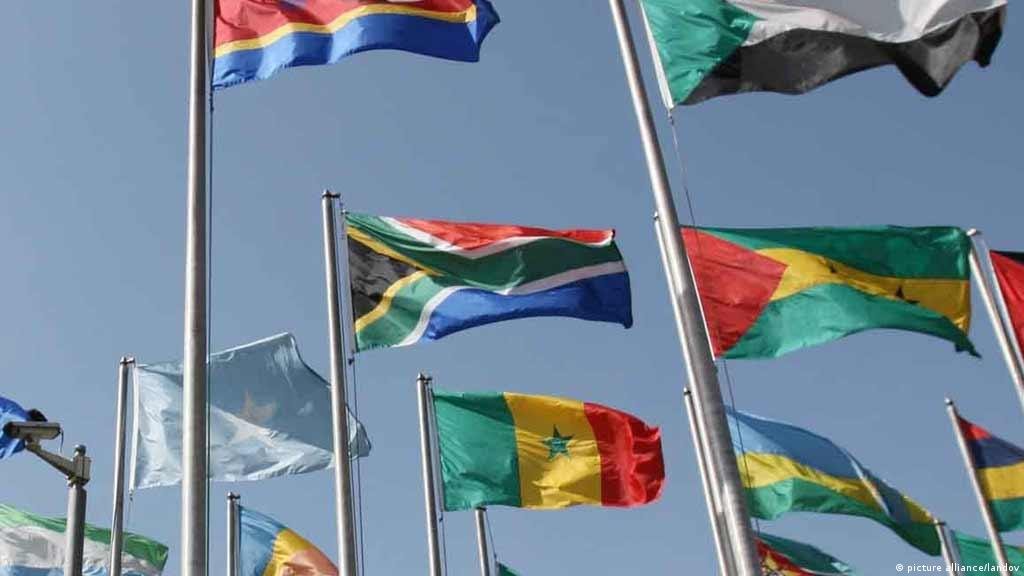
16821087_101.jpg


Dual citizenship is illegal in a number of African countries. Authoritarian leaders regard people with a second nationality as potentially dangerous with their "foreign" ideas, analysts say.​

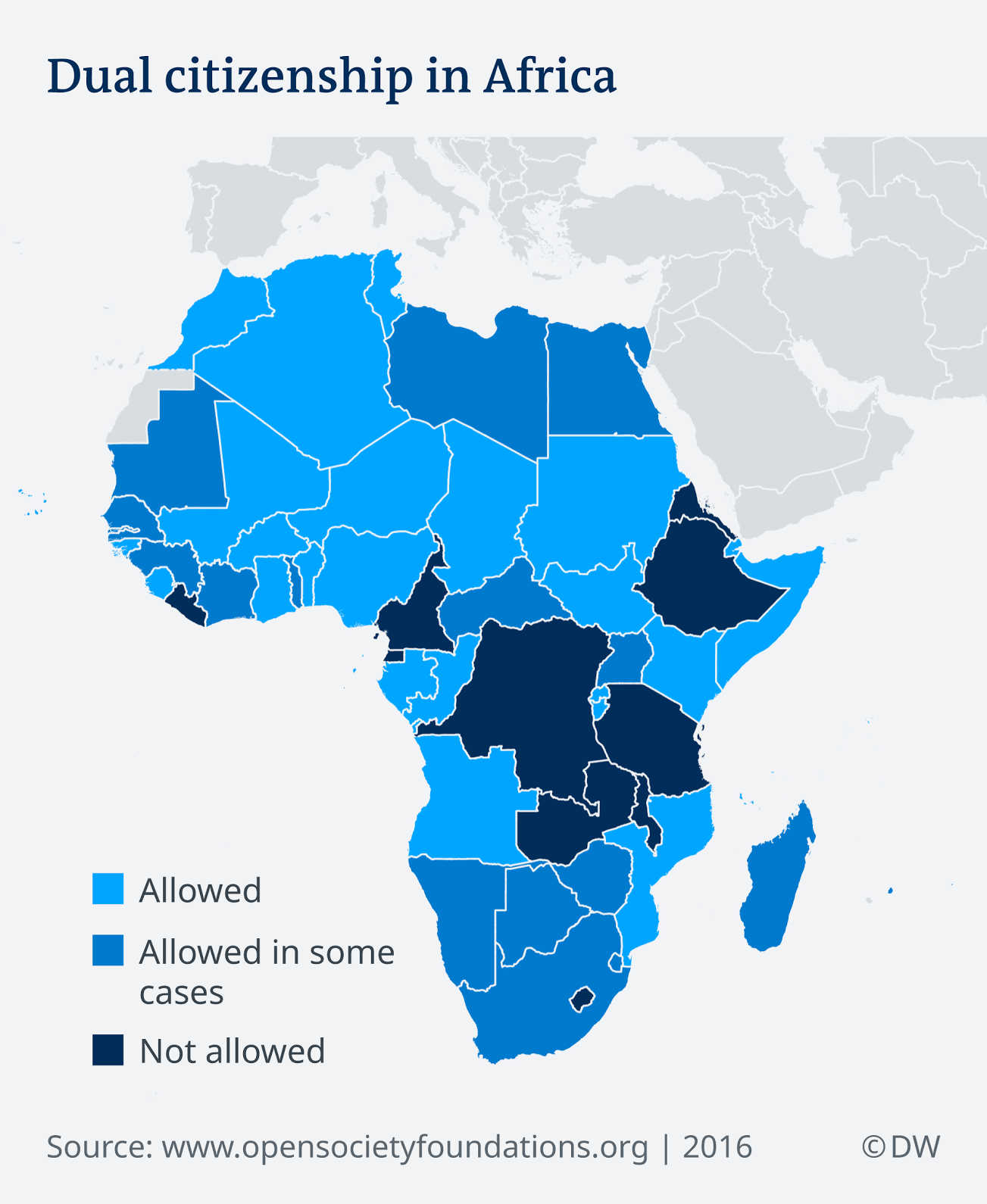
Several African countries, such as the Democratic Republic of Congo (DRC), Tanzania and Ethiopia, reject dual nationalities for their citizens. In these countries the fear of people with two citizenships seems to be acute.

There are a number of African heads of state and high-ranking politicians who have dual citizenship themselves or roots in another country. Somali President Mohamed Abdullahi Mohamed is a citizen of Somalia and the United States. Liberia's former head of state Ellen Johnson-Sirleaf has German and Liberian roots. Moise Katumbi, a leading DRC opposition politician, was an Italian citizen for 17 years. For this reason he was banned from running in the 2018 presidential election.

Pride or politics?

While the DRC does not recognize dual citizenship, an exception is made for children born abroad. They are allowed to keep both nationalities until they come of age at 21. Then they have a year to renounce one of their citizenships. An Ethiopian law of 1930 stipulates that Ethiopians acquiring another nationality will cease to be Ethiopians. Foreigners who want to become Ethiopians need to prove that they've already renounced or are able to renounce their original citizenship.

Tanzania also does not allow dual citizenship. In 2007, Tanzanian Foreign Minister Bernard Membe presented a report which recommended an amendment to this law. But the government argued that such a change represented a threat to peace, security and the Tanzanian population's livelihood.

47202378_7.png


"It's all a mystery, because the benefits outweigh the so-called disadvantages," Ahmed Rajab of the Pan-African Institute for Strategic Studies, told DW. "The main benefits are to the economies of these countries," he said. "Maybe it's a question of pride. Maybe these countries are so proud of their nationality that they don't want any of their citizens to acquire another citizenship." Legalization would not bring about any new problems. On the contrary: "It has been proved in the case of Ghana, for example, or even Kenya, that the country benefits from the inflow of funds from the countries of the citizens who have dual nationality." Ghana legalized dual citizenship in 2002. Kenya followed suit in 2011.

African leaders do not want to be challenged

Tanzanian analyst Gwandumi Mwakatobe believes there is more to the rejection of dual citizenship than mere pride. Many people often do not know where to get their information from so they believe whatever their president says. Mwakatobe believes that this works to the advantage of African heads of state. People with dual citizenship who live abroad "are exposed to so many things. They know so many issues regarding politics, regarding human rights. And they are very vocal. They criticize their country. They challenge the leaders from their original countries. Many African leaders don't want to be challenged," Mwakatobe told DW.

15670052_101.jpg


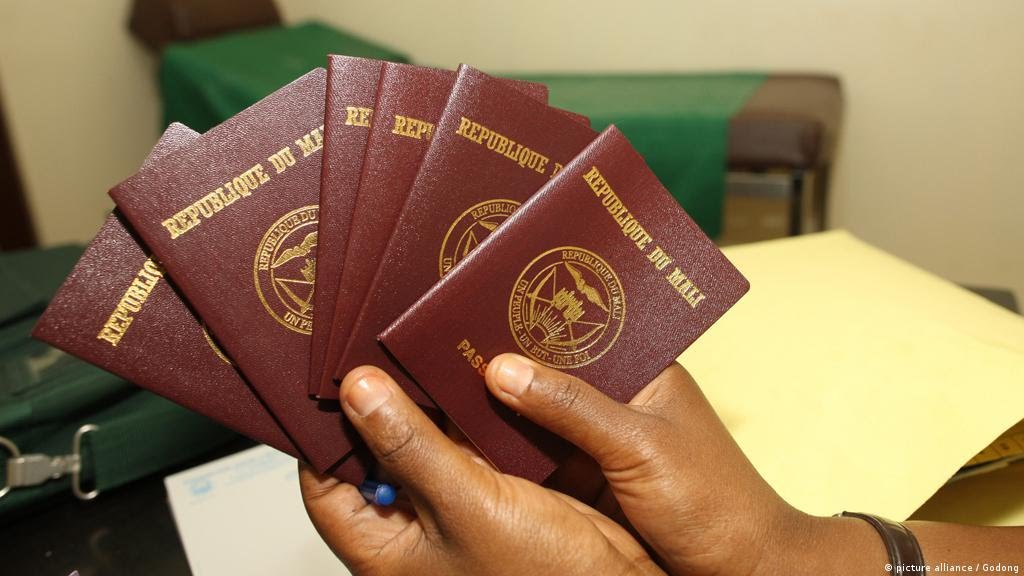
Mali is one of the African countries that allow dual nationality
"I think that is a threat," analyst Ahmed Rajab agrees. African leaders view people with dual citizenship as foreigners and don't want them to participate in politics. "Because they have ideas on democracy, democratic processes and on how to run politics. It goes against the grain of the Ethiopian political environment, for example," Rajab said. Dual citizens are banned from local politics in Ethiopia.

'We are world citizens'


Gwandumi Mwakatobe considers this to be a useless strategy. "There is nothing you can hide in this world today, due to the communication technology. Even in the DR Congo, where they cut the internet, they were still communicating," he said. The analyst also believes that states will benefit from allowing their citizens to have dual nationality. "We have to put in place good systems, good laws, that can guide us to make sure that we prosper," he said. Increased business, transport of goods and networking with people abroad are just a few advantages of dual citizenship, Mwakatobe pointed out.

He would like every African country to build a bridge to the diaspora, to ease the way home for people with dual citizenship. "That is very important, because we are all citizens of this world, and not from one nation or the other. The whole world is ours. We are world citizens."
Angalia stability ratio ya nchi kwenye maeneo yenye dual citizenship toka zimeanzisha utaratibu huo na ambayo hayana.
 
Ni njia rahisi ya kuhingiza mamumluki wanayodhaminiwa na magenge ya kihalifu. Bora tuendelee kudeal na mamumluki wanaodhaminiwa na nguvu ya "Geneva convention" kwa sababu wanachukua tahadhari sana kwenye shughuli zao kuliko hao wa magege ya kihalifu.
Una evidence yoyote kuthibitisha hiyo theory yako au wewe ndio miongoni mwa watu mnaoishi kwa hofu na sio hope!
 
..kuna baadhi wanaamini waliochukua uraia huko nje hawana uzalendo na uaminifu kwa Tz. Wanaonekana wasaliti wenye tamaa ya kupenda vya nyumbani na ughaibuni.

..pia wanaamini Mtanzani mwenye uraia wa nchi nyingine akipewa uraia wa Tanzania anaweza kuutumia kufanya uhalifu / hujuma dhidi yetu na baadae kukimbilia kwenye nchi iliyompa uraia.

..wengine wanaamini kwamba Watanzania waliochukua uraia wa nchi nyingine hawana mitaji au uzoefu wa kutosha kiasi cha kulazimisha Tanzania iwarejeshee uraia wao wa awali.

..pia kuna suala la KISIASA ambapo inaaminika Watanzania walioko nje wameegemea zaidi upande wa upinzani kuliko upande wa chama tawala na serikali. Hali hiyo inawapa kigugumizi chama tawala kupitisha sheria itakayoruhusu uraia pacha.
Kwanini tuendelee kuishi na hofu isiyokuwa na evidence? Wakati umefika wa kuweka hope kwa kufanya yale yaliyohai na yanaonekana wazi. Kama hali ya woga huu haijawahi kujitokeza katika nchi zenye uraia pacha nani katujengea hofu hii na kuwaaminisha watu bila ushahidi?
 
Kwa maoni yangu, raia wa nchi nyingine akiomba kuwa raia wa TZ ndio kuwe na process ambayo kwanza atakuwa permanent resident kwa miaka labda 5, then ndio anaruhusiwa kuomba uraia.

Lakini kwa raia wa TZ ambae amezaliwa na kukulia TZ, then akatoka kwenda kutafuta maisha nje, waruhusiwe kuwa na uraia pacha iwapo wamechukua uraia wa nchi nyingine.
Well said!👍🏽
 
Ukishaanza kuona ndugu zako waliohamia nchi za nje na kupata uraia huko kama wasaliti na vibaraka wa mabeberu, makupe, wanyonyaji, makabaila na wapinga maendeleo lazima utaogopa uwepo wa uraia pacha.
 
..kuna baadhi wanaamini waliochukua uraia huko nje hawana uzalendo na uaminifu kwa Tz. Wanaonekana wasaliti wenye tamaa ya kupenda vya nyumbani na ughaibuni.

..pia wanaamini Mtanzani mwenye uraia wa nchi nyingine akipewa uraia wa Tanzania anaweza kuutumia kufanya uhalifu / hujuma dhidi yetu na baadae kukimbilia kwenye nchi iliyompa uraia.

..wengine wanaamini kwamba Watanzania waliochukua uraia wa nchi nyingine hawana mitaji au uzoefu wa kutosha kiasi cha kulazimisha Tanzania iwarejeshee uraia wao wa awali.

..pia kuna suala la KISIASA ambapo inaaminika Watanzania walioko nje wameegemea zaidi upande wa upinzani kuliko upande wa chama tawala na serikali. Hali hiyo inawapa kigugumizi chama tawala kupitisha sheria itakayoruhusu uraia pacha.

.kuna baadhi wanaamini waliochukua uraia huko nje hawana uzalendo na uaminifu kwa Tz. Wanaonekana wasaliti wenye tamaa ya kupenda vya nyumbani na ughaibuni. x

Wote wenye uraia pacha wanakuwa na uzalendo wa kweli na wanataka kuja kujenga na kuwekeza nyumbani.

..pia wanaamini Mtanzani mwenye uraia wa nchi nyingine akipewa uraia wa Tanzania anaweza kuutumia kufanya uhalifu / hujuma dhidi yetu na baadae kukimbilia kwenye nchi iliyompa uraia.x

Tanzania ni mwanachama wa Interpol, kama ni mhalifu wanamtaka watampata tu
Ni watawala wa kimabavu wanaogopa nchi za ulaya, wakikata wanasiasa wenye urai pacha watasumbuliwa na taifa litalomtambua kama raia wake

..wengine wanaamini kwamba Watanzania waliochukua uraia wa nchi nyingine hawana mitaji au uzoefu wa kutosha kiasi cha kulazimisha Tanzania iwarejeshee uraia wao wa awali.x


Utopolo.....

..pia kuna suala la KISIASA ambapo inaaminika Watanzania walioko nje wameegemea zaidi upande wa upinzani kuliko upande wa chama tawala na serikali. Hali hiyo inawapa kigugumizi chama tawala kupitisha sheria itakayoruhusu uraia pacha.


Ujinga unaofanywa na CCM hata mtanzania yeyeto mwenye akili timamu hawezi kukubali
 
Back
Top Bottom