Uchochezi wa Mohamed Said na dhihaka kwa Wapigania Uhuru wa Tanganyika na Zanzibar

Uchochezi wa Mohamed Said na dhihaka kwa Wapigania Uhuru wa Tanganyika na Zanzibar

Nguruvi3

Nilishaeleza kuwa ndugu yetu Ritz hana qualification za kujadiliana nae mbambo yanayohitaji jicho la tatu,

Nikaongeza kusema huyu tujadiliane nae kwa NGANO za mitaa ya kipata na mkunguni tu,

Mambo nyeti jitahidi kumpuuza tu anakatabia hako ka ku spinning

Ha ha haa leo ndio nimejua wewe una akili ya kuvuka barabara ukishavuka akili kwishney mtu kama wewe sikutegemea kama utawaita CUF ni mashoga umenisikitisha sana lakini sio makosa yako bado una mawenge ya majibu ya Andrew Nyerere kuwa wewe sio mtoto wa mzee...... "habajana" mnhhh
 
SUFISM & SLAVERY IN EAST AFRICA.

There is none in the heavens and the earth but comet h unto the Beneficent as a slave. (Qur'an 19:93)


ISLAM HAS BEEN PRESENT ALONG THE EAST AFRICAN coast since about the 8th century, when Persian traders, princes and economic migrants first sailed by dhow to Lamu, Mombasa, Zanzibar and Kilwa, at first for trade and later to live. Although they often took local wives and concubines, marking the birth of an ethnically and linguistically mixed population-the "Waswahili"1-Islam remained for more than 10 centuries the preserve of merchants and land-owners. Caravans carrying ivory and animal skins brought slaves and porters from the inland to the coast, where they were excluded from mainstream Muslim society but simultaneously were attracted to its intellectual and spir- itual heritage. In the late 18th and early 19th centuries, tariqas2 such as the Qadiriyya, Shadhiliyya and Ba ‘Alawi began to emerge in Africa, teaching an Islam that sought to accommodate marginalized people, particularly migrants from the African mainland, women and freed slaves. But what was it the tariqas offered that attracted so many?


SLAVERY IN EAST AFRICA


The trade in slaves in East Africa at this time was intense. Demand for ivory reached its peak as the industrial revolution in the west made luxury items, such as billiard balls and piano keys, more popular. In 1856 alone, Zanzibar exported a quarter of a million pounds of ivory.3 Slaves were needed for the arduous caravan journeys upcountry, where diseases such as sleeping sickness killed horses and donkeys. However, burgeoning clove plantations in Zanzibar and Pemba began to create such a high demand for slaves that by the 1860s, more than two-fifths of the 22,000 slaves exported from Kilwa yearly remained in Zanzibar and Pemba. Although British colonial documents described the East African slave trade as "Arab," less than a fifth of these slaves were transported to the Arabian Peninsula, India and Indian Ocean Islands.4


After the Napoleonic wars and the signing of the Moresby Treaty in 1822, which banned the export of East African slaves southward, international trade-and the power of the slave merchants in Zanzibar-all but disappeared. At this point, the predominantly Omani merchant classes began to turn to plantation farming as a new use for their assets. By 1832, the price of cloves, driven phenomenally high by a Dutch monopoly, earned producers a profit of more than 1,000%.5 The Omani Sultan Seyyid Said, who had lost around $50,000 in slave-trade revenues, was keen to recoup his losses and ushered in a slave-buying frenzy. In 1847, there were about 60,000 slaves in Zanzibar, yet by 1910 the island's entire population was only 100,000.


Toward the middle of the 1800s, Africans from the interior began to rely more heavily on trade, with porters spending their time on the coast between caravan trips to do trade. The introduction of firearms only increased the conflicts that plagued weaker ethnic groups, adding to the stock of slaves that coastal traders bought; some, such as the Zigula, were even known to sell themselves into slavery to escape starvation.


SLAVERY AND ISLAM


Although the majority of slave owners were Muslims, this did not mean that Islam encouraged slavery. According to one hadith, the Prophet Muhammad said, "Slaves are your brothers, whom God has placed under your control. So whoever has his brother under his control should feed him and clothe him with what he wears; and do not assign him a task that is too much for him, or if you do, then help him."6 Even so, in Lamu, slaves were not only considered incapable of attaining ustaarabu (civilization) or Divine favor, but also were linked with animal behavior, jinn and the devil. Though nominally converted to Islam, they were not allowed into waungwana (freeborn, high-class) mosques or to be taught by waungwana religious teachers, or even to recite the Mawlidi al-Burzanji, and were excluded entirely from religious life, whether private or public. Even the term ustaarabu is derived from the Arabic verb, ista'raba, or to be Arabized. Ethnicity and social status were evidently intertwined.


The Muslim traders that mainland Africans came into contact with projected an image of affluent, cosmopolitan sophistication; the imported cloth, which was often used as currency, meant that Swahili and Arab traders quite literally wore their money. Most of the Arabs in Tabora were Ibadi, a sect that in East Africa showed no interest in da ‘wa (calling people to Islam). One of the most notorious Swahili slave traders, Tippu Tip-hardly a shining example of Islamic morals-is reputed to have caused many conversions to Islam in Eastern Congo, simply through osmosis.


DECLINE OF THE WAUNGWANA


Omani influence on the coast intensified in the 1870s and 1880s as the number of plantations swelled. The ‘ulema, or religious scholars, in turn began to move from waungwana transmitting knowledge orally and in Swahili, to a much more restrictive, Arab-based authority. This increased after the British takeover in 1890, as this was an easier Islam to regulate. At the turn of the 20th century and at the bottom of Swahili social hierarchy were African slaves whose hope of learning about their religion was being eclipsed by the increasing elitism of their ‘ulema.


Even the introduction of secular law in 1907 under colonial rule enforcing manumission made no difference; if a slave was not freed by the free will of the master, by Shari'a (Islamic law) the manumission is null and void.7 Frequently ending up as squatters on the land of their former masters and almost never making their way into the mercantile economy, former slaves had little or no option to rise economically or socially.


AFRICANS, SUFIS AND THE NEW ‘ULEMA


The growing number of undereducated African Muslims gradually became a force that neither the waungwana nor the Omani bureaucratic state could afford to ignore. It was during this time that the tariqas first penetrated the East African coast, heralding profound changes in the expressions of Islam and its standards of scholarship. The Zanzibar ‘ulema gained an influx of scholars, including the Hadramis, Ibn Sumayt and ‘Abd Allah Ba Kathir, who did not rely on Omani education or blood for their access to religious authority. These scholars traveled throughout the Ottoman Empire, filtering news of a worldwide Umma (Muslim community) down to the East African public.


This mobility brought the two major Sufi orders to East Africa, the Shadhiliyya and the Qadiriyya, both of which were active in Africa by the 1880s. The Shadhiliyya was founded in Morocco by Sheikh Abu'l-Hasan ‘Ali ash-Shadhili (1196-1258), the most notable exponent of Sheikh Abu Madyan's early Sufi teachings. It was introduced in Zanzibar via the Comoros islands by the Hadrami sharif Sheikh Muhammad Ma'ruf (1853-1905) in 1886. The Shadhiliyya found great popularity among Comorians. Hence the Comorian community in Zanzibar were disturbed by French colonial intervention and riled by a lack of access to Arabic and thus religious learning. Though the Shadhiliyya is often described as exclusive, by the time of Ma'ruf's death in 1905, the tariqa was "widely diffused" along the coasts of Tanganyika, Kenya, Madagascar, Mozambique, Comoros and even New Guinea.8


The Qadiriyya, named after Sheikh ‘Abd al-Qadir alJilani (d. Baghdad 1166), was brought to East Africa through Somalia by the Somali Sheikh ‘Uways (1847-1909). ‘Uways more or less made Zanzibar his base in the 1880s, having been invited there by then Sultan Barghash. The Qadiriyya was the most active tariqa in East Africa, making special efforts to recruit new members and spreading on the Tanganyikan mainland. Qadiri dhikr sessions were known for being particularly loud and lengthy, using drums-deemed too "African" by the Omani ‘ulema-and more ecstatic than that of the Shadhiliyya. Whereas the Shadhiliyya enjoy a larger membership in Zanzibar, the Qadiriyya have long been associated with mainland centers such as Tabora, Bagamoyo and Ujiji.
A third tariqa, the Ba ‘Alawi, founded in the 13th century in Tarim, Hadramawt in Yemen by Sheikh Muhammad b. ‘Ali (d. 1255), is seen as the most "orthodox" of the three due to its strong presence in the Zanzibar ‘ulema. Though it has been present in Zanzibar since the 17th century, this order blossomed in the early 19th century with the great wave of Hadrami immigration, carried by merchant clans following old Hadrami trading routes that connected the Swahili citystates with the Hijaz. The Ba ‘Alawi came to be a bridge between "popular," tariqa-based Sufism and the Islam of the intellectual elite, establishing madrassas (schools) to teach Qur'an, the Prophetic tradition and jurisprudence, particularly to low-status, Hadrami migrants and freed African slaves. At the same time, the Ba ‘Alawis raised the general level of scholarship among the Zanzibar ‘ulema, finding great popularity among Shafi'i scholars. The energetic practices of the Qadiriyya provoked friction with the more sober Ba ‘Alawi. One of its leading figures, Seyyid Ahmad b. Abu Bakr bin Sumayt (1861-1925), considered banning Qadiri dhikr by fatwa as it appeared too intoxicating to be halal (permissible).9


One of the areas in which the tariqas reoriented Swahili religious life was the mawlid, commemorating the Prophet Muhammad's birth. Previously, the mawlid had been dominated by the waungwana, reinforcing the popular opinion that they were cornerstones of "proper" Islam. However, with the growth of the tariqas came new renderings of the mawlid that allowed all Muslims to participate, regardless of race or class. More importantly, black Africans, Arabs, mixed-race Swahilis and Indians were enabled (or forced) to look beyond ethnic differences and reassess what it meant to be a Muslim.


The tariqas ranked their members according to learning rather than wealth, and spiritual rather than political power. Whereas slave owners could use their wealth to educate themselves or their children, the batini (secret) knowledge that the tariqa imparted was given by God's grace, and was therefore independent of material gains. It was only through the tariqas that Africans were able to become leaders in the Sunni community. "Virtually every sheikh who was involved in disseminating orders, especially in the hinterland and far interior, was an African."10


Not only did the tariqas provide an alternative hierarchy, substituting a spiritual currency for a worldly one, but the imposition of colonial rule made it crucial to establish who one identified with. The Qadiriyya in Bagamoyo, choosing to define themselves in terms of their differences from coastal Arabs and Swahilis, aligned with the new colonial powers and against the old, elitist ‘ulema. ' I The Qadiriyya benefited from the British policies of indirect rule, but also, as Omani control began to crumble-culminating in the Zanzibar Revolution of 1964-being associated with a tariqa was far safer than clinging to the old seats of power.


SUFISM-SLAVERY CONNECTIONS


The caravan routes that opened the interior to contact with the Muslim world were driven by economic rather than missionary zeal, but the superior status of slave traders served as an incentive to convert, not only in order to share in the prestige but also to fortify trade links with Muslim merchants. Primed by this natural drift, Sufi teachers found willing authences in mainland centers. For instance, the Comorian Shadhili teachers Sheikh ‘Amir bin Jimba and Ahmad Mruzi in Angoche, Mozambique, had ties to the Comoros from the slave trade of the early 19th century and before.12
The tariqas are often credited with "Africanizing" Islam, as Sufi leaders were more willing to accommodate practices such as drumming. However, the assumption that this meant a deviation from the Islam of the Qur'an and Sunna is more telling of the racial bias of those making the assumption. In fact, many of these African Sufis were every bit as learned in the sacred sciences as the waungwana, or more so.


The best illustration of this is Sheikh Yahya b. ‘Abd Allah Ramiya (d.1931), born with the name Mundu in eastern Congo and sold to a Muslim colonial administrator in Bagamoyo. As a domestic slave, Mundu was in a better position to earn his master's trust, and around 1880 was allowed to begin commercial ventures, such as trading fish, and eventually bought a number of coconut plantations. Converting to Sunni Islam, taking the name Yahya b. ‘Abd Allah and using his capital to fund 10 years of religious studies, Mu'allim Ramiya, as he was then known, became the largest African landowner of his country, the leader of the Bagamoyo branch of the Qadiriyya with influence as far as Lake Tanganyika, and a prominent teacher of Islam, setting up his own madrassa in 1900. Owing to his personal fortune, he was able to sponsor students coming from East Africa to study at his school and care for orphans and travelers, particularly around the time of the mawlid, which he helped to establish in his town. Bagamoyo, incidentally, gets its name from bwaga moyo, Kiswahili for "lay down your heart," as it was the last stop on one of the major trading routes and the last time that thousands of slaves ever saw Africa.


Another example is Sheikha Mtumwa, the leader of the Nkhotakota branch of the Qadiriyya in Malawi. Born in Zanzibar to a Malawian slave woman and a Swahili man, Mtumwa (meaning "slave" in Kiswahili) lived in Nkhotakota until 19 14 when her husband, the district commissioner, died. She then returned to Zanzibar with her son, and, with the help of a widow's pension from the government, spent 10 years studying Him (knowledge) and running a plantation. She was given her ijaza (permission to teach) by Sheikh ‘Abdul Kadir and returned to Nkhotakota to spread the tariqa, particularly to women, finding quick success. "3 She later retired to Morogoro, Tanzania, where she died in 1958.


Perhaps the most famous example of a Sufi teacher introducing former slaves to profound religious knowledge is that of Habib Saleh. A Hadrami sharif attributed with numerous karamat (miracles) such as turning back a storm and a fire in Lamu town, Saleh commented on the top-heavy class system of the island by putting his efforts into educating former slaves and the poor of the Hadrami community rather than openly criticizing the system. His al-Riyadh mosque and madrassa, meaning "the sacred meadows," was an important space for social change. For example, at mawlidi recitations in the mosque, he would sit behind the slaves, and even a da ‘if (person from a weak social class) would be invited to sit by the Sheikh to sing if he had a good voice.14 Saleh supported the slaves' belief that it was only through love of the Prophet that one could draw near to him, expanding it with the concept of knowledge as the key to paradise; he was often dubbed "sharif of the slaves." Though from the Ba ‘Alawi clan, Saleh did not use any distinct tariqa initiation, perhaps because of his focus on the inner, or batini, rather than the outer, dhahiri, aspect of the faith.


Swahili Sufism, like Sufism everywhere, does not depend on the structure of an order for its existence. In fact, its very essence is the fulfillment of what every chapter of the Qur'an emphasizes: slavehood to God. Although the worship of God in Islam takes a physical form, sincere worship is synonymous with an absolutely internal humility: "And do you (O reader!) bring your Lord to remembrance in your (very) soul, with humility and reverence …" (Qur'an 7:205).15 A large number of Muslim male names are attributes of God prefixed by ‘abd, or "slave." In the case of Lamu's slave population, ‘Abdallah was one of the Muslim names allowed for slaves by the waungwana, who, by contrast, borrowed the names of the Prophet's companions and family. ‘Abdallah was also the name given to any slave boy whose father was unknown;'6 perhaps the subtext of this is that the boy could not be claimed by any master except God.


Slaves also featured prominently in early Islamic history. One of the close companions of the Prophet, Bilal al-Rabah, was an Abyssinian slave born in Mecca. Tortured for his belief in one God at a time when Mecca was largely polytheist, he came to be the first muezzin (one who calls the adhan, call to prayer), and was responsible every morning for waking the Prophet, who described him as "a man of paradise."17 An interesting parallel, though it is unclear whether it was intentional, is that the only slave allowed into the waungwana mosque Mwana Lalo in Lamu town was its muezzin.18
Poverty is, as the Muslim scholar Martin Lings asserts, a concept inextricably linked with that of slavehood, and saints are not only known within Sufi milieus as "the poor" but also "the slaves of God in certain contexts where not only the fact of slavehood (which concerns everyone) but also full consciousness of it is indicated."19 The extremity of need among former slaves, ostensibly free but subject to crushing social discrimination, resonates quite clearly with the spiritual poverty, or faqr, so often mentioned in Sufi literature. The Shadhili master Ibn ‘Ata'illah al-Iskandari, for instance, writes that "states of need are like jewel-laden carpets."20 It takes no great stretch of the imagination to see why Sufism would appeal so strongly and profoundly to one for whom the world is an endless jewel-laden carpet.


CONCLUSION


Enticed by prestige but pushed away by racial barriers, East African conversion to Islam tended to follow the slave trader's image at a superficial level, but that of the Sufi saint at the level of profound religious knowledge. Swahili Sufism, however, was not only African; Abu Bakr, the African khalifa of the Qadiriyya, ran a madrassa in Bagamoyo, where children of wealthy Arab and Indian families in Tabora and Ujiji were sent.21 It is also somehow unsurprising that there was a movement countering the exclusive, high-class Islam of the waungwana. For Habib Saleh, who saw Lamu society as unjust and therefore un-Islamic, sharing sacred knowledge with former slaves was a duty inherent in the faith. Whether or not they were drawn to the tariqas for social status or personal gain, slavery to God is by necessity hidden; "and God knows best what is in their souls." (Qur'an, 11:31)

Source: SUFISM & SLAVERY IN EAST AFRICA

cc: Ritz, Mag3, gombesugu, Nguruvi3, Wickama


Jokakuu,
Umetuwekea kitu aziz kabisa nakushukuru kwa hilo na kwa kuwa wametajwa mabwana wstukufu sina budi na mie nitabaruk kwa makala ambayo niliyoandika kuhusu maulid ya Lamu miaka michache iliyopita na ikachwapwa na The East African.

120 years of Lamu Maulid
By Mohamed Said
The Maulid, that is, celebration of the birth of the Prophet Muhammad (Peace be Upon Him) takes place in all Muslim world in Mfungo Sita in the Muslim calendar. The most famous Maulid in East Africa is the Lamu Maulid founded by Maulana Habib Saleh at the Riadha Mosque more than a century ago will this year on 26[SUP]th[/SUP] March celebrates 120 of its founding.

The Lamu Maulid is celebrated on the last Thursday of Mfungo Sita. In the 120 years Lamu has never failed to hold the maulid. It has held the maulid as scheduled during the two world wars with all the restrictions in place. Maulid was held during the emergency in 1952. Nothing has been able to stand on the way of Lamu Maulid. While the whole of the East Africa the popular maulid recited is Barzanj which are poems written by Sayyidina Jaffar the Lamu Maulid recites a maulid which is known as Simt Durar (Pieces of Pearls) from a book of poems written by Maulana Muhammad Al-Habshy from Hadharmut, Yemen.

Preparation for the Maulid takes months to accomplish and demand precise logistics. Tons of food stuff like rice, wheat flour, cooking oil, soft drinks, bottled water, boxes of medicine and other essentials have to be transported from Mombasa to Lamu by lorries a journey of about eight hours. All these have to be unloaded at the harbour to be loaded into boats to their final destination – Riadha Mosque at Lamu Island.
There in Lamu Island at the harbour the cargo has to be transported by donkeys and carts through very narrow streets full of corners and turns to Riadha Mosque. It is a tedious job which demands stamina, patience and resilience.

There is only one main ‘road' in Lamu and it leads from the residence of the District Commissioner to his office. This is the path taken by the official vehicle of the DC. Motor vehicles are practically non-existing in Lamu. The only means of transport are donkeys and this gives the island a picturesque view and peculiar atmosphere. The island's main square called the Fort which is the centre of the town's commercial activity is always full of people throughout the day. During maulid it a place where one should be. Standing there one is able to see people from different places in East Africa and beyond who have travelled to the island to take part in the mauled. It is like standing at Piccadilly Circus in London during summer.


People are never invited to the now well known Lamu Maulid at Riadha Mosque in Lamu. They come out of their own free will and they are welcomed with open arms. No one is turned away or asked where he comes from. Those who have made the journey to Lamu with the specific aim of attending the celebrations of the birth of the Prophet are provided with accommodation, food and in the last seven years medical care if need be throughout the Maulid week.

Once one steps into Lamu it is as if he is opening the front door of wonderland. Adjacent to the Fort is the island's main market and this has not helped much in easing the influx of the people into the square and ‘donkey traffic.' The Fort Square it is the only place where one can catch up with what is happening in other part of the world like latest scores of the European Club Champions and Premier League in England. People don't care much for news and it is difficult to come across a newsstand. However the youth of the island love football and it is a favourite topic of discussion at the square as Manchester United, Liverpool and Arsenal fans argue loudly about past and coming matches of their clubs. The Fort houses one of the two cyber cafes in the island.

The second one is at the prestigious Palace Hotel. However the cyber café at the Fort is always down because of power failure. The only reliable internet café is the one at the Palace Hotel where there is a stand-by generator but the price is exorbitant. But that is the only outlet to the world. The generators at the power house in the island are now too old to cope with and support new development of building construction which has taken place in Lamu in recent years because of tourism. In addition to the Lamu Maulid the island has become world heritage sight and this has put Lamu on the world map.


The journey to Lamu Maulid begins in Mombasa at a place known as Bondeni. This is where buses to Lamu are boarded. As one boards the bus to Lamu at Bondeni Bus Stop one can feel the festive mood in the air as men dressed in kanzu and cap together with women in hijab (veil) some with toddlers push and shove to get into the buses. Inside the bus there is more shoving as they struggle for seats. When seating arrangement has been settled by the bus conductor the small talk inside the bus is about nothing but the Maulid at Lamu. The ride to Lamu takes about eight hours of gruelling sweat and dust.

The last stretch to Lamu the tarmac road from Mombasa gives way to dust stretch full of port holes. Apart from the bumpy road the journey in itself is always full of happenings.
After few hours of travel and excitement passengers settle down to the realities of their trip. Passengers are dog tired and doze off under the heat in the bus and outside the bus. The sun pounds the earth mercilessly and the heat intensifies. The sound of laughter has is soon replaced by that of snores. Dust covers everything on the way. Those who have over the years been through the trip to Lamu know what to expect from the journey. The conductor seems to be oblivious of the fact that there is space inside the bus can only accommodate a particular and predetermined number of passengers for comfort and safety.

The bus stops at every stand picking up passengers going to Lamu for the Maulid. Veiled women, men and children from nearby villages are overflowing in the bus and the bus stops at each and every bus stop along the way picking passengers. To bus owners this is a God-send opportunity which comes once each year and they have to make the most of it. The bus conductor will push people standing inside the bus shouting at them to make room for their fellow embarking passengers. It is very hot inside the bus. Children are crying because of fatigue, heat and for lack of fresh air. By the time the bus reaches Mpeketoni about six hours later which is last but one stand before Lamu the bus resembles a mad house but for a good cause.


The first day of the maulid which is Thursday soon after the Fajr (morning) prayers there is the raising of the flag ceremony first outside the mosque and thereafter inside the mosque. The ceremony is accompanied by melodious kasda (hymns) and the beating of matari (tambourine). After breakfast people gather inside the mosque for samai (recitation of kasda to the beats of matari and flutes). Between kasda there are very short sermons to highlight the messages in the lyrics of the kasda. In the afternoon after dhuhr (afternoon) prayers there is special lunch at the Twayyiba Hall which dignitaries and government officials are invited.

This hall is named after Bibi Twayyiba the second daughter of Sayyid Ahmed Badawy; the son of Habib Saleh (died in 1935 aged 85). It is believed that this is the first exclusive women madras (school) in East and Central Africa. Bibi Twayyiba was a student at Riadha and after completing her studies then as a young girl she became a teacher taking exclusive girls classes.
It is narrated that Sayyid Ahmed Badawy's dream was to allow her daughters to acquire the same level of knowledge as his male children. It was through this vision of her father that Bibi. Twayyiba became a scholar of high repute just like her brothers. Bibi. Twayyiba taught Islamic Jurisprudence, Arabic and Science of the Holy Qur'an and many other disciplines. The place where was her class for girls now stands a modern function hall in her memory.

Bibi Twayyiba spent her whole life imparting knowledge to women who came from all walks of life and from all the countries in East Africa. She used to take small girls from disadvantaged families and raised them up and when there were old she would enrol them as her students. Bibi Twayyiba died at the age of 101 in 2005. She left behind a multitude of students among them daughters of the mothers she had herself taught. Her students are scattered throughout East Africa. In this way Riadha Mosque became more than a learning centre. Riadha Mosque to many former students who had gone through its system is now like a second home.

This makes the Lamu Maulid a reunion of alumni and a yearly retreat where old friends, former students and teachers meet each year to celebrate the birth of the Prophet together.
Riadha Mosque apart from its religious teachings has produced students who have excelled in secular education in various categories of professions. Some are holding various positions in the government and politics and some are in business in Kenya. Dr Ahmed Binsumeit a former student of Riadha Mosque is a lecturer in microbiology at Sultan Quaboos University in Oman. He is an active organiser of the Lamu Maulid and each year he flies in to Lamu from Mascut for the occasion. Binsumeit one of the many children of the late Shariff Khitamy of Mombasa is at the moment completing a biography of Habib Saleh.

Another student of Riadha Mosque is Sheikh Abubakar Badawy who was a Member of Parliament and Assistant Minister of Education in Moi's government. He is also an active member of the organising of the Lamu Maulid Committee. Sheikh Abubakar is of the opnion that what makes the Lamu Maulid unique in East Africa is the fact that the maulid was institutionalised in Riadha which apart from being a mosque it is also a centre of learning. In this way the Maulid was not observed in abstract and from a spiritual aspect alone. The maulid to be meaningful had to be made to encompass needs and aspirations of the people of Lamu.


True to Sheikh Abubakar's words this philosophy has crystallised in the initiation of the Medical Camp Program which began in the Lamu Maulid of 2005. This was in fulfilment of the vision of Habib Saleh - the founder of Riadha Mosque and the Lamu Maulid. Maulana Habib Saleh apart from being a spiritual leader was himself a tabib (traditional healer) and was known throughout Lamu and beyond for his skills to cure many ailments. In his time during maulid he used to attend to his patients who had travelled from far to attend the maulid as well as to be cured of an ailment. (Habib Saleh's house near the mosque has been turned into a museum and his medicine cabinet is on display along with bottles which he used to store medicine).

It was therefore decided that this vision of the founder of the Lamu Maulid should be revived. In this way the Medical Camp Program was initiated and during the maulid week doctors pitch tents around the grounds of Raidha Mosque and people are provided with medical care in dental, eye, gynaecology, HIV counselling etc coupled with dispersion of free medicines. The most demanded is the distribution of free glasses for the needy. Expecting mothers would also be educated on diet and other aspects of motherhood. The Red Cross, Pharmaceutical companies, AMREF, NHIF are all active at Riadha Mosque throughout the day during the Maulid week.
After the maulid whatever drugs which remains together with surgical items used are in turn donated to government hospital in Lamu.

This has created a very conducive and enabling working relationship between the Ministry of Health and Riadha Mosque. The Medical Camp in recent years has taken another step forward by facilitating referral cases identified at the Lamu Maulid festival to national hospitals in Mombasa and Nairobi with all expenses paid by Riadha Mosque.
The Lamu Maulid has initiated blood donation to the blood bank in Lamu Hospital. The program is now in its second year running with the assistance of the Kenya Red Cross. The inclusion of the Red Cross in the Lamu Maulid at first created hostility because the emblem of the cross which was perceived by orthodox Muslims as symbolising Christianity. However the world renown Muslim scholar and author of many books on Islam, Habib Ali Zeinulabidin Al Jufry gave a fatwa which calmed the conservatives and now blood donation to the blood bank at Lamu Hospital under the supervision of the Red Cross is one of the most important programs of the Lamu Maulid.

Red Cross volunteers with their red shirts are a common sight at the Maulid and can be seen helping the sick and the old particularly during the last day of the Maulid were as a closing ceremony there is zafa (procession) from Riadha Mosque to the grave of Habib Saleh called ziara (visit).
The zafa is something to be witnessed as the whole island turns out for the zafa with various madrasas reciting kasda while at the same time playing matari. No one but the sick and the very old remain behind at home. The narrow streets of Lamu are jammed and fully packed with people. On this day the people of Lamu in their best attire come out to pay tribute to Maulana Habib Saleh who is revered as a walii (saint). After the zafa has made its way back to the mosque after maghrib (evening) prayers, elders dressed in smart kanzus and cap holding walking sticks known as bakora dance to traditional ngoma outside the mosque.

After isha (night) prayers there is musabak – competition in recitation of the Qur'an. This marks the end of the Maulid Week and the following morning soon after fajr prayers people start trekking back to their homes hoping to come back the following year. As they bid farewell to each other they say, ‘Insha Allah (God Willing) next year.'
Although Habib Saleh died in 1935 there is no single photograph of his existing. Many legends are narrated about Habib Saleh some which are difficult to believe by those not initiated in spiritual matters as understood by those who were born and raised in Lamu of which Maulana Habib Saleh is part of its history. But his undisputable legacy and his ever enduring miracle is the Riadha Mosque and the Lamu Maulid founded by him which are now part of Lamu's and indeed Kenya's history.

 
Yericko,
Juu ya yote yale tena yote yanamuhusu Mzee bado umeshikilia ''Kipata'' na ''Mkunguni!''

Historia ya uhuru wa nchi kipaumbele huwa key parsons sio mitaa walimoishi au vilago walivyolalie enzi za kupigania uhuru huo!

Ila NGANO huanza na mitaa na vibwagizo viiiiiiiiingi ndani yake!

Ndiomana mimi nimesema umeandika NGANO sio kitabu cha Historia ya Uhuru, lakini kwamshangao sana unakwazika kusikia hivyo!

Huenda hujui maana ya neno NGANO, lakini ukitaka kuju hilo nitakufundisha mkuu sina wivu
 
Haikuwa tambi ni kioja kuitwa nudo (noodles) wala si hasha wengine wakaita "spaghetti". Ni mfano wa vituo vya mafuta kuitwa "sheli" ingawa "shell" ni jina la kampuni, iwe Camel au Caltex, wengi huiita sheli, au hilo hulijuwi? Vilevile si aghalab kusikia mtu akiulizia "pampers" ingawa hiyo ni trade mark na si aghalab kuikuta maduka ya walala hai au ni hoi?

Au leo imekuwa hoja "diesel" kuwa dizeli? na "petrol" kuwa petroli? la Kiingereza kuwa ni kizungu lisikushtuwe, Dar tuna uhindini, haimaanishi waishio hapo wote ni wahindi. Bujumbura wana "Uarabuni", cha kushangza waarabu hapo ni asilimia ndogo sana (sijui huko kale).

Kinyarwanda sikijui ningekujibu "mzungu" kwao ni nini. Lakini kama ni Kiswahili hata aongee Kifaransa au Kijerumani au Kiingereza, inabaki hivyo hivyo tu, vyote hivyo ni kizungu. Au hao si wazungu?

Jee, umeshauleta ushahidi wa "uchochezi wa Mohamedi Said? naona huna.

Zomba; Soma upya nilichomuuliza mzee MS,kisha soma response zake mwenyewe kwa swali hilo hilo, pima na dizeli, shell, tambi ulizojibu, kisha linganisha kama swali lako lina tija. Uchochezi mwandikie Yericko. Binafsi Nilishamuuliza MS kuwa haya malalamiko aliyokwisha post dhidi ya catholics na Nyerere anashauri nini kifanyike hakuwa na jibu. Nikaachana naye kwa nukta hiyo.
 
Nipo ndugu yangu, nawa-miss sana lakini ni vijishughuli vya shamba vimenisonga.

Naona hakuna aliyekuja na la maana mpaka sasa la kuonesha "uchochezi" na "dhihaka" za Mohamed Said, nnachokiona ni hawa wagala wanazidi kupata darsa za hapa na pale.

Nimerudi.


Karibu sana Zomba; Hapa maskani ni shwari tatizo ni Mzee MS. Jana kaniarifu kuwa anafuga aina hii ya wanyama ambao hata mimi mfugaji wa GSDs nawaogopa. Kumtembelea inabidi nijipange. Karibu wangu.

The Daring Dobermans - Part 1 - YouTube

Wasalaam.
 
Mm c mchangiaji kwenye huu mnakasha,tatoa tathmini yng fupi juu ya huu mnakasha mpaka ulipofikia,(kwa upande wng),Nahisi kuna mtu aliwafanyia crusade ya kimyakimya waislam waliopigania uhuru,mpaka sasa cjamjua mtu/watu aliyefanya hayo,nipo nasubiri kumjua kutokana na maelezo yenu kwenye mnakasha huu,najipa moyo kumjua mtu huyo hasa kutokana na maana ya neno CCM.
 
Ha ha haa leo ndio nimejua wewe una akili ya kuvuka barabara ukishavuka akili kwishney mtu kama wewe sikutegemea kama utawaita CUF ni mashoga umenisikitisha sana lakini sio makosa yako bado una mawenge ya majibu ya Andrew Nyerere kuwa wewe sio mtoto wa mzee...... "habajana" mnhhh
Ukipigwa ban unalalamika kuwa umeonewa!
 
Wickama,
Hizi ndizo starehe za barza.

Jamaa anakuambia yeye baharia na meli yao ilifunga gati Johannesburg!
Mswahili wa Kariakoo na mbwa wapi na wapi.

Yericko alipata kunambia kuwa wakati mwingine jamvi lazima lianuliwe
watu wasimame likung'utwe mchanga.
 
Ukipigwa ban unalalamika kuwa umeonewa!

Gwalihenzi mbona sikuelewi kuna tusi gani hapo au watoto wa madrasa wakiongea ndio matusi wengine shwari watoto wa wachungaji mbona huja bold red hapo kwenye ushoga au kwasababu kasema ndugu yako ngoja nikuletee ushahidi wa maneno yake. By Yericko Nyerere

Marekebisho ya nini au wameongeza kufafanua zaidi juu ya maana ya liberal?

Ukweli umebaki palepale kuwa wenzetu ni Mashoga
 
gombesugu, unanikumbusha enzi za "kwala-lumpa" na "sandalendi", kwala wakishinda tukikesha na gombesugu pale mtaa wa Mafia, klabu ya Yanga ya zamani karibu ya kwa Mzee Sungura.

Alhaj Zomba,

Sabah Al kheir Al Akhiy,wawaonaje Wazazi nyumbani utokeako!? Nina hakika Insha Allah kawanusuru Mwenyezi khofu yao juu yangu.

Nipa fursa japo kiduchu nami nikuamkue Al Habiby.

Hayo ulonena,ni kweli. Pale ubavuni pa hiyohiyo Mafia na Nyamwezi ndo akikaa Sheikh Hussein Bin Juma. Huyu Mzee wetu kipenzi,pia ndo alokua nafikiri President/Secretary wa UTP,pia Step Father in Law wa IGP Hamza Aziz,na ni Uncle yake Sheikh Yahya Hussein.

Huyu Mzee wetu alikua ni mmojawapo wa Manguli wa Ilm ya Qur'aan. Ni second Cousin yao Sheikh Mohammed bin Ramia. Pia alikua na uswahib wa karibu mno na nduguze Maulamaa wenzie wengi wa hapo East Afrika,khasa Sheikh Abdallah Saleh Farsy na Shariff Abdilkadir Juneid.

Nafikiri unakumbuka kwa utuvu,ile ilokua Madrassa yake kubwa hapo Mzizima na nduguye Sheikh Hassan Bin Juma, Al Madrassat Hassanain. Wakti wa yale Maulid makubwa ya Bagamoyo,nasikia ilikua ni raha ilioje khasa pale wanae wakti huo wakiwa "vijana wabichi";Sheikh Yahya Hussein na Dr. Mansour Hussein wakichuana kwa umahiri na ustadi uso shaka kwenye usomaji wa Qur'aan-Tajweed.

Mie nalipata kusoma nyumbani kwake kiduchu juu ya masuala ya kwenye Khadith na Nahw. Pia alikua akinidokeza mengi ya kuhusu siasa za Tanganyika na huyo Nyerere a.k.a "Baba wa Taifa"!

Nachelea kukwibia muda wako adimu ndugu yangu,lakini kabla sijakwacha nipa fursa nikupe kipande kiduchu cha hilo Gombesugu:

Jogolo jangu gwadiba,ooh gwadiba mie,
Mwanangu leo kodila kisamvu!ahaha!!

Sasa Nyerere alichofanza;hizi hizi ngoma na tamaduni za Wazee wetu na ndugu zetu alozikuta na kumsaidia yeye kupata madaraka,akazipiga marufuku. Ati kisa zilikua hazina "ustaarabu" na zinahatarisha amani ya nchi.

Kwa mfano kiduchu ni Tokomile na Mkwajungoma,Nyerere kabla ya huo "Uhuru" alikua akidai yakuwa akilipenda mno nae pia akishiriki kulicheza.
Ghafula,baada ya huo "Uhuru" akalipiga marufuku,ati kisa yakuwa Wazee wetu walikua wakicheza kwa kutumia bakora...kwa hiyo yeye alihisi ati "wataumizana" na kuchafua usalama wa wachezaji/Wananchi na Taifa kwa ujumla.

Cha kustaajabisha,mbona huko atokako Mikoani na Vijijini,aliwaacha jamaa zake na nduguze waendelee na tamaduni zao, kucheza ngoma zao huku wameshika mikuki na mapanga na kutoana damu pita kiasi!?

Labda hakuwahi kuyaona au kuyashuhudia yayo,basi hata kukhadithiwa pia hakuwahi!?ahaha!!

Nashukuru mno kwa kunipa nafasi hii adimu kuzungumza nawe hapa jamvini.

Tuendelee na mnakasha.

Ahsanta.

Cc;Ritz,
 
Jokakuu,
Umetuwekea kitu aziz kabisa nakushukuru kwa hilo na kwa kuwa wametajwa mabwana wstukufu sina budi na mie nitabaruk kwa makala ambayo niliyoandika kuhusu maulid ya Lamu miaka michache iliyopita na ikachwapwa na The East African.

120 years of Lamu Maulid

By Mohamed Said​
The Maulid, that is, celebration of the birth of the Prophet Muhammad (Peace be Upon Him) takes place in all Muslim world in Mfungo Sita in the Muslim calendar. The most famous Maulid in East Africa is the Lamu Maulid founded by Maulana Habib Saleh at the Riadha Mosque more than a century ago will this year on 26[SUP]th[/SUP] March celebrates 120 of its founding.

The Lamu Maulid is celebrated on the last Thursday of Mfungo Sita. In the 120 years Lamu has never failed to hold the maulid. It has held the maulid as scheduled during the two world wars with all the restrictions in place. Maulid was held during the emergency in 1952. Nothing has been able to stand on the way of Lamu Maulid. While the whole of the East Africa the popular maulid recited is Barzanj which are poems written by Sayyidina Jaffar the Lamu Maulid recites a maulid which is known as Simt Durar (Pieces of Pearls) from a book of poems written by Maulana Muhammad Al-Habshy from Hadharmut, Yemen.

Preparation for the Maulid takes months to accomplish and demand precise logistics. Tons of food stuff like rice, wheat flour, cooking oil, soft drinks, bottled water, boxes of medicine and other essentials have to be transported from Mombasa to Lamu by lorries a journey of about eight hours. All these have to be unloaded at the harbour to be loaded into boats to their final destination – Riadha Mosque at Lamu Island. There in Lamu Island at the harbour the cargo has to be transported by donkeys and carts through very narrow streets full of corners and turns to Riadha Mosque. It is a tedious job which demands stamina, patience and resilience.

There is only one main ‘road’ in Lamu and it leads from the residence of the District Commissioner to his office. This is the path taken by the official vehicle of the DC. Motor vehicles are practically non-existing in Lamu. The only means of transport are donkeys and this gives the island a picturesque view and peculiar atmosphere. The island’s main square called the Fort which is the centre of the town’s commercial activity is always full of people throughout the day. During maulid it a place where one should be. Standing there one is able to see people from different places in East Africa and beyond who have travelled to the island to take part in the mauled. It is like standing at Piccadilly Circus in London during summer.

People are never invited to the now well known Lamu Maulid at Riadha Mosque in Lamu. They come out of their own free will and they are welcomed with open arms. No one is turned away or asked where he comes from. Those who have made the journey to Lamu with the specific aim of attending the celebrations of the birth of the Prophet are provided with accommodation, food and in the last seven years medical care if need be throughout the Maulid week.

Once one steps into Lamu it is as if he is opening the front door of wonderland. Adjacent to the Fort is the island’s main market and this has not helped much in easing the influx of the people into the square and ‘donkey traffic.’ The Fort Square it is the only place where one can catch up with what is happening in other part of the world like latest scores of the European Club Champions and Premier League in England. People don’t care much for news and it is difficult to come across a newsstand. However the youth of the island love football and it is a favourite topic of discussion at the square as Manchester United, Liverpool and Arsenal fans argue loudly about past and coming matches of their clubs. The Fort houses one of the two cyber cafes in the island.

The second one is at the prestigious Palace Hotel. However the cyber café at the Fort is always down because of power failure. The only reliable internet café is the one at the Palace Hotel where there is a stand-by generator but the price is exorbitant. But that is the only outlet to the world. The generators at the power house in the island are now too old to cope with and support new development of building construction which has taken place in Lamu in recent years because of tourism. In addition to the Lamu Maulid the island has become world heritage sight and this has put Lamu on the world map.

The journey to Lamu Maulid begins in Mombasa at a place known as Bondeni. This is where buses to Lamu are boarded. As one boards the bus to Lamu at Bondeni Bus Stop one can feel the festive mood in the air as men dressed in kanzu and cap together with women in hijab (veil) some with toddlers push and shove to get into the buses. Inside the bus there is more shoving as they struggle for seats. When seating arrangement has been settled by the bus conductor the small talk inside the bus is about nothing but the Maulid at Lamu. The ride to Lamu takes about eight hours of gruelling sweat and dust.

The last stretch to Lamu the tarmac road from Mombasa gives way to dust stretch full of port holes. Apart from the bumpy road the journey in itself is always full of happenings. After few hours of travel and excitement passengers settle down to the realities of their trip. Passengers are dog tired and doze off under the heat in the bus and outside the bus. The sun pounds the earth mercilessly and the heat intensifies. The sound of laughter has is soon replaced by that of snores. Dust covers everything on the way. Those who have over the years been through the trip to Lamu know what to expect from the journey. The conductor seems to be oblivious of the fact that there is space inside the bus can only accommodate a particular and predetermined number of passengers for comfort and safety.

The bus stops at every stand picking up passengers going to Lamu for the Maulid. Veiled women, men and children from nearby villages are overflowing in the bus and the bus stops at each and every bus stop along the way picking passengers. To bus owners this is a God-send opportunity which comes once each year and they have to make the most of it. The bus conductor will push people standing inside the bus shouting at them to make room for their fellow embarking passengers. It is very hot inside the bus. Children are crying because of fatigue, heat and for lack of fresh air. By the time the bus reaches Mpeketoni about six hours later which is last but one stand before Lamu the bus resembles a mad house but for a good cause.

The first day of the maulid which is Thursday soon after the Fajr (morning) prayers there is the raising of the flag ceremony first outside the mosque and thereafter inside the mosque. The ceremony is accompanied by melodious kasda (hymns) and the beating of matari (tambourine). After breakfast people gather inside the mosque for samai (recitation of kasda to the beats of matari and flutes). Between kasda there are very short sermons to highlight the messages in the lyrics of the kasda. In the afternoon after dhuhr (afternoon) prayers there is special lunch at the Twayyiba Hall which dignitaries and government officials are invited.

This hall is named after Bibi Twayyiba the second daughter of Sayyid Ahmed Badawy; the son of Habib Saleh (died in 1935 aged 85). It is believed that this is the first exclusive women madras (school) in East and Central Africa. Bibi Twayyiba was a student at Riadha and after completing her studies then as a young girl she became a teacher taking exclusive girls classes. It is narrated that Sayyid Ahmed Badawy’s dream was to allow her daughters to acquire the same level of knowledge as his male children. It was through this vision of her father that Bibi. Twayyiba became a scholar of high repute just like her brothers. Bibi. Twayyiba taught Islamic Jurisprudence, Arabic and Science of the Holy Qur’an and many other disciplines. The place where was her class for girls now stands a modern function hall in her memory.

Bibi Twayyiba spent her whole life imparting knowledge to women who came from all walks of life and from all the countries in East Africa. She used to take small girls from disadvantaged families and raised them up and when there were old she would enrol them as her students. Bibi Twayyiba died at the age of 101 in 2005. She left behind a multitude of students among them daughters of the mothers she had herself taught. Her students are scattered throughout East Africa. In this way Riadha Mosque became more than a learning centre. Riadha Mosque to many former students who had gone through its system is now like a second home.

This makes the Lamu Maulid a reunion of alumni and a yearly retreat where old friends, former students and teachers meet each year to celebrate the birth of the Prophet together. Riadha Mosque apart from its religious teachings has produced students who have excelled in secular education in various categories of professions. Some are holding various positions in the government and politics and some are in business in Kenya. Dr Ahmed Binsumeit a former student of Riadha Mosque is a lecturer in microbiology at Sultan Quaboos University in Oman. He is an active organiser of the Lamu Maulid and each year he flies in to Lamu from Mascut for the occasion. Binsumeit one of the many children of the late Shariff Khitamy of Mombasa is at the moment completing a biography of Habib Saleh.

Another student of Riadha Mosque is Sheikh Abubakar Badawy who was a Member of Parliament and Assistant Minister of Education in Moi’s government. He is also an active member of the organising of the Lamu Maulid Committee. Sheikh Abubakar is of the opnion that what makes the Lamu Maulid unique in East Africa is the fact that the maulid was institutionalised in Riadha which apart from being a mosque it is also a centre of learning. In this way the Maulid was not observed in abstract and from a spiritual aspect alone. The maulid to be meaningful had to be made to encompass needs and aspirations of the people of Lamu.

True to Sheikh Abubakar’s words this philosophy has crystallised in the initiation of the Medical Camp Program which began in the Lamu Maulid of 2005. This was in fulfilment of the vision of Habib Saleh - the founder of Riadha Mosque and the Lamu Maulid. Maulana Habib Saleh apart from being a spiritual leader was himself a tabib (traditional healer) and was known throughout Lamu and beyond for his skills to cure many ailments. In his time during maulid he used to attend to his patients who had travelled from far to attend the maulid as well as to be cured of an ailment. (Habib Saleh’s house near the mosque has been turned into a museum and his medicine cabinet is on display along with bottles which he used to store medicine).

It was therefore decided that this vision of the founder of the Lamu Maulid should be revived. In this way the Medical Camp Program was initiated and during the maulid week doctors pitch tents around the grounds of Raidha Mosque and people are provided with medical care in dental, eye, gynaecology, HIV counselling etc coupled with dispersion of free medicines. The most demanded is the distribution of free glasses for the needy. Expecting mothers would also be educated on diet and other aspects of motherhood. The Red Cross, Pharmaceutical companies, AMREF, NHIF are all active at Riadha Mosque throughout the day during the Maulid week. After the maulid whatever drugs which remains together with surgical items used are in turn donated to government hospital in Lamu.

This has created a very conducive and enabling working relationship between the Ministry of Health and Riadha Mosque. The Medical Camp in recent years has taken another step forward by facilitating referral cases identified at the Lamu Maulid festival to national hospitals in Mombasa and Nairobi with all expenses paid by Riadha Mosque. The Lamu Maulid has initiated blood donation to the blood bank in Lamu Hospital. The program is now in its second year running with the assistance of the Kenya Red Cross. The inclusion of the Red Cross in the Lamu Maulid at first created hostility because the emblem of the cross which was perceived by orthodox Muslims as symbolising Christianity. However the world renown Muslim scholar and author of many books on Islam, Habib Ali Zeinulabidin Al Jufry gave a fatwa which calmed the conservatives and now blood donation to the blood bank at Lamu Hospital under the supervision of the Red Cross is one of the most important programs of the Lamu Maulid.

Red Cross volunteers with their red shirts are a common sight at the Maulid and can be seen helping the sick and the old particularly during the last day of the Maulid were as a closing ceremony there is zafa (procession) from Riadha Mosque to the grave of Habib Saleh called ziara (visit). The zafa is something to be witnessed as the whole island turns out for the zafa with various madrasas reciting kasda while at the same time playing matari. No one but the sick and the very old remain behind at home. The narrow streets of Lamu are jammed and fully packed with people. On this day the people of Lamu in their best attire come out to pay tribute to Maulana Habib Saleh who is revered as a walii (saint). After the zafa has made its way back to the mosque after maghrib (evening) prayers, elders dressed in smart kanzus and cap holding walking sticks known as bakora dance to traditional ngoma outside the mosque.

After isha (night) prayers there is musabak – competition in recitation of the Qur’an. This marks the end of the Maulid Week and the following morning soon after fajr prayers people start trekking back to their homes hoping to come back the following year. As they bid farewell to each other they say, ‘Insha Allah (God Willing) next year.’ Although Habib Saleh died in 1935 there is no single photograph of his existing. Many legends are narrated about Habib Saleh some which are difficult to believe by those not initiated in spiritual matters as understood by those who were born and raised in Lamu of which Maulana Habib Saleh is part of its history. But his undisputable legacy and his ever enduring miracle is the Riadha Mosque and the Lamu Maulid founded by him which are now part of Lamu’s and indeed Kenya’s history.

Sheikh Mohammed Said,

Asalaam Alaykum Al Akhiy.

Nimefurahika mno kwa bayana yako hii adimu.

Mie japo nalikua ni mwendaji mkubwa wa pale Mombasa/Mvita na huko Lamu,lakini sijawahi kuhudhuria hayo Maulid ya Lamu.

Bi Mkubwa wangu hayo ndo "maradhi yake" makubwa...nami kuanzia sasa tafanza kila hila niwe sikosekani huko kila mwaka Insha Allah.

Shukran AL Akhiy,yaani kila kukicha wazidi kutufumbua macho kwa yalo mengi. Ni fakhari ilioje yakuwa Nguli kama wewe ni miongoni mwetu.

Ahsanta.
 
picha.JPG

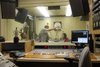
Kushoto aliyekaa ni mwalimu wetu wa historia ya Tanganyika Mohamed Said, akifanya mahojiano kwenye studio za VOICE OF AMERICA 2011 nchini Marekani.
 
Wickama,
Hizi ndizo starehe za barza.

Jamaa anakuambia yeye baharia na meli yao ilifunga gati Johannesburg!
Mswahili wa Kariakoo na mbwa wapi na wapi.

Yericko alipata kunambia kuwa wakati mwingine jamvi lazima lianuliwe
watu wasimame likung'utwe mchanga.

Hahaa nikweli, lazima ifike kipindi tukung'ute mchanga na tucheke sawasawa!
 
Back
Top Bottom