Vipi tukitumia mbinu hii kwenye mahakama zetu?

Vipi tukitumia mbinu hii kwenye mahakama zetu?

Ngiama makanda

JF-Expert Member
Joined
Jan 8, 2016
Posts
1,552
Reaction score
2,741
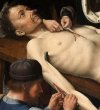
A 16th century painting showing the skinning alive of a corrupt judge, Sisamnes, in the year 500BC.
Sisamnes was a corrupt royal judge at the time of Cambyses ll in Persia.

It was discovered that he took a bribe in court and passed an unfair judgement. As a consequence the king ordered that he be arrested for his corruption and ordered that he be skinned alive. Before passing judgement the king asked Sisamnes who he wished to nominate as his successor. Sisamnes, in his greed, chose his son, Otanes.

The king agreed and appointed Otanes to replace his father. He subsequently passed judgement and ordered that Sisamnes removed skin should be used to upholster the seat on which the new judge would sit in court to remind him of the potential consequences of corruption.

Otanes, in his deliberations, was forced to always remember that he was always sitting on the skin of his executed father. This helped to ensure fairness and equity in all his hearings, deliberations and sentences.
 

Attachments

  • FB_IMG_1659381946665.jpg
    FB_IMG_1659381946665.jpg
    42.7 KB · Views: 10
A 16th century painting showing the skinning alive of a corrupt judge, Sisamnes, in the year 500BC.
Sisamnes was a corrupt royal judge at the time of Cambyses ll in Persia.

It was discovered that he took a bribe in court and passed an unfair judgement. As a consequence the king ordered that he be arrested for his corruption and ordered that he be skinned alive. Before passing judgement the king asked Sisamnes who he wished to nominate as his successor. Sisamnes, in his greed, chose his son, Otanes.

The king agreed and appointed Otanes to replace his father. He subsequently passed judgement and ordered that Sisamnes removed skin should be used to upholster the seat on which the new judge would sit in court to remind him of the potential consequences of corruption.

Otanes, in his deliberations, was forced to always remember that he was always sitting on the skin of his executed father. This helped to ensure fairness and equity in all his hearings, deliberations and sentences.
Tungeanza hii na pccb ingependeza zaidi:

Kwa rushwa ilivyotamalaki, PCCB na wengine wa hivyo wana umuhimu gani kuendelea kuwapo?
 
A 16th century painting showing the skinning alive of a corrupt judge, Sisamnes, in the year 500BC.
Sisamnes was a corrupt royal judge at the time of Cambyses ll in Persia.

It was discovered that he took a bribe in court and passed an unfair judgement. As a consequence the king ordered that he be arrested for his corruption and ordered that he be skinned alive. Before passing judgement the king asked Sisamnes who he wished to nominate as his successor. Sisamnes, in his greed, chose his son, Otanes.

The king agreed and appointed Otanes to replace his father. He subsequently passed judgement and ordered that Sisamnes removed skin should be used to upholster the seat on which the new judge would sit in court to remind him of the potential consequences of corruption.

Otanes, in his deliberations, was forced to always remember that he was always sitting on the skin of his executed father. This helped to ensure fairness and equity in all his hearings, deliberations and sentences.
watetezi wa haki za binadamu watakuzingua
 
Back
Top Bottom