With over 2 mln Nairobians live in slums, shack houses stilll makes most of the houses
Our Community
Regional Communities
Navigation
Install the app
How to install the app on iOS
Follow along with the video below to see how to install our site as a web app on your home screen.
Note: This feature may not be available in some browsers.
More options
Style variation
You are using an out of date browser. It may not display this or other websites correctly.
You should upgrade or use an alternative browser.
You should upgrade or use an alternative browser.
With over 2 mln Nairobians live in slums, shack houses stilll makes most of the houses
- Thread starter Geza Ulole
- Start date


xng hua
JF-Expert Member
- Sep 24, 2016
- 3,302
- 5,379
janja ya nyani ......nyan'gauMnakula Albino asubuhi kama nyama choma na huku mpo busy kupost kuhusu Kenya
View attachment 1698015View attachment 1698016View attachment 1698017

Tony254
JF-Expert Member
- May 11, 2017
- 16,017
- 16,431
10 Important Facts about Poverty in Tanzania
- In Tanzania, 67.9 percent of the population lives below the poverty line.
- Extreme poverty in Tanzania has declined in recent years, from 11.7 percent in 2006 to 9.7 percent in 2012.
- Poverty leads to hunger. Roughly 42 percent of children under five in Tanzania suffer from chronic malnutrition and 16 percent are underweight.
- Malnutrition affects children’s physical development. The rate of stunting in Tanzania ranks third in sub-Saharan Africa, after Ethiopia and the Democratic Republic of Congo.
- Many of the most commonly eaten foods in Tanzania, such as potatoes and cassava, are inexpensive but lack essential nutrients. Some schools in Tanzania now hold nutrition classes for students in hopes of reducing malnutrition.
- On average, women in Tanzania will have five children. Slowing fast population growth and the high fertility rate by empowering women through education support and family planning services is key to reducing poverty in Tanzania.
- Poverty is highest in rural areas, with around 80 percent of the country’s poor living in those regions.
- Poverty is also highest among female-headed households, particularly those that depend on livestock or food-crop production for their livelihood.
- Young girls and women in Tanzania often suffer from more nutritional deficiencies than men. One-third of women are deficient in iron, iodine, and vitamin A and two-fifths are anemic.
- Cash transfer programs, which have been successful in other parts of the world, have proven in recent years to be effective in Tanzania. While families do not receive large sums of money, it is enough to free them from constant subsistence farming and allows them to focus on generating additional, more stable, sources of income.
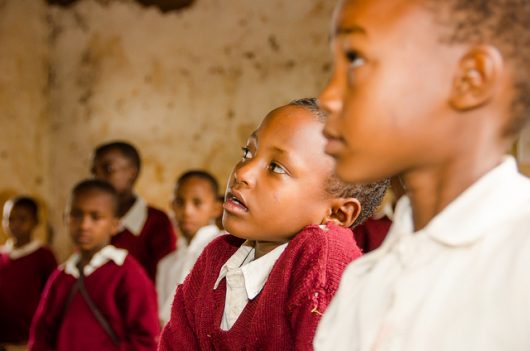
10 Alarming Facts About Poverty in Tanzania | The Borgen Project
Although Tanzania is rich in natural resources, poverty in Tanzania persists, 67.9 percent of the population lives below the poverty line. The Borgen Project tackles top global poverty data to present the 10 most important facts about poverty in Tanzania.
 borgenproject.org

MK254
JF-Expert Member
- May 11, 2013
- 32,408
- 50,809
10 Important Facts about Poverty in Tanzania
- In Tanzania, 67.9 percent of the population lives below the poverty line.
- Extreme poverty in Tanzania has declined in recent years, from 11.7 percent in 2006 to 9.7 percent in 2012.
- Poverty leads to hunger. Roughly 42 percent of children under five in Tanzania suffer from chronic malnutrition and 16 percent are underweight.
- Malnutrition affects children’s physical development. The rate of stunting in Tanzania ranks third in sub-Saharan Africa, after Ethiopia and the Democratic Republic of Congo.
- Many of the most commonly eaten foods in Tanzania, such as potatoes and cassava, are inexpensive but lack essential nutrients. Some schools in Tanzania now hold nutrition classes for students in hopes of reducing malnutrition.
- On average, women in Tanzania will have five children. Slowing fast population growth and the high fertility rate by empowering women through education support and family planning services is key to reducing poverty in Tanzania.
- Poverty is highest in rural areas, with around 80 percent of the country’s poor living in those regions.
- Poverty is also highest among female-headed households, particularly those that depend on livestock or food-crop production for their livelihood.
- Young girls and women in Tanzania often suffer from more nutritional deficiencies than men. One-third of women are deficient in iron, iodine, and vitamin A and two-fifths are anemic.
- Cash transfer programs, which have been successful in other parts of the world, have proven in recent years to be effective in Tanzania. While families do not receive large sums of money, it is enough to free them from constant subsistence farming and allows them to focus on generating additional, more stable, sources of income.
10 Alarming Facts About Poverty in Tanzania | The Borgen Project
Although Tanzania is rich in natural resources, poverty in Tanzania persists, 67.9 percent of the population lives below the poverty line. The Borgen Project tackles top global poverty data to present the 10 most important facts about poverty in Tanzania.
Kuna uzi nimeanzisha leo naona mods wameunganisha, imagine jamaa wana nyumba za tope mjini kati, yaani waza uone nyumba za tope Kenyatta avenue. Nilishangaa sana kuziona Dodoma mji wao mkuu.

Geza Ulole
JF-Expert Member
- Oct 31, 2009
- 65,136
- 91,917
- Thread starter
- #25

The best 007
JF-Expert Member
- Oct 6, 2019
- 41,015
- 93,277
Map ya Nairobi hii hapa [emoji116][emoji116][emoji3][emoji3][emoji3][emoji3]Nilijua Kibera ndio Slums kwa Nairobi kumbe wana slums kibao!! Kayole nilijua kama South C kumbe ni Ushagoo!!
Tony254
JF-Expert Member
- May 11, 2017
- 16,017
- 16,431
Hahaha. Nimeuona uzi huo. Ndio maana nashangaa wanatoa wapi ubavu wa kupost mambo ya Kenya ilhali huko kwao hali bado ni mbaya.Kuna uzi nimeanzisha leo naona mods wameunganisha, imagine jamaa wana nyumba za tope mjini kati, yaani waza uone nyumba za tope Kenyatta avenue. Nilishangaa sana kuziona Dodoma mji wao mkuu.
The best 007
JF-Expert Member
- Oct 6, 2019
- 41,015
- 93,277
Sio mm ni wazungu hao wanaokuja kuwa fanyia tourism binadamu pale Kenya [emoji3][emoji3]Kayole yenyewe ukiiona, utashangaa ni kwa nini The best 007 anaiita slum maana ina nyumba za matofali.
The best 007
JF-Expert Member
- Oct 6, 2019
- 41,015
- 93,277
Hapa ichoboy alikuwa anatafuta slums in Dar na Nairobi majibu yakaja hv [emoji116][emoji116][emoji3][emoji3]Sorry to say but the whole DAR-IS-SLUM umesahau hilo
The best 007
JF-Expert Member
- Oct 6, 2019
- 41,015
- 93,277
Tony ni ngumu sana kutofautisha kati ya slums na Nairobi, yn zipo mpk ikulu unabisha?[emoji3][emoji3][emoji3][emoji3][emoji3]Hii karne ya ishirini na moja bado kuna nyumba za matope katikati mwa Mji kuu wa Tanzania wa Dodoma. Sijui mnatoa wapi ubavu huu wa kutajataja Nairobi. Ondoeni takataka katikati mwa mji mkuu wenu kabla hamjakuja hapa kujipiga kifua
View attachment 1698010
The best 007
JF-Expert Member
- Oct 6, 2019
- 41,015
- 93,277
Ss mbeya imekuwa Dodoma? Tena hapa ni kijijini kabisa na wanaambiwa hazitakiwi kuonekana nyumba za tope[emoji3][emoji3][emoji3][emoji3]Hii karne ya ishirini na moja bado kuna nyumba za matope katikati mwa Mji kuu wa Tanzania wa Dodoma. Sijui mnatoa wapi ubavu huu wa kutajataja Nairobi. Ondoeni takataka katikati mwa mji mkuu wenu kabla hamjakuja hapa kujipiga kifua
View attachment 1698010

eliakeem
JF-Expert Member
- May 29, 2009
- 17,214
- 15,853

WENYE NYUMBA ZA TOPE MBEYA MJINI KUHAMISHWA
HALMASHAURI ya Jiji la Mbeya imeagizwà kuwahamisha watu ambao nyumba zao hazipo kwenye mpangilio wa mipango miji na kuwapatia viwanja vingine pembezoni mwa mji.
Agizo hilo lilitolewa na Katibu Tawala wa Mkoa wa Mbeya, Mariam Mtunguja wakati akizungumza na Madiwani pamoja na watendaji wa halmashauri hiyo katika mkutano wa Baraza la Madiwani.
Mtunguja alisema jiji la Mbeya bado haliendani na hadhi ya kuitwa jiji kutokana na hali ilivyo kwenye mpangilio wa makazi.
“Niaibu sana kuona mpaka leo hii eti ukipita katikati ya mji kuna nyumba za tope, kila Nyumba na langi yake, halafu jiji mnawatalaam wa mipangomiji ambao wanaweza kushauri namna bora ya kupanga makazi yetu na tukawa na jiji linalo vutia kama ilivyo majiji mengine,” alisema.
🤣 😛 🤣
unajitahidi sana kutafutiza issues. Kwa taarifa yako, kama ninavyosisitiza siku zote, hakuna slums Tanzania. Tuna unplanned settlements. Unplanned settlements kwa sababu kuna properties with huge variance of values across the area. Kuna nyumba ya thamani kuanzia US$ 6,000/- mpaka US$ 500,000/-. Nenda Makongo, Manzese, nk. utaona hiyo crosssectional value niliyokuambia.
The best 007
JF-Expert Member
- Oct 6, 2019
- 41,015
- 93,277
Mchaga unamjua wewe? Yani mchaga umuweke kwenye slums unamjua vzr?Ndio maana hao wachagga wanatorokea Kenya[emoji23][emoji23][emoji23]
Wamejazana Kibera,Kawangware na Gikomba[emoji23][emoji23]...hizo karatasi za Tz hazina maana Kenya
The best 007
JF-Expert Member
- Oct 6, 2019
- 41,015
- 93,277
Tena umempiga kunako yeye na Wakenya wotee [emoji3][emoji3][emoji3][emoji3][emoji3]Inaonekana huu uzi umekupenya kweli kweli.
eliakeem
JF-Expert Member
- May 29, 2009
- 17,214
- 15,853
10 Important Facts about Poverty in Tanzania
- In Tanzania, 67.9 percent of the population lives below the poverty line.
- Extreme poverty in Tanzania has declined in recent years, from 11.7 percent in 2006 to 9.7 percent in 2012.
- Poverty leads to hunger. Roughly 42 percent of children under five in Tanzania suffer from chronic malnutrition and 16 percent are underweight.
- Malnutrition affects children’s physical development. The rate of stunting in Tanzania ranks third in sub-Saharan Africa, after Ethiopia and the Democratic Republic of Congo.
- Many of the most commonly eaten foods in Tanzania, such as potatoes and cassava, are inexpensive but lack essential nutrients. Some schools in Tanzania now hold nutrition classes for students in hopes of reducing malnutrition.
- On average, women in Tanzania will have five children. Slowing fast population growth and the high fertility rate by empowering women through education support and family planning services is key to reducing poverty in Tanzania.
- Poverty is highest in rural areas, with around 80 percent of the country’s poor living in those regions.
- Poverty is also highest among female-headed households, particularly those that depend on livestock or food-crop production for their livelihood.
- Young girls and women in Tanzania often suffer from more nutritional deficiencies than men. One-third of women are deficient in iron, iodine, and vitamin A and two-fifths are anemic.
- Cash transfer programs, which have been successful in other parts of the world, have proven in recent years to be effective in Tanzania. While families do not receive large sums of money, it is enough to free them from constant subsistence farming and allows them to focus on generating additional, more stable, sources of income.
10 Alarming Facts About Poverty in Tanzania | The Borgen Project
Although Tanzania is rich in natural resources, poverty in Tanzania persists, 67.9 percent of the population lives below the poverty line. The Borgen Project tackles top global poverty data to present the 10 most important facts about poverty in Tanzania.
The topic at hand is "slum in Nairobi". If you feel to discuss about the issue you posed, just open the new thread. tutakuja kuchangia.
Tony254
JF-Expert Member
- May 11, 2017
- 16,017
- 16,431
Sio zote ulizoweka hapo ni slum wewe. Unajua hata hio Soweto wazungu wanaiita slum ila ina nyumba nyingi za matofali? Akili kichwani.Sio mm ni wazungu hao wanaokuja kuwa fanyia tourism binadamu pale Kenya [emoji3][emoji3]
Unajua hata Brazil wana slums zinazoitwa favelas ila ni nyumba zilizojengwa na matofali na zina barabara ya lami ila wazungu bado wanaziita slums? Favela ukiileta hapa Africa mashariki basi zinawacha kuwa slums zinakuwa makaazi ya watu wa kipato cha kati.
Tazama picha za favelas uone jinsi zinafanana
Linganisha hizi favelas za Brazil ambazo zimejengwa kwa matofali na zimepangika vizuri na hii takataka hapa chini ya Dar es Salaam
Unaona hii picha ya Dar es salaam ni maeneo ya kipato cha kati na kunakaa kuchafu kushinda favela slum ya Brazil.
Middle class yenu ni mbaya kushinda slum ya Brazil. Point yangu ni kuwa definition ya slum huwa inabadilika kulingana na kipato cha nchi husika.

Magix Enga
JF-Expert Member
- May 24, 2020
- 610
- 449
DAR-IS-SLUMHapa ichoboy alikuwa anatafuta slums in Dar na Nairobi majibu yakaja hv [emoji116][emoji116][emoji3][emoji3]View attachment 1698070View attachment 1698071
Tony254
JF-Expert Member
- May 11, 2017
- 16,017
- 16,431
Kwa hivyo nyumba ya matope mjini Tanzania sio slum tena? Imekuwa unplanned settlement kwa sababu iko Tanzania ila nyumba za matope Kenya mnaziita slum sio?🤣 😛 🤣
unajitahidi sana kutafutiza issues. Kwa taarifa yako, kama ninavyosisitiza siku zote, hakuna slums Tanzania. Tuna unplanned settlements. Unplanned settlements kwa sababu kuna properties with huge variance of values across the area. Kuna nyumba ya thamani kuanzia US$ 6,000/- mpaka US$ 500,000/-. Nenda Makongo, Manzese, nk. utaona hiyo crosssectional value niliyokuambia.
Tony254
JF-Expert Member
- May 11, 2017
- 16,017
- 16,431
Itakuwa wewe ni Mchaga maana umecatch mafeelings.Mchaga unamjua wewe? Yani mchaga umuweke kwenye slums unamjua vzr?
Cc KDF-BabaYao
The best 007
JF-Expert Member
- Oct 6, 2019
- 41,015
- 93,277
Thibitisha kwmb hyo picha ya pili ni Dar, alafu unasema kwmb hyo picha ya juu co slums hizo kwahiyo huoni kama hzo ni slums? Alafu mzungu kwahiyo anaipendelea Tz au sio?[emoji3][emoji3][emoji3][emoji3]Sio zote ulizoweka hapo ni slum wewe. Unajua hata hio Soweto wazungu wanaiita slum ila ina nyumba nyingi za matofali? Akili kichwani.
Unajua hata Brazil wana slums zinazoitwa favelas ila ni nyumba zilizojengwa na matofali na zina barabara ya lami ila wazungu bado wanaziita slums? Favela ukiileta hapa Africa mashariki basi zinawacha kuwa slums zinakuwa makaazi ya watu wa kipato cha kati.
Tazama picha za favelas uone jinsi zinafanana
View attachment 1698107
Linganisha hizi favelas za Brazil ambazo zimejengwa kwa matofali na zimepangika vizuri na hii takataka hapa chini ya Dar es Salaam
View attachment 1698114
Unaona hii picha ya Dar es salaam ni maeneo ya kipato cha kati na kunakaa kuchafu kushinda favela slum ya Brazil.
Middle class yenu ni mbaya kushinda slum ya Brazil. Point yangu ni kuwa definition ya slum huwa inabadilika kulingana na kipato cha nchi husika.