Yoweri Museveni awapa makavu wadau wa maendeleo katika mkutano wa IDA mjini Nairobi

Yoweri Museveni awapa makavu wadau wa maendeleo katika mkutano wa IDA mjini Nairobi

5 April 2024

MH. JUMANNE KISHIMBA (MBUNGE NA MFANYABIASHARA MKUBWA) KATIKA MAONGEZI : UCHUMI NI MATUMIZI PART 2


View: https://m.youtube.com/watch?v=oiiHH-pgamE
Mfuatilie Mheshimiwa Mbunge Jumanne Kishimba akieleza umuhimu wa matumizi ambayo yanaweza kuufanya Uchumi uwepo, usimame au usiwepo na ufe.

Shida ya vijana kukosa ajira nini tufanye kama nchi ? Ni vyuo vikuu kukosa kuunganisha masomo na mahitaji ya mazingira nje ya chuo hivyo ni muhimu vyuo na wizara ya uwekezaji kufanya kazi hiyo.

Miaka inakwenda wanafunzi waanzie wapi? Sisi tuna mitaji ya mamilioni tunapeleka mamia ya ngombe zetu tunalala ktk vitanda vya double decker lakini mwanafunzi wa chuo kikuu hajui kubana matumizi kutokana na ubongo wake kuchakachuliwa na ustaarabu kuwa hawapaswi tena kulala ktk kitanda cha double decker.

Waliomaliza elimu ya vyuo vikuu wanapoanza maisha kutokana na mshahara hivyo hawataweze ku 'save' wawekeze ktk biashara inayoleta mapato endelevu badala ya kukabiliana kununua usingizi kwa mikopo ya nyumba au mkopo wa gari ili aishi ilivyopandikizwa chuoni kuwa wao ni watu special..

Wanafunzi wanaomaliza vyuo vikuu hawarudi nyumbani au vijijini hivyo miji ya wazee wao ambayo ni mitaji kama mashamba na mifugo inakufa hivyo familia zinakosa muendelezo wa maendeleo ya kiuchumi yaliyoanzishwa miaka mingi.. mfano jamii yetu ya kihindi hawakati mnyororo ulioanzishwa na wazazi wao tofauti nasi wamatumbi ambao tunaukata mnyororo wa utajiri walioanzisha mababu zetu ktk mashamba, mifugo, uvuvi n.k

Kombinashe nyingi ikiwemo masomo ya dini, kichina na mitaala mipya isiyo endana na mazingira yetu n.k mbunge Jumanne Kishimba anasema imesahaulika dini kubwa za kienyeji ambazo zina watu wengi kuliko ukristo au uislamu.

Kwanini imani hii ya kienyeji yenye mambo mazuri zimepuuzwa ktk ngazi za shule za sekondari na elimu ya juu na kubwa mila za wenyeji ambazo zinasisitiza utaratibu wa maisha kama tabia njema, kutoa ahadi za kuaminika, kutekeleza ahadi, kujaliana n.k

Tunakopi sana mambo ya wageni na kusababisha gharama kubwa za ustaarabu wa kigeni na kupelekea maisha kuwa magumu, pesa kutohifadhika kwa kuwa hatuna mipango ya matumizi na kukua uchumi kwa kiasi kikubwa ni kudhibiti matumizi ...

Hakuna ukomo wa uwekezaji hivyo kila mmoja asiwekeze ktk usingizi yaani nyumba ya anasa ya gharama kubwa au gari bali katika mtaji wa biashara ya kuingiza mapato anasisitiza mbunge Jumanne Kishimba ... na hii elimu ya vyuoni na shuleni ni elimu ya zamani sana na haiendi na kasi ya mabadiliko ya ulimwengu tulionao...

Rasilimali, teknolojia na wingi wa watu ...

Source : sociology tanzania
 
5 April 2024

MH. JUMANNE KISHIMBA (MBUNGE NA MFANYABIASHARA MKUBWA) KATIKA MAONGEZI : UCHUMI NI MATUMIZI PART 2


View: https://m.youtube.com/watch?v=oiiHH-pgamE
Mfuatilie Mheshimiwa Mbunge Jumanne Kishimba akieleza umuhimu wa matumizi ambayo yanaweza kuufanya Uchumi uwepo, usimame au usiwepo na ufe.

Rasilimali, teknolojia na wingi wa watu ...

Source : sociology tanzania

Bagamoyo, hututendei haki,
Nafahamu una uwezo mkubwa sana wa kutupasha ambacho Musukuma na Kishimba wameongea , kwa njia ya maandishi kama ulivyotuwekea kwa Museveni,

Sasa kutuwekea Video na uwezo wetu mdogo wa bando, naona sio sahihi.

Naomba ufikilie hilo sana.
 
MABADILIKO MAKUBWA NA JAMII
Mabadiliko katika Jamii na vichocheo kwanini mbadiliko yanatokea na jinsi ya kujitayarisha kukabiliana nayo. Na hivyo mwana sociolojia ndiyo kazi yake kutafsiri hayo na kuisaidia jamii iweze kujinasua.

Kutoka ujima hadi uchumi wa kilimo na kisha mapinduzi ya kiviwanda, na kutoka vijijini kukimbilia mijini ..... na suala la bidhaa bandia aliloliona Karl Polanyi kuwa ardhi, kazi na fedha siyo vitu halisi bali ni mazingaombwe hivyo utajiri halisi ni ..... na ukitazama listi ya watu tajiri zaidi duniani kuanzia namba 1 hadi 3 kwa mfano mdogo rahisi hutaona ardhi, ajira ya cheo kikubwa au pesa ndiyo imewafanya kuwa matajiri bali information / habari-mawasiliano Microsoft n.k

Sasa basi kadri nchi za kiAfrika zinavyokurupuka bila kutafakari kutoka hatua ya ujima kukimbilia usasa ndivyo tunajichongea kujiweka ktk hatua hatarishi anasema Ulrich Beck mwana sociolijia mjerumani, hivyo inatupasa kufikiri zaidi ktk maamuzi ..... mfano ukosevu wa mkubwa wa ajira Afrika ni kutokana na nchi zetu kukurupuka katika zama hizi za mabadiliko makubwa tusiyoyajua vizuri ....mchambuzi na mtafiti wa masuala mbalimbali ya kijamii mwana sociolojia Bw. Bituro Paschal Kazeri anatufafanulia tulipo.

4 January 2024

THE GREAT TRANSFORMATIONS AND SOCIOLOGY

View: https://m.youtube.com/watch?v=umKH8iypKeo
Sociology rose out of the effects of the GREAT transformations which took place in the 18th and 19th centuries. Early and subsequent sociologists attempted to to understand and explain social phenomena which emerged due to the transformations. The transformation nature of the society is ongoing meaning sociologists should match with it ..

Source : Sociology Tanzania
 
Hayo yapo wazi ila je, wazawa wenyewe ni wagunduzi? Kma wasomi ni kutoa maoni mbona wao hawana hizo startups?

Haya madude yuto ni trash hayana msingi , hao wasomi wameajiriwa nje kuongea tu na kjipa vyeo ambavyo havina maana.. Maprofessors wote hawana mitazamo ya ubunifu kazi kukalia vyeo tu.
 
Hayo yapo wazi ila je, wazawa wenyewe ni wagunduzi?

Tatizo tumekuwa taifa la kupenda njia za mkato nchi imejaa wachuuzi, machinga, maafisa usafiri hatuzalishi chochote nchini kuongeza thamani tunaagiza bajaj, pikipiki, mafuta ya kula, nguo n.k huku hakuna viwanda vya kuongeza thamani kwa bidhaa tunazozalisha nchini tunawapelekea nje bidhaa ghafi mfano pamba kisha tunatumia dola fedha za kigeni kununua mitumba ya marehemu toka ulaya na Canada...
 
BENKI KUU YA TANZANIA, TUNA AKIBA KUBWA YA KUTOSHA KUAGIZA BIDHAA NA HUDUMA TOKA NJE

Aug 22, 2023
Jumanne, Agosti 22, 2023

Benki kuu ya Tanzania BoT imesema akiba ya fedha za Kigeni hadi jana ilikuwa Dola za Marekani bilioni 5.41 ambacho kinatosha kuagiza bidhaa za nje kwa miezi minne na siku 27.

Dar es Salaam. Benki Kuu ya Tanzania (BoT), imesema akiba ya fedha za Kigeni hadi jana ilikuwa Dola za Marekani bilioni 5.41; kiasi ambacho kinatosha kuagiza bidhaa za nje kwa miezi minne na siku 27.

Akizungumza na waandishi wa habari leo Agosti 22, 2023; Mkurugenzi Utafiti na Sera wa benki hiyo, Suleiman Misango, amesema upungufu uliopo sasa wa fedha za kigeni ni himilivu kwakuwa akiba ipo ya kutosha.

Tangu vita vya Ukraine (Machi 2022 hadi Agosti 21, 2023), BoT imeuza Dola 5.18.5 milioni katika soko la fedha na kuanzia Julai Mosi hadi jana BoT ilikuwa imeuza zaidi ya Dola milioni 100 ikiwa ni ongezeko kubwa kuliko zaidi ya Dola milioni 62 zilizouzwa Julai hadi Septemba 2022.

Juni 8, 2023; Gavana wa BoT, Emmanuel Tutuba alinukuliwa akisema hatua zilizochukuliwa na zinazoendelea kuchukuliwa zinaifanya Tanzania kuwa salama dhidi ya changamoto ya upungufu wa sarafu za kigeni ulioathiri nchi nyingi.

Miongoni mwa mataifa yaliyoathirika na upungufu wa dola ni Ghana, Misri, Zimbabwe, Nigeria na Kenya, ambayo baadhi yanafikiria kuweka kando matumizi ya dola katika biashara zake.

Hivi karibuni wakati wa mdahalo wa wadau wa sekta binafsi barani Afrika uliofanyika jijini Nairobi, Rais wa Kenya, William Ruto alitoa wito kwa mataifa ya Afrika kuwa na mfumo wao wa malipo na kuweka kando matumizi ya dola.

Akizungumza na Mwananchi Digital, Tutuba alisema licha ya akiba ya fedha za kigeni kupungua nchini, hakuna changamoto hadi sasa.

Alisema Tanzania kila siku inauza hadi wastani wa dola milioni mbili, kiwango ambacho hakifikiwi na nchi yoyote katika ukanda wa Afrika Mashariki na Kati.

Hadi Mei, mwaka huu, Tanzania ilikuwa na akiba ya fedha za kigeni ya Dola bilioni 4.88 zinazotosha kuagiza bidhaa na huduma kwa miezi minne na nusu, ikilinganishwa na kipindi kama hicho mwaka uliopita
 
Julius Nyerere katika hotuba yake kuhusu kanisa na Theolojia ya Ukombozi katika Amerika ya Kusini akiwa nchini Managua, Nicaragua. Hotuba yake hii ya mwaka 1988 inaigusa Tanzania ya 2023 kuhusu masuala yanayoendelea ya maeneo ya ardhi ambayo viongozi watawala wachache wameamua kwa siri kupewa milele kwa wageni.


JULIUS NYERERE Former President of Tanzania Speech in Nicaragua in 1988


Liberation Theology in Latin America
By Olivia Singer
During the mid-20th century, disenchanted members of the clergy and the oppressed classes of Latin America united together to reinterpret the role of the Catholic Church in everyday society and to reclaim religion towards the pursuit of social justice. Liberation theology encouraged a break from an elitist notion of the Church and the return of control to the people. By involving the poor in their own liberation and offering Christianity as a tool towards a more perfect society, liberation theologians dramatically changed the relationship between not only the Church and the state, but also the Church and the people. Guided by the innovative Peruvian priest, Gustavo Gutiérrez, this movement reinvigorated marginalized people in Peru and throughout Latin America, while still utilizing a formal theological approach. Though ultimately opposed by the Vatican because of its radical leanings, liberation theology both permanently implicated the Church in the destiny of the oppressed and allowed for the participation of the poor in the future of the Catholic Church.
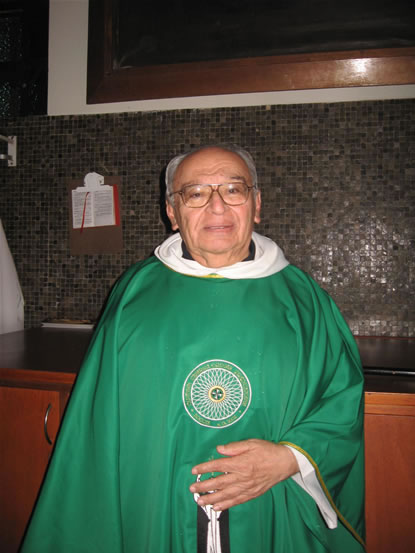
Photograph of Gustavo Gutiérrez Merino, courtesy of user Mohan
Rise of Liberation Theology
Throughout the 19th century, the Church aligned itself with the upper classes and only minimally addressed the grievances of the poor. The great Latin American independence movements, which had promised liberation and new hope through separation from the Iberian empire, only benefitted an elite sector of society, the light-skinned creoles (Tombs 27). Essentially, the creole class assumed the gaps in governance left behind by the peninsulares and did little to alleviate the struggles of the lower classes. These nationalistic uprisings maintained a Catholic church that tended to identify itself with the rich (Brown 9-10). Since religion had played a major role in the conquering of Latin America, the Church naturally aligned itself with the ruling elite (Tombs 15). Rather than a reflection of the people, the Catholic Church acted as a privileged model of success and power.
By the early 20th century, despite a consistent reinforcement of the status quo social structure, the Church began to exhibit evidence of slight moves towards a social tradition. The Church transitioned from simple encouragement of individual charity to an acknowledgement of distributive and social justice. Inspired by Leo XIII’s 1891 Rerum Novarum (Of New Matters), the notion of “an option for the poor” or special consideration for lower classes began to become more prominent (Tombs 44). Throughout this time period, Latin American states experienced growing urbanization and industrialization as efforts increased to create a more independent economic system through nationalizing programs like import substitution (Skidmore, Smith and Green 358). Such rapid economic changes led to increasing pressure for similar political and social reforms (Tombs 49-50). Rapid change forced the Church to either fall behind or reevaluate its practices if it wished to maintain its position of influence. One of the most important manifestations of a changing religious ideology was the advent of the Catholic Action movement. In Peru, this movement was led by Holguin of Arequipaand Farfán of Cusco, who established some separation between the Church and the state and introduced a more militant Catholicism (Peña 1994, 39). This initial organization helped to link social activists and leftists who would later work to create liberation theology (Peña 1995, 2). The Catholic Action movement helped to alter the role of religion in society, linking the Church to political action. These changes underlay a growing desire to break the allegiance between the Church and the rich. Slowly, the Church began to recognize the possibility of a crucial role in the world of the oppressed (Brown 9-10).
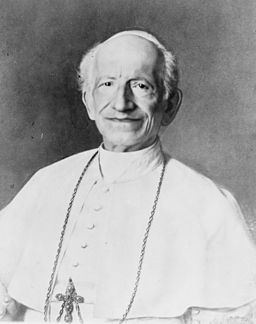
Pope Leo XII, author of Rerum Novarum, courtesy of the U.S. Library of Congress
Among these participants in the Catholic Action movement was Gustavo Gutiérrez, the most famous figure in the founding and promulgation of liberation theology (Peña 1994, 39). Gutiérrez was a Peruvian theologian and priest, ordained in 1959. Part Quechua Indian, Gutiérrez did not represent a part of Lima’s aristocracy, but rather rose from the oppressed class. As a result of his intellectual prowess and success as a student at San Marcos University, Gutiérrez was offered the opportunity to pursue graduate studies in Louvain, Belgium and Lyon, France, where he was exposed to the canon of traditional European theology (Brown 22). This experience abroad provided Gutiérrez with valuable intellectual skills and an understanding of traditional theology. Later on, such formal knowledge of the Catholic structure and teachings, when coupled with the views of the popular constituency, allowed for effective organizing and dramatic change (Peña 1994, 38). Upon his return from Europe, Gutiérrez began to realize how little the theories that he had learned abroad applied to the current situation of poverty and oppression in Latin America (Peña 1995, 5). The texts that he had studied covered in depth the path to salvation, but focused little on the physical situation of the poor. Gutiérrez felt that the Church had a duty to recognize these structural inadequacies and help the impoverished of Latin America. Hoping to address some of this social injustice, Gutiérrez became a lay militant of the Catholic Action movement as archdiocesan adviser and later national adviser to the UNEC (The National Union of Catholic Students) (Klaiber 238). Work for this movement allowed Gutiérrez to gain essential connections and networking opportunities that would later assist in the dissemination of liberation theology.
Moved by the Cuban Revolution of 1959 and increasing pressure for similar change, progressive clergy members began meeting to discuss the future of the Church and its role in the politics of society. CELAM or the Latin American Episcopal Conference worked to push the Second Ecumenical Council of the Vatican or Vatican II, a series of meetings from 1962 through 1965 that focused on Church unity and renewal, toward a more progressive stance. Vatican II represented an international conference where high-level Catholic religious figures rethought Church policy and discussed processes of modernization (Vatican II Online Documents). In 1968, CELAM organized a meeting in Medellin, Colombia, with the hope of supporting base ecclesiastic communities and continued reformation of the Church (Sigmund 23). It was at this conference that Gustavo Gutiérrez first presented the term “liberation theology” in a paper called “Toward a Theology of Liberation” in which he articulated a commitment to actions and expressed the importance of theology as critical evaluation, stating that “theology is reflection” (Tombs 105). The concepts referenced during this talk in 1968 were more clearly laid out in his 1971 magnum opus, “A Theology of Liberation.” In an atmosphere of increasing clerical reform, liberation theology emerged as a new way of “being human and Christian” (Gutiérrez in Gibellini, 2). A highly networked group of religious figures began a movement to align Christianity with the needs of the poor.
Major Components of Liberation Theology
Liberation theology looks to understand Christianity and religion through the salvific process of liberation. Such a theology does “not stop with reflecting on the world, but rather tries to be a part of the process through which the world is transformed” (Gutiérrez 1973, 12). People are encouraged to become active agents of their own destiny and in effect to liberate themselves from the confines of injustice. This theology extends beyond development to three distinct levels of real freedom or liberation, representing the aspirations of oppressed peoples, a means to look at history and a new approach to Biblical interpretation (Gutiérrez 1973). At the first level, the poor were to liberate themselves from economic exploitation. Overcoming poverty became a fundamental tenant of liberation theology. At the second level, the hope was liberation from fatalism, the recognition of free will. Lastly, at the theological level, liberation from sin would result in ultimate liberation and communion with God (Tombs 123-125). Espousing these three tenants helped to recognize the varying ways in which Catholic teachings could be applied, creating a space for liberation in both a worldly economic and highly spiritual sense.
By creating a process to overcome historical constraints, liberation theology presented the possibility of liberation at the political, existential and theological levels (Tombs 125). Rather than focusing solely on the potential of the afterlife, liberation theologians encouraged the pursuit of a satisfactory life on Earth. Proposing a “preferential option for the poor,” the Church was encouraged to extend its work to directly address the struggles of the impoverished and to work specifically to ameliorate “physical and spiritual oppression” (Sigmund 21-22). Rather than small ineffective reforms, liberation theology supported work towards systemic change and even the possibility of revolution as a means of freeing the poor from oppression (Hillar). While violence was not encouraged, it was justified as a possible last resort or necessity of the revolution (Lynch 1991). For the first time, formal religious theology used Biblical interpretation to promote the political and social influence of the Church in the empowerment of the poor.
Traditional Opposition to the Movement

Pope Benedict XVI during a trip to Brazil in 2007, courtesy of Agência Brasil
As followers of liberation theology grew in numbers, the Vatican felt increasingly threatened by the movement’s connections to radical movements and leftist tendencies. The Congregation for the Doctrine of the Faith, a part of the Vatican’s office, issued a number of critical instructions that questioned the movement’s Biblical usage and its emphasis on Marxist notions of class struggle. Then Prefect Joseph Cardinal Ratzinger (now Pope Benedict XVI) writes that the purpose of the instruction is to alert religious figures and the faithful of “the deviations, and risks of deviation, damaging to the faith…brought about by certain forms of liberation theology which use, in an insufficiently critical manner, concepts borrowed from various currents of Marxist thought” (CDF Vatican Website). The Vatican felt that the connection between the movement and Marxism where incompatible with Catholic teachings. Marx encourages class struggle and social disruption that conflicted with the traditional order and stability of the Church (Peña 1995). The Vatican feared that these forms of social unrest and questioning would weaken the power and influence of the Church.
However, the connections between Marxism and liberation theology are not as clear-cut as critics have tried to argue. Though liberation theology recognizes the power of man as a master of his own fate and proposes revolutionary praxis in a manner similar to Marxism, liberation theology lacks many fundamental aspects of Marxism. Liberation theology attempts to draw on certain aspects of Marxist theory, while denying others, which directly conflicts with Marx’s requirement that his work be taken as a whole. The theology makes no claims against the incompatibility between religion and empiricism and maintains Christian doctrine, which Marx vehemently opposed. When more carefully compared to each other, the sole clear connection between Marxism and liberation theology is a focus on empowering the poor and class struggle (Lynch 20, 26). Despite the fairly scant theoretical connections between the two, words like revolution and socialism linked and continued to link liberation theology with the highly controversial and often feared doctrine of Marx, preventing more widespread acceptance and formal approval of the Vatican. Opposing the notion of class struggle, supporters of traditional theology felt that the movement’s promotion of a “people’s church” could undermine Catholic institutions by departing from classic doctrine and weakening the authority of Catholic teachings (Peña 1995).
To some extent, the fears of the Vatican were indeed enacted by the liberation theology movement through the creation of Christian Base Communities (CEBs) and Theological Reflection workshops. Christian Base Communities were small Christian groups led by lay figures in individual towns or small areas that embodied the teachings of liberation theology. They encouraged popular participation and worked to try to avoid pastoral problems by creating an emphasis on community work and support. CEBs taught peasants basic skills like reading and writing along with religious teachings in an effort to empower and liberate them (Hillar). From these groups, the poor were able to organize and create a sense of unity that allowed for social questioning. Later into the movement, the base communities not only acted as a means to disseminate liberation theology, but also as a means of inspiration for the liberation theology movement. CEBs allowed the poor to direct the movement and to emphasize the struggle of the oppressed (Tombs 199).
Similar to the CEBs, Gustavo Gutiérrez organized the Jornadas de Reflexión (Theological Reflection Workshops). These workshops, held throughout the summer, allowed for discussion of liberation theology and created a space for dialogue between activists, theologians and all those who had an interest in learning about the theology. Initially started in 1971 with two hundred participants, the workshops grew over the 1970s and 80s to reach 2.496 participants by 1987 (Peña 1994, 42). The workshops created a space for popular exchange and allowed for deeper explanation of the concepts of the movement. The sense of power and autonomy that the CEBs and the Theological Reflection Workshops created within the lower classes was exactly what the Vatican had feared. The ability of the poor to work to redefine their own fate and their own relationship with the Church exemplified the kind of loss of traditional authority of which Ratzinger spoke. However, rather than the feared deviation from the Christian faith, this empowerment of the poor and inclusion of a popular sentiment created a more tangible way for the oppressed to access and interact with their Christianity. Though the opposition greatly feared this empowerment, liberation theology ands its programs undeniably educated and enhanced the lives of lower classes by providing the outlets and tools to more actively address their own situations.
Ultimate Decline and Lasting Impact of Liberation Theology
By the late 1980s and early 1990s, the movement had begun to lose its push as new economic and social concerns arose that liberation theology could not directly address. Even the once “new-age” theories of liberation began to seem outdated as notions of revolution and the hopes of the impoverished altered with the falling of the Berlin Wall and the continued rise of neoliberalism (Tombs 272). The Vatican’s continued pressure against the movement began to take its toll. By arguing that liberation theology could lead to disunity and excessive focus on material success, opposition was able to successfully undercut the more noble goals of this movement (Lynch 1994, 3). Evidence that the movement was clearly in retreat could be seen by the frequent changes that it began to undergo, leaving little certainty as to its true direction. A new focus on spirituality added an “other-worldly” dimension that liberation theologians had long sought to avoid. By arguing that this movement secularized the Christian faith and effectively rid Catholicism of its connection to the afterlife, John Paul II and other prominent religious leaders were able to quell the movement and alarm people enough to associate liberation theology with a loss of faith (Lynch 1994, 10). By the 1980s, the Catholic right proposed reconciliation theology in direct opposition to liberation theology. Supported by the Vatican, reconciliation theology suggested that by reconciling oneself to God and to others, conflict could be avoided and class struggle skirted (Peña 1995, 23). Essentially, the Vatican and more traditional sects of Catholicism proposed a watered-down version of the theology that avoided the physical and social disruption that liberation entailed.
Despite its ultimate fall in popularity, liberation theology changed the role of the Church in Peru and all of Latin America forever. By giving a voice and sense of empowerment to the impoverished, liberation theology held the Church accountable for the welfare of the lower class, recognizing the essential role of social justice in Christian teachings. This movement rethought the power structures of Latin American society and showed that religion could promote highly politicized campaigns. Although the prospect of radical change alarmed the Vatican, the potential for an uprising finally incorporated the voices of the poor in religious discourse. Religious figures like Gustavo Gutiérrez helped to use formal clerical training to integrate the liberation of the working class into Biblical interpretation. Followers of the movement demanded that the Church move beyond simple charity work towards a more active role in the promotion of social justice. Liberation theology brought the focus of the Church away from solely eternal salvation to the more pressing necessity of earthly liberation of the poor from oppression and suffering. Source : Liberation Theology in Latin America | Modern Latin America
 
29 April 2024
Nairobi, Kenya

Mkutano huo ulioanza tarehe 29 April 2024 na kuhutubiwa na viongozi wa kiafrika wakiwemo rais Samia Suluhu Hassan wa Tanzania, rais Yoweri Kaguta Museveni wa Uganda , William S. Ruto wa Kenya. Mkutano huo ulihudhuriwa na wakuu wa nchi 17 na pia maafisa wandamizi wa World Bank kama rais wa benki ya Dunia Mr. Banga.


View: https://m.youtube.com/watch?v=585IMBb14Kg

Rais Yoweri Kaguta Museveni wa Uganda asema Afrika haihitaji misaada bali kuweza kupunguza gharama za uzalishaji katika viwanda, kilimo, uvuvi na ufugaji ili iweze kuuza bidhaa kimataifa badala ya misaada na mikopo ya World Bank ambayo haiwezi kuwezesha kuuza kimataifa tofauti na sasa kuitana ktk mikutano inayodaiwa kuwezesha maafisa wa serikali za kiAfrika ... hicho ni kichekesho Afrika inahitaji kuwa na reli na nishati kama umeme na siyo misaada na mikopo isiyotaka kuelekezwa ktk reli, nishati ya umeme, kilimo cha Umwagiliaji na uzalishaji mkubwa lakini Benki ya Dunia WB, Taasisi zake kama IDA hawataki kutoa mikopo nafuu itakayoelekezwa katika maendeleo endelevu ya kweli ktk reli, nishati ya umeme, kilimo cha kisasa na uzalishaji mkubwa wa viwanda badala ya kiinimacho cha sasa rais Yoweri Museveni akiwapa makavu wanaoitwa wadau wa maendeleo mabenki ya kimataifa na nchi za mabeberu..

Rais Yoweri Museveni akiongea kwa uchungu zao la kahawa nchi za Afrika tunaibiwa sana, wanaofaidika wapo Germany na nchi zingine za Ulaya, Asia na Mashariki ya kati huku wakulima wetu wakipakia masikini.

Rais Museveni anasema ni hivyo hivyo kwa mazao ya pamba, chai, kakao ajira zote za kusindika kuongeza thamani zinafanyika ktk nchi zinazodai ni wadau wa maendeleo wa Afrika lakini mazao hayo ya pamba n.k hayazalishi ajira za viwandani kwa vijana wetu wa Afrika ...

Rais Museveni anasema katika hotuba yake bila kupepesa macho kuwa jinsi wadau wa maendeleo wanavyoshirikiana na nchi zetu za kiafrika, ni uhusiano wa ukoloni mamboleo wa utumwa wa karne hii na haukubaliki.

Kuhusu madini Rais Yoweri Museveni anasema wadau hawa wa maendeleo hawataki kuchimba madini ya chuma, dhahabu n.k na hawataki kufua na kuyeyesha ktk viwanda vyetu wanachukua malighafi makinikia kupeleka kwao kuongeza thamani, kuongeza ajira za watoto wao China, Ulaya, Asia na Marekani ya Kaskazini

Rais Museveni anahitimisha kuwa uhusiano huu wa nyonya damu lazima ukomeshwe haiwezekani Uganda, Tanzania, Kenya, Burkina Faso, Nigeria zikubaliwa kuendelea na mfumo huu wa kinyonyaji wa wadau wa maendeleo...

HAKUNA UJAUZITO ENDELEVU
Rais Museveni akitoa msemo wa wahenga wa Baganda kuwa hakuna ujauzito endelevu maana kiumbe kinakaa tumboni miezi 9 kikitegemea msaada wa mama kinasha kinajitutumua kinatoka na kuanza kulelewa hadi miaka 18 kisha kinajitegemeea. Lakini wadau wa maendeleo wa Afrika hawataki nchi za bara la afrika kujitegemea, wafadhili hawa hawataki kabisa kuona nchi za kiafrika zikiongezeka umri na kukua zikajitegemea anapigia mstari maneno hayo Rais Museveni. Ifike muda sasa nchi za kiafrika zikatae misaada na ufadhili endelevu sawia na jinsi kitoto cha miezi tisa kinajitutumua kuja duniani, kikatambaa na kukua kikajitegemea kama kijana...

Gavana wa Benki Kuu wa Uganda anasema Mzee tuna akiba ya miezi 4 mbele anajigamba eti ni indicator (kiashiria) ya uchumi mzuri kwa mtazamo wa vikaragosi vya ubeberu (neocolonial government officers) na IDA / World Bank ! Akiba inazoweza kutumika kuagiza bidhaa na huduma kwa fedha za kigeni, badala ya kunipa mikakati ya kuongeza mauzo ya bidhaa zetu nje anasikitika rais Yoweri Kaguta Museveni ...


For decades, IDA has served as a powerful engine for economic growth across Africa. It empowers progress through grants and highly concessional loans, fueling strategic investments in building a skilled and healthy workforce, and nurturing job-generating industries like agriculture. Recent efforts to streamline access have further enhanced its effectiveness.

Currently, IDA supports 75 nations, 39 of them in Africa. Over 70 percent of its resources are directed toward the continent, playing a vital role in achieving the World Bank Group's goal of bringing electricity to 250 million Africans by 2030.

The call for replenishment comes amid a multitude of interconnected hardships: pandemics, climate change, food insecurity, fragility, and conflict. Yet, Africa is also brimming with potential: vast natural resources, abundant sunshine, and the world's fastest-growing youth population.

Amplifying united support for Africa's bold vision and leveraging the strength of the newly formed coalition can help ensure an undeniably bright future for the continent.

Leaders representing a coalition of global youth, the private sector, and civil society stressed the need for a robust IDA21 replenishment and committed to work in partnership.

Raisi wetu na February na Yule Waziri wetu wa 1st grade digiri ya uchumi walipata Shule ya kutokukimbilia kutoa kazi zetu Kwa watu wa nje ??? Na Zana Za Kilimo Yule jamaaa wa Kigoma mwenye kurandana nao.

Kwa maana nyingine M7 Sera zake zimepita kulekule alikopita Yule kiongozi aliyeongoza Tz Kwa Awamu 1
 
Raisi wetu na February na Yule Waziri wetu wa 1st grade digiri ya uchumi walipata Shule ya kutokukimbilia kutoa kazi zetu Kwa watu wa nje ??? Na Zana Za Kilimo Yule jamaaa wa Kigoma mwenye kurandana nao.

Kwa maana nyingine M7 Sera zake zimepita kulekule alikopita Yule kiongozi aliyeongoza Tz Kwa Awamu 1

Nimeona nyuso za tahayari na uwoga kutoka kwa February na waziri 1st Class ya Uchumi waliposikia mtiririko wa nondo za M7 kuhusu kuwakumbatia wadau wa maendeleo wasiotaka kuona nchi ikiendelea kwa sera zisizo za mashiko maendeleo kuweza kupatika na kujitegemea.
 
By Engineer Noel K. Ngowi : HOW THE QUEST FOR INDUSTRIALISATION CAN BE ACHIEVED IN AFRICA

2019 4 January
TECHNOLOGIES ARE THE ARTS - Is a book written for the purpose of changing the Mindset of African intellectuals to be practical oriented rather than to major in narrations OUR MOTTO IS : SCIENCE IS ABOUT KNOWING BUT TECHNOLOGIES ARE ABOUT DOING.


View: https://m.youtube.com/watch?v=NfuM3gq0zjs
 

Friday, May 21, 2021​

WAZIRI WA KILIMO AFUNGUA WARSHA YA KITAIFA JUU YA “KUTUMIA UWEKEZAJI MKUBWA KATIKA KILIMO KULETA MAENDELEO SHIRIKISHI TANZANIA”​

1715247314476.png


Waziri wa Kilimo Mhe Prof Adolf Mkenda akisisitiza umuhimu wa kuongeza tija ya Kilimo wakati akifungua warsha ya kitaifa iliyofanyika Jijini Dodoma juu ya “kutumia uwekezaji mkubwa katika kilimo kuleta maendeleo shirikishi tanzania” iliyoandaliwa na Chuo Kikuu cha Dar es Salaam, tarehe 21 Mei 2021. (Picha Zote Na Mathias Canal, Wizara ya Kilimo)
1715247376860.png


Sehemu ya Washiriki wa warsha ya kitaifa iliyofanyika Jijini Dodoma juu ya “kutumia uwekezaji mkubwa katika kilimo kuleta maendeleo shirikishi tanzania” iliyoandaliwa na Chuo Kikuu cha Dar es Salaam wakimsikiliza kwa makini Waziri wa Kilimo Mhe Prof Adolf Mkenda wakati wa ufunguzi, tarehe 21 Mei 2021.
1715247431540.png


Makamu Mkuu wa Chuo Kikuu cha Dar es salaam/Taaluma Prof Bonaventure Rutinwa akisisitiza jambo kabla ya kumkaribisha Mgeni Rasmi-Waziri wa Kilimo Mhe Prof Adolf Mkenda kwa ajili ya ufunguzi wa warsha ya kitaifa iliyofanyika Jijini Dodoma juu ya “kutumia uwekezaji mkubwa katika kilimo kuleta maendeleo shirikishi tanzania” iliyoandaliwa na Chuo Kikuu cha Dar es Salaam, tarehe 21 Mei 2021.
Waziri wa Kilimo Mhe Prof Adolf Mkenda akisisitiza umuhimu wa kuongeza tija ya Kilimo wakati akifungua warsha ya kitaifa iliyofanyika Jijini Dodoma juu ya “kutumia uwekezaji mkubwa katika kilimo kuleta maendeleo shirikishi tanzania” iliyoandaliwa na Chuo Kikuu cha Dar es Salaam, tarehe 21 Mei 2021.
1715247506392.png


Mkurugenzi wa Taasisi ya Taaluma ya Maendeleo Chuo Kikuu cha Dar es salam Dkt Ronald Ndesanjo akizungumza jambo wakati wa ufunguzi wa warsha ya kitaifa iliyofanyika Jijini Dodoma juu ya “kutumia uwekezaji mkubwa katika kilimo kuleta maendeleo shirikishi tanzania” iliyoandaliwa na Chuo Kikuu cha Dar es Salaam, tarehe 21 Mei 2021.


Na Mathias Canal, Wizara ya Kilimo-Dodoma

Tanzania inatambua umuhimu wa wakulima wote nchini – yaani wakulima wadogo, wa saizi ya kati na wakubwa - katika mageuzi ya kilimo na kuendeleza mbinu za kisasa na kilimo cha kibiashara chenye tija zaidi na faida kubwa kwao.

Mkakati wa Sekta ya Kilimo (ASDS I na ASDS II) na Programu ya kuendeleza Kilimo (ASDP I na ASDP II) imelenga kukuza kilimo kwa ushirikiano baina ya Serikali na Sekta binafsi ili kuleta matumizi endelevu ya ardhi na maji, kuendeleza kilimo cha umwagiliaji, huduma za utafiti na ughani, upatikanaji wa mbegu bora na pembejeo, masoko na uchakataji wa mazao ili kuongeza thamani za mauzo ya nje (value addition).

Waziri wa Kilimo Mhe Prof Adolf Mkenda ameyasema hayo Jijini Dodoma tarehe 21 Mei 2021 wakati akifungua warsha ya kitaifa juu ya “kutumia uwekezaji mkubwa katika kilimo kuleta maendeleo shirikishi tanzania” iliyoandaliwa na Chuo Kikuu cha Dar es Salaam.

“Kulingana na sera zetu za kilimo wawekezaji wakubwa wanategemewa sio tu kuzingatia haya katika kilimo chao wenyewe bali pia kusaidia wakulima wadogo – outgrowers na wakulima wengine - kwa kuwakopesha mbegu bora na pembejeo, kutoa elimu, ushauri na huduma za ughani kwa ujumla na kuingia mikataba mizuri ya kununua mazao yao” Amekaririwa Mhe Mkenda

Amesema kuwa Wakulima wakubwa wanategemewa pia kuchangia katika kuongeza thamani ya mazao na uboreshaji wa mnyororo wa thamani, na hivyo kuongeza bei za bidhaa za kilimo tunazouza nje ya nchi.

Amesema kuwa kunapokuwa na wawekezaji wakubwa na wa saizi ya kati ambao wengi wao huchukua maeneo makubwa ya ardhi, mojawapo ya majukumu ya serikali ni kulinda haki za raia na kuhakikisha ardhi yao na maji haviporwi, na pia wanalipwa fidia stahiki na bei nzuri kwa mazao yao.

Waziri Mkenda amesema kuwa Zaidi ya asilimia sabini (70%) ya watanzania wanaishi vijijini ambako wanajishughulisha na kilimo, kilimo huchangia 26% hivi ya pato la taifa na asili mia thelathini (30%) ya mauzo ya nje (exports). “Lakini kwa miaka mingi tumejitahidi kuinua ubora wa kilimo kwa mafanikio japo si makubwa sana, kutokana na ujuzi mdogo wa wakulima wetu na matumizi hafifu ya sayansi na teknolojia ya kilimo, na hivyo tumeendelea kuwa na tija ndogo sana (low agricultural productivity) na upotevu wa mavuno” Amesema

Kwa upande wake Makamu Mkuu wa Chuo Kikuu cha Dar es salaam/Taaluma Prof Bonaventure Rutinwa amesema kuwa Warsha hiyo ni kilele cha Utafiti wa mwaka mmoja uliofanywa na taasisi ya taaluma za maendeleo ya Chuo Kikuu cha dar es salaam kwa kushirikiana na Taasisi ya Bill&Melinda Gates ikiwa na lengo la namna ya kutumia fursa za uwekezaji mkubwa katika kuchochea maendeleo katika sekta ya kilimo.

Naye, Mkurugenzi wa Taasisi ya Taaluma ya Maendeleo Dkt Ronald Ndesanjo amesema kuwa radi huo wa utafiti ni sehemu ya majukumu ya taasisi hiyo ambapo ulikuwa na malengo makubwa mawili ikiwa ni pamoja na kufahamu kiwango cha ujumuishi katika ngazi ya miradi ya Uwekezaji wa kilimo chini ya Programu ya kuendeleza sekta ya kilimo awamu ya pili (ASDP II).

Pia amesema lengo la pili ilikuwa ni kubuni namna bora ya kubadilisha mabadiliko jumuishi ya kilimo katika ngazi za uwekezaji pamoja na ngazi ya sera.

MWISHO
 
Uchimbaji madini ya chuma na viwanda vyenye ujuzi wa ufuaji Tanzania vyatakiwa kupewa kipaumbele pamoja na miundo mbinu ya kuifikisha kwa wingi viwandani

09 MAY 2024
Kigamboni, Dar es Salaam
Tanzania

RAIS SAMIA HASSAN AAGIZA MADINI YA CHUMA CHA TANZANIA YATUMIKE KUUNDA VIPURI


View: https://m.youtube.com/watch?v=2inFOGsta5o
Waziri wa Viwanda na Biashara ametakiwa kuharakisha mchakato wa upatikanaji wa mwekezaji katika Mradi wa Liganga na Mchuchuma ili nchi iweze kuzalisha chuma kitakachotumiwa kwenye viwanda na kutengeneza vipuri vya magari.

Maagizo hayo yametolewa na Rais Samia Suluhu Hassan wakati wa Uzinduzi wa kiwanda cha kuunganisha magari makubwa cha Saturn Corporation Limited kilichopo Kigamboni jijini Dar es Salaam chenye uwezo wa kuunganisha magari 270 kwa mwezi.

Tanzania : Newly Launched Dar Truck Assembly Plant to Generate Over 2,000 Jobs. President Samia Suluhu Hassan has launched the Saturn Corporation Limited Company's truck assembly plant in Dar es Salaam. The project is expected to generate about 2,050 job opportunities
 
5 April 2024

MH. JUMANNE KISHIMBA (MBUNGE NA MFANYABIASHARA MKUBWA) KATIKA MAONGEZI : UCHUMI NI MATUMIZI PART 2


View: https://m.youtube.com/watch?v=oiiHH-pgamE
Mfuatilie Mheshimiwa Mbunge Jumanne Kishimba akieleza umuhimu wa matumizi ambayo yanaweza kuufanya Uchumi uwepo, usimame au usiwepo na ufe.

Shida ya vijana kukosa ajira nini tufanye kama nchi ? Ni vyuo vikuu kukosa kuunganisha masomo na mahitaji ya mazingira nje ya chuo hivyo ni muhimu vyuo na wizara ya uwekezaji kufanya kazi hiyo.

Miaka inakwenda wanafunzi waanzie wapi? Sisi tuna mitaji ya mamilioni tunapeleka mamia ya ngombe zetu tunalala ktk vitanda vya double decker lakini mwanafunzi wa chuo kikuu hajui kubana matumizi kutokana na ubongo wake kuchakachuliwa na ustaarabu kuwa hawapaswi tena kulala ktk kitanda cha double decker.

Waliomaliza elimu ya vyuo vikuu wanapoanza maisha kutokana na mshahara hivyo hawataweze ku 'save' wawekeze ktk biashara inayoleta mapato endelevu badala ya kukabiliana kununua usingizi kwa mikopo ya nyumba au mkopo wa gari ili aishi ilivyopandikizwa chuoni kuwa wao ni watu special..

Wanafunzi wanaomaliza vyuo vikuu hawarudi nyumbani au vijijini hivyo miji ya wazee wao ambayo ni mitaji kama mashamba na mifugo inakufa hivyo familia zinakosa muendelezo wa maendeleo ya kiuchumi yaliyoanzishwa miaka mingi.. mfano jamii yetu ya kihindi hawakati mnyororo ulioanzishwa na wazazi wao tofauti nasi wamatumbi ambao tunaukata mnyororo wa utajiri walioanzisha mababu zetu ktk mashamba, mifugo, uvuvi n.k

Kombinashe nyingi ikiwemo masomo ya dini, kichina na mitaala mipya isiyo endana na mazingira yetu n.k mbunge Jumanne Kishimba anasema imesahaulika dini kubwa za kienyeji ambazo zina watu wengi kuliko ukristo au uislamu.

Kwanini imani hii ya kienyeji yenye mambo mazuri zimepuuzwa ktk ngazi za shule za sekondari na elimu ya juu na kubwa mila za wenyeji ambazo zinasisitiza utaratibu wa maisha kama tabia njema, kutoa ahadi za kuaminika, kutekeleza ahadi, kujaliana n.k

Tunakopi sana mambo ya wageni na kusababisha gharama kubwa za ustaarabu wa kigeni na kupelekea maisha kuwa magumu, pesa kutohifadhika kwa kuwa hatuna mipango ya matumizi na kukua uchumi kwa kiasi kikubwa ni kudhibiti matumizi ...

Hakuna ukomo wa uwekezaji hivyo kila mmoja asiwekeze ktk usingizi yaani nyumba ya anasa ya gharama kubwa au gari bali katika mtaji wa biashara ya kuingiza mapato anasisitiza mbunge Jumanne Kishimba ... na hii elimu ya vyuoni na shuleni ni elimu ya zamani sana na haiendi na kasi ya mabadiliko ya ulimwengu tulionao...

Rasilimali, teknolojia na wingi wa watu ...

Source : sociology tanzania

Kwanini hawatumii kiswahili kama tulivyo kubaliana kipindi cha Magufuli??
 
16 MAY 2024
Nairobi, Kenya
MASHIRIKIANO BAINA YA NCHI JIRANI KATIKA BIASHARA KUNYANYUA CHUMI ZA KANDA YA AFRIKA MASHARIKI


Ziara ya kiserikali ya rais Yoweri Kaguta Museveni nchini Kenya

View: https://m.youtube.com/watch?v=Yd4uxaaJkX0

Baada ya nchi za kiafrika kupata uhuru takribani miaka 60 iliyopita kuna kitu nchi za kiafrika hazikuzingatia ili nchi zao pamoja na raia kwa ujumla kupata kuneemeka kwani toka nchi za Afrika zipate uhuru tulidhani misaada ya wanaoitwa wadau wa maendeleo wangesaidia nchi zetu kuneemeka.

Kuanzia mwaka 1980 baada ya miaka 20 toka uhuru ndiyo kukabainika soko uhuru miongoni mwa nchi za kiafrika ndiyo moja ya nyenzo muhimu kuneemesha uchumi wa nchi zetu pamoja na raia kutajirika tofauti na hivi sasa kufanya biashara na nchi za nje ya bara la Afrika ambao wanatoa bei ndogo.

Mfano nchini Uganda kulikuwa na makelele mchele wa Tanzania upigwe marufuku kwa vile mbali wa mchele wa Tanzania ni mtamu na wa ubora mzuri kuliko wetu wa Uganda ambao ni bei ya juu pia hauna utamu na ubora kama wa Tanzania, hivyo mimi nikakataa kusiikiliza kelele za wakulima wa mpunga wavivu wa Uganda wasioweza kulima mpunga unaoweza kushindana na ule mzuri wa Tanzania.

Unaweza kuwa na nchi ikawa na uchumi mzuri lakini kiusalama ni petevu, mfano enzi za miaka ya 1930 -1945 nchi za Ubelgiji, Ufaransa zilikuwa na uchumi ulioneemeka lakini dhaifu kiusalama hivyo Ujerumani ya Hitler iliweza kuzivamia na kuzivuruga.

Hivyo kwa nchi za Afrika Mashariki mbali ya agenda ya kukuza uchumi pia uende sambamba na usalama wa nchi zetu za EAC ama sivyo uchumi wetu unaweza kuendelea lakini tukaangushwa na matatizo ya kiusalama kutoka nje ya bara letu....

Ziara hiyo ya siku tatu ya mheshimiwa rais Yoweri Museveni wa Uganda nchini Kenya imekuja siku moja baada ya kumalizika kwa Kikao cha Pili cha Tume ya Pamoja ya Mawaziri (JMC) kati ya Uganda na Kenya kilichomalizika jana jijini Kampala.

Wakati wa JMC, mataifa yote mawili yalijitolea kuhakikisha utekelezaji wa haraka na kamili wa maamuzi yaliyofikiwa wakati wa vikao vya mikutano mingine ya nchi mbili...
 
Hotuba ya mheshimiwa rais Dr. William S. Ruto wa Jamhuri ya Kenya wakati wa ziara ya kiserikali ya rais Museveni nchini Kenya,


View: https://m.youtube.com/watch?v=AWHamXN0pLs


Rais William Ruto alisema Kikao cha 2 cha Mkutano wa Pamoja wa Mawaziri(JMC) kilichofanyika kuanzia Mei 12 hadi 14 2024, Kampala, Uganda, kilifikia kilele kwa kutiwa saini kwa hati saba za mashirikiano.

Rais alisema Kenya na Uganda zimeunganishwa kithabiti na uhusiano uliokita mizizi katika historia ya pamoja, utamaduni, na matarajio ya amani na ustawi wa kikanda.


Nchi hizo mbili zilitia saini Mkataba wa Makubaliano ili kuimarisha ushirikiano katika taasisi za Huduma za Kigeni ambao unahakikisha kubadilishana maarifa na kuoanisha miundo na maudhui ya mafunzo ya kidiplomasia. Hii inahusu pia sasa kuhakikishiwa Uganda kuunga mkono nia ya Raila Odinga wa Kenya anayewania nafasi ya uongozi katika secretariati ya kamisheni ya Umoja wa Afrika.

Rais alisema kuwa Mkataba wa Ushirikiano wa Usimamizi na Maendeleo ya Utumishi wa Umma utaimarisha utoaji wa huduma kati ya mataifa hayo mawili.

"Pamoja na hayo, Mkataba wa kuwezesha ushirikiano katika masuala ya vijana umetiwa saini, ambao unatuwezesha kuongeza uwezo wa kundi letu la vijana ambao ndiyo wengi katiks idadi ya watu kwa kuzilazimu nchi hizi mbili kutekeleza sera na programu Ubunifu za kitaifa zinazohusu vijana," alisema. .

Rais alisema JMC ilishuhudia utiaji saini Mkataba wa ushirikiano katika michezo unaoonyesha uzito wa nchi zote mbili katika kukuza na kuendeleza michezo na uhamasishaji wa uwekezaji unaofungua fursa ya sekta hiyo.

Alisema MoU imekuja wakati muafaka huku nchi hizo zikiweka msingi wa kuandaa kwa pamoja makala ya AFCON 2027 ya mashindano ya Kombe la Mataifa ya Afrika kwa ushirikiano wa utatu wa pamoja baina ya Kenya, Tanzania na Uganda.

Ruto alisema nchi hizo mbili zina chombo cha kuongoza ushirikiano wa kimkakati katika elimu, mafunzo, na utafiti wa kisayansi, pamoja na MOUs katika sekta ya biashara ndogo na za kati, na usawa wa kijinsia na uwezeshaji wa wanawake.

Alisema Mkataba wa tatu wa Uagizaji na Usafirishaji wa Bidhaa za Petroli zinazo safirishwa kupitia Kenya hadi Uganda unaiwezesha Kampuni ya Taifa ya Mafuta ya Uganda kuagiza bidhaa za petroli iliyosafishwa moja kwa moja kutoka kwa chanzo cha mamlaka ya wazalishaji cha nje ya Afrika ya Mashariki.


Ruto alisema hatua hiyo iliyogusa sekta ya usafirishaji nishati ya mafuta inamaliza changamoto zinazokabili sekta hiyo Nchini Uganda. Pia bomba la mafuta kutoka Eldoret Kenya hadi Kampala Uganda litawezesha mafuta kusafirishwa moja kwa moja kupitia bomba la mafuta toka bandari ya Mombasa Kenya hadi Kampala Uganda.

"Tuna imani kwamba vyombo hivi vitaimarisha uhusiano wetu dhabiti na kuuweka kwenye mkondo wa kuleta mabadiliko. Kama viongozi, tumejitolea kutekeleza majukumu yetu yote ili kufaidika kikamilifu," alisema.

Rais alisema kuwa mawaziri wa biashara kutoka nchi zote mbili wameagizwa kukutana na kutatua vikwazo vyovyote vya kibiashara na masuala mengine yanayoathiri biashara.

Ruto alizungumza hayo leo jijini Nairobi alipokutana na mgeni wake Rais wa Uganda Yoweri Museveni ambaye yupo katika ziara yake ya kiserikali nchini Kenya
 
Back
Top Bottom