Adhabu ya kifo kwa kuchinjwa mbele ya kadamnasi (Tahadhari: maelezo, picha na video za ukatili)

Adhabu ya kifo kwa kuchinjwa mbele ya kadamnasi (Tahadhari: maelezo, picha na video za ukatili)

Status
Not open for further replies.
[emoji15] [emoji38] [emoji38] kwa kuwazia ngono mmefuzu [emoji4] ona hapa [emoji117] View attachment 705826 hapa lazima uniambie anae apia kwa aliyeumba viungo nyeti ni nani? ona na hii [emoji117]
d4f64363241a543bc34e1fde5dd7fcef.jpg
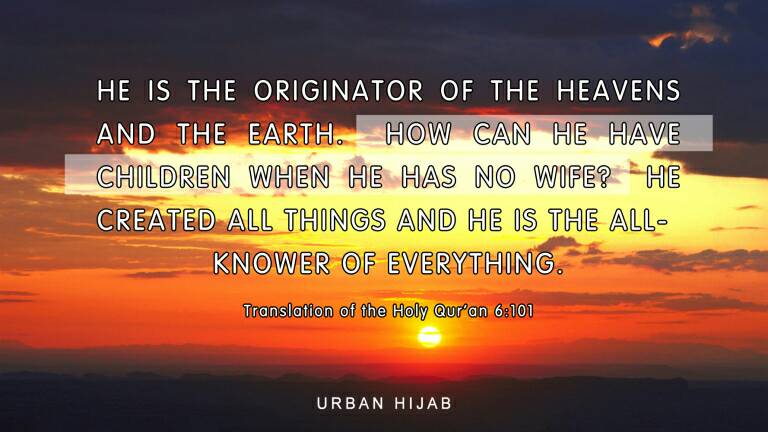
[emoji117] mwenyewe anakiri kwamba yeye hawezi kuwa na mwana hali hana mke [emoji38] [emoji38] [emoji38] halafu kuna watu wanaitakidi eti ni Muweza daah[emoji15] ona Mungu wetu Muweza anavyo sema [emoji117]
878332f0c6494c5a31f2d3bfe3399961.jpg
[emoji117]
01e1cc8789982822b1e113cea308328e.jpg
huu ni uwezo wa Mungu wetu [emoji123] [emoji106]


The SIX trials of Jesus?

6-trials-sm.jpg


1. Night "trial" by the Sanhedrin (Mark)

2. Morning "trial" by the Sanhedrin (Mark, Matthew, Luke)

3. "Trial" by Pilate (Mark, Matthew, Luke, John)

4. Night "trial" by Annas (John)

5. "Trial" by Herod Antipas (Luke)

6. Second "trial" by Pilate, after Jesus was sent back by Herod (Luke)

All between nightfall and noon the following day!


To add dramatic tension, the trial sequence was interwoven with a different sort of trial, that of Peter's "denial of Jesus" and also with the farcical Barabbas "Passover pardon" episode.

More theatre.
 
aya za furqan na ahadith unaita vikatuni [emoji15] [emoji38]


The KEY question

Mark

But he was silent and made no answer. Again the high priest asked him, "Are you the Christ, the Son of the Blessed?"

And Jesus said, "I am; and you will see the Son of man seated at the right hand of Power, and coming with the clouds of heaven."

And the high priest tore his garments, and said, "Why do we still need witnesses? You have heard his blasphemy. What is your decision?"

And they all condemned him as deserving death. And some began to spit on him, and to cover his face, and to strike him, saying to him, "Prophesy!"

And the guards received him with blows.

are-you-the-christ.jpg


Matthew

But Jesus was silent. And the high priest said to him, "I adjure you by the living God, tell us if you are the Christ, the Son of God."

Jesus said to him, "You have said so. But I tell you, hereafter you will see the Son of man seated at the right hand of Power, and coming on the clouds of heaven."

Then the high priest tore his robes, and said, "He has uttered blasphemy. Why do we still need witnesses? You have now heard his blasphemy. What is your judgment?"

They answered, "He deserves death." Then they spat in his face, and struck him; and some slapped him, saying, "Prophesy to us, you Christ! Who is it that struck you?"


blindfolded.jpg


Peek-a-boo


Luke

When day came, the assembly of the elders of the people, both chief priests and scribes, gathered together, and they brought him to their council.
They said, "If you are the Messiah, tell us."

He replied, "If I tell you, you will not believe; and if I question you, you will not answer. But from now on the Son of Man will be seated at the right hand of the power of God."

All of them asked, "Are you, then, the Son of God?"

He said to them, "You say that I am."

Then they said, "What further testimony do we need? We have heard it ourselves from his own lips!"


John

Pilate said to them, "Take him yourselves and crucify him; I find no case against him."

The Jews answered him, "We have a law, and according to that law he ought to die because he has claimed to be the Son of God."


Not only was there no such law but blasphemy required stoning not crucifixion!

stone-jesus.jpg
 
aya za furqan na ahadith unaita vikatuni [emoji15] [emoji38]


Mark: The King must Die!

Mark wrote a consoling story in which the death of Jesus atoned for the sins of Israel. Through him, all might rise again. For Mark the "trial" of Jesus was the final, pre-crucifixion scene of his drama, when Jesus faced his detractors. It is nothing more than a theatrical charade: the dramatization of a fictional event that could have only one – a theological – outcome: The king must die.

That was the divine plan. God himself, in the form of his own son, made an atoning sacrifice, a death that redeemed mankind. The betrayal of Jesus by one of his chosen intimates was itself part of the divine plan. Things could not have "gone another way." Mark wrote not of "historic" events that could have unfolded as the chance outcome of human choices and venal motive. The humiliation of the saviour and his terrible sentence had been preordained by God, the sacrifice had been long foretold in scripture and remained imperative for mankind's salvation.

Evidence of "testimony" or even the semblance of a regular trial were quite unnecessary. All that was necessary – and the only reason for a trial at all – was that the real guilty ones must implicate themselves by pronouncing sentence on the Just One. And who are the real guilty ones? Mark made that abundantly clear, despite the brevity of his story: the Jewish priesthood – and the mob influenced by them.

"The chief priests and the scribes were seeking how to arrest him by stealth, and kill him." – Mark 14.1.

"The chief priests and the whole council sought testimony against Jesus to put him to death." – Mark 14.55.

"The crowd shouted all the more, "Crucify him." – Mark 15.14.


At the same time, Rome – in the personification of the governor Pilate – would judge Jesus innocent and Rome would be exonerated, even though it acted as the instrument of God's will. Pilate, intimidated by the baying Jewish mob, "delivers up" Jesus for crucifixion. But those culpable for the death of Jesus are clearly the Jewish leadership and the Jews who follow them..
 
Before the Sanhedrin

"The chief priests and the scribes sought how they might take him by craft, and put him to death ... And they laid their hands on him, and took him ... and led Jesus away to the high priest and with him were assembled all the chief priests and the elders and the scribes ...." – Mark 14.1, 53.

Mark's courthouse micro-drama begins with Jesus arraigned before the whole of the Jewish council. Yet bizarrely, it is far into the night on the eve of the Passover festival (aka the first day the Feast of Unleavened Bread). Why has the council left the seizure of Jesus so ridiculously late? In fact, several days have passed since the supposed disruption of the temple traders by Jesus and the resolve of the priests to destroy him. Why the delay? Mark himself anticipated this awkward question and he has Jesus himself verbalise an answer: "Let the scriptures be fulfilled" (Mark 14.49)!

Mark's nocturnal kangaroo court – no legitimate capital trial could have taken place at night – had Jesus standing before an unnamed high priest, all the chief priests, the elders and the scribes. They are the spiritual and social leadership of the Jews. The whole council, emphasises Mark, had already determined to put Jesus to death and merely "sought testimony against him."

How did Mark know this? Only because he was the author of the tale.

The sentence upon Jesus was certain but the precise nature of the charges remained unclear. No witnesses for the defence were called and the "false witnesses" floundered by disagreeing with each other. Yet even so, "some" of those witnesses were able to agree something that accorded reasonably well with earlier dialogue voiced by Jesus: several references to "rising in three days" (comments that had puzzled his listeners at the time); and words spoken by Jesus in his "Olivet discourse" only shortly before:

"We heard him say, 'I will destroy this temple that is made with hands, and in three days I will build another, not made with hands.'" – Mark 14.58

"Jesus said to him, "Do you see these great buildings? There will not be left here one stone upon another, that will not be thrown down." – Mark 13.2


False witnesses or not, the high priest referred to their testimony, and asked Jesus to respond to the statement given by "these men".

The author of Mark gave no impressive response from Jesus – but why would he want to? His template at this point is Isaiah:

"He was oppressed, and he was afflicted, yet he opened not his mouth; like a lamb that is led to the slaughter, and like a sheep that before its shearers is dumb, so he opened not his mouth. By oppression and judgement he was taken away. " (53.7,8)


Thus Mark's Son of Man "made no answer" at his judgement.

In this ersatz trial, threats of destroying the temple were forgotten. Instead, Mark had the high priest pose the pivotal question: "Are you the Christ, the Son of the Blessed?" The Jewish priest was here used to articulate a later Christian statement of faith because claiming to be the messiah was not of itself blasphemous. Nor was it blasphemy for a Jew to claim to be "a son of God" – they were all sons of God, made in his own image! But the two epithets presented together as a claim to be the unique "messianic son of God" could be construed as blasphemous. Even so, Jesus hadn't "cursed God", which the law required for capital punishment (Leviticus 24.15-16, death by stoning).

Jesus barely moved his lips to confirm the charge: "I am." A short scriptural quote followed ("sitting on the right hand of power" derived from Psalm 110.1 "Yahweh said to my lord, sit at my right hand") and "son of man coming in the clouds of heaven", copied from Daniel 7.13 "With clouds of heaven came one like a son of man.")

With the apparent confession by Jesus of his blasphemy, "they all" condemned him as "deserving death" and some members of the Sanhedrin even struck and spat on him (all unlawful acts).


Before Pilate


Having described a very problematic night-time "blasphemy trial", Mark moved the story on to the next morning when "the whole council consulted" and then sent Jesus, a bound prisoner, on to the Roman governor for a second, "civil trial". Why a second trial was necessary Mark does not explain, though the assumption is that the Sanhedrin did not have the authority for capital punishment. This restraint was made overt only in the later gospel of John (18.31).

The hearing before the council had been brief – but the morning interview before Pilate was even briefer. Supposedly, the accusations made by the chief priests before the governor were "many" (15.3) although Mark failed to mention a single one! Instead, the trial hinges on a single question from Pilate himself, and not one raised in the earlier trial: "Are you the King of the Jews?" This straightforward question from the Roman elicits a terse and evasive response from Jesus: "You have said so."

The reader is left to imagine that the Jewish priests, in private consultations with Pilate, have emphasised that a claimant to messiahship, ipso facto, was a would-be king, and therefore a political threat to Rome. But Pilate was not so easily persuaded. At first, he merely "wondered" (15.4) and later "he perceived that it was out of envy that the chief priests had delivered him up." (15.10). This "perception of envy" was the peg on which Mark would absolve the Roman. So reluctant was Pilate to find Jesus guilty that the prefect argued repeatedly with a Jewish mob baying for Jesus's crucifixion. But at length Pilate gave into the mob, delivered up Jesus for crucifixion and released a known "rebel, insurrectionist and murderer" called Barabbas.

As if!


Before Pilate


Having described a very problematic night-time "blasphemy trial", Mark moved the story on to the next morning when "the whole council consulted" and then sent Jesus, a bound prisoner, on to the Roman governor for a second, "civil trial". Why a second trial was necessary Mark does not explain, though the assumption is that the Sanhedrin did not have the authority for capital punishment. This restraint was made overt only in the later gospel of John (18.31).

The hearing before the council had been brief – but the morning interview before Pilate was even briefer. Supposedly, the accusations made by the chief priests before the governor were "many" (15.3) although Mark failed to mention a single one! Instead, the trial hinges on a single question from Pilate himself, and not one raised in the earlier trial: "Are you the King of the Jews?" This straightforward question from the Roman elicits a terse and evasive response from Jesus: "You have said so."

The reader is left to imagine that the Jewish priests, in private consultations with Pilate, have emphasised that a claimant to messiahship, ipso facto, was a would-be king, and therefore a political threat to Rome. But Pilate was not so easily persuaded. At first, he merely "wondered" (15.4) and later "he perceived that it was out of envy that the chief priests had delivered him up." (15.10). This "perception of envy" was the peg on which Mark would absolve the Roman. So reluctant was Pilate to find Jesus guilty that the prefect argued repeatedly with a Jewish mob baying for Jesus's crucifixion. But at length Pilate gave into the mob, delivered up Jesus for crucifixion and released a known "rebel, insurrectionist and murderer" called Barabbas.

As if!

Before the Sanhedrin

"The chief priests and the scribes sought how they might take him by craft, and put him to death ... And they laid their hands on him, and took him ... and led Jesus away to the high priest and with him were assembled all the chief priests and the elders and the scribes ...." – Mark 14.1, 53.

Mark's courthouse micro-drama begins with Jesus arraigned before the whole of the Jewish council. Yet bizarrely, it is far into the night on the eve of the Passover festival (aka the first day the Feast of Unleavened Bread). Why has the council left the seizure of Jesus so ridiculously late? In fact, several days have passed since the supposed disruption of the temple traders by Jesus and the resolve of the priests to destroy him. Why the delay? Mark himself anticipated this awkward question and he has Jesus himself verbalise an answer: "Let the scriptures be fulfilled" (Mark 14.49)!

Mark's nocturnal kangaroo court – no legitimate capital trial could have taken place at night – had Jesus standing before an unnamed high priest, all the chief priests, the elders and the scribes. They are the spiritual and social leadership of the Jews. The whole council, emphasises Mark, had already determined to put Jesus to death and merely "sought testimony against him."

How did Mark know this? Only because he was the author of the tale.

The sentence upon Jesus was certain but the precise nature of the charges remained unclear. No witnesses for the defence were called and the "false witnesses" floundered by disagreeing with each other. Yet even so, "some" of those witnesses were able to agree something that accorded reasonably well with earlier dialogue voiced by Jesus: several references to "rising in three days" (comments that had puzzled his listeners at the time); and words spoken by Jesus in his "Olivet discourse" only shortly before:

"We heard him say, 'I will destroy this temple that is made with hands, and in three days I will build another, not made with hands.'" – Mark 14.58

"Jesus said to him, "Do you see these great buildings? There will not be left here one stone upon another, that will not be thrown down." – Mark 13.2


False witnesses or not, the high priest referred to their testimony, and asked Jesus to respond to the statement given by "these men".

The author of Mark gave no impressive response from Jesus – but why would he want to? His template at this point is Isaiah:

"He was oppressed, and he was afflicted, yet he opened not his mouth; like a lamb that is led to the slaughter, and like a sheep that before its shearers is dumb, so he opened not his mouth. By oppression and judgement he was taken away. " (53.7,8)


Thus Mark's Son of Man "made no answer" at his judgement.

In this ersatz trial, threats of destroying the temple were forgotten. Instead, Mark had the high priest pose the pivotal question: "Are you the Christ, the Son of the Blessed?" The Jewish priest was here used to articulate a later Christian statement of faith because claiming to be the messiah was not of itself blasphemous. Nor was it blasphemy for a Jew to claim to be "a son of God" – they were all sons of God, made in his own image! But the two epithets presented together as a claim to be the unique "messianic son of God" could be construed as blasphemous. Even so, Jesus hadn't "cursed God", which the law required for capital punishment (Leviticus 24.15-16, death by stoning).

Jesus barely moved his lips to confirm the charge: "I am." A short scriptural quote followed ("sitting on the right hand of power" derived from Psalm 110.1 "Yahweh said to my lord, sit at my right hand") and "son of man coming in the clouds of heaven", copied from Daniel 7.13 "With clouds of heaven came one like a son of man.")

With the apparent confession by Jesus of his blasphemy, "they all" condemned him as "deserving death" and some members of the Sanhedrin even struck and spat on him (all unlawful acts).

Mark: The King must Die!

Mark wrote a consoling story in which the death of Jesus atoned for the sins of Israel. Through him, all might rise again. For Mark the "trial" of Jesus was the final, pre-crucifixion scene of his drama, when Jesus faced his detractors. It is nothing more than a theatrical charade: the dramatization of a fictional event that could have only one – a theological – outcome: The king must die.

That was the divine plan. God himself, in the form of his own son, made an atoning sacrifice, a death that redeemed mankind. The betrayal of Jesus by one of his chosen intimates was itself part of the divine plan. Things could not have "gone another way." Mark wrote not of "historic" events that could have unfolded as the chance outcome of human choices and venal motive. The humiliation of the saviour and his terrible sentence had been preordained by God, the sacrifice had been long foretold in scripture and remained imperative for mankind's salvation.

Evidence of "testimony" or even the semblance of a regular trial were quite unnecessary. All that was necessary – and the only reason for a trial at all – was that the real guilty ones must implicate themselves by pronouncing sentence on the Just One. And who are the real guilty ones? Mark made that abundantly clear, despite the brevity of his story: the Jewish priesthood – and the mob influenced by them.

"The chief priests and the scribes were seeking how to arrest him by stealth, and kill him." – Mark 14.1.

"The chief priests and the whole council sought testimony against Jesus to put him to death." – Mark 14.55.

"The crowd shouted all the more, "Crucify him." – Mark 15.14.


At the same time, Rome – in the personification of the governor Pilate – would judge Jesus innocent and Rome would be exonerated, even though it acted as the instrument of God's will. Pilate, intimidated by the baying Jewish mob, "delivers up" Jesus for crucifixion. But those culpable for the death of Jesus are clearly the Jewish leadership and the Jews who follow them..
gavana na huyo huko uliko beba c$p aka kadi ya kliniki kwa mujibu wa Biblia Takatifu mnahubiri Injili nyingine sio hii Tuliyo ipokea hivyo MMELAANiWA [emoji117]
795027734.jpg
sio siri habari ndio hiyo mkae mkijua hivyo [emoji123] [emoji106]
 
gavana na huyo huko uliko beba c$p aka kadi ya kliniki kwa mujibu wa Biblia Takatifu mnahubiri Injili nyingine sio hii Tuliyo ipokea hivyo MMELAANiWA [emoji117] View attachment 706061 sio siri habari ndio hiyo mkae mkijua hivyo [emoji123] [emoji106]


gavana na huyo huko uliko beba c$p aka kadi ya kliniki kwa mujibu wa Biblia Takatifu mnahubiri Injili nyingine sio hii Tuliyo ipokea hivyo MMELAANiWA [emoji117] View attachment 706061 sio siri habari ndio hiyo mkae mkijua hivyo [emoji123] [emoji106]


JAWABU YAKO UTAIPATA HAPA WEWE UNAYEMFUATA PAULO HUMFUATI YESU HUKU UKIGANGA NJAA KWA UDANGANYIFU


Galatians 2:11-21


Paul Opposes Peter


11 When Peter came to Antioch, I opposed him to his face, because he was clearly in the wrong.

12 Before certain men came from James, he used to eat with the Gentiles. But when they arrived, he began to draw back and separate himself from the Gentiles because he was afraid of those who belonged to the circumcision group. ( why did people such as the Apostle James still believe that the law regarding food should still be applied? If Jesus came to replace the law, then why are they still following the law?)

13 The other Jews joined him in his hypocrisy, so that by their hypocrisy even Barnabas was led astray. (so, Peter, James and Barnabas are wrong?)

14 When I saw that they were not acting in line with the truth of the gospel, I said to Peter in front of them all, "You are a Jew, yet you live like a Gentile and not like a Jew. How is it, then, that you force Gentiles to follow Jewish customs?

15"We who are Jews by birth and not 'Gentile sinners'

16know that a man is not justified by observing the law, but by faith in Jesus Christ. So we, too, have put our faith in Christ Jesus that we may be justified by faith in Christ and not by observing the law, because by observing the law no one will be justified. ( why are they arguing over following the law or not? Why are they not in agreement of doctrine?)


17"If, while we seek to be justified in Christ, it becomes evident that we ourselves are sinners, does that mean that Christ promotes sin? Absolutely not!

18 If I rebuild what I destroyed, I prove that I am a lawbreaker.

19 For through the law I died to the law so that I might live for God.

20 I have been crucified with Christ and I no longer live, but Christ lives in me. The life I live in the body, I live by faith in the Son of God, who loved me and gave himself for me.

21 I do not set aside the grace of God, for if righteousness could be gained through the law, Christ died for nothing!"[d]

Paul condemns all Jewish Christians including Peter and Barnabas. We only have Paul’s side of the story but Peter’s recollection of this story is not given to us in the New Testament.

Peter truly would have known Jesus better than Paul. There is dispute whether 1 Peter is a letter written by Peter and almost all scholars, ancient and modern agree that 2 Peter is not a letter written by Peter.


Acts 4:31

31 After they prayed, the place where they were meeting was shaken. And they were all filled with the Holy Spirit and spoke the word of God boldly.

If Peter was filled with the Holy Spirit then why is Paul calling Peter a hypocrite for eating with the Gentiles and then when people came from James he got up. James is Jesus’ half brother, he lived and stayed with Jesus. Why did he still think that people have to eat kosher meat? We don’t have any account of Peter’s story regarding this incident. Barnabas is also called a hypocrite in verse 13. Look how in verses 15 thought 17 Paul is arguing with them about the law. That means the disciples wanted to follow the law and suggested following it. Otherwise Paul wouldn’t have mentioned it. How could he say those things to Peter and look what Jesus said about Peter.
 
JAWABU YAKO UTAIPATA HAPA WEWE UNAYEMFUATA PAULO HUMFUATI YESU HUKU UKIGANGA NJAA KWA UDANGANYIFU


Galatians 2:11-21


Paul Opposes Peter


11 When Peter came to Antioch, I opposed him to his face, because he was clearly in the wrong.

12 Before certain men came from James, he used to eat with the Gentiles. But when they arrived, he began to draw back and separate himself from the Gentiles because he was afraid of those who belonged to the circumcision group. ( why did people such as the Apostle James still believe that the law regarding food should still be applied? If Jesus came to replace the law, then why are they still following the law?)

13 The other Jews joined him in his hypocrisy, so that by their hypocrisy even Barnabas was led astray. (so, Peter, James and Barnabas are wrong?)

14 When I saw that they were not acting in line with the truth of the gospel, I said to Peter in front of them all, "You are a Jew, yet you live like a Gentile and not like a Jew. How is it, then, that you force Gentiles to follow Jewish customs?

15"We who are Jews by birth and not 'Gentile sinners'

16know that a man is not justified by observing the law, but by faith in Jesus Christ. So we, too, have put our faith in Christ Jesus that we may be justified by faith in Christ and not by observing the law, because by observing the law no one will be justified. ( why are they arguing over following the law or not? Why are they not in agreement of doctrine?)


17"If, while we seek to be justified in Christ, it becomes evident that we ourselves are sinners, does that mean that Christ promotes sin? Absolutely not!

18 If I rebuild what I destroyed, I prove that I am a lawbreaker.

19 For through the law I died to the law so that I might live for God.

20 I have been crucified with Christ and I no longer live, but Christ lives in me. The life I live in the body, I live by faith in the Son of God, who loved me and gave himself for me.

21 I do not set aside the grace of God, for if righteousness could be gained through the law, Christ died for nothing!"[d]

Paul condemns all Jewish Christians including Peter and Barnabas. We only have Paul’s side of the story but Peter’s recollection of this story is not given to us in the New Testament.

Peter truly would have known Jesus better than Paul. There is dispute whether 1 Peter is a letter written by Peter and almost all scholars, ancient and modern agree that 2 Peter is not a letter written by Peter.


Acts 4:31

31 After they prayed, the place where they were meeting was shaken. And they were all filled with the Holy Spirit and spoke the word of God boldly.

If Peter was filled with the Holy Spirit then why is Paul calling Peter a hypocrite for eating with the Gentiles and then when people came from James he got up. James is Jesus’ half brother, he lived and stayed with Jesus. Why did he still think that people have to eat kosher meat? We don’t have any account of Peter’s story regarding this incident. Barnabas is also called a hypocrite in verse 13. Look how in verses 15 thought 17 Paul is arguing with them about the law. That means the disciples wanted to follow the law and suggested following it. Otherwise Paul wouldn’t have mentioned it. How could he say those things to Peter and look what Jesus said about Peter.

mbona umejivika vazi la laana kwa maksudi? [emoji117]
7c7b279038dac1b95e596ee57e24664e.jpg
kila nikikwambia hicho unacho hubiri ni injili nyingine na anae hubiri kihivyo hata awe Malaika ame-LAANIWA [emoji117]
795027734.jpg
lakini husikii gavana [emoji15] hizi ni nini dogo kama sio chokochoko, ugomvi, fitna, faraka tuiteje?...si ufundishe uisilamu wako [emoji15] [emoji4]
 

Attachments

  • 334905.jpg
    334905.jpg
    13.3 KB · Views: 45
mbona umejivika vazi la laana kwa maksudi? [emoji117]
7c7b279038dac1b95e596ee57e24664e.jpg
kila nikikwambia hicho unacho hubiri ni injili nyingine na anae hubiri kihivyo hata awe Malaika ame-LAANIWA [emoji117] View attachment 706705 lakini husikii gavana [emoji15] hizi ni nini dogo kama sio chokochoko, ugomvi, fitna, faraka tuiteje?...si ufundishe uisilamu wako [emoji15] [emoji4]

Mwisho wa hizo laana zako na kulalamika , jibu maswali kwenye hoja niliyokuletea
 
Bwana Paulo aliibua madai mazito kuwa ametokewa na Bwana Yesu na kumtuma aende kwa watu wa mataifa (wapagani) kuwapelekea dini (neno la Mungu)!

Uthibitisho wa hilo tunaupata katika maelezo yake (Paulo) yafuatayo kama alivyokaririwa na Biblia tukufu:

"Basi katika kazi hiyo nilipokuwa nikienda Dameski, mwenye mamlaka na maagizo ya wakuu wa makuhani; Ee Mfalme, ndipo wakati wa adhuhuri njiani naliona nuru inatoka mbinguni ipitayo mwangaza wa jua, ikinimulikia mimi, na wale waliofutana nami pande zote. Tukaanguka chini sote, nikasikia sauti ikisema nami kwa lugha ya Kiebrania, Sauli! Sauli! Mbona waniudhi? Ni vigumu kwako kumpiga mateke mchokoo. Nami nikasema, Wewe U nani, Bwana? Bwana akaniambia, Mimi ni Yesu, ambaye wewe unaniudhi. Lakini inuka, usimame kwa miguu yako, maana nimekutokea kwa sababu hii, nikuweke wewe uwe mtumishi na shahidi wa mambo haya uliyoyaona, na wa mambo ambayo katika hayo nitajidhihirisha kwako; nikiuokoa na watu wako, na watu wa mataifa ambao nakutuma kwao; uwafumbue macho yao, na kuwageuza waiache giza na kuelekea nuru, kumwelekea Mungu; kisha wapate msamaha wa dhambi zao, na urithi miongoni mwao waliotakaswa kwa imani iliyo kwangu mimi". (Matendo ya Mitume 26:12-18).

Madai hayo ya Bwana Paulo ya kwamba katumwa na Bwana Yesu (a.s.) aende kwa watu wa mataifa kuwapelekea neno la Mungu, kimsingi hayakubaliki.

Kwa sababu Bwana Yesu (a.s.) hana sifa ya kukiuka kauli zake mwenyewe zifuatazo:

"Hao thenashara Yesu aliwatuma, akawaagiza, akisema, katika njia ya mataifa msiende, wala katika mji wowote wa Wasamaria msiingie. Afadhali shikeni njia kuwaendea kondoo waliopotea wa nyumba ya Israeli. Lakini watakapowafukuza katika mji huu, kimbilieni mwingine; kwa maana ni kweli nawaambia, Hamtaimaliza miji ya Israeli, hata ajapo mwana wa Adamu". (Mathayo 10:5-6,23)

Akajibu, akasema, Sikutumwa ila kwa kondoo waliopotea wa nyumba ya Israeli". (Mathayo 15:24)

Aidha, maadai hayo ya Bwana Paulo, pia hayakubaliki kwa sababu kumwepusha mbali Bwana Yesu (a.s.) na sifa hatari ya kukiuka mipaka ya kazi yake aliyowekewa na Mungu kabla hata mwenyewe (Yesu a.s.) hajazaliwa, kama maandiko yafuatayo yanavyothibitisha ukweli huu:

"Bali wewe, Bethlehemu Efrata, uliye mdogo kuwa miongoni mwa elfu za Yuda; kutoka kwako atanitokea mmoja atakayekuwa mtawala katika Israeli; ambaye matokeo yake yamekuwa tangu zamani za kale tangu milele". (Mika 5:2)

"Nawe Bethlehemu, katika nchi ya Yuda, Hu mdogo kamwe katika majumba ya Yuda; Kwa kuwa kwako atatoka mtawala Atakayewachunga watu wangu Israeli". (Mathayo 2:6)

Kinyume na dai lake hilo, ukweli wa mambo unaonyesha kuwa Bwana Paulo alikwenda kwa watu wa mataifa (wapagani) kufuata dini yao, kama yeye mwenyewe asemavyo hapa chini:

"Lakini Kefa alipokuja Antiokia, nalishindana naye uso kwa uso, kwa sababu alistahili hukumu. Kwa maana kabla hawajaja watu kadhaa wa kadhaa waliotoka kwa Yakobo, alikuwa akila pamoja na watu wa mataifa; lakini walipokuja wao, akarudi nyuma akajitenga, huku akiwaogopa waliotahiriwa. Na hao Wayahudi wengine wakajigeuza pamoja naye, hata Barnaba pia akachukuliwa na unafiki wao. Walakini, nilipoona ya kuwa njia yao haiendi sawa sawa na ile kweli ya Injili, nalimwambia Kefa mbele ya wote, Ikiwa wewe uliye Myahudi wafuata desturi za mataifa, wala si za Wayahudi, kwanini unawashurutisha mataifa kufuata desturi za Wayahudi? Sisi tulio Wayahudi kwa asili, wala si wakosaji wa mataifa, hali tukijua ya kuwa mwanadamu hahesabiwi haki kwa matendo ya sheria, bali kwa imani ya Kristo Yesu; Sisi tulimwamini Kristo Yesu ili tuhesabiwe haki kwa imani ya Kristo, wala si kwa matendo ya sheria; kwa maana kwa matendo ya sheria hakuna mwenye mwili atakayehesabiwa haki. Lakini ikiwa sisi wenyewe, kwa kutafuta kuhesabiwa haki katika Kristo, tulionekana kuwa wenye dhambi, Je! Kristo amekuwa mtumishi wa dhambi? Hasha! Maana nikiyajenga tena yale niliyoyabomoa, naonyesha ya kuwa mimi mwenyewe ni mkosaji. Maana mimi kwa njia ya sheria naliifia sheria ili nimwishie Mungu". (Wagalatia 2:11-19)

Maelezo yake hayo juu, yanaonyesha jinsi Bwana Paulo alivyokuwa akimshutumu Kefa (Petro), Barnaba na Wayahudi wengine alipokutana nao huko Antiokio (kwa watu wa mataifa) kwa kutofuata kwao moja kwa moja desturi za watu wa mataifa (wapagani) kama walivyokuwa wakifanya hivyo hapo awali, kabla Wayahudi waliotoka kwa Yakobo (Myahudi) hawajaja.

Aidha, Bwana Paulo anaonekana pia hapo akimlaumu Kefa (Petro) kwa kitendo chake cha kuwashurutisha watu hao wa mataifa, yaani wapagani kufuata desturi za Wayahudi (yaani kufuata Torati ya Nabii Musa) akidai kwamba mwanadamu hatohesabiwa haki kwa matendo ya sheria; lakini kwa imani ya Kristo Yesu! Kwa maelezo yake hayo, ni wazi kuwa Bwana Paulo, Petro na wenzio wao wote yaonyesha dhahiri kuwa hawakwenda kwa watu wa mataifa huko Antiokia kwa jambo lingine lolote ila kufuata desturi za dini yao.

Dini yao hii watu hao wa mataifa (wapagani) ilikuwa ina miungu yao (Zeu na Herme) yenye desturi ya kujigeuza kuwa mfano wa wanadamu. Pia ilikuwa na ibada zake wanazoifanyia miungu yao hiyo.

Kwa hali hiyo basi, kwa kuwa Bwana Paulo anafuata mia kwa mia desturi za dini ya watu wa mataifa, yaani wapagani, hapana shaka ni lazima pia huo ndio utakaokuwa msimamo wa dini yake ya Kikristo, kama tutakavyokuja kuona kwa urefu zaidi
 
Bwana Paulo aliibua madai mazito kuwa ametokewa na Bwana Yesu na kumtuma aende kwa watu wa mataifa (wapagani) kuwapelekea dini (neno la Mungu)!

Uthibitisho wa hilo tunaupata katika maelezo yake (Paulo) yafuatayo kama alivyokaririwa na Biblia tukufu:

"Basi katika kazi hiyo nilipokuwa nikienda Dameski, mwenye mamlaka na maagizo ya wakuu wa makuhani; Ee Mfalme, ndipo wakati wa adhuhuri njiani naliona nuru inatoka mbinguni ipitayo mwangaza wa jua, ikinimulikia mimi, na wale waliofutana nami pande zote. Tukaanguka chini sote, nikasikia sauti ikisema nami kwa lugha ya Kiebrania, Sauli! Sauli! Mbona waniudhi? Ni vigumu kwako kumpiga mateke mchokoo. Nami nikasema, Wewe U nani, Bwana? Bwana akaniambia, Mimi ni Yesu, ambaye wewe unaniudhi. Lakini inuka, usimame kwa miguu yako, maana nimekutokea kwa sababu hii, nikuweke wewe uwe mtumishi na shahidi wa mambo haya uliyoyaona, na wa mambo ambayo katika hayo nitajidhihirisha kwako; nikiuokoa na watu wako, na watu wa mataifa ambao nakutuma kwao; uwafumbue macho yao, na kuwageuza waiache giza na kuelekea nuru, kumwelekea Mungu; kisha wapate msamaha wa dhambi zao, na urithi miongoni mwao waliotakaswa kwa imani iliyo kwangu mimi". (Matendo ya Mitume 26:12-18).

Madai hayo ya Bwana Paulo ya kwamba katumwa na Bwana Yesu (a.s.) aende kwa watu wa mataifa kuwapelekea neno la Mungu, kimsingi hayakubaliki.

Kwa sababu Bwana Yesu (a.s.) hana sifa ya kukiuka kauli zake mwenyewe zifuatazo:

"Hao thenashara Yesu aliwatuma, akawaagiza, akisema, katika njia ya mataifa msiende, wala katika mji wowote wa Wasamaria msiingie. Afadhali shikeni njia kuwaendea kondoo waliopotea wa nyumba ya Israeli. Lakini watakapowafukuza katika mji huu, kimbilieni mwingine; kwa maana ni kweli nawaambia, Hamtaimaliza miji ya Israeli, hata ajapo mwana wa Adamu". (Mathayo 10:5-6,23)

Akajibu, akasema, Sikutumwa ila kwa kondoo waliopotea wa nyumba ya Israeli". (Mathayo 15:24)

Aidha, maadai hayo ya Bwana Paulo, pia hayakubaliki kwa sababu kumwepusha mbali Bwana Yesu (a.s.) na sifa hatari ya kukiuka mipaka ya kazi yake aliyowekewa na Mungu kabla hata mwenyewe (Yesu a.s.) hajazaliwa, kama maandiko yafuatayo yanavyothibitisha ukweli huu:

"Bali wewe, Bethlehemu Efrata, uliye mdogo kuwa miongoni mwa elfu za Yuda; kutoka kwako atanitokea mmoja atakayekuwa mtawala katika Israeli; ambaye matokeo yake yamekuwa tangu zamani za kale tangu milele". (Mika 5:2)

"Nawe Bethlehemu, katika nchi ya Yuda, Hu mdogo kamwe katika majumba ya Yuda; Kwa kuwa kwako atatoka mtawala Atakayewachunga watu wangu Israeli". (Mathayo 2:6)

Kinyume na dai lake hilo, ukweli wa mambo unaonyesha kuwa Bwana Paulo alikwenda kwa watu wa mataifa (wapagani) kufuata dini yao, kama yeye mwenyewe asemavyo hapa chini:

"Lakini Kefa alipokuja Antiokia, nalishindana naye uso kwa uso, kwa sababu alistahili hukumu. Kwa maana kabla hawajaja watu kadhaa wa kadhaa waliotoka kwa Yakobo, alikuwa akila pamoja na watu wa mataifa; lakini walipokuja wao, akarudi nyuma akajitenga, huku akiwaogopa waliotahiriwa. Na hao Wayahudi wengine wakajigeuza pamoja naye, hata Barnaba pia akachukuliwa na unafiki wao. Walakini, nilipoona ya kuwa njia yao haiendi sawa sawa na ile kweli ya Injili, nalimwambia Kefa mbele ya wote, Ikiwa wewe uliye Myahudi wafuata desturi za mataifa, wala si za Wayahudi, kwanini unawashurutisha mataifa kufuata desturi za Wayahudi? Sisi tulio Wayahudi kwa asili, wala si wakosaji wa mataifa, hali tukijua ya kuwa mwanadamu hahesabiwi haki kwa matendo ya sheria, bali kwa imani ya Kristo Yesu; Sisi tulimwamini Kristo Yesu ili tuhesabiwe haki kwa imani ya Kristo, wala si kwa matendo ya sheria; kwa maana kwa matendo ya sheria hakuna mwenye mwili atakayehesabiwa haki. Lakini ikiwa sisi wenyewe, kwa kutafuta kuhesabiwa haki katika Kristo, tulionekana kuwa wenye dhambi, Je! Kristo amekuwa mtumishi wa dhambi? Hasha! Maana nikiyajenga tena yale niliyoyabomoa, naonyesha ya kuwa mimi mwenyewe ni mkosaji. Maana mimi kwa njia ya sheria naliifia sheria ili nimwishie Mungu". (Wagalatia 2:11-19)

Maelezo yake hayo juu, yanaonyesha jinsi Bwana Paulo alivyokuwa akimshutumu Kefa (Petro), Barnaba na Wayahudi wengine alipokutana nao huko Antiokio (kwa watu wa mataifa) kwa kutofuata kwao moja kwa moja desturi za watu wa mataifa (wapagani) kama walivyokuwa wakifanya hivyo hapo awali, kabla Wayahudi waliotoka kwa Yakobo (Myahudi) hawajaja.

Aidha, Bwana Paulo anaonekana pia hapo akimlaumu Kefa (Petro) kwa kitendo chake cha kuwashurutisha watu hao wa mataifa, yaani wapagani kufuata desturi za Wayahudi (yaani kufuata Torati ya Nabii Musa) akidai kwamba mwanadamu hatohesabiwa haki kwa matendo ya sheria; lakini kwa imani ya Kristo Yesu! Kwa maelezo yake hayo, ni wazi kuwa Bwana Paulo, Petro na wenzio wao wote yaonyesha dhahiri kuwa hawakwenda kwa watu wa mataifa huko Antiokia kwa jambo lingine lolote ila kufuata desturi za dini yao.

Dini yao hii watu hao wa mataifa (wapagani) ilikuwa ina miungu yao (Zeu na Herme) yenye desturi ya kujigeuza kuwa mfano wa wanadamu. Pia ilikuwa na ibada zake wanazoifanyia miungu yao hiyo.

Kwa hali hiyo basi, kwa kuwa Bwana Paulo anafuata mia kwa mia desturi za dini ya watu wa mataifa, yaani wapagani, hapana shaka ni lazima pia huo ndio utakaokuwa msimamo wa dini yake ya Kikristo, kama tutakavyokuja kuona kwa urefu zaidi
Ndio unapangusa laana kiaina? [emoji38] [emoji38] haipanguswi kihivyo dogo [emoji4] Paulo Alimjua aliye jifunua kwake ni Bwana Yesu [emoji123] [emoji106] jee muhammad alimjua aliye mkaba roba jabar hilla hadi fdt?as@$?? jibu 65 [emoji4]
 
Ndio unapangusa laana kiaina? [emoji38] [emoji38] haipanguswi kihivyo dogo [emoji4] Paulo Alimjua aliye jifunua kwake ni Bwana Yesu [emoji123] [emoji106] jee muhammad alimjua aliye mkaba roba jabar hilla hadi fdt?as@$?? jibu 65 [emoji4]


Tulia ugangwe ,

Tumeona kwa uchache dini ya Kikristo iliyoletwa na Paulo miaka michache baada ya Nabii Isa au Yesu (a.s.) kuondoka, jinsi inavyohusiana kimsingi na dini hiyo ya wapagani katika imani ya mungu-mtu na ibada potofu wanazoifanyia miungu hiyo. Endelea...

Uhusiano kati ya mungu wa Ukristo na miungu ya upagani

Sambamba na imani hiyo ya watu wa mataifa au wapagani, ya kuamini miungu-watu (akina Zeu na Herme) wanayoiamini kuwa na desturi ya kujigeuza kuwa mfano wa wanadamu (kama tulivyoona katika makala iliyopita katika gazeti hili), maandiko ya Biblia tukufu yanafundisha pia kuwa, muasisi wa dini ya Kikristo, Bwana Paulo naye baadae aliihubiri miungu hiyo ya wapagani lakini kwa jina lingine. Uthibitisho wa hilo tunaupata kwenye mafundisho yake mwenyewe (Paulo) yafuatayo:

"Nakuandikia hayo nikitaraji kuja kwako hivi karibuni. Lakini nikikawia upate kujua jinsi iwapasavyo watu kuenenda katika nyumba ya Mungu, iliyo Kanisa la Mungu aliye hai, nguzo na msingi wa kweli. Na bila shaka siri ya utauwa ni kuu. Mungu alidhihirishwa katika mwili, Akajulika kuwa na haki katika roho, Akaonekana na malaika, Akahubiriwa katika mataifa, Akaamniwa katika ulimwengu, akachukuliwa juu katika utukufu". (1 Timotheo 3:14-16)

"Iweni na nia iyo hiyo ndani yenu ambayo ilikuwamo pia ndani ya Kristo Yesu; ambaye yeye mwanzo alikuwa Yuna namna ya Mungu, naye hakuona kule kuwa sawa na Mungu, kuwa ni kitu cha kushikamana nacho; bali alijifanya kuwa hana utukufu, akatwaa namna ya mtumwa, akawa ana mfano wa wanadamu." (Wafilipi 2:5-7)

Cha msingi anachofundisha Bwana Paulo hapo juu ni kwamba, hapo mwanzo Yesu (a.s.) alikuwa hana tofauti yoyote na Mungu, kwa maana kwamba alikuwa ni Mungu kamili! Baadae akaona kuna umuhimu pia awe mtumwa; kwa hiyo akaamua kuuvua Uungu wake na kuuvaa mwili akawa mwanadamu kamili japokuwa roho yake iliendelea kubaki kuwa Mungu!

Aidha, kwa lugha ya jumla anachotueleza Bwana Paulo hapo juu ni kwamba, kipindi fulani Yesu (s.a.) alikuwa Mungu kamili na kipindi kingine alijibadilisha akawa mwanadamu kamili japokuwa Uungu wake ukabaki nao rohoni! Kwa uchache, hivi ndivyo Bwana Paulo (muasisi wa Ukristo) afundishavyo kuhusu Mungu.

Hata hivyo, mafundisho hayo ya Bwana Paulo kwamba Yesu ni Mungu japokuwa ni mwanadamu kamili, yanapingwa vikali na mafundisho sahihi ya Bwana Yesu mwenyewe (a.s.) kama ifuatavyo:

"Na mmojawapo wa waandishi akafika, akawasikia wakisemezana naye, akatambua ya kuwa amewajibu vema, akamwuliza, katika amri zote ni ipi iliyo ya kwanza? Yesu akamjibu, Ya kwanza ndio hii, sikia Israeli, Bwana Mungu wetu ni Bwana mmoja; nawe mpende Bwana Mungu wako kwa moyo wako wote, na kwa roho yako yote, na kwa akili zako zote, na kwa nguvu zako zote. Na ya pili ndio hii. Mpende jirani yako kama nafsi yako. Hakuna amri nyingine iliyo kuu kuliko hizi. Yule mwandishi akamwambia, Hakika, Mwalimu umesema vema ya kwamba Mungu ni mmoja, wala hakuna mwingine ile Yeye, na kumpenda yeye kwa moyo wote, na kwa ufahamu wote, na kwa nguvu zote, na kumpenda jirani kama nafsi yako, kwafaa kuliko sadaka nzima za kuteketezwa na dhabihu zote pia. Naye Yesu, alipoona kwamba amejibu kwa busara, alimwambia, Wewe hu mbali na ufalme wa Mungu. Wala hakuthubutu mtu kumsaili neno tena tokea hapo". (Marko 12:28-34)

"Yesu akamwambia. Usinishike, kwa maana sijapaa kwenda kwa Baba. Lakini enenda kwa ndugu zangu ukawaambie, Ninapaa kwenda kwa Baba yangu naye ni Baba yenu, kwa Mungu wangu naye ni Mungu wenu". (Yohana 20:17)

Hapa Bwana Yesu (a.s.) anawafundisha wanadamu wafahamu kwamba Mungu wake na wao ni mmoja tu na daima hakuna mwingine.

Sambamba na ukweli wa mafundisho yake hayo, ni jambo lilowazi kabisa pia kwamba, hakuna mahali popote ndani ya maandiko matakatifu ambamo Bwana Yesu (a.s.) katika maisha yake yote alimowahi kukaririwa akidai Uungu japo kwa kutania. Kinyume chake tunaona mara nyingi alikaririwa akifundisha wazi wazi kuwa Yeye ni mtu (tazama Yohana 8:40) na kusisitiza mara kwa mara kwamba yeye daima ni mwanadamu kamili (tazama Mathayo 11:19)

Aidha, kwa kuzingatia ukweli kwamba yeye (Yesu a.s.) ni mtu na ni mwanadamu kamili kama mwenyewe alivyofundisha hapo juu, itakumbukwa katika makala iliyopita katika gazeti hili tuliona jinsi Mungu (Yehova au Allah s.w.t.) anavyokataa kata-kata kwamba Yeye kamwe si mtu na wala si mwanadamu kwa kila hali (rejea Hesabu 23:19)

Kwa shuhuda hizo basi ni wazi kuwa Mungu aliyekuwa akimhubiri Bwana Paulo hapo ni ile ile miungu ya wapagani (akina Zeu na Herme). Kwa kutumia jina la "Yesu", hasa kwa kuzingatia desturi aliyomsifia kuwa nayo mungu wake huyo ya kujigeuza kuwa mfano wa wanadamu i sawa na imani ile ya watu wa mataifa au wapagani katika miungu yao hiyo (Zeu na Herme). Mafundisho kama hayo ya Bwana Paulo yamepelekea leo kuwababaisha wanadamu wamdhani Yesu kuwa ni Mungu wakati si kweli.

Sambamba na mafundisho yake hayo juu ya desturi hiyo ya miungu hiyo ya kipagani katika kutilia mkazo kwamba mungu wa dini yake ya Kikristo kwamba ana desturi ya kujibadilisha badilisha, Bwana Paulo alidiriki kudai kuwa mungu wake huyo aliyemwita "Yesu" pia wakati mwingine huwa anakuwa jabali! Uthibitisho wa dai lake hilo tunaupata katika kauli yake ifuatayo:

"Kwa maana ndugu zangu sipendi mkose kufahamu ya kuwa baba zetu walikuwa wote chini ya wingu, wote wakapita kati ya bahari, wote wakabatizwa wawe wa Musa katika wingu na katika bahari; wote wakala chakula kile kile cha roho; wote wakanywa kinywaji kile kile cha roho; kwa maana waliunywea mwamba wa roho uliowafuata; na mwamba ule ulikuwa ni Kristo". (1 Wakorintho 10:1-4)

Katika maelezo yake hayo juu, mwamba anaoukusudia hapo Bwana Paulo anaodai eti ulikuwa ni Kristo, yaani Yesu, ni lile jabali lililokuwa katika Horebu ambalo Nabii Musa (a.s.) kama Biblia ifundishavyo alilipiga kwa fimbo yake kisha maji yakatoka na watu wakapata kunywa (tazama Kutoka 17:6).

Kwa maelezo yake hayo, yaonyesha dhahiri Bwana Paulo anakiri kwamba Bwana Yesu (a.s.) aliwahi kutandikwa bakora na Nabii Musa (a.s.)! Ingawa Nabii Musa (a.s.) haonekani kabisa katika zama zake akiwa pamoja na Nabii Yesu (a.s).

Kwa ujumla, mafundisho hayo ya Bwana Paulo yanalenga wazi katika kuonyesha sifa kubwa ya Mungu anayemhubiri kwamba ni pamoja na kujibadilisha-badilisha katika maumbile tofauti! Ambapo desturi hiyo (ya kujibadilisha-badilisha) haipatikani isipokuwa katika imani ya wapagani juu ya miungu yao, ndivyo waiaminivyo kuwa ina sifa hiyo (kama tulivyoona hapo awali).

Na ni katika mafundisho kama hayo ya Paulo ndipo unapopatikana dhahiri shahiri uhusiano halisi wa imani ya mungu-mtu kati ya dini yake ya Kikristo na dini ya kipagani. Kwa mantiki hiyo, ni wazi kuwa asili ya Mungu anayeabudiwa na Wakristo inatokana na imani ya miungu-watu ya kipagani kama ile akina Zeu na Herme.

Paulo kutomtambua Mungu-Yehova

Katika shuhuda za Biblia tukufu zilizotangulia hapo juu, tumeona jinsi Paulo alivyosimama imara na kuihubiri miungu ya kipagani (kama akina Zeu na Herme) kwa jina la "Yesu". Aidha, akitilia mkazo msimamo wake huo (wa kufundisha miungu hiyo ya kipagani peke yake), Bwana Paulo alionyesha wazi kuwa hamtambui kabisa Mungu-Yehova. Uthibitisho wa hilo tunaupata katika kauli zake (Paulo) zifuatayo:

"Maana imani ya Mungu iwaokoayo wanadamu wote imefunuliwa, nayo yatufundisha kukataa ubaya na tamaa za kidunia, tupate kuishi kwa kiasi, na haki, na utauwa, katika ulimwengu huu wa sasa; tukilitazamia tumaini lenye baraka na mafunuo ya utukufu wa Kristo Yesu, Mungu mkuu na mwokozi wetu, ambaye alijitoa nafsi yake kwa ajili yetu, ili atukomboe na maasi yote, na kujisafisha watu wawe milki yake mwenyewe, wale walio na juhudi katika matendo mema". (Tito 2:11-14)

"Kwa maana ningeweza kuomba mimi mwenyewe niharimishwe na kutengwa na Kristo kwa ajili ya ndugu zangu, jamaa zangu kwa jinsi ya mwili, ambao ni Waisraeli, wenye kule kufanywa wana, na ule utukufu, na maagano, na kupewa torati, na ibada ya Mungu, na ahadi zake, ambao mababu ni wao, katika hao alitoka Kristo kwa jinsi ya mwili. Ndiye aliye juu ya mambo yote, Mungu mwenye kuhimidiwa milele. Amina." (Warumi 9:3-5).

Katika kuonyesha kwamba hamtambui kabisa Mungu-Yehova na kwamba amedhamiria kumhubiri peke yake mungu-Zeu na Herme kwa jina la "Yesu", Bwana Paulo hapa anadai kwamba mungu wake huyo aliyemwita "Yesu" ni mungu mkuu na ndiye mungu aliye juu ya mambo yote! Kwa maana kwamba kama kuna Mungu mwingine yoyote basi Mungu wake huyo ndiye zaidi (mkuu)!

Hata hivyo, lakusikitisha, wakati Bwana Paulo anawafundisha wanadamu kwamba mungu wake huyo aliyemwita "Yesu" kuwa ndiye mkuu, tayari Bwana Yesu mwenyewe alikwishafundisha kwamba Mungu-Yehova ndiye Mkuu kuliko yeye (Yesu a.s.) (tazama Yohana 14:28).

Hii yote ni kudhihirisha kuwa Mungu aliyemhubiri Paulo ni mungu yule yule mwenye asili ya miungu ya wapagani (kama akina Zeu na Herme) na kamwe siyo Mungu-Yehova ambaye ndiye Mungu wa Nabii Ibrahimu, Ismaili, Isaka, Yakobo, Yesu, Muhammad na Mitume na Manabii wengine wote (a.s.) aliowatuma duniani.
 
yaaani yote haya yanatokea tu kwa sababu ya uroho tu wa watu furani wakubwa hakika dhambi kubwa sana hii ya kutoa uhai wa watu wangewachinja wakuu wa hizo nchi japo watatu bac haya mambo yangefutwa
 
Tulia ugangwe ,

Tumeona kwa uchache dini ya Kikristo iliyoletwa na Paulo miaka michache baada ya Nabii Isa au Yesu (a.s.) kuondoka, jinsi inavyohusiana kimsingi na dini hiyo ya wapagani katika imani ya mungu-mtu na ibada potofu wanazoifanyia miungu hiyo. Endelea...

Uhusiano kati ya mungu wa Ukristo na miungu ya upagani

Sambamba na imani hiyo ya watu wa mataifa au wapagani, ya kuamini miungu-watu (akina Zeu na Herme) wanayoiamini kuwa na desturi ya kujigeuza kuwa mfano wa wanadamu (kama tulivyoona katika makala iliyopita katika gazeti hili), maandiko ya Biblia tukufu yanafundisha pia kuwa, muasisi wa dini ya Kikristo, Bwana Paulo naye baadae aliihubiri miungu hiyo ya wapagani lakini kwa jina lingine. Uthibitisho wa hilo tunaupata kwenye mafundisho yake mwenyewe (Paulo) yafuatayo:

"Nakuandikia hayo nikitaraji kuja kwako hivi karibuni. Lakini nikikawia upate kujua jinsi iwapasavyo watu kuenenda katika nyumba ya Mungu, iliyo Kanisa la Mungu aliye hai, nguzo na msingi wa kweli. Na bila shaka siri ya utauwa ni kuu. Mungu alidhihirishwa katika mwili, Akajulika kuwa na haki katika roho, Akaonekana na malaika, Akahubiriwa katika mataifa, Akaamniwa katika ulimwengu, akachukuliwa juu katika utukufu". (1 Timotheo 3:14-16)

"Iweni na nia iyo hiyo ndani yenu ambayo ilikuwamo pia ndani ya Kristo Yesu; ambaye yeye mwanzo alikuwa Yuna namna ya Mungu, naye hakuona kule kuwa sawa na Mungu, kuwa ni kitu cha kushikamana nacho; bali alijifanya kuwa hana utukufu, akatwaa namna ya mtumwa, akawa ana mfano wa wanadamu." (Wafilipi 2:5-7)

Cha msingi anachofundisha Bwana Paulo hapo juu ni kwamba, hapo mwanzo Yesu (a.s.) alikuwa hana tofauti yoyote na Mungu, kwa maana kwamba alikuwa ni Mungu kamili! Baadae akaona kuna umuhimu pia awe mtumwa; kwa hiyo akaamua kuuvua Uungu wake na kuuvaa mwili akawa mwanadamu kamili japokuwa roho yake iliendelea kubaki kuwa Mungu!

Aidha, kwa lugha ya jumla anachotueleza Bwana Paulo hapo juu ni kwamba, kipindi fulani Yesu (s.a.) alikuwa Mungu kamili na kipindi kingine alijibadilisha akawa mwanadamu kamili japokuwa Uungu wake ukabaki nao rohoni! Kwa uchache, hivi ndivyo Bwana Paulo (muasisi wa Ukristo) afundishavyo kuhusu Mungu.

Hata hivyo, mafundisho hayo ya Bwana Paulo kwamba Yesu ni Mungu japokuwa ni mwanadamu kamili, yanapingwa vikali na mafundisho sahihi ya Bwana Yesu mwenyewe (a.s.) kama ifuatavyo:

"Na mmojawapo wa waandishi akafika, akawasikia wakisemezana naye, akatambua ya kuwa amewajibu vema, akamwuliza, katika amri zote ni ipi iliyo ya kwanza? Yesu akamjibu, Ya kwanza ndio hii, sikia Israeli, Bwana Mungu wetu ni Bwana mmoja; nawe mpende Bwana Mungu wako kwa moyo wako wote, na kwa roho yako yote, na kwa akili zako zote, na kwa nguvu zako zote. Na ya pili ndio hii. Mpende jirani yako kama nafsi yako. Hakuna amri nyingine iliyo kuu kuliko hizi. Yule mwandishi akamwambia, Hakika, Mwalimu umesema vema ya kwamba Mungu ni mmoja, wala hakuna mwingine ile Yeye, na kumpenda yeye kwa moyo wote, na kwa ufahamu wote, na kwa nguvu zote, na kumpenda jirani kama nafsi yako, kwafaa kuliko sadaka nzima za kuteketezwa na dhabihu zote pia. Naye Yesu, alipoona kwamba amejibu kwa busara, alimwambia, Wewe hu mbali na ufalme wa Mungu. Wala hakuthubutu mtu kumsaili neno tena tokea hapo". (Marko 12:28-34)

"Yesu akamwambia. Usinishike, kwa maana sijapaa kwenda kwa Baba. Lakini enenda kwa ndugu zangu ukawaambie, Ninapaa kwenda kwa Baba yangu naye ni Baba yenu, kwa Mungu wangu naye ni Mungu wenu". (Yohana 20:17)

Hapa Bwana Yesu (a.s.) anawafundisha wanadamu wafahamu kwamba Mungu wake na wao ni mmoja tu na daima hakuna mwingine.

Sambamba na ukweli wa mafundisho yake hayo, ni jambo lilowazi kabisa pia kwamba, hakuna mahali popote ndani ya maandiko matakatifu ambamo Bwana Yesu (a.s.) katika maisha yake yote alimowahi kukaririwa akidai Uungu japo kwa kutania. Kinyume chake tunaona mara nyingi alikaririwa akifundisha wazi wazi kuwa Yeye ni mtu (tazama Yohana 8:40) na kusisitiza mara kwa mara kwamba yeye daima ni mwanadamu kamili (tazama Mathayo 11:19)

Aidha, kwa kuzingatia ukweli kwamba yeye (Yesu a.s.) ni mtu na ni mwanadamu kamili kama mwenyewe alivyofundisha hapo juu, itakumbukwa katika makala iliyopita katika gazeti hili tuliona jinsi Mungu (Yehova au Allah s.w.t.) anavyokataa kata-kata kwamba Yeye kamwe si mtu na wala si mwanadamu kwa kila hali (rejea Hesabu 23:19)

Kwa shuhuda hizo basi ni wazi kuwa Mungu aliyekuwa akimhubiri Bwana Paulo hapo ni ile ile miungu ya wapagani (akina Zeu na Herme). Kwa kutumia jina la "Yesu", hasa kwa kuzingatia desturi aliyomsifia kuwa nayo mungu wake huyo ya kujigeuza kuwa mfano wa wanadamu i sawa na imani ile ya watu wa mataifa au wapagani katika miungu yao hiyo (Zeu na Herme). Mafundisho kama hayo ya Bwana Paulo yamepelekea leo kuwababaisha wanadamu wamdhani Yesu kuwa ni Mungu wakati si kweli.

Sambamba na mafundisho yake hayo juu ya desturi hiyo ya miungu hiyo ya kipagani katika kutilia mkazo kwamba mungu wa dini yake ya Kikristo kwamba ana desturi ya kujibadilisha badilisha, Bwana Paulo alidiriki kudai kuwa mungu wake huyo aliyemwita "Yesu" pia wakati mwingine huwa anakuwa jabali! Uthibitisho wa dai lake hilo tunaupata katika kauli yake ifuatayo:

"Kwa maana ndugu zangu sipendi mkose kufahamu ya kuwa baba zetu walikuwa wote chini ya wingu, wote wakapita kati ya bahari, wote wakabatizwa wawe wa Musa katika wingu na katika bahari; wote wakala chakula kile kile cha roho; wote wakanywa kinywaji kile kile cha roho; kwa maana waliunywea mwamba wa roho uliowafuata; na mwamba ule ulikuwa ni Kristo". (1 Wakorintho 10:1-4)

Katika maelezo yake hayo juu, mwamba anaoukusudia hapo Bwana Paulo anaodai eti ulikuwa ni Kristo, yaani Yesu, ni lile jabali lililokuwa katika Horebu ambalo Nabii Musa (a.s.) kama Biblia ifundishavyo alilipiga kwa fimbo yake kisha maji yakatoka na watu wakapata kunywa (tazama Kutoka 17:6).

Kwa maelezo yake hayo, yaonyesha dhahiri Bwana Paulo anakiri kwamba Bwana Yesu (a.s.) aliwahi kutandikwa bakora na Nabii Musa (a.s.)! Ingawa Nabii Musa (a.s.) haonekani kabisa katika zama zake akiwa pamoja na Nabii Yesu (a.s).

Kwa ujumla, mafundisho hayo ya Bwana Paulo yanalenga wazi katika kuonyesha sifa kubwa ya Mungu anayemhubiri kwamba ni pamoja na kujibadilisha-badilisha katika maumbile tofauti! Ambapo desturi hiyo (ya kujibadilisha-badilisha) haipatikani isipokuwa katika imani ya wapagani juu ya miungu yao, ndivyo waiaminivyo kuwa ina sifa hiyo (kama tulivyoona hapo awali).

Na ni katika mafundisho kama hayo ya Paulo ndipo unapopatikana dhahiri shahiri uhusiano halisi wa imani ya mungu-mtu kati ya dini yake ya Kikristo na dini ya kipagani. Kwa mantiki hiyo, ni wazi kuwa asili ya Mungu anayeabudiwa na Wakristo inatokana na imani ya miungu-watu ya kipagani kama ile akina Zeu na Herme.

Paulo kutomtambua Mungu-Yehova

Katika shuhuda za Biblia tukufu zilizotangulia hapo juu, tumeona jinsi Paulo alivyosimama imara na kuihubiri miungu ya kipagani (kama akina Zeu na Herme) kwa jina la "Yesu". Aidha, akitilia mkazo msimamo wake huo (wa kufundisha miungu hiyo ya kipagani peke yake), Bwana Paulo alionyesha wazi kuwa hamtambui kabisa Mungu-Yehova. Uthibitisho wa hilo tunaupata katika kauli zake (Paulo) zifuatayo:

"Maana imani ya Mungu iwaokoayo wanadamu wote imefunuliwa, nayo yatufundisha kukataa ubaya na tamaa za kidunia, tupate kuishi kwa kiasi, na haki, na utauwa, katika ulimwengu huu wa sasa; tukilitazamia tumaini lenye baraka na mafunuo ya utukufu wa Kristo Yesu, Mungu mkuu na mwokozi wetu, ambaye alijitoa nafsi yake kwa ajili yetu, ili atukomboe na maasi yote, na kujisafisha watu wawe milki yake mwenyewe, wale walio na juhudi katika matendo mema". (Tito 2:11-14)

"Kwa maana ningeweza kuomba mimi mwenyewe niharimishwe na kutengwa na Kristo kwa ajili ya ndugu zangu, jamaa zangu kwa jinsi ya mwili, ambao ni Waisraeli, wenye kule kufanywa wana, na ule utukufu, na maagano, na kupewa torati, na ibada ya Mungu, na ahadi zake, ambao mababu ni wao, katika hao alitoka Kristo kwa jinsi ya mwili. Ndiye aliye juu ya mambo yote, Mungu mwenye kuhimidiwa milele. Amina." (Warumi 9:3-5).

Katika kuonyesha kwamba hamtambui kabisa Mungu-Yehova na kwamba amedhamiria kumhubiri peke yake mungu-Zeu na Herme kwa jina la "Yesu", Bwana Paulo hapa anadai kwamba mungu wake huyo aliyemwita "Yesu" ni mungu mkuu na ndiye mungu aliye juu ya mambo yote! Kwa maana kwamba kama kuna Mungu mwingine yoyote basi Mungu wake huyo ndiye zaidi (mkuu)!

Hata hivyo, lakusikitisha, wakati Bwana Paulo anawafundisha wanadamu kwamba mungu wake huyo aliyemwita "Yesu" kuwa ndiye mkuu, tayari Bwana Yesu mwenyewe alikwishafundisha kwamba Mungu-Yehova ndiye Mkuu kuliko yeye (Yesu a.s.) (tazama Yohana 14:28).

Hii yote ni kudhihirisha kuwa Mungu aliyemhubiri Paulo ni mungu yule yule mwenye asili ya miungu ya wapagani (kama akina Zeu na Herme) na kamwe siyo Mungu-Yehova ambaye ndiye Mungu wa Nabii Ibrahimu, Ismaili, Isaka, Yakobo, Yesu, Muhammad na Mitume na Manabii wengine wote (a.s.) aliowatuma duniani.
[emoji115] hata kusoma sina muda nayo [emoji38] [emoji38] najua sio wewe ni[emoji117]
795027734.jpg
[emoji117]
the-final-warning.jpg
 
Ndio unapangusa laana kiaina? [emoji38] [emoji38] haipanguswi kihivyo dogo [emoji4] Paulo Alimjua aliye jifunua kwake ni Bwana Yesu [emoji123] [emoji106] jee muhammad alimjua aliye mkaba roba jabar hilla hadi fdt?as@$?? jibu 65 [emoji4]
Paulo ni mwongo. Hajawahi na wala hakukutana ba Yesu popote hata katika ndoto. Huo uongo alitaka kuwadanganya kina mfalme Agripa....
 
Paulo ni mwongo. Hajawahi na wala hakukutana ba Yesu popote hata katika ndoto. Huo uongo alitaka kuwadanganya kina mfalme Agripa....
kuna aliyekabwa roba hata aliye mkaba hamjui [emoji15] ......wee malyenge ukienda kwenye mapango ukila roba ubao, utajia tu niliingia maskani ya vibaka wamenikaba...au utajitangaza mganga?¿
 
kuna aliyekabwa roba hata aliye mkaba hamjui [emoji15] ......wee malyenge ukienda kwenye mapango ukila roba ubao, utajia tu niliingia maskani ya vibaka wamenikaba...au utajitangaza mganga?¿
Kwani wewe siku uliyokabwa roba kule kijijini kwenu ulijitangaza wewe ni nani? Si ulijitangaza Yesu amekutokea? Au siyo mzee wa katuni?
 
Kwani wewe siku uliyokabwa roba kule kijijini kwenu ulijitangaza wewe ni nani? Si ulijitangaza Yesu amekutokea? Au siyo mzee wa katuni?
roba noma mpaka ko@/*j likamwagika [emoji38] [emoji38] [emoji38] [emoji117]
93d9e10dad46a12982715d8a719ce9e2.jpg
 
Status
Not open for further replies.
Back
Top Bottom