Mungu Wabariki wazungu na awalaani nyie weusiMungu Wabariki wazungu
Bunge la Ulaya laitaka Tume kufuta Ufadhili wa Mwaka 2026 kwa Tanzania
You are using an out of date browser. It may not display this or other websites correctly.
You should upgrade or use an alternative browser.
You should upgrade or use an alternative browser.
Bunge la Ulaya laitaka Tume kufuta Ufadhili wa Mwaka 2026 kwa Tanzania
- Thread starter Quinine
- Start date
- Featured
Matawi ya juu
JF-Expert Member
- Mar 5, 2019
- 8,048
- 15,651
ICC mmebaki nyie, mnasubiri nini, ushahidi upo kila kona and well documented, polepole wote waliohusika October 29 watafikishwa kwa pilato

CAPO DELGADO
JF-Expert Member
- Aug 31, 2020
- 12,134
- 27,519
wazungu tunaomba kesi ICC plz.
- Thread starter
- #44
Wa Mbagala rangi tatu.Kombo ni nani?
MlimaSayuni
JF-Expert Member
- Mar 23, 2013
- 7,285
- 13,703
Ngoja tuone watatoa maelezo gani
So Samia ndo atakayeteseka na CHADEMA sasa itapetaNa bado hii mbona chamtoto.
Ni classmate wako ?Wa Mbagala rangi tatu.
Laiti ungejua mwisho wa siku anayeteseka ni mwananchi wa kawaida wala usingeruka ruka kwa vifijo.Na bado hii mbona chamtoto.
- Thread starter
- #49
Mlaumu muuaji sio mimi.Basi umefuraaahi mwenyewe as if hiyo misaada sasa itaenda kijijini kwenu au watapewa CHADEMA. Huu nao ni utmwa wa kiakili pamoja na kuwa upo kazini
tunduma001
JF-Expert Member
- Jun 7, 2021
- 795
- 1,267
Sawa mpembaHao wazungu hakuna lolote wanataka bargaining price ndo iwe kubwa tutakapoenda kuomba msamaha.
Mjane wa Marehemu shetani lenu la Chato. Harudi tena huyoMagufuli aliona mbali kutusisitiza watanzania kufanya kazi na kujitegemea


tunduma001
JF-Expert Member
- Jun 7, 2021
- 795
- 1,267
Wewe si mwarabu koko wa zanzibar mvamiziMungu Wabariki wazungu na awalaani nyie weusi
Tatizo ni kuwa hawa wataendelea kuenjoy luxurious life kama kawaida at the expense of Tanganyikans. Vikwazo havitawagusa personally. Maduro style ndilo jibuMungu Wabariki wazungu

Wabunge wa Bunge la Ulaya (MEPs) wamepitisha azimio la kuitaka Tume ya Ulaya kufuta rasimu ya mpango wa ufadhili wa kiasi cha Euro milioni 156 uliotengwa kwa ajili ya Tanzania kwa mwaka 2026. Uamuzi huu umefikiwa kufuatia kile bunge hilo linachokieleza kama ukiukwaji mkubwa wa haki za binadamu na misingi ya kidemokrasia baada ya uchaguzi mkuu wenye utata wa Oktoba 2025, ambapo serikali ilitumia nguvu kuzima maandamano na kusababisha vifo vya mamia ya watu na wengine wengi kukamatwa kwa tuhuma za uhaini.
Sababu za Bunge la Ulaya: Wabunge hao wameishutumu Tume ya Ulaya kwa kupuuza wasiwasi wao na kuandaa rasimu inayoenda kinyume na sheria za Umoja wa Ulaya. Vilevile, wameikosoa Serikali ya Tanzania kwa kuendelea kukwamisha ziara ya ujumbe wa Kamati ya Haki za Binadamu ya bunge hilo iliyolenga kufuatilia utawala wa sheria. Kutokana na dosari hizo, wameagiza kuandaliwa kwa rasimu mpya itakayohakikisha kuwa fedha za msaada zinaelekezwa moja kwa moja kwenye kutoa huduma za msingi kwa wananchi, kulinda demokrasia, na kusaidia asasi za kiraia pekee.
Matukio Yaliyochochea Mvutano: Chimbuko la msimamo huu mkali ni mwendelezo wa matukio ya ukandamizaji wa kisiasa nchini humo. Hii inajumuisha ripoti ya tume ya uchunguzi iliyokiri kuwa zaidi ya watu 518 waliuawa kwenye vurugu za uchaguzi bila wahusika kuwajibishwa, na hivyo kukwamisha upatikanaji wa haki. Zaidi ya hayo, bunge hilo limekumbushia kulaani kwake kukamatwa kwa Mwenyekiti wa Chadema, Tundu Lissu, kwa mashtaka yanayochochewa kisiasa yanayoweza kusababisha adhabu ya kifo, likisisitiza ulazima wa kumuachia huru na kumlinda.
View attachment 3610467View attachment 3610466
Mbinyo (prussure) kutoka kwa wadau wa ndani na nje kwa chama dola kongwe inazidi kuongezeka 2026
16 June 2026
European Parliament revolts over EU's €150m aid for Tanzania
MEPs accuse the European Commission of handing over the money without human rights checks and balancesPolitics
Eddy WaxEuractiv
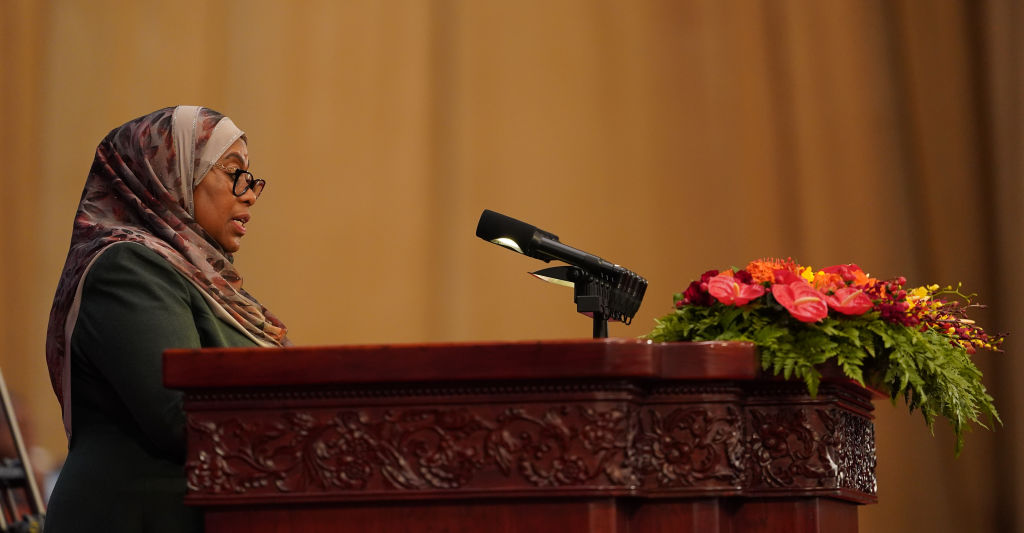
Two EU institutions are clashing over whether to disburse over €100 million in development funds to Tanzania, where there is mounting concern about human rights violations by the government.
Over 500 people died in a violent crackdown on protests after elections in the East African country in late October 2025. MEPs are set to escalate their discontent that the European Commission is committing €156 million in aid funds to the country.
“Tanzania has seen serious democratic backsliding, political repression and violations of fundamental rights,” David McAllister, the chair of the Parliament’s foreign affairs committee told Euractiv’s newsletter Rapporteur.
“Yet, the revised plan contains no meaningful conditionality and no clear consequences if the situation continues to deteriorate.”
Tundu Lissu, the country’s democratic opposition leader, has been imprisoned for over a year on charges that MEPs alleged are politically motivated.
Last year the Commission suspended the envelope of €156 million following an outcry from Parliament, and pledged to make tweaks to the way the funds would be disbursed.
But MEPs, including Barry Andrews, the chair of the development committee, do not think the Commission has sufficiently addressed the problems. The EU executive has proposed taking the management of the funds out of the direct control of the government.
A draft resolution criticising the Commission’s proposal garnered broad cross-party support in the development and foreign affairs committees on Wednesday, with 81 voting in favour, 1 against and four abstaining. The full plenary will vote on it this month. The Parliament cannot force the Commission to change tack, however.
“The Commission and the European External Action Service have failed to effectively demonstrate that they have addressed the real concerns,” the draft states.
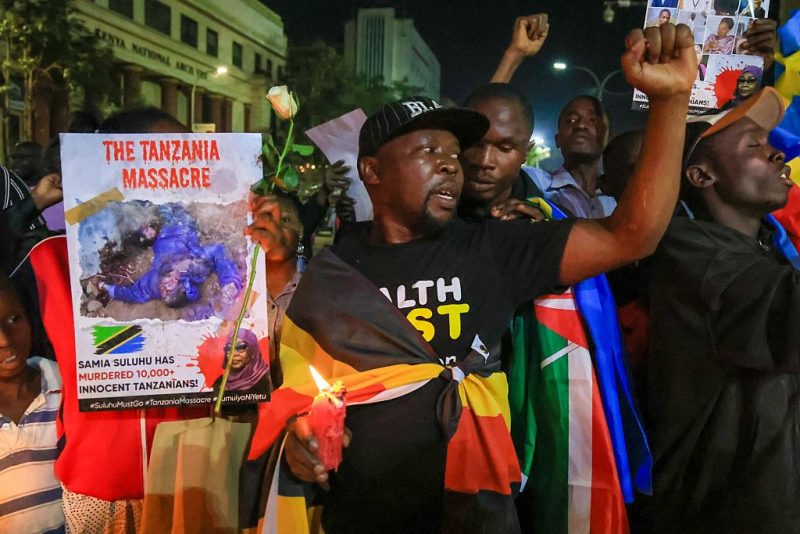
In May,2026 Tanzania postponed a planned official visit by MEPs from the human rights subcommittee, provoking a furious response from Mounir Satouri, a leading Green MEP.
“We regret the lack of willingness by the Tanzanian authorities to engage in good-faith dialogue, especially against the backdrop of a deteriorating human rights situation and crackdowns on the democratic opposition,” said Satouri

Moisemusajiografii
JF-Expert Member
- Nov 3, 2013
- 55,705
- 104,843
Acha hasira madako na uwaombe wajinga wenzako warekebishe maujinga yao.Mungu Wabariki wazungu na awalaani nyie weusi
Hiyo misaada sasa itamininika CHADEMA Au kijijini kwenu.? Unafurahia nn sasa wakati mishahara na posho za Samia ziko palepale!Mlaumu muuaji sio mimi.
Ila nyie wanaoomba Mungu Wabariki Wazungu ndo mna akili?Acha hasira madako na uwaombe wajinga wenzako warekebishe maujinga yao.