Nairobi the undertaker
View attachment 438204
Myth shattered: Kibera numbers fail to add up
Friday September 3 2010
By MUCHIRI KARANJA
pmuchiri@ke.nationmedia.com
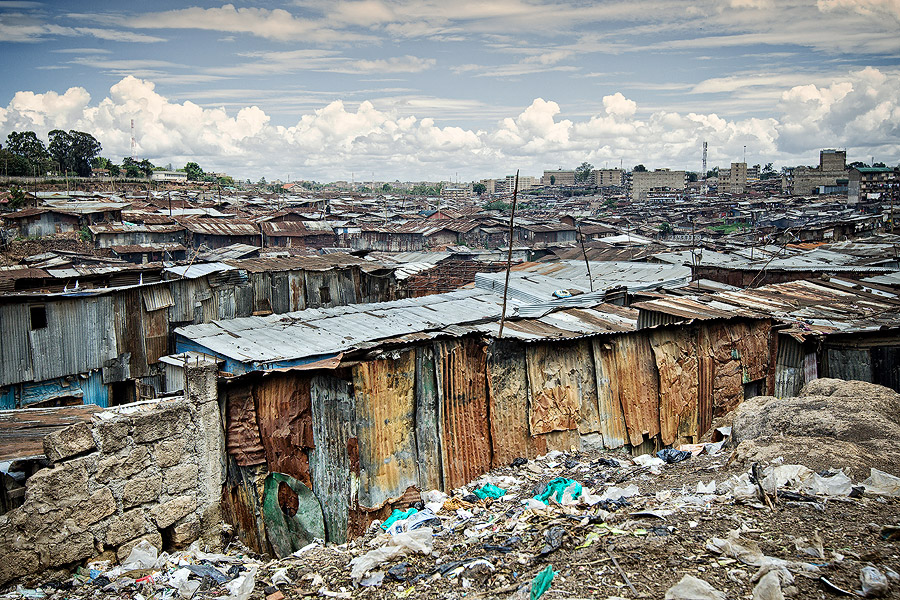
It has been billed as Africa’s biggest slum and even by some accounts, the world’s largest. Some say it is home to two million people, others a million.
But the
2009 Kenya Population and Housing Census results released this week make everything you have heard about the size of Kibera improbable. Numbers do not lie, and figures from the 2009 census indicate that Kibera barely makes it to Nairobi’s largest slum.
According to the census figures, the eight locations that form Kibera slums combined host a paltry 170,070. These include Lindi, the largest, with 35,158 people; Kianda (29,356); Laini Saba (28,182); Makina (25,242); Gatwikira (24.991); Siranga (17,363); and Kibera (9,786).
Located five kilometers from the city centre, Kibera forms less than half of Langa’ta constituency. In the list of most populated constituencies, Lang’ata (185,836) comes third after Embakasi (925,775) and Kasarani (525,624).
Another major city slum, Mukuru Kwa Njenga, in Nairobi West with 130,402 people is slowly edging towards the largest slum in Kenya status. Throw in Mathare slum in Nairobi North with 87,097 people and you begin to understand why Kibera has never been Africa’s largest slum.
For a long time Kibera has been touted as Africa’s largest slum, with various ‘experts’ putting its population at anything between one and two million. But the slum does not hold a candle to India’s Pharavi with one million. Brazil’s Rocinha Farela with a quarter million is probably the closest rival.
Related Content
Yet, the United Nations states that up 16 million Kenyans live in Slums. In its report titled Percentage Change in Slum Populations in Africa between 1990 and 2010, UN Habitat states that between 40 and 50 per cent of Kenyans live in slums. And Kibera has always been used as an illustration of Kenya’s slum life.
It turns out to one big lie. Not even the combined population living in all of Kenya’s slums comes anywhere close to the largest slum in Africa. According to the census, the total number of Kenyans living in slums is 618,916. “The population of people living in informal settlements has been exaggerated for a long time now,” says Kenya’s top census official, Dr Anthony Kilele.
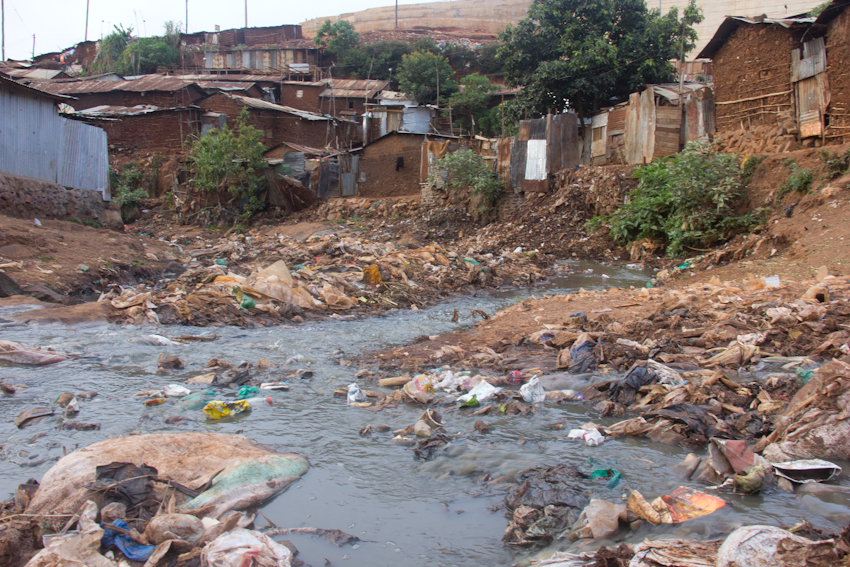
Erasing the Kibera lie from history will need one enormous eraser. The lie has been fed to all, from poor residents of the slum who have since grown accustomed to flashing camera lights from tourists taking shots of “the biggest slum in Africa,” to schoolchildren who cram the lie everyday in geography classes.
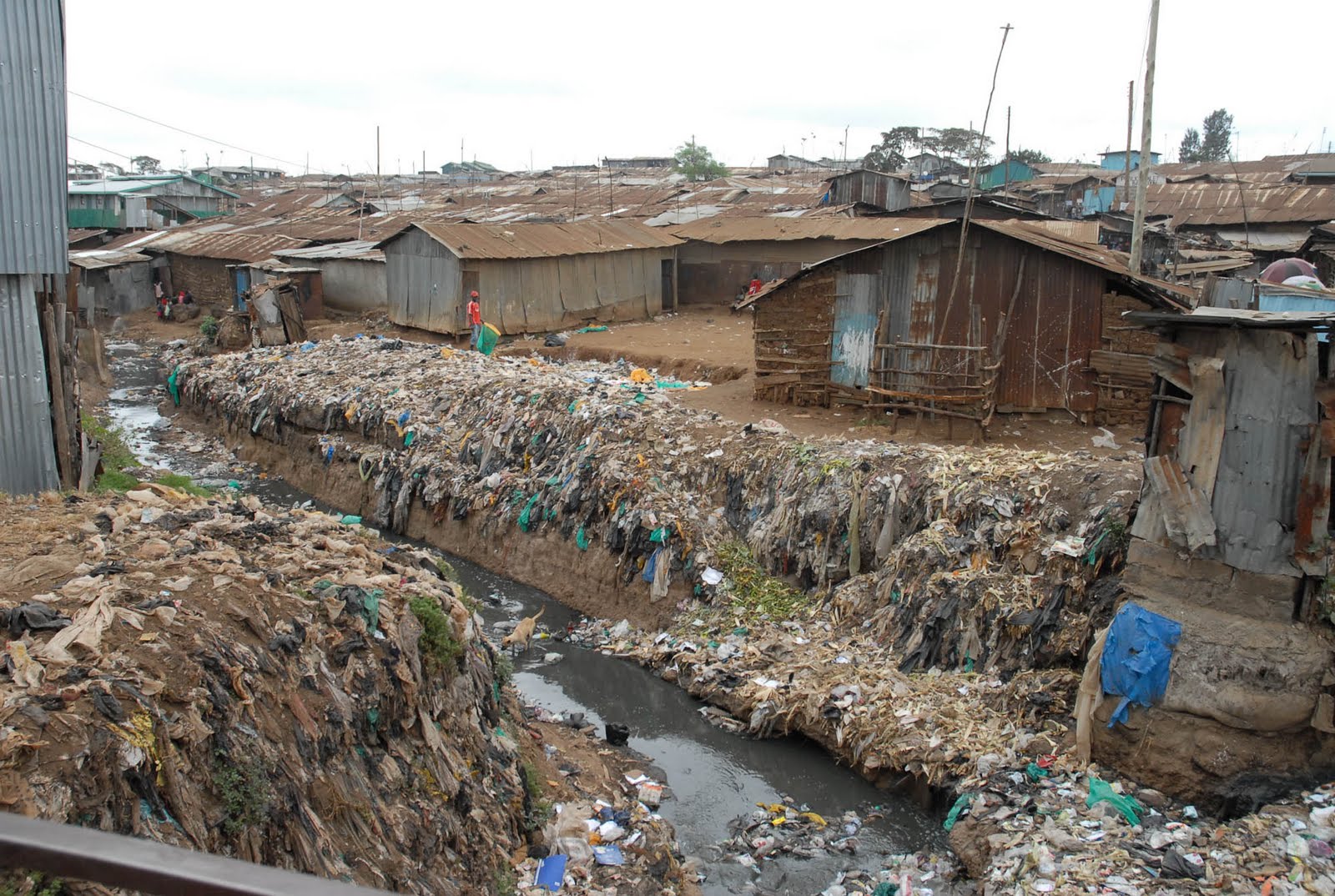
The lie has spread faster abroad, luring scores of big names, who brave the open sewers of Kibera to return home with tales of “how the world needs to help Africa’s biggest slum.” In 2006, President Barrack Obama, then a US senator, went to see Kibera, “the biggest slum in Africa,” so did his foreign policy secretary, Mrs Hilary Clinton, British Prime Minister Gordon Brown, United Nation’s Secretary-General Ban Ki-moon.
They came, they saw, they believed a lie! Perhaps they can be forgiven. Major media outlets have never made an effort to correct the Kibera lie. From the BBC to the ABC, they carried the “Biggest slum in Africa” lie. The National Geographic put Kibera population at between half a million and one million. Even the local press refers to Kibera as a “sprawling slum”
Yet by all definitions, Kibera might only be a slum for less than 200,000 tenants; but to the landlords it remains the most profitable property business in town. According to a UN report, over 90 per cent of Kibera residents pay an estimated Sh4.5 billion every year to the real owners of Kibera. This makes the Kibera a sociological paradox-a slum to the poor, a gold mine to the rich.
And it is not just the landlords who are making a killing from this big lie. Moved by the sight of “the world’s biggest slums” celebrities whip up donor organisations abroad to pump in millions of dollars into the shanties. The billions have turned Kibera into a play field of philanthropists.
According to Mr. Tom Aosa, the leader of Community Based Organisations, there are between 6,000 and 15,000 community-based organisations working in Kibera. That is one charitable organisation for every 15 residents of Kibera. Throw in an estimated 2,000 governmental organisations, and you get a rough idea exactly how the billions of shillings pumped into “the biggest slum in the world” are spent.
But according to Mr Aosa, Non-Governmental Organisations are not cashing in on the “biggest slum in the world” lie. Not as much as the political machinery. “We are aware that Kibera is not the largest slum in the world, but it is not us with the statistics, it is the government,” says Mr. Aosa.
But not everyone swallowed the “Biggest slum” lie. Long before the Kenyan government ventured into Kibera to ascertain the true population, an outfit called the Map Kibera Project came very close to unearthing the “Biggest Slum in Africa” lie. After mapping one of the nine villages of Kibera, Prof Stefano Marras, an Italian sociologist and social researcher said: “Considering that its area of Kibera is set between 2.3 and 2.5sqKm, the total population living in the slum can be most likely estimated between 220,000 and 250,000 people.”
Marras was almost right. He came very close to the official government census figures, closer to dismantling the “the biggest slum in Africa” lie. Experts in numbers say unveiling this lie will drive some non-governmental organisations out of business. That of course depends on how many foreign donors had swallowed the “biggest slum in the world” lie, and how many will start demanding answers on how their money was spent.
As for thousands of foreign visitors who trooped in to see the “Biggest-Slum-in-Africa:” You swallowed one big lie, hook and bait!
email print