Uzi maalum wa kupeana Likes: Comment chochote upate "Like"
You are using an out of date browser. It may not display this or other websites correctly.
You should upgrade or use an alternative browser.
You should upgrade or use an alternative browser.
Uzi maalum wa kupeana Likes: Comment chochote upate "Like"
-
Thread starter
Medecin

- Start date

andjul
JF-Expert Member
- Dec 14, 2013
- 19,383
- 121,663
Jamani jamani jamaniiii!!! Yegomasika haujalala kweli mpaka SAA hii????Kichwa cha migraine, au kile kinachotibiwa na mlonge?

Numbisa
JF-Expert Member
- Dec 12, 2016
- 348,970
- 1,252,247
Numbisa
JF-Expert Member
- Dec 12, 2016
- 348,970
- 1,252,247
Numbisa
JF-Expert Member
- Dec 12, 2016
- 348,970
- 1,252,247
Numbisa
JF-Expert Member
- Dec 12, 2016
- 348,970
- 1,252,247

mzee wa liver
JF-Expert Member
- Dec 14, 2014
- 83,467
- 431,962
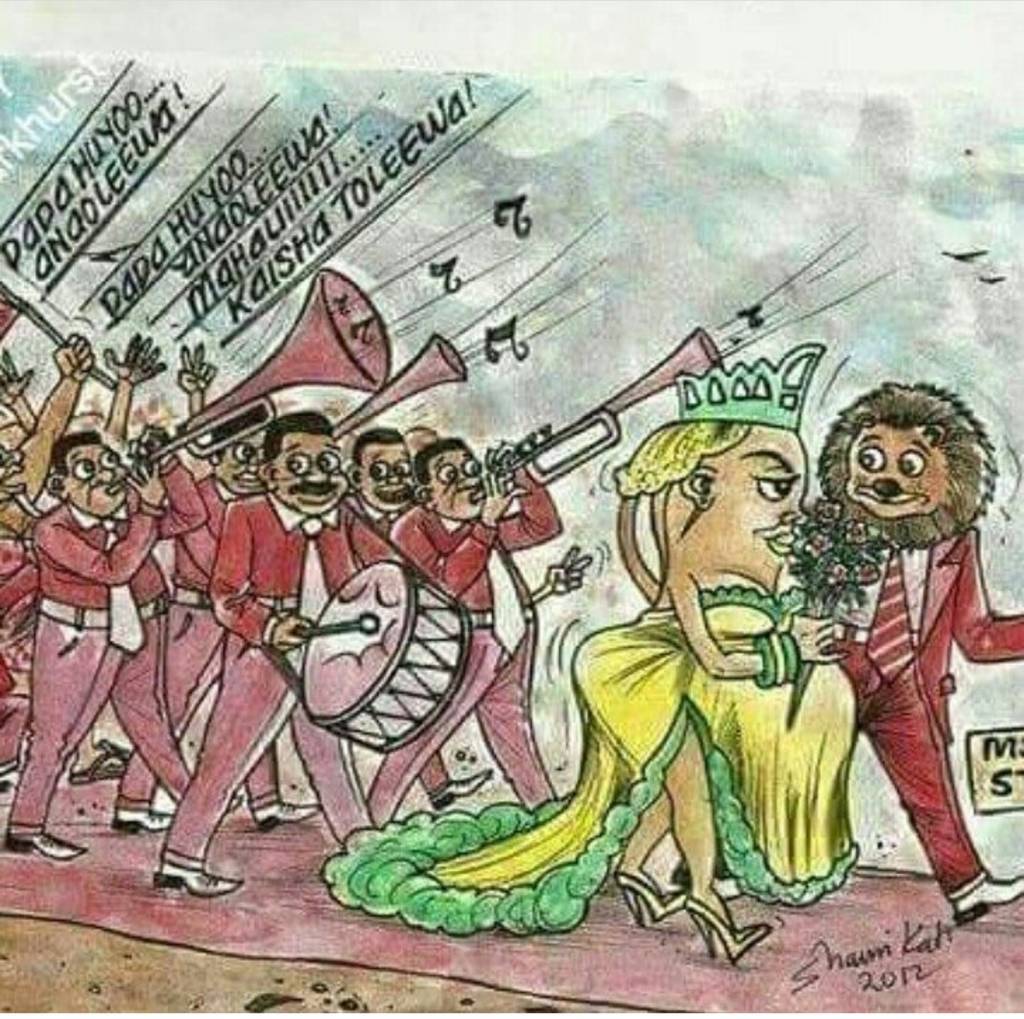
Leo tabu kweli

Shimba ya Buyenze
JF-Expert Member
- Dec 22, 2014
- 183,580
- 1,105,911
404. What are magnetars?
A magnetar is a type of neutron star with an extremely powerful magnetic field. The magnetic field decay powers the emission of high-energy electromagnetic radiation, particularly X-rays and gamma rays.
A magnetar is a type of neutron star with an extremely powerful magnetic field. The magnetic field decay powers the emission of high-energy electromagnetic radiation, particularly X-rays and gamma rays.
Shimba ya Buyenze
JF-Expert Member
- Dec 22, 2014
- 183,580
- 1,105,911
402. What is Carbon Footprint ?
A carbon footprint is defined as: The total amount of greenhouse gases produced to directly and indirectly support human activities, usually expressed in equivalent tons of carbon dioxide (CO2).
Typically, a carbon footprint is calculated by estimating not just the CO2 emissions that the activity in question causes, but also any emissions of other greenhouse gases (such as methane and nitrous oxide) and in some cases other types of climate impacts as well, such as vapour trails from aeroplanes.

ASA 1
JF-Expert Member
- Aug 20, 2017
- 234
- 568
hebu nijaribu na mimi nione!!Uzi huu ni maalum kwa wale wapendao kupeana likes. Hapa hata ukicomment herufi moja tu utapata like yako saaafii! Karibuni wadau

Cole Williams
JF-Expert Member
- Jun 1, 2016
- 35,345
- 201,629
[emoji23] [emoji23] [emoji23] [emoji23] [emoji23] [emoji23] [emoji23] [emoji23] [emoji23] [emoji23] [emoji23] [emoji23] [emoji23] [emoji23] [emoji23] [emoji23] [emoji23] [emoji23] [emoji23] [emoji23] [emoji23][emoji124] [emoji124] [emoji124] Ujana ni maji ya moto,kesha niunguza nateketea...[emoji445] [emoji444] [emoji443] [emoji445] [emoji444] [emoji443] [emoji444] [emoji445]
CantstopwontStop
mzee wa liver
JF-Expert Member
- Dec 14, 2014
- 83,467
- 431,962
Labda kwako[emoji23] [emoji23] [emoji23] [emoji23]Hofu imetanda kwetu[emoji23] [emoji23] [emoji23] [emoji23] [emoji23]
Shimba ya Buyenze
JF-Expert Member
- Dec 22, 2014
- 183,580
- 1,105,911
400. What is Geo Thermal Energy ?
Geothermal energy is the heat from the Earth. It's clean and sustainable. Resources of geothermal energyrange from the shallow ground to hot water and hot rock found a few miles beneath the Earth's surface, and down even deeper to the extremely high temperatures of molten rock called magma.
Geothermal energy is the heat from the Earth. It's clean and sustainable. Resources of geothermal energyrange from the shallow ground to hot water and hot rock found a few miles beneath the Earth's surface, and down even deeper to the extremely high temperatures of molten rock called magma.
andjul
JF-Expert Member
- Dec 14, 2013
- 19,383
- 121,663
Hivyo ndivyo ilivyo andikwa kweli?Sheild
Shimba ya Buyenze
JF-Expert Member
- Dec 22, 2014
- 183,580
- 1,105,911
399. How does the baby breathe in uterus?
A baby does not need to breathe in the uterus. Everything that it needs for it's growth is provided to it by its supply line: the umbilical cord. This cord connect the blood circulation of child with mother. The foetus gets nutrition and oxygen through the umbilical cord. The waste products of the foetus are thrown out into the blood circulation of mother and are excreted by mother. After the birth of the baby, the umbilical cord is no longer required and cut off.
A baby does not need to breathe in the uterus. Everything that it needs for it's growth is provided to it by its supply line: the umbilical cord. This cord connect the blood circulation of child with mother. The foetus gets nutrition and oxygen through the umbilical cord. The waste products of the foetus are thrown out into the blood circulation of mother and are excreted by mother. After the birth of the baby, the umbilical cord is no longer required and cut off.
mzee wa liver
JF-Expert Member
- Dec 14, 2014
- 83,467
- 431,962
Naona umeumia sanaTimu tangu utoton hii
Shimba ya Buyenze
JF-Expert Member
- Dec 22, 2014
- 183,580
- 1,105,911
398. How is Glass made ?
Glass is made by melting together several minerals at very high temperatures. Silica in the form of sand is the main ingredient and this is combined with soda ash and limestone and melted in a furnace at temperatures of 1700°C. Other materials can be added to produce different colours or properties.
Glass is made by melting together several minerals at very high temperatures. Silica in the form of sand is the main ingredient and this is combined with soda ash and limestone and melted in a furnace at temperatures of 1700°C. Other materials can be added to produce different colours or properties.
mzee wa liver
JF-Expert Member
- Dec 14, 2014
- 83,467
- 431,962
AminaMuwe na usiku mwema wote[emoji8][emoji8]View attachment 573565
andjul
JF-Expert Member
- Dec 14, 2013
- 19,383
- 121,663
[emoji23] [emoji23] [emoji23] [emoji23] [emoji23] [emoji23] [emoji23] [emoji23] [emoji23] [emoji23] [emoji23] [emoji23] [emoji23] [emoji23] [emoji23] [emoji23] [emoji23] [emoji23] [emoji23] [emoji23] [emoji23] mwambie poti akae mbali na mambo hayoUnder 18 utashindwa kusoma [emoji23] [emoji23] [emoji23] [emoji23]

myoyambendi
JF-Expert Member
- Sep 13, 2013
- 174,811
- 721,144
23:33