Echolima1
JF-Expert Member
- Nov 2, 2019
- 9,662
- 8,023
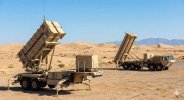
Marekani imeidhinisha uuzaji wa makombora 5,250 ya Patriot na THAAD kwa Bahrain, Kuwait, Qatar na Falme za Kiarabu kama sehemu ya juhudi kubwa ya kujaza akiba ya ulinzi wa anga wa Ghuba.
Hatua hii inafuatia matumizi makubwa ya vizuizi vya makombora ili kukabiliana na mashambulizi ya makombora ya balistiki na ndege zisizo na rubani za Iran, ambayo yalipunguza kwa kiasi kikubwa hesabu za kikanda na Marekani.
Vifurushi hivyo ni pamoja na vizuizi vya Patriot PAC-3 MSE na PAC-2 GEM-T, pamoja na vizuizi vya THAAD na vifaa vya usaidizi, na kuimarisha uwezo wa ulinzi wa anga wa mataifa manne ya Ghuba. Qatar na Bahrain tayari zimepokea idhini za kibinafsi za Marekani kwa ununuzi mkubwa wa makombora ya Patriot, huku vifurushi vya ziada vikitarajiwa kwa wapokeaji wengine chini ya juhudi kubwa ya kujaza tena.
Idhini hizo ni sehemu ya mkakati mpana wa Marekani wa kurejesha haraka uwezo wa ulinzi wa makombora washirika huku ikipanua uzalishaji wa ndani wa vizuizi vya Patriot na THAAD.
===========
Amid the growing tensions in West Asia, reports are emerging that the United States has approved the sale of 5,250 Patriot missile interceptors to Bahrain, Kuwait, Qatar, and the United Arab Emirates with the aim of building the countries' stockpiles. The move is coming at a time when supplies of the weapon system are seeing depletion worldwide.
Apart from this, the US is also pressing ahead with talks on allowing Ukraine to make Patriot interceptor missiles, even after President Donald Trump said that he has not approved such a deal as of now, sources close to the matter told Reuters. The talks in question include an option for Ukraine to build some components for final assembly elsewhere in Europe.
The system is popular worldwide because it has different capabilities depending on the type of interceptor used. The earlier PAC-2 interceptor uses a blast-fragmentation warhead that detonates in the vicinity of a target, while the PAC-3 family of missiles uses more accurate "hit-to-kill" technology to physically collide with the target.
In July this year, Lockheed introduced a new interceptor, the PAC-3 Adapted Capability Effector (ACE), which it says will cost half as much while still being able to target short-range ballistic missiles, aircraft and cruise missiles. The system's radar has a range of over 150 km (93 miles) and can simultaneously track up to 100 potential targets, the North Atlantic Treaty Organisation (NATO) said in 2015.
Source: FirstPost