Kumbukumbu April 13, 2021 toka Dodoma bunge la bajeti:
13 Apr 2021
Mbunge wa Mvumi (CCM), Livingstone Lusinde amewashukia wabunge na viongozi wanaopinga mambo mazuri yaliyofanywa na Rais wa awamu ya tano wa Tanzania, Hayati John Magufuli. Lusinde ameyasema hayo leo Jumanne Aprili 13, 2021 alipokuwa akichangia mapato na matumizi ya fedha ya ofisi ya waziri mkuu na taasisi zake mwaka 2021/22. Amesema haiwezekani kuwa na amani na utulivu wakati kuna watu wanamsema vibaya Magufuli akibainisha kuwa haiwezekani kuwa na viongozi wanaojaribu kupinga mambo mazuri yaliyofanywa na Magufuli.
Livingstone Lusinde ana wasiwasi na uimara wa chama dola CCM baada ya mwenyekiti mbabe aliyekuwa anaendesha chama kama jeshi la mtu mmoja kufariki. Sasa kuna mgongano wa wazi ndani ya chama chenyewe cha CCM mara wasomi vs darasa la saba. CCM asilia vs CCM wakuja n.k
Katika vyama vyote vya siasa vilivyosajiliwa Tanzania kwa muda huu 2021, CCM ni chama dhaifu kupita vyote kwa sasa, hata cha CHAUMA chini ya mwenyekiti mzee Hashim Rungwe ni chama thabiti kuliko CCM.
Sababu ni kuwa mwendazake baada ya kuua mihimili ya dola, mahakama na bunge akamalizia kukimaliza chama kilichomweka madarakani. Muda huu CCM haina Mwenyekiti wa Taifa wala Katibu Mkuu wa chama.
Hali hii imefikiwa kwa vile CCM ilishindwa kumdhibiti mwendazake kufanya mambo yake ya kuwaondoa vigogo tishio ndani ya CCM na kuleta "wageni" na kuwazawadia vyeo kwa sharti wamuimbie mapambio anayopenda kusikia.
Kina Bashiru Ally Kakurwa, Humphrey Polepole ni aina ya viongozi ambao viongozi walikuwa hawawezi kumuambia chochote Mwenyekiti ambacho wao wanaamini kinyume na kama kina Nape Nnauye , January Makamba na hata wazee kama Yusuf Makamba, Abdulrahman Kinana.
Tukija katika dola, mwendazake aliiyumbisha na kuivuruga kabisa mfumo wa utumishi serikalini yaani civil service. Aliwachukua watu wasio na ujuzi wa utumishi serikalini na kuwapachika vyeo vya u DED, Makatibu Wakuu na kujaribu kuhitimisha pigo kuu la kuua utumishi serikalini kwa kumuapisha Dr. Bashiru Ally Kakurwa kama Katibu Mkuu Kiongozi ambaye ktk historia ndiye Katibu Mkuu aliyekuwa hana uzoefu kabisa ktk utumishi wa serikali kuu.
Tukija katika mhimili wa Mahakama tuliona alivyouburuza na kuwapa vyeo vya ujaji kwa vigezo dhaifu mfano kuandika hukumu kwa kiSwahili huku kesi hiyo ikiwa ni nyepesi mno.
Bunge pia lilipelekeshwa kwa Spika kuelekezwa kuwashughulikia wabunge wake kwa kuwatoa nje ili waje kushughulikiwa na mwendazake nje ya Bunge. Wabunge wa CCM pia hawakuepuka kipigo cha kisiasa toka kwa mwendazake, ktk kuelekea uchaguzi wa 2020 walishughulikiwa na 'wajumbe' na kama waliweza kupenya walikutana na rungu la Mwenyekiti wa CCM.
Vyeo katika ngazi za uwaziri tumeona waliojiunga mwishoni ktk CCM toka vyama mbadala walitunikiwa vyeo huku wale waliokulia ktk UVCCM na Jumuiya za CCM toka utotoni wakiambulia kuwa backbenchers. Yote hii ilikuwa kuonesha CCM imekufa na sasa mtu mmoja ndiyo kila kitu hivyo wasifurukute au kuwashwa kuhoji au kutoa mawazo mbadala.
Tanzania ilikuwa inaelekea kubaya, lakini kama uzi huu ulivyotabiri wa
mwana JF Mvuv, inaonekana ndani ya CCM ndiyo kulikuwa na fukuto kubwa la kutokubaliana na kinachoendelea na sasa tunasikia baada ya mwendazake kuondoka, wabunge wa CCM na SPIKA mwanaCCM wanaanza kutoa maoni ambayo yanaonekana na waimba pambio wa mwendazake kuwa ni unafiki.
Swali kuu sasa 2021 April 12 ni kuwa je zoezi la kumtafuta Mwenyekiti wa Taifa CCM na Katibu Mkuu CCM litakwenda kwa utulivu mkubwa wa kisiasa ndani ya Halmashauri Kuu ya CCM NEC na Kamati Kuu yake na hatimaye chama kuibuka kuweza kuwadhibiti wanachama wake wote ikiwemo Mwenyekiti wao wa CCM.
Yetu ni masikio na macho, wakati utazungumza kama uzi huu wa
Mvuv unavyotuambia.
When Dictators Fall: Preventing Violent Conflict During Transitions from Authoritarian Rule
Conflict Prevention and Management
OUTLINE
UN Photo/Albert González Farran
EXPECTED END DATE:2020•03•25PROJECT STATUS:Completed
UNU-CPR RESEARCHERS: Adam Day, Luise Quaritsch
EXTERNAL RESEARCHERS: Dirk Druet
Why does one country peacefully transition out of authoritarian rule while another falls into violent conflict, and what can the UN do to influence pathways away from violence?
This paper concerns the transitions out of entrenched authoritarian rule, the often volatile moments when new leadership comes into power.
Some transitions take place peacefully, largely within constitutional order, but others may descend into civil unrest or even escalate into all-out civil war. In support the UN’s prevention mandate, this project is driven by the question, why does one country peacefully transition out of authoritarian rule while another falls into violent conflict, and what can the UN do to influence pathways away from violence?
This project draws on scholarship around authoritarianism and neo-patrimonial States as well as original research by United Nations University Centre for Policy Research into entrenched political systems. It identifies four key factors that may influence whether a transition tends to result in violent conflict
Entrenched authoritarian systems are those where a leader or group has centralized power and resources in a manner that limits meaningful political and economic inclusion, instrumentalizes key State institutions, reduces democratic space and often allows a specific individual to remain in power well beyond typical constitutional limits.
- past forms of rule (democratic or authoritarian);
- the way in which a political system transitions (e.g. through a coup, election, death, transfer of power or popular uprising);
- the fate of the individual leader, including questions of personal property and accountability for human rights abuses; and
- economic performance and the degree of inequality within a given society.
It further finds that, while all regime types have experienced both violent and peaceful transitions, those that are highly personalized (vesting power in an individual rather than institutions) tend to experience greater difficulties in moving into inclusive forms of governance, which may influence longer-term prospects for peace.
In exploring a comprehensive set of cases over the past 30 years, this project also makes some broader (and often counter-intuitive) findings about the role of violence in such transitions.
The transitions that occurred with the lowest levels of violence were in systems with some of the poorest governance indicators. In fact, countries at various points on the governance scale witnessed transitions that brought about dramatic and sustained change in the distribution of power with little or no violence, a finding which suggests that the quality of governance may not be directly linked to violence levels in transitions.
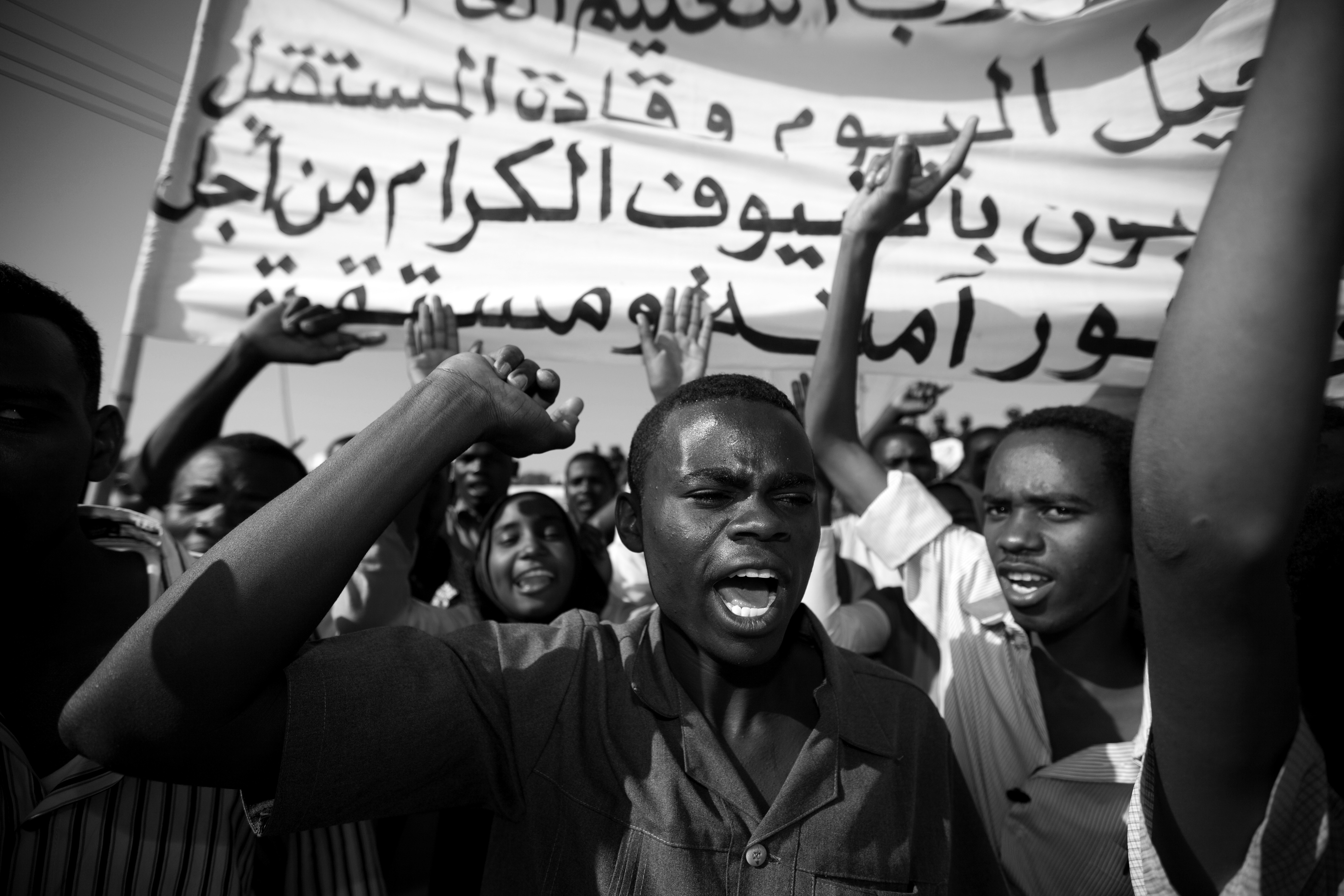
In contrast, two factors did appear to correlate with relatively high levels of violence: those involving foreign intervention, and transitions triggered by public uprisings. The significant rise in frequency of popular uprisings as the dominant form of transition in recent decades has meant that transitional moments have become more prone to large-scale violence. These findings raise significant questions about the role of external actors in transitional processes, and how the international community might engage before, during and after changes in leadership.
These trends in transitions present a complex and interrelated set of challenges for the UN, which often must balance its prevention mandate alongside respect for sovereignty and host State consent. The UN is often poorly placed to ramp up its prevention activities in entrenched authoritarian systems, in part because national leadership tends to be strongly resistant to engagement on politically sensitive subjects.
Additionally, these systems tend to have weak and/or highly politicized institutions, raising dilemmas for UN efforts to build institutional capacity as a hedge against violent conflict. UN leverage over the political leadership in-country is frequently constrained, given that authoritarian leaders tend to be isolated and less susceptible to traditional forms of pressure (e.g. sanctions or moral pressure). That said, there is strong evidence from this project’s case studies that the UN has engaged in creative and impactful practices in transitional settings, helping to reduce the risks of violence and building bridges towards longer-term outcomes.
Based on these findings,
the paper offers twelve conclusions and recommendations for the UN when confronted with transitional moments from entrenched authoritarian rule.
READ THEM
Source :
When Dictators Fall: Preventing Violent Conflict During Transitions from Authoritarian Rule - United Nations University Centre for Policy Research
767 Third Avenue, 35th Floor
New York, NY 10017
United States