Dar es Salaam ilikuwa Mecca ya vyama vya ukombozi, pia jiji la mapigano baina ya vyama hasimu vya ukombozi Afrika ya Kusini

Dar es Salaam ilikuwa Mecca ya vyama vya ukombozi, pia jiji la mapigano baina ya vyama hasimu vya ukombozi Afrika ya Kusini

November 2025

Kanali Samson Mande arudi Nyumbani Kutoka Uhamishoni Sweden, baada ya kupakaziwa kashfa Dar es Salaam
1763113871095.jpeg

Picha : Kanali Samson Mande

Rais Yoweri Kaguta Museveni amsifia kanali Samson Mande kwa mchango katika harakati za ukombozi wa Uganda, akibainisha utumishi wake kama skauti wa kujitolea wa Kikosi Kazi cha TPDF / JWTZ chini ya Meja Jenerali Silas Mayunga mwaka 1979, na baadaye kama kamanda wa Kikosi cha 15 wakati wa Kuzingirwa kwa mji wa Masaka mwaka 1985.

"Nakumbuka Samson Mande mwaka 1979 akifanya kazi kama skauti wa kujitolea katika Kitengo cha Kikosi Kazi cha TPDF / JWTZ chini ya Meja Jenerali Silas Mayunga huko Mbarara.

Nilikuwa nikiongoza kikosi cha wanajeshi 9,000 cha FRONASA. Baadaye, Col. Mande alifanya kazi nzuri kama kamanda wa Kikosi cha 15 katika eneo la kuzingirwa kwa 1985 huko Weentsaka," alisema. alisema mheshimiwa Yoweri Museveni akikumbushia utumishi uliotukuka wa kanali huyu aliyerejea kutoka uhamishoni.

Sakata la kanali Samsom Mande kuingia matatani dhidi ya Rais Yoweri Museveni ni pale kanali huyo akiwa mwambata wa kijeshi (military attache) mwaka 1993 katika ubalozi wa Uganda mjini Dar es Salaam Tanzania kutuhiwa na wakubwa wake kuwa amefisidi US$ 2,000,000 kutoka akaunti ya ubalozi ambazo zilikuwa maalum kwa ajili ya kukomboa clearance za silaha za jeshi la UPDF kutoka bandari ya Dar es Salaam

Kanali Samson Mande anakanusha kashfa hiyo na kusema ni michezo michafu ndani ya vyombo vya dola kutaka kumwandana ili kumchafua.

Cha kushangaza alivyoamua kurudi Uganda kusafisha jina lake alikamatwa na kuwekwa kizuizini katika nyumba ya kiraia ya kigogo mmoja wa serikali badala ya kutupwa korokoroni katika jela ya kijeshi (mlilitary jail) au kutiwa ndani ya mahabusu ya gereza la kawaida.

Hii inashangaza sana mtuhumiwa badala ya kuingizwa mahabusu ya magereza au ya kijeshi badala yake ninafungiwa katika jumba la kifahari la kigogo. Sakata hilo likasababisha akimbilie uhamishoni.

Exclusive interview baada ya kurejea PART 1 :

View: https://m.youtube.com/watch?v=qVxhPCZadrg
Col. Samson Mande: Why I fled Uganda and how I reconciled with Museveni
RO 69 Col. Samson Mande, one of the founding members of the National Residence Army (NRA), has returned to Uganda after 24 years in exile.

“I have never had any problem with President Yoweri Kaguta Museveni. I had no reason and I have no reason to fight him,” said Col. Mande who has been in exile since 2001.

During a media interview with Col. Mande conducted on Monday 6th October, 2025, the bush war hero revealed that before going into exile, he served in several capacities in the army before and after the 1981-1986 Liberation War that ushered the NRA/M government into power.

“I fought on several fronts in the Bush war; I’m the one who commanded the Task Force unit (Black Bomber) in the famous Luwero Triangle 1983 -1984, the 15th battalion of NRA which fought on two fronts ( Fort Portal-Hoima-Masindi , Kasese-Mbarara-Masaka-Katonga –Kampala) and led the capture of Gulu in 1986 in the 1981-1986 NRA war against the UNLA forces,” he said.

“When the war settled in 1986, I became the Liaison Officer for the British Training and Advisory Team (BMATT) and during that period I also did a course in military Logistics.”

In 1987, Col. Mande says he was appointed the Director of NRA Combat Logistics and Member of the Court Martial and in the subsequent year, he was appointed as Chairman of the same court, tasked to adjudicate military offenses under the military law.

“I was the first NRA officer to go for advanced military training , I went to the Joint command and Staff College at Jaji – Kaduna in Nigeria where I graduated with the symbol and the humor of PSC,” he said.

“In 1990, I was tasked to establish the first Junior Staff College in Kimaka, Jinja. I was the pioneer Commander of that College.”

Col. Mande further revealed that in 1991, he was given two assignments; one was to write the establishment of the army, to convert the NRA guerilla outfit into an national army – the Uganda People’s Defense Forces (UPDF) which it became.

“I’m the one who came up with that name UPDF. I cherish that moment.”

Col. Mande was also assigned as the Military Advisor (military attaché) at the Uganda High Commission in Tanzania.

Trouble comes:

All was moving on well until a nationalistic and patriotic character in Col. Mande prompted him to expose the corruption and embezzlement tendencies at the High Commission.

“The Ministry of Defence sent USD 2 million to the bank account of the High Commission and this money was to clear the Defence cargo in Dar-es Salaam to Uganda. The funds were embezzled which forced me to blow the whistle,” he noted.

“The auditors which I initiated to call came and did their part; they came up with a huge report which implicated all the culprits who took the money. The file advanced to the Public Accounts Committee (PAC) for the embezzlers had failed to answer audit queries. Unfortunately, these mafias /Kawukumi [the embezzlers] were highly connected and they walked away scot-free,” he added.

Col. Mande disclosed that instead, the whole issue turned against him, he was then falsely accused of stealing the money in question.

“They turned against me and caused my arbitrary arrest and humiliation though I wasn’t a signatory of the defence account, a vote holder or end user of the defence money and neither was I among the people whose conduct was queried by the auditors. A copy of the 1993 audit report is available.I had no hand in that. At the Embassy, I was doing only my work on Defence relations between Uganda and Tanzania,” he reassured.

“ I was arraigned before the Court Martial despite the fact that they didn’t have a case file against me. From 1994 – 2001,
I was in and out of court being persecuted instead of prosecuted,”Col. Mande recalled, adding that this was all the dirty work of the mafias he had exposed.

After failing to find him guilty of the crime he didn’t commit, Col. Mande’s persecutors resorted to concocting other criminal offenses against him.

He was then accused of treason and terrorism.

“I was tortured both mentally and physically. I was taken to Mulago General Referral Hospital for treatment which I considered inadequate and risky. I couldn’t bear it anymore.Between 1994 to 2001 I was severely and arbitrarily arrested, persecuted and not prosecuted as required by law. Considering that justice delayed is justice denied, I had to flee to find treatment and justice” he said.

“I know my persecutors and my detractors who made it impossible for me to continue serving the President and the Government of National Resistance Movement and the Uganda People’s Defense Force both of which I’m a founder member.”

Col. Mande fled to Sweden via Rwanda but he has also worked in several countries like Germany, UK and different African countries.

Reconciliation talks with President Museveni:

Col. Mande says he started engaging in talks with President Museveni in 2012 and they agreed that he should come back home.

“Unfortunately, the mafias/Kawukumi have been frustrating my coming back since then. But I thank God because He knew when I would be back and now I’m back. Who knows what would happen if I had come back in 2012? I thank H.E the President for allowing me to come back freely and peacefully”he stated.

“I also thank President Museveni that he realized that Kawukumi existed in our establishment from way back and they have been entrenching corruption and other vices in our NRM system. Given a chance I will use the technology, skills and experience and others I loaded myself with during my years of exile to help him fight the vice because it’s against our ethos as the original NRA/M values.”

“I was happy to know that President YK Museveni realized that his government had been infiltrated by the corrupt detractors and traitors and conducted a steady crackdown on the Mafias who the President often and rightly calls Kawukumi (weevils). This gave me the confidence to return home.”

Relationship with President Museveni:

Col. Mande described President Museveni as a long-time mentor and a close colleague in the Uganda Liberation wars.

Col. Mande further noted that since he is now back home, he is going to contribute more to the fundamental change which the NRA/M ushered in.

“My exile turned into a blessing in disguise. It made me better and I’m no longer bitter;During exile, I loaded myself with IT skills, business administration, Planning and management, among other skills. I acquired vital and strategic contacts to contribute to the development of Uganda. I’m back to serve the government and the nation.”

Others in exile should come back home:

Col. Mande further called upon his sympathizers, disciples especially those in exile to come back home.

“I have seen the green light; the olive branch offered by the President of Uganda and recalling his endless call for peace and prosperity I came back to my senses and changed my mind about living in exile,” he urged.

“Knowing how magnanimous President Museveni’s heart is, I came back to my senses and decided to rejoin my mentor, brother and political father. I was humbled by the way I have been so well received. I have been accorded a very well welcome that I thought I no longer deserve. The President treated me like a precious bull – enume embikkyire, in Runyakitara. I am so excited and full of tears of joy that for now I may fail in the choice of words to express my pleasure of being back home in one piece. Glory be to the Lord. In the Highest and Praise be to H.E Museveni the President of Uganda.”

Asks for forgiveness:

He asked for forgiveness from all the people who think he wronged knowingly or unknowingly and he also forgave all those who wronged him.

“If there’s anyone I wronged, please come forward, I’m here for reconciliation, peace and correction,” Col. Mande said.

“I’m also deeply touched by the death of my longtime dear comrade and brother Col. Anthony Kyakabale. I send my condolences to his family. I also send condolences to the families of comrades, my family members and relatives who died while I was away.Rest In peace to all.”

“I am happy to celebrate with you the 63rd Independence day, Long live Uganda, long leave YK Museveni, our President

Katika wakati muhimu wa siku ya kuadhimisha miaka 63 ya uhuru wa Uganda 2025, Rais Museveni alimkaribisha swahiba wake wa zamani, Kanali Samson Mande, ambaye amekuwa akiishi uhamishoni kwa miaka mingi baada ya kutofautiana na serikali.

Rais alimsifu Kanali Mande kwa kuchagua kurejea nyumbani, akielezea uamuzi wake kama ushahidi wa mtazamo wa wazi na maridhiano wa Uganda.

"Hata leo, nina furaha kumkaribisha tena Uganda yenye amani, Kanali Samson Mande, ambaye alikimbilia uhamishoni kwa sababu ya, dhahiri, fitina za ndani," Rais Museveni alisema.

"Akiwa uhamishoni, alijaribu kujihusisha katika shughuli fulani za waasi PRA . Hata hivyo, makada wetu wa NRA yaani (Jeshi la Vuguvugu la Kitaifa) waaanzilisho wa chama cha NRM walipowasiliana naye nchini Sweden, alikubali kwa furaha kurudi na kujitenga na shughuli za waasi."

Part 2 : Kanali Samson Mande Kutoka kuwa kijana


View: https://m.youtube.com/watch?v=AUNz6o1GWaU
mwenye mwamko wa mabadiliko akiwa sekondari hadi kupigana vita ya msituni , kuwa recruited kama afisa usalama na kisha kuingia msituni...

N.B
FRONASA HADI NRM
Profesa Mamdani mnamo 1979, alihudhuria Mkutano wa Moshi, Tanzania wa NRM uliowaleta Yoweri Museveni na wanaharakati wengine wa movement (vuguvugu) kufuatia Vita vya Uganda-Tanzania
 
13 November 2025
The Rise And Demise Of Somali Nationalism, By Prof Ahmed I Samatar And Prof Abdi I Samatar


View: https://m.youtube.com/watch?v=WlmjeSVELbE

More on past efforts to resolve conflict:

United Nations Secretary-General Ban Ki-moon today announced the appointment of Augustine P. Mahigaof the United Republic of Tanzania as his Special Representative for Somalia and Head of the United Nations Political Office for Somalia (UNPOS). Mr. Mahiga replaces Mr. Ahmedou Ould-Abdallah ( Mauritania) who has served in the position from September 2007.

View: https://m.youtube.com/watch?v=EDuYwknTAAI

Mr. Mahiga brings to this position many yearsof both Government and United Nations experience. He combines extensive experience in conflict management, mediation, humanitarian and recovery/development activities. In particular, Mr. Mahiga has lengthy and pertinent experience in the Horn of Africa and other parts of the continent, which will be invaluable in his new position.


Since 2003, Mr. Mahiga has served as the United Republic of Tanzania’s Permanent Representative to the United Nations in New York. In this capacity, he has been actively involved in various United Nations reform initiatives, including co-facilitating negotiations on establishing the Peacebuilding Commission (2005) and co-chairing intergovernmental consultations on System Wide Coherence reforms, including Delivering as One in eight pilot countries (2008). Ambassador Mahiga has been engaged in intergovernmental and informal working groups on issues of development, peace and security, human rights, and strengthening the partnership between the United Nations and the African Union.


Before joining the Tanzanian Foreign Service in 1983, Mr. Mahiga worked in the President’s Office as Acting Director General and Director of Research and Training from 1977–1983. He served in various capacities with the United Nations High Commission for Refugees (UNHCR), including as Chief of Mission to Liberia, Coordinator and Deputy Director of the humanitarian and refugee crisis in the Great Lakes Region, and UNHCR Representative in India, Italy, Malta, the Holy See and the Republic of San Marino.


Mr. Mahiga holds a PhD in Philosophy and International Relations from the University of Toronto, Canada. He was born on 28 August 1945 and is married with three children.


The Secretary-General expresses his deep appreciation to Mr. Ould-Abdallah for his dedicated service and exemplary leadership on Somalia over the last three years. During his tenure, Mr. Ould-Abdallah has worked hard to bring international attention to Somalia — one of the world’s worst humanitarian and political crises. Through his efforts, the people of Somalia have the Djibouti Peace Agreement, on which current peace and reconciliation efforts in Somalia are built on, as well as the recently adopted Istanbul Declaration that serves as a political pact between the International community and the Somali people on political, security, development and reconstruction issues
 
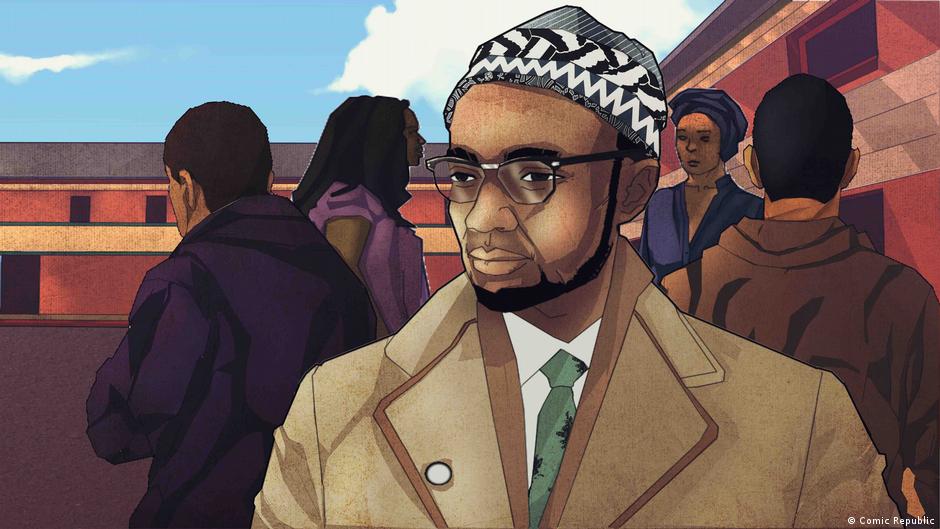
Mwanaharakati Amilcar Cabral, pamoja na 'mistari' yake mashuhuri ya kuwasilisha ujumbe kwa umma :

Yusra Buwayhid
25.07.201825 Julai 2018
Akiibuka kutoka kundi la wapigania uhuru wa Afrika, Amilcar Cabral ameiongoza Guinee Bissau na Cape Verde kuelekea uhuru kutoka watawala wa kikoloni wa Ureno. Lakini aliuliwa kabla ya kulifikia lengo lake.

SIASA

Kutana na Cabral aliyepigania uhuru kutoka ukoloni wa Ureno​

View attachment 3022732

01:26

SIASA
Yusra Buwayhid
25.07.201825 Julai 2018
Akiibuka kutoka kundi la wapigania uhuru wa Afrika, Amilcar Cabral ameiongoza Guinee Bissau na Cape Verde kuelekea uhuru kutoka watawala wa kikoloni wa Ureno. Lakini aliuliwa kabla ya kulifikia lengo lake.


MATANGAZO

Amilcar Cabral ameisihi muda gani?
Amezaliwa mwaka 1924 mjini Bafatá , Guine Bissau. Wazee wake walitokea Cape verde. Amekulia Sao Vicente
,Cape verde na kusomea fani ya kilimo mjini Lisbone. Alirejea baadae Guinea Bissau. Aliuliwa january 20 mwaka 1973 mjini Conakry nchini Guinea.
Kwanini Amilcar Cabral alikuwa maarufu?
Akiwa muasisi mwenza wa chama cha waafrika wanaopigania uhuru wa Guine na Cape Verde (PAIGC), mwaka 1956, Amilcar Cabral alichaguliwa akuwa katibu mkuu na kuziunganisha nchi hizo mbili katika mapambano dhidi ya utawala wa kikoloni wa Ureno. Chama cha PAIGC kikaiongoza Guine Bissau hadi uhuru mwaka 1973.Cabral alikuwa mpigania haki za Afrika, alikuwa pia mtaalamu wa kilimo na mtunga mashairi..Hakuwa akikubali kuigiza mitindo ya kigeni ya mapambano ambayo kwa maoni yake hayambatani na mitindo ya amani ya Guine Bissau.

Amilcar Cabral kavutiwa na nani na amewavutia akina nani?

Amilcar Cabral ameyavutia makundi menegine ya ukombozi katika nchi zinazozungumza kireno barani Afrika na ulimwenguni kwa jumla. Amechangia katika kuundwa kituo cha-Centro de Estudos Africanos, jumuia ya wanafunzi wa kiafrika wanaozungumza kireno na alikuwa na maingiliano na viongozi mashuhuri wapigania uhuru wa nchi za Afrika zinazozungumza kireno mfano wa Agostino Neto, Mário Pinto de Andrade, Marceelino dos Santos.

'Mistari' ya hoja mashuhuri za Amilcar Cabral:

"Waafrika wanatambua kwamba nyoka hata akijibadilisha ngozi, lakini anabakia kuwa nyoka."

"Hatujawahi hata mara moja kuwachanganya chungu kimoja "ukoloni wa Ureno na wananchi wa ureno". Mapambano yetu ni dhidi ya ukoloni wa Ureno."

"Atakaetaka kuniumiza atakuwa pamoja nasi, hakuna yeyote atakaekidhuru chama cha PAIGC isipokuwa sisi wenyewe."

Nani kamuuwa Amilcar Cabral?

Amilcar Cabral ameuliwa mjini Conakry na mwanachama wa chama chake mwenyewe anaesemekana kapokea amri kutoka Ureno. Lakini maafungamanio hayo yamezusha eti eti nyingi kuhusu nani hasa anabeba jukumu la kifo cha Cabral. Kuna wanaposema aliyemuuwa Amilcar Cabral anajulikana lakini aliyeamuru auliwe hajulikani.


Makala hii kwa hisani kubwa ya DW pamoja na :
Carla Fernandes and Gwendolin Hilse wamechangia kuandika makala hii. Ni sehemu ya makala maalum za mfululizo wa "Asili ya Afrika", ushirikiano kati ya shirika la DW na taasisi ya Gerda Henkel.

Mwandishi:Fernandes,Carla/Hamidou Oummilkheir
Mhariri:Yusuf Saumu
 
"Maneno matupu ya kumkera mkoloni bila ushiriki katika harakati za mapambano kwa vitendo hayaweze kutokomeza Ukoloni mkongwe na ubeberu" - Amilcar Cabral

"We are not going to eliminate imperialism by shouting insults at it." ~ Amilcar Cabral
1764237448372.png

Picha : Amilcar Cabral akiongoza mapambano Guine Bissau dhidi ya ukoloni mkongwe wa Kireno.
Image and article courtesy of Mshana Jr : Africa history made (Marejeo)
 
27 November 2025
Bissau, Guinea Bissau

JESHI LACHUKUA NCHI GUINEA-BISSAU , RAIS UMARO SISSOCO EMBALÓ AWEKWA KIZUIZINI


View: https://m.youtube.com/watch?v=Sv9d1Lv6RTI

Taifa la Guinea Bissau koloni la zamani la Portugal, lililopata uhuru wake kutoka ukoloni mkongwe wa Mreno mwaka 1974

Rais Umaro Sissoco Embaló , pia waziri wa usalama na viongozi wakuu wa jeshi yaani mkuu wa majeshi na mnadhimu kuu wa jeshi wote wamewekwa kizuizini...

Maofisa wa kijeshi waliotekeleza Mapinduzi hayo operesheni yao ilikwenda haraka huku wakichukua maeneo yote nyeti nchini humo..

Undani wa taifa hili la Afrika Magharibi kuhusu utawala, hali ya kisiasa, wapinzani kuenguliwa, mafisadi papa wanakishirikiana na chama tawala, kudhoofisha Tume ya Uchaguzi, kuingilia uhuru wa Mahakama, bunge kuwa kijiwe cha wabunge wagonga meza ikabidi jeshi kuingilia kati


View: https://m.youtube.com/watch?v=mmbZ7HNm6tA
 
1764387083815.png
"Maneno matupu ya kumkera mkoloni bila ushiriki katika harakati za mapambano kwa vitendo hayaweze kutokomeza Ukoloni mkongwe na ubeberu" - Amilcar Cabral

"We are not going to eliminate imperialism by shouting insults at it." ~ Amilcar Cabral

Picha hapo juu : Amilcar Cabral akiongoza mapambano Guine Bissau dhidi ya ukoloni mkongwe wa Kireno.
Image and article courtesy of Mshana Jr : Africa history made (Marejeo)

Amílcar Cabral – National Liberation and Culture (Full Speech, 1970)

View: https://m.youtube.com/watch?v=NgZ0OtnMM_s
In this historic 1970 lecture, Amílcar Cabral — revolutionary thinker, freedom fighter, and founder of the PAIGC (African Party for the Independence of Guinea and Cape Verde) — delivers one of the most important speeches in Pan-African history:“National Liberation and Culture.”

Speaking at Syracuse University in memory of Eduardo Mondlane, Cabral exposes the deep link between culture, resistance, and liberation. He argues that no people can be truly free unless they reclaim their culture — the living expression of their history and identity.

✊🏾 This is more than a political address — it’s a manifesto for decolonization, unity, and human dignity.

🔥 Key Themes:
✊🏿 The role of culture in resisting oppression
✊🏿 The connection between culture and economic liberation
✊🏿 The dangers of cultural alienation under colonialism
✊🏿 How liberation struggles forge new cultural identities📖 Originally delivered on February 20, 1970, at the Eduardo Mondlane Memorial Lecture, Syracuse University, USA
 

​

Amílcar Cabral: Another Valiant African REVOLUTIONARY THINKER Whose Life Was Cut Short


View: https://m.youtube.com/watch?v=vhCVArpYN0E
In this episode, we explore the life and legacy of Amílcar Cabral — the revolutionary thinker, poet, and agronomist who transformed the meaning of African liberation.Born in colonial Guinea-Bissau, Cabral understood that freedom was not only about independence, but about recovering identity and dignity.

As founder of the PAIGC, of Guinea- Bissau he led one of Africa’s most disciplined liberation movements — one built on education, culture, and consciousness as much as on weapons.“National liberation is an act of culture.”

— Amílcar CabralWe trace his journey from Lisbon’s student circles to the forests of Guinea, where he taught that culture is resistance and that truth is revolutionary.Through his writings

— Unity and Struggle, Return to the Source — Cabral called on African leaders to reject corruption, elitism, and dependency, and to serve the people with humility.Assassinated in 1973, just months before Guinea-Bissau’s independence, Cabral left behind an intellectual legacy that still challenges us today.

His words resonate across Africa and the diaspora — reminding us that the struggle for liberation is not over, and that the greatest weapon against oppression is the mind
 
The PAIGC’s Political Education for Liberation

View: https://m.youtube.com/watch?v=QUeTpo9UA2w
In this seminar, we discuss a recently published study that explores how the African Party for the Independence of Guinea-Bissau and Cape Verde (PAIGC) constructed a new education system during the struggle for national liberation, reflecting on what it meant then and what it means for contemporary constructions of political education projects and processes among left, progressive movements

Source: The Tricontinental
 
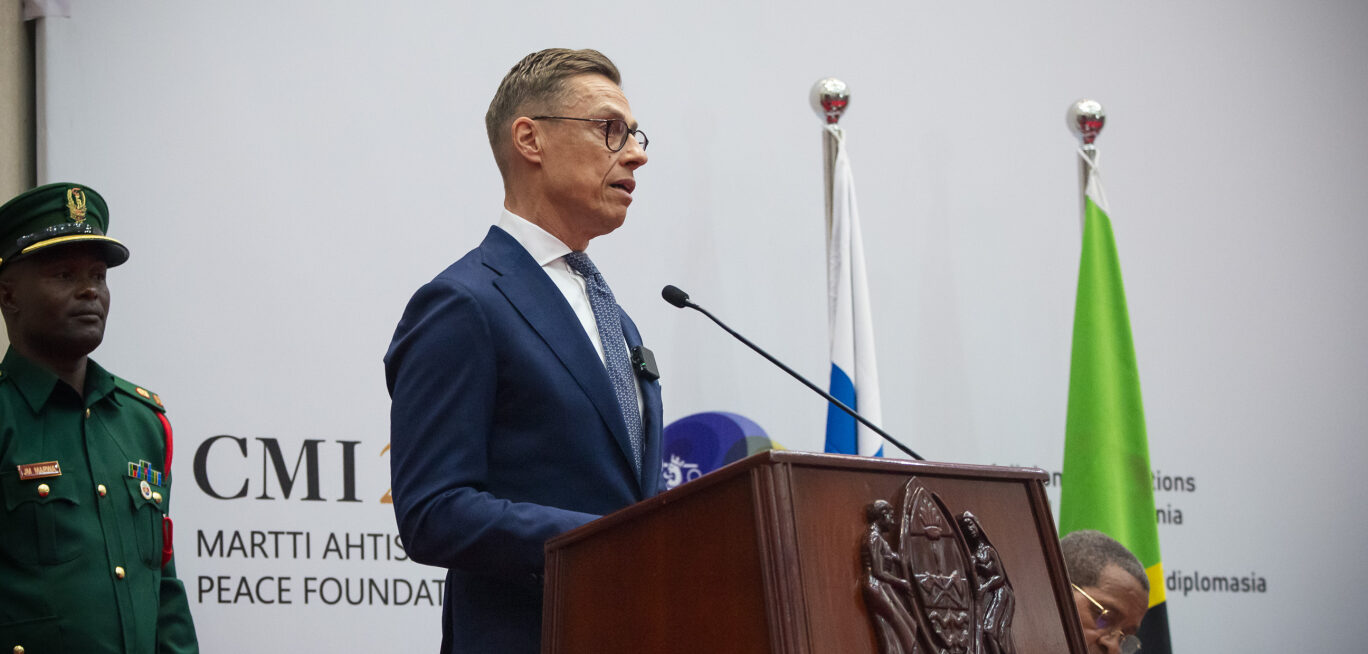
Rais wa Jamhuri ya Finland

0q0a8834-1368x654.jpg

Picha: Matti Porre/Ofisi ya Rais wa Jamhuri ya Finland

Hotuba ya Rais wa Jamhuri ya Finland Alexander Stubb katika Semina ya Urithi wa Rais Martti Ahtisaari jijini Dar es Salaam, Tanzania, tarehe 15 Mei 2025​

Hotuba

15.5.2025

Angalia dhidi ya utoaji
Waheshimiwa, Mabibi na Mabwana, Marafiki wapendwa wa Martti,

Ninahisi kuheshimiwa na kupendelewa kuwa hapa Tanzania ili kushiriki kumbukumbu za legacy ya Martti na watu ambao wamefanya kazi naye kwa miongo mingi.

Tanzania ilikuwa na nafasi ya pekee sana katika maisha na kazi ya Martti. Kwa njia nyingi, alikuwa hapa kwamba alianza kazi yake kama mpatanishi.


Martti aliteuliwa kuwa Balozi wa Finland jijini Dar es Salaam mwaka 1973 na aliishi hapa kwa miaka minne. Wakati huo, aliifahamu Tanzania na watu wake vizuri sana.

Martti pia aliendeleza uhusiano mkubwa wa kuaminiana na vuguvugu mbalimbali za kudai uhuru na viongozi wao, wakiwemo SWAPO kutoka Namibia. Mahusiano haya yalichukua nafasi kubwa wakati Baraza Kuu la Umoja wa Mataifa UNGA lilipomteua Martti Ahtisaari kuwa Kamishna wa Umoja wa Mataifa wa Namibia Januari 1977. Mnamo Julai 1978, Katibu Mkuu wa Umoja wa Mataifa alimteua Ahtisaari kuwa Mwakilishi wake Maalum nchini Namibia. Hii ilikuwa kazi yake ya kwanza kama mpatanishi.
***

Baada ya muda wake huko Dar es Salaam, Martti alifanya kazi kama mpatanishi kwa miongo sita tofauti. Alipatanisha amani katika mabara matatu tofauti - Afrika, Asia na Ulaya - akiwa amevaa kofia tatu tofauti: kama mwakilishi wa Umoja wa Mataifa, kama Rais wa Finland na kama mpatanishi binafsi, Mwenyekiti wa CMI (zamani Crisis Management Initiative, sasa Martti Ahtisaari Peace Foundation).

Mafanikio yake makuu matatu yalikuwa Namibia, Aceh na Kosovo. Ingawa michakato hii yote ilikuwa karibu sana na moyo wa Martti, Namibia - na Afrika kwa upana zaidi - labda ilikuwa na athari kubwa zaidi katika kazi na mawazo yake.

Aceh na Kosovo zilikuwa michakato ambayo aliipatanisha kama mwanadiplomasia mwenye uzoefu. Kufikia wakati huo, alijua jinsi wakati muhimu ni katika upatanishi wa amani.

Alipochukua wadhifa huo kama Mwakilishi Maalum wa Katibu Mkuu wa Umoja wa Mataifa nchini Namibia kama mwanadiplomasia mdogo, hakukuwa na ukomavu. Wataalamu na viongozi wengi waliona kazi hiyo kama misheni haiwezekani (mission impossible) .

Martti mwenyewe alisema kuwa moja ya kazi zake kuu nchini Namibia ilikuwa kuzuru miji mikuu ya Afrika mara mbili kwa mwaka na kisha kurejea New York kuripoti juu ya maendeleo, ambayo mara nyingi yalikuwa madogo. Ikiwa mtu mwingine yeyote angesema hivi, inaweza kuonekana kuwa ya kijinga kidogo. Lakini Martti aliposema, aliweza kusema kwa njia iliyojaa matumaini. Ustadi huu hasa, uwezo wa kupata tumaini katika maeneo na masuala ambayo wengine hawakufanya, ulimfanya kuwa mpatanishi wa kipekee.
***


Ningependa sasa kumtazama Martti Ahtisaari na kazi yake kutoka mitazamo mitatu tofauti:
  • Kama mtu
  • Kama mtaalamu wa upatanishi
  • Kama sehemu ya historia ya kisasa
***
Kama mtu, ningemtaja Martti kwa maneno matatu: huruma, matumaini na ukweli.
Mara nyingi Martti alijielezea kama IDP ya milele (mtu aliyehamishwa akawa mkimbizi wa ndani). Alizaliwa Karelia na ilimbidi aondoke nyumbani kwake akiwa mvulana mdogo wakati Muungano wa Sovieti yaani Russia uliposhambulia Finland. Hili pengine likiweka kumbukumbu ndani yake juu ya mtazamo wa dunia, na kuchangia kwa huruma yake ya kipekee. Aliweza kuelewa hisia za wahusika kwenye mzozo na kuunganishwa kwa undani na aina tofauti za watu.

Kuwa mkimbizi wa ndani (IDP) wa milele hakukumfanya Martti awe mbishi au mwenye uchungu. Kinyume chake, aliamini katika matumaini sio tu mtazamo, bali pia njia. Alielewa kuwa jinsi tunavyoona mambo ina athari kubwa juu ya jinsi yanavyoishia. Huu ulikuwa mtazamo wake pia alipofanya kazi kwa zaidi ya miaka kumi kwa ajili ya uhuru wa Namibia, akiwa amevalia kofia tofauti, hata wakati wengine hawakuamini kuwa inawezekana.


Huko Martti, huruma na matumaini viliunganishwa na uhalisia usiofaa. Aliiona dunia jinsi ilivyokuwa na akatenda ipasavyo. Mchanganyiko wa sifa hizi ulimfanya awe mpatanishi wa kipekee. Pande zote mbili kwenye mzozo na jumuiya ya kimataifa zilimwamini. Alielewa kwamba uaminifu ni kitu ambacho kinaweza kujengwa na kinapaswa kutumiwa kwa hekima. Ingawa muda mwingi alikuwa mwepesi sana, mwenye kunyumbulika na mcheshi, aliweza kuchagua maswala na hali hizo ambapo wahusika wanahitaji kusikia kile ambacho ni cha kweli na kisichowezekana.


Lakini hata katika hali hizo aliweza kutoa mambo ya hakika yasiyopendeza kwa njia iliyohisiwa kuwa zawadi kwa wale wanaopokea ujumbe.
***


Martti alikuwa mtaalamu wa kweli. Kiukweli ni kwamba hakuwahi kujiona kama mpatanishi. Kwa kweli, alielezea kazi yake kama ile ya wakala mwaminifu. Hii ilimaanisha kwamba alichukua msimamo wa wazi kabisa, wa kanuni tangu mwanzo kabisa. Na hapo ndipo alipoanza mchakato wa kuchunguza kile kinachowezekana ndani ya mfumo aliopewa.

Katika Namibia na Kosovo, msimamo huu wa kanuni ulikuwa uhuru wa nchi hizi. Nchini Indonesia, sehemu ya kuanzia kwa mchakato huo ilikuwa uhuru wa jimbo la Aceh. Tangu mwanzo wa mchakato huo, alikuwa wazi sana kwamba hili ndilo suala pekee alilokuwa ameandaliwa kuchunguza katika jimbo la Aceh. Na ikiwa pande zote zilitaka kujadili uhuru, italazimika kutafuta mpatanishi mwingine. Martti alihisi kwamba njia bora ya kupata uaminifu ilikuwa kuwa wazi kabisa na wahusika kuhusu nia yake, na kisha wahusika wangeamua ikiwa alikuwa tayari kutekeleza jukumu hilo.

Misimamo hii yenye kanuni, haikuhusu itikadi. Badala yake, zilikuwa tathmini chafu za 'politik' za hali hiyo. Kwa Martti, sharti kuu la mchakato wa amani uliofanikiwa lilikuwa ni upatanishi wa mataifa makubwa na hii inaweka vigezo vya msingi vya mchakato huo. Bila maafikiano na mataifa makubwa, amani endelevu si ya kweli.


Wakati huo huo, Martti alikuwa na kanuni sana juu ya wazo kwamba wahusika tu kwenye mzozo wanaweza kufanya amani. Mpatanishi - au kwa upande wake, wakala mwaminifu - anaweza kusaidia wahusika kuchunguza vigezo vya amani, lakini wahusika lazima wafanye maamuzi ya mwisho. Hii ndiyo njia pekee ya kuhakikisha kwamba amani inakuwa endelevu.


Vigezo hivi vilikuwa muhimu kwa kazi zote muhimu za Martti. Hatua ya kuanzia ilikuwa kutafuta suluhu ambayo ingeongeza usawa na hisia ya haki, licha ya vigezo vilivyowekwa na 'realpolitik'.

Katika uhuru wa jimbo la Aceh, hii ilisababisha kuongeza vipengele mbalimbali vya uhuru, bila kutoa uhuru kwa mtu yeyote. Huko Kosovo, ilisababisha mfano, ambapo Waserbia walio wachache - ambao walikuwa wakishirikiana na Serbia na dhidi ya uhuru wa Kosovo - walipewa haki pana sana za wachache katika katiba ya Kosovo.
***


Ingawa baadhi ya sifa na mbinu ni za watu wote, kazi ya Rais Ahtisaari pia ni sehemu ya historia ya hivi karibuni.
Uhuru wa Namibia unahusishwa kwa karibu na mwisho wa Vita Baridi na ubaguzi wa rangi.

Muungano wa Kisovieti Russia ulipoanguka, mapambano kati ya itikadi yalipoteza umuhimu wake, angalau kwa muda. Kulikuwa na nafasi zaidi ya kufikiria juu ya kile ambacho kilikuwa kizuri kwa watu na maisha yao ya baadaye.

Huko Aceh, makubaliano ya amani yalitiwa saini baada ya 9/11, Afghanistan na Iraq. Wakati huo, kulikuwa na makubaliano yenye nguvu ya kimataifa juu ya hitaji la kupunguza tishio linaloletwa na w makundi wasio wa serikali wenye silaha (Non State Actors).

Mchakato wa hadhi ya Kosovo mnamo 2006-2007 ulifanyika wakati uhusiano kati ya Amerika, Ulaya na Urusi ulianza kuvunjika.
***

Nyakati za mafanikio zaidi katika taaluma ya Martti zilikuja wakati ambapo tulikuwa na imani zaidi katika taasisi za kimataifa za jumuiya ya kimataifa na sheria zinazokubaliwa kwa kawaida kuliko sisi leo. Mtu anaweza hata kuuliza jinsi masomo haya yanafaa kwa ajili ya kuleta amani ya zama hizi za kisasa.

Nafasi ya mjumbe maalum wa Umoja wa Mataifa mwanzoni mwa miaka ya 2000 ni tofauti sana na ile ya mjumbe maalum leo. Utata na kutokuwa na uhakika vimeongezeka, na michakato ya amani ni mibaya zaidi kuliko hapo awali.


Ningesema kwamba kujifunza masomo ya amani ni muhimu zaidi kuliko hapo awali. Martti hakuwahi kuzungumzia nyadhifa alizoshikilia. Siku zote alizungumza juu ya kazi alizopewa. Haja ya kuwatendea watu kwa utu, kuelewa mipaka na uwezekano wa muktadha uliotolewa na kupata masuluhisho ya vitendo kwa matatizo yanayosababishwa na mwanadamu ni ujuzi na sifa za ulimwengu kwa kila mtu ambaye amepewa kazi ya kufanya kazi kwa manufaa ya wote.
Asante!

Source : Speech by President of the Republic of Finland Alexander Stubb at the President Martti Ahtisaari Legacy Seminar in Dar es Salaam, Tanzania, on 15 May 2025 - Presidentti

November 2025
By DJ Bwakali

What is happening in Tanzania is worse than apartheid's State brutality. Here's Why.

View: https://m.youtube.com/watch?v=5VtHhyiHZDc

In 1960, apartheid police eliminated 9 Black South Africans in Sharpeville. The world remembers that massacre. But in 2025, history repeated itself — this time in Tanzania. More than 10,000 innocent Tanzanians were eliminated by police and special forces during post-election violence. Yet the world stays silent. This is not just a tragedy; it is a crime against humanity. Africa must rise with righteous rage — not violence, but moral outrage — to demand justice for the victims and punishment for the perpetrators. Watch this episode of African Awakeni
 
Four of these - Bophutatswana, Ciskei, Transkei and Venda

View: https://m.youtube.com/watch?v=h84EkEG-KHM
James Ker-Lindsay PhD - During the Apartheid era in South Africa, four territories were given independence. Known as the Homeland States, they became better known as the Bantustans - a word deriving from Bantu, the leading language group of southern Africa, and '-stan', a colloquial term for a state (Afghanistan, Pakistan, Uzbekistan, etc.). However, they were never recognised by the international community. Indeed, the move was heavily condemned by the UN Security Council and the General Assembly. This raises some fascinating questions about statehood in international relations.

For many decades, the system of racial segregation imposed by South Africa was condemned by the international community. Put in place to preserve white minority rule, the system was underpinned by several homelands in South Africa and neighbouring South West Africa (now Namibia). Four of these - Bophutatswana, Ciskei, Transkei and Venda - were even given independence by the South African government. As a result, any black South African assigned 'citizenship' of these states immediately became a 'foreigner' in their own country.

More info :

Life of the controversial Bophutatswana leader
Hyena doesn't kill, it eats its prey alive

View: https://m.youtube.com/watch?v=z9uXDeWhbBY
The author of 'Lucas Mangope: A Life', Oupa Segalwe and public servant, Nelson Kgwete join Aldrin Sampear to detail the life of the controversial Bophuthatswana leader and his subsequent loss of power. The book navigates Mangope's style of leadership that critics label as complex, but clouded with self-enrichment.
Source : Newzroom Afrika

How. did Bantustan affect South African politics?

View: https://m.youtube.com/watch?v=SWdYXPjCPVg
Bafana Modise is joined in studio by Oupa Segalwe, author of Lucas Mangope: A life. They touch on traditional- leader- elected politician Lucas Mangope’s wisdom to develop a political system to run Bophutatswana, they also talk about the history of the Bantustan, the collapse of apartheid in South Africa and finally compare the monarchy system and the modern political system to run a society.
Source : Podcast SA Party


Moeletsi Mbeki on Africa's Past, South Africa's Future, and the "Architects of Poverty"

View: https://m.youtube.com/watch?v=5uPZ7TdEKDs
Moeletsi Mbeki on Africa's Past, South Africa's Future, and the "Architects of Poverty""BEE was developed largely by the National Party. Many people think BEE was developed by the ANC. "Moeletsi Mbeki joins Palatable Politics to unpack Africa’s post-colonial history and South Africa’s current political and economic turmoil. The renowned author and economist challenges the origins of BEE, exposes the ongoing foreign exploitation of African resources, and critiques the current leadership for a lack of solutions.

He argues that a constructive national dialogue is the only way forward for citizens to take back control.

00:00:56 - Political family history and early activism.

00:07:39 - Africa's post-independence development or lack thereof.

00:15:25 - "Architects of Poverty": How foreign powers and African agents loot resources.

00:27:09 - Corruption in South Africa and the Zondo Commission.

00:32:25 - The National Party and the origins of BEE.

00:44:00 - Capitalism in South Africa: Is it the only way?

00:59:02 - The biggest trend in South African leadership: A lack of solutions.

01:01:21 - The Biggest Myths of South African and African Development.

Let us know your thoughts on South Africa's leadership and the national dialogue in the comments. Don't forget to like, subscribe, and share for more unfiltered political conversations.


View: https://m.youtube.com/watch?v=iQ6kPACP-fU
 
08 December 2025

The Politics of Common Sense: Philosophical and Blunt Reflections on Uganda and Yonder

Faith in native consciousness​

By Bwesigye Bwa Mwesigire

The writings of Ugandan lawyer David Mpanga are both literary and legalistic, rooted in African conceptions of storytelling and self-determination.

2560px-Kampala_26.08.2009_12-08-58.jpg

Street views in Kampala. Image credit Simisa via Wikimedia

Ugandan political events at the turn of 2006 did not make much sense. Retired Colonel and medical doctor, Kizza Besigye, had just returned from exile in South Africa. He was jailed as soon as he returned, on accusations of rape and treason. This was in the middle of his second presidential campaign against Yoweri Museveni, who had ruled Uganda for twenty years at that point.

Besigye’s rape trial was covered extensively by the leading Ugandan daily newspapers almost verbatim. The sharp wit of one of Besigye’s lawyers, David F.K. Mpanga was unmistakable. His words were carefully chosen, his sense of the metaphor deadly. Even the judge, John Bosco Katutsi borrowed Mpanga’s words in his judgment acquitting Besigye of the trumped-up charges while lambasting the prosecution for wasting his valuable campaign time. The trial judge himself put effort into crafting not just a powerful but also a beautiful rebuke of the Museveni state. He concluded:

Let me end this discourse by borrowing some words from Lord Brougham’s speech in defense of Queen Caroline some 300 years ago. The evidence before this court is inadequate even to prove a debt, impotent to deprive of a civil right, ridiculous for convicting of the pettiest offense, scandalous if brought forward to support a charge of any grave character, monstrous if to ruin the honor of a man who offered himself as a candidate for the highest office of this country.
The story of the Besigye rape case proved that the beauty of the spoken and written word is central to the practice of the law. That trial showed that practicing the law does not only need creative writing abilities but is, in and of itself, a form of storytelling. Literary prowess makes a good lawyer, and judge as well. Law is a form of literary practice. The two are inseparable.

About five years following Besigye’s acquittal, his lawyer, David Mpanga, started writing a column for The Monitor newspaper. For those that Sylvia Tamale has called “Black letter law formalistic positivists” in her book, Decolonization and Afro-Feminism, Mpanga’s newspaper column is seen as separate from his legal practice. For them, writing and literature are a distraction from, or a lesser hobby than what they regard as the serious practice of the law through litigation and transactional advisory work.

On the other hand are literary purists who also dismiss newspaper writing as not creative enough and therefore not worthy of literary consideration. For these outdated purists, Mpanga’s column doesn’t make him a “writer,” in a tradition of lawyers who cross over into the literary. The literary purists define literature in a narrow way that limits it to poetry, fiction and drama. They begrudgingly pay attention to the oral tradition, thanks to the work of Pio Zirimu who defined its literariness as “orature.”

Peter Leman in his brilliant Singing the Law: Oral Jurisprudence and the Crisis of Colonial Modernity in East African Literature builds on Zirimu’s pioneering work on orature and Tamale’s disapproval of the Black-letter-law formalistic positivists. Leman analyzes the critiques of time and modernity that informs British colonial law in East Africa expressed in the orature of Okot p’Bitek, the drama of Ngugi wa Thiong’o and the prose of Nurrudin Farah. For Leman, not only can written literature carry the art of orature, but orature is also a vehicle for indigenous African law. He calls this, oral jurisprudence. Seen from Leman’s challenge to the literary purists and the Black-letter-law formalistic positivists, David Mpanga’s newspaper column is literary and at the same time a practice of the law.

The Politics of Common Sense: Philosophical and Blunt Reflections on Uganda and Yonder, is a collection of short essays that Mpanga wrote between 2006 and 2016. It also includes two essays by the author’s father, Andrew Fredrick Mpanga, written in the 1960s. Mpanga’s book puts to shame literary purists who argue that newspaper columns lack in literariness. Mpanga doesn’t only possess a powerful command of the metaphor, he is also a master of the oral folk tale, the ordinary common sayings, and witticisms of Kampala’s streets.

For example, to make an argument on empiricism, Mpanga summons the fable of “Ndiwulira” (I will know it when I feel it), the stubborn weevil that refused to listen to warnings to get out of the maize cob and ended up boiled with the maize. The Ndiwulira fable has passed from generation to generation through the oral tradition and has become a metaphor in common Luganda for refusing to heed advice, and for repeating history by those who don’t learn from the experiences and wisdom of others. This is orature at its best.

The failure by both literary purists and Black letter law positivists to imagine capacious interpretations of what literature and legal practice entail is what Mpanga tells his readers results from taking extreme positions. Mpanga is wary of extremes. “(A)void extremes. Always be moderate in your views, actions, and pronouncements. Instead of adopting extreme positions, always seek the middle inclusive ground.” This moderate attitude comes through most eloquently as Mpanga argues for the self-determination of what he calls “native communities” within the colonial state.

The starting point for Mpanga’s desire for native self-determination within the colonial state of Uganda comes early on in the book. He writes: “(W)e have not developed a central nervous system as a nation. We have not learnt to feel each other’s pain. Each native community has tended to essentially look out for itself and to count only its own dead and wounded.”

But why are native communities in pain in the first place, before they feel each other’s shade of the pain? Mpanga knows the root cause of the pain. He tells us that: “The 54 states that make up Africa today are, with the singular exception of Ethiopia, the result of European intervention.” So the states created by Europeans are the primary cause of pain for native communities. The colonial state is an infrastructure of pain, to the native. The fundamental question for Mpanga then is: “How can we create viable nations and regional blocs if we still adhere to our native nationalities? How do we harness our native nationalities to the effort of building modern viable states in the 21st century?”

Soon enough, Mpanga reminds us that there’s “a particular emerging trend—the collapse of the colonial states.” It never leaves his mind that “colonial borders exist for a reason. They protect Western political interests.” Mpanga argues that “the basic thing that should be the cornerstone of any truly African superstructure (is) our African heritage in terms of history, culture, philosophy, concepts and values.” His call is for Africans to overcome the maligning and neglect of native social and political structures and consider them as the natural building blocks of new African political superstructures.

Mpanga argues that out of native social and political structures, still pejoratively referred to as “tribes,” large functional confederations should be created through a new native African consensus. This new order that reflects who and what Africans really are as peoples shall replace the weak, failed, or failing colonial states. He argues for new African states anchored in and guaranteed by native African society and not United Nations or African Union charters; that when Africans own their states and they reflect who and what they really are and aspire to be as Africans, rather than try to make them pale imitations of Europeans, they shall become capable of articulating and protecting their political, economic, social and cultural aspirations in the 21st Century.

For Mpanga, a pan-Africanism that is based on the flag independence of colonial states is unviable. Efforts at African regional integration (for example the East African Community–EAC) therefore do not satisfy Mpanga’s desire for self-determination unless they indigenize. Mpanga says that a viable EAC “must be an answer to challenges that face East Africans and not simply be a mimic of foreign regional blocs or a vehicle for egotistical interests.”

Mpanga also challenges an African nationalism that is built around a colonial state. He argues that “the nationalism that was promoted before and after Independence was based on an alien and essentially Euro-centric premise that all things native to Africa are primitive and backward.” He adds that “Uganda is not a strong and happy nation because it is built on a fundamentally false premise.” Mpanga’s moderate proposal, which avoids the extremes of abolishing Uganda or abolishing native communities, is that native communities are harnessed toward the task of nation-building: “We have to use native materials in the construction of durable African states and Pan-African supra-states–larger more internationally viable units made up of the smaller ‘emotionally satisfying homes of the human spirit.’”

Mpanga wants the state reconfigured “so that it may work better in the interests of the native peoples of Africa.” Don’t abolish the state. Don’t abolish the native communities, and political and social institutions. Do not abolish anything. This, he says, is a commonsense position. It is also a moderate position.

Mpanga’s faith in moderation and native consciousness is so total that he declares that “the native spirits of the peoples of Uganda shall remain steadfast and unbowed. Our native charm, entrepreneurial spirit, ingenuity, hospitality, and ability to work around obstacles will continue to provide buoyancy for our country.”

There is reason to believe him.

About the Author​

Bwesigye Bwa Mwesigire is an instructor at Emory University’s Institute of African Studies and is completing a PhD (English) at Cornell University
 
KIONGOZI WA SACP CHAMA CHA KIKOMUNISTI CHA AFRIKA YA KUSINI Na maisha yake uhamishoni TANZANIA

Moses Mauane Kotane​

moses-mauane-kotane
1766090237348.jpeg

Picha : Moses Mauane Kotane


Updates Novemba 30, 2025


Taarifa Binafsi​

Moses Mauane Kotane
Alizaliwa: 9 Agosti 1905 huko Tamposstad, Rustenburg, Transvaal ya Magharibi (sasa ni Mkoa wa Kaskazini Magharibi North West ), Afrika Kusini

Alikufa:19 Mei 1978 huko Moscow, Urusi

Moses Mauane Kotane alizaliwa Tamposstad katika wilaya ya Rustenburg ya Transvaal magharibi mnamo tarehe 9 Agosti mwaka 1905, Kotane alitoka katika familia ya wakulima Wakristo wenye asili ya Tswana. Kwa kiasi kikubwa alijifundisha mwenyewe, alipata miaka michache tu ya masomo rasmi, lakini akawa msomaji asiyetosheka.

Baadaye akiwa mfanyakazi kijana alijiunga kisomo cha watu wazima katika shule ya usiku inayo endeshwa na Wakomunisti huko Ferreirastown, Johannesburg, ambapo alijulikana kwa uwezo wake wa kusoma maandishi ya kisiasa yasiyoeleweka zaidi.

Alianza kufanya kazi akiwa na umri wa miaka 17 huko Krugersdorp, Moses Kotane alikuwa msaidizi wa mpiga picha, mtumishi wa nyumbani, mchimbaji madini, na mfanyakazi wa bekari ya mikate.


Mnamo 1928 alijiunga na African National Congress (ANC) lakini aligundua ni chama kusicho na ufanisi. Mwaka huo huo alijiunga na African Bakers' Union, shirika tanzu la Shirikisho jipya la Vyama vya Wafanyakazi Visivyo vya Ulaya ambalo wakati huo lilikuwa likijengwa na Chama cha Kikomunisti.

Mnamo 1929 Kotane alijiunga na Chama cha Kikomunisti cha Afrika Kusini (CPSA) , na baadaye kidogo akawa makamu mwenyekiti wa shirikisho la vyama vya wafanyakazi na mwanachama wa ofisi ya kisiasa ya chama. Mnamo 1931 akawa afisa wa chama wa muda wote. Akifanya kazi kama katibu wa chama na mratibu wa vyama vya wafanyakazi, pia aliasisi gazeti la Umsebenzi , gazeti la Kikomunisti lililohaririwa na Edward Roux.

Moses Kotane akiwa mmoja wa waajiriwa wa Kiafrika waliominiwa zaidi wa Chama cha Kikomunisti cha Africa ya KusinibCPSA katika kipindi ambacho chama kilikuwa kikiendeleza lengo la "Jamhuri ya Asili", Moses Kotane alipewa fursa ya kwenda Umoja wa Kisovieti USSR, na kwa mwaka mmoja mwanzoni mwa miaka ya 1930 alisoma katika Shule ya Lenin huko MOSCOW USSR.

Mnamo 1935, kwa sababu ya mzozo wa kiitikadi na Lazar Bach, ambaye wakati huo alikuwa mwenyekiti wa CPSA, Moses Kotane aliondolewa kutoka ofisi ya kisiasa ya chama. Hata hivyo, baadaye alirejeshwa katika nafasi yake, na mwaka wa 1939 akawa katibu mkuu wa chama, wadhifa ambao aliendelea kushikilia katika awamu zilizofuata za CPSA za uhalali, uharamu (serikali kukipiga marufuku) , na uhamisho (ukimbizini) .

Moses Kotane alichanganya imani yake kali kama Marx na kujitolea kwa malengo ya utaifa na imani thabiti katika umuhimu wa uongozi wa Kiafrika na mpango mkakati katika mapambano ya haki sawa.


Moses Kotane alipopanda hadi nafasi za uongozi katika Chama cha Kikomunisti na ANC, uaminifu wake kwa chama kimoja haukuonekana kuwa wa chini kwa kingine. Hata watu wenye msimamo mkali dhidi ya wakomunisti katika ANC walimheshimu sana kwa akili yake safi kama mfikiri Tunduizi na ujasiri wake na utendaji wake kama kiongozi.

Mnamo 1943 alialikwa na AB Xuma kuhudumu katika kamati ya Mkataba wa Atlantic iliyoandaa Madai ya Kiafrika, na mnamo 1946 alichaguliwa katika kamati kuu ya kitaifa ya ANC, nafasi aliyoshikilia hadi marufuku ilipomlazimisha kujiuzulu kwa jina mnamo 1952.

Kufuatia mgomo wa migodi wa 1946, yeye na viongozi wengine wa Chama cha Kikomunisti CPSA walikabiliwa na kesi za kisheria zisizo na maana za miaka miwili, huku serikali ya Smuts ikijaribu kuonyesha azma yake ya kushughulikia "tishio hilo rangi NYEKUNDU la kikomunisti ."

Kama zilivyo katika Kesi ya Uhaini ya mwisho , wakati Moses Kotane pia alikuwa mshtakiwa, serikali hatimaye ilishindwa kutoa hoja yake, ingawa wakati huo huo mizigo kwa washtakiwa ilikuwa mizito.

Wakati Chama cha Kikomunisti CPSA kilipopigwa marufuku mnamo 1950, Moses Kotane alihama kutoka Cape Town, ambayo ilikuwa makao makuu ya chama, hadi Johannesburg, ambapo alifungua biashara ya samani katika Mji wa Alexandra.

Moses Kotane alikuwa mmoja wa watu wa kwanza kupigwa marufuku chini ya Sheria ya Kukandamiza Ukomunisti ya serikali ya Makaburu, lakini alipuuza marufuku yake ili kuunga mkono Kampeni ya Uasi mnamo Juni 1952 na akakamatwa kama mmoja wa waasi wa kwanza.

Wakati mwingine akiwa mkosoaji wa uongozi wa tahadhari katika ANC, hakusita kujisukuma mbele kama mfano wa uasi. Mnamo Desemba 1952, alishtakiwa pamoja na viongozi wengine wa Kampeni ya Uasi na kupewa kifungo cha miezi tisa kilichosimamishwa.

Mnamo 1955 alihudhuria mkutano wa Bandung Indonesia wa viongozi wa Dunia ya Tatu kama mwangalizi na akabaki nje ya nchi kwa sehemu kubwa ya mwaka, akisafiri sana Asia na Ulaya Mashariki. Akishtakiwa kwa uhaini mnamo Desemba 1956, aliendelea kuwa mshtakiwa katika Kesi ya Uhaini hadi mashtaka dhidi yake yalipofutwa mnamo Novemba 1958.

Wakati serikali ya Makaburu walipotangaza hali ya hatari ya 1960, aliwekwa kizuizini kwa miezi minne na mwishoni mwa 1962 aliwekwa chini ya kifungo cha nyumbani cha saa 24.

Mwanzoni mwa 1963 aliondoka Afrika Kusini kwenda Tanzania, ambapo akawa mweka hazina mkuu wa ANC uhamishoni. Katika uchaguzi uliofanyika Tanzania mnamo Aprili 1969 alirudishwa kwa kamati kuu ya kitaifa. Baadaye alipatwa na kiharusi stroke na akaenda kutibiwa Moscow USSR, ambapo alikaa hadi kifo chake mnamo 1978.

chanzo: SAHA online history

Moses Kotane Memorial Lecture by SACP First Deputy General Secretary Solly Mapaila | 4 June 2020​


View: https://m.youtube.com/watch?v=ZCrTmy3xmu4
 

View: https://m.youtube.com/watch?v=EDuYwknTAAI Augustine P. Mahiga of the United Republic of Tanzania as his Special Representative for Somalia and Head of the United Nations Political Office for Somalia (UNPOS). Mr. Mahiga replaces Mr. Ahmedou Ould-Abdallah ( Mauritania) who has served in the position from September 2007.
Mr. Mahiga brings to this position many yearsof both Government and United Nations experience. He


19 December 2025
Minnesota, USA


View: https://m.youtube.com/watch?v=a7f9SwVDZC8&pp=ugUEEgJlbg%3D%3D
Minnesota’s Somali immigrant community has been thrust into the national spotlight amid a sweeping fraud investigation, pointed remarks from President Trump, and aggressive immigration enforcement.In our recent report for PBS News Hour, we sat down with Ahmed Samatar, professor of Somali Studies and International Affairs at Macalester College. As one of Minnesota’s earliest Somali immigrants, he offers unique context for Minnesota’s Somalis in this extended interview.
 
Tribute to the founding fathers of the Somali Studies Dr. Hussein Adam 'Tanzania' and Said Sheikh Samatar.


12 Apr 2018On this night, we pay tribute to the founding fathers of the Somali Studies Dr. Hussein Adam 'Tanzania' and Said Sheikh Samatar. Kayd is proud to bring together some of the leading academics in the field of Somali studies who will speak and reflect on the works of these two luminaries. The panellists include
Somali Week Festival 2017 | 10

Prof. Ahmed Samatar, Founding Dean of the Institute for Global Citizenship, Macalester College, Minnesota, USA who worked closely with Dr. Tanzania and Prof. Abdi Samatar, Professor of Geography at the University of Minnesota, andauthor of many books including the recently published Africa's First Democrats. They are joined by Dr. Laura Hammond, senior lecturer at SOAS who has been collecting research on conflict and food security, migration, and Diaspora in and from the Horn of Africa since the early 1990s.
source: kayd somali arts and culture

Mhadhara Kumbukumbu ya Kujitoa kwa Prof. Hussein M. Adam "Hussein Tanzania" Imeandaliwa na Prof. Said Samatar

View: https://m.youtube.com/watch?v=N8ZlU-dHrnU
 
Tribute to the founding fathers of the Somali Studies Dr. Hussein Adam 'Tanzania' and Said Sheikh Samatar.


12 Apr 2018On this night, we pay tribute to the founding fathers of the Somali Studies Dr. Hussein Adam 'Tanzania' and Said Sheikh Samatar. Kayd is proud to bring together some of the leading academics in the field of Somali studies who will speak and reflect on the works of these two luminaries. The panellists include
Somali Week Festival 2017 | 10

Prof. Ahmed Samatar, Founding Dean of the Institute for Global Citizenship, Macalester College, Minnesota, USA who worked closely with Dr. Tanzania and Prof. Abdi Samatar, Professor of Geography at the University of Minnesota, andauthor of many books including the recently published Africa's First Democrats. They are joined by Dr. Laura Hammond, senior lecturer at SOAS who has been collecting research on conflict and food security, migration, and Diaspora in and from the Horn of Africa since the early 1990s.
source: kayd somali arts and culture

Jinsi Mvulana wa Kawaida Alivyokuwa Mtu wa Ajabu': Hussein Adam Tanzania​

29 Juni, 2025

1766322091543.jpeg

Picha Hussein Mohamed Adam 'Tanzania' alikuwa mwalimu na msomi wa Kisomali.

Na Makala ya mwandishi:
Faisal Roble

Kutoka chini ya kilele cha mlima Kilimanjaro hadi Harvard chuo kikuu tajwa ulimwenguni, Dkt. Hussein Adam alikataa kategoria ili kuwa mwanzilishi wa usomi wa Kisomali na mawazo ya Kiafrika - heshima kwa maisha ya kiakili yake ya ajabu kweli kweli.

Jioni ya Ijumaa, tarehe 17 Agosti 2007, chini ya anga nzito na yenye ngurumo ya jiji la Columbus huko Ohio, USA mmoja wa wasomi mashuhuri wa Somalia [na mmoja wa wahariri waliohudumu kwa muda mrefu zaidi wa ROAPE ], Dkt. Hussein M. Adam, aliheshimiwa na Chama cha Kimataifa cha Masomo ya Somalia (SSIA) kwa michango yake endelevu katika Masomo ya Historia ya Somalia.

Profesa Said S. Samatar wa Chuo Kikuu cha Rutgers, ambaye alihudumu kwa ustadi kama MC, aliandaa chakula cha jioni cha awali; ilikuwa ni karamu ya kipekee, au ndivyo tulivyofikiria, hadi kundi la watu wasioalikwa lilipoingia, na kumfanya Profesa Samatar awakemee, ili kuwaaibisha na hatimaye kuwalazimisha kulipa, lakini bila mafanikio. Kwa utamaduni wa Kisomali, walijibadilisha haraka kuwa wageni ambao ni vigumu kuwapuuza, kama vile mhamaji ambaye kwa mara ya kwanza alikuja mjini na, alipopuuzwa na watembea kwa miguu, alijibu kwa hasira, Magaaloy waligaaba i dhaaf dhaaf, haddee aduun baa marti laguu yahay.

Katika miaka yake thelathini ya kuwepo, iliyoanzishwa mwaka wa 1978, Chama hiki cha kijamii hakikumpa heshima kama hiyo mzee wake yeyote au wanachama waanzilishi hadi sasa. Akiwa rais mwanzilishi na mvumbuzi wa jina lenyewe la chama, Said alitoa heshima ya kuvutia kwa ufasaha, ambayo alituburudisha wakati wa chakula cha jioni kitamu, ambacho kilimtambulisha Hussein Tanzania mwandishi, mwanaharakati na msomi wa ajabu kwa hadhira iliyotekwa waliposikiza historia ya mapito yake.

Katika kumheshimu Hussein Tanzania, au, kama anavyoitwa jina la utani, 'Hussein Tanzani,' Profesa Samatar alipiga honi-run kwa juhudi zake za kutufahamisha kuhusu Hussein mtoto wa ajabu, baba, na mzee atakayekuwa katika simulizi. Kati ya hayo kulikuwa na simulizi ndefu ya kuishi kwake, taasisi kuu za elimu ambazo amehudhuria, michango mbalimbali katika kampeni ya ujenzi wa taifa. Lakini zaidi ya yote, tulikuja kumjua mkewe anayeshikamana naye na mwenye upendo ambaye ni , Fadumo Abulsamad.

Kwa amri yake isiyo na kifani, na, labda niseme, wepesi, wa kucheza na kusugua neno lililoandikwa, huku akicheza kila mstari alioufuma kwa ustadi na kwa maandishi matamu na yanayofaa, mkuu wa sherehe ya usiku alitupeleka kwenye vilima vya Kilimanjaro na mazingira yaliyounda utoto wa Hussein, mtoto anayetamani kurudi kwenye mandhari ya mababu zake badala ya jamii ya 'kutengwa' ya Afrika Mashariki. Tuliyezaliwa na kukulia katika ulimwengu wa mosaic wa baba wa Somalia, mama wa Masai na India, Hussein Tanzani, tuliyemjua, alikuwa mgeni na siku zote amekuwa akipinga uainishaji kwa muda mwingi wa miaka yake 63; alitamani nafasi ya kijamii na kisiasa ya utawala wa Somalia, ili kukumbatia hasa maadili yake na hatimaye kukumbatiwa.

Nilikutana na Dkt. Hussein Tanzani kwa mara ya kwanza mwaka wa 1978 nilipokuwa mwanafunzi wa kidato cha nne katika Chuo cha Lafoole, Chuo Kikuu cha Kitaifa cha Somalia, ambapo nyayo za Dkt. Hussein ni ngumu kuzifuta. Maoni yangu ya awali kuhusu uwezo wake wa kiakili na mwelekeo wake wa mrengo wa kushoto yaliimarishwa baada ya Mkutano wa Mwaka wa Kimataifa wa Frantz Fanon wa 1979, uliofanyika Mogadishu, Somalia. 'Nani ni nani' wa Pan-Africanism (Amiru Baraka, Granga, mwanzilishi wa utamaduni wa 'Kwanza' ya Wamarekani weusi, Claudia Mitchell-Kernnon, Makamu wa Chansela wa chuo kikuu cha UCLA, ambaye alichangia katika kukubaliwa kwangu katika taasisi hiyo mwaka wa 1982, kutokana na upendo wake usiozuiliwa kwa Wasomali baada ya mkutano huo, Kareem Abdul-Jabbar, ndiyo, Abdulkarim Jabar! et al.) alishuka hadi Mogadishu ya 1979, jiji la amani na ustawi.

Inafaa hapa kuongeza kwamba Dkt. Hussein Tanzani aliandika tasnifu yake kwa ajili ya Shahada yake ya Uzamivu (katika Sayansi ya Siasa) ya chuo kikuu cha Harvard kuhusu Mawazo ya Kijamii na Kisiasa ya Frantz Fanon - hati ambayo niliisoma (mnamo 1978) katika maktaba ya Lafoole iliyokuwa na shughuli nyingi wakati huo lakini iliyokuwa na vitu vya kawaida.

Nikiwa kijana wa Marx, au hivyo ndivyo nilivyojifikiria, niliyekimbia hali za ukandamizaji za Ethiopia, tasnifu ya Hussein Tanzani, mapitio kamili ya Umax katika utamaduni wa Fanon, iliniacha na hisia za kudumu

Dkt. Hussein Adam Tanzani :

View: https://m.youtube.com/watch?v=roVrG_NdP0M
 
Picha Hussein Mohamed Adam 'Tanzania' alikuwa mwalimu na msomi wa Kisomali.
Prof. Hussein Adam 'Tanzani' akiongea kuhusu matatizo ya taifa la Somalia na kutupia maswali muhimu ikiwemo je utawala binafsi, utegemezi wake kwa nguvu za kijeshi, na nchi kuenedeshwa kijeshi ndiyo sababu nzito kupata upinzani kutoka kwa raia?

View: https://m.youtube.com/watch?v=0UinNLgpW5U
Hussein M. Adam's 1998 work, likely a chapter or article titled "Somalia: Personal Rule, Military Rule and Militarism" (or similar, appearing in his book From Tyranny to Anarchy or articles like "Somalia: Militarism, Warlordism or Democracy?"), explores the devastating collapse of the Somali state, linking Siyaad Barre's autocratic, clan-based rule (personal rule), its reliance on military force, and the ensuing militarization of society, which politicized clans, fueled civil war, and created warlords, hindering democratic progress. He dissects how Barre manipulated clan structures, disrupting traditional balances to impose clan hegemony, leading to armed opposition and state failure, a process rooted in dependency and uneven class formation.
Kazi ya Hussein M. Adam ya mwaka 1998, pengine sura au makala yenye kichwa cha habari "Somali: Utawala Binafsi, Utawala wa Kijeshi na Ujeshi " (au sawa na hayo, yanayoonekana katika kitabu chake From Tyranny to Anarchy au makala kama "Somalia: Ujeshi, Utawala wa Vita au Demokrasia?"), anachunguza kuanguka kwa taifa la Somalia, akiunganisha utawala wa kidikteta wa Siyaad Barre, unaotegemea ukoo (utawala binafsi) , utegemezi wake kwa nguvu za kijeshi, na ujeshi uliofuata wa jamii, ambao ulichochea siasa za koo, kuchochea vita vya wenyewe kwa wenyewe, na kuunda mabwana wa vita, na kuzuia maendeleo ya kidemokrasia. Anachambua jinsi Barre alivyodanganya miundo ya koo, kuvuruga mizani ya kitamaduni ili kulazimisha utawala wa koo (kifamilia, na kusababisha upinzani wenye silaha na kushindwa kwa serikali, mchakato uliojikita katika utegemezi na uundaji wa tabaka usio sawa.

Hussein M. Adam's 1998 work, likely a chapter or article titled "Somalia: Personal Rule, Military Rule and Militarism" (or similar, appearing in his book From Tyranny to Anarchy or articles like "Somalia: Militarism, Warlordism or Democracy?"), explores the devastating collapse of the Somali state, linking Siyaad Barre's autocratic, clan-based rule (personal rule), its reliance on military force, and the ensuing militarization of society, which politicized clans, fueled civil war, and created warlords, hindering democratic progress. He dissects how Barre manipulated clan structures, disrupting traditional balances to impose clan hegemony, leading to armed opposition and state failure, a process rooted in dependency and uneven class formation.
 
TOKA MAKTABA :

18 June 2020

Kikwete - Niliwafukuza Nkurunzinza, Evariste na Rajabu Hussein ... wakati wa mazungumzo ya Dar es Salaam na Arusha, ...pia poleni sana.. tupo pamoja..uchungu wenu ...


View: https://m.youtube.com/watch?v=L4DH0kSJVBc

Dec 27, 2025
PART 2 : Idara ya usalama TISS inacheza karata ngumu ya kuzuia mapinduzi nchini burundi baada ya wanajeshi kutangaza kupindua serikali baada ya rais kuja Tanzania


View: https://m.youtube.com/watch?v=nH-TLbu09EE
Mzee mzima jenerali Yoweri Museveni awaka kinoma 'bwana mdogo' Pierre Nkurunzinza kuwafanya ...
 
Back
Top Bottom