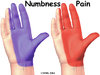
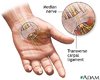
Kama nilivyoeleza hapo kwenye heading, tatizo limenianza kama miezi miwili au mitatu sasa ila kwa sasa naona kama imezidi, yaani hata nikivaa ndala hadi niiweke na mkono, sijaenda hospital ila nnatumia vidonge NEUROBION, kwahiyo naomba kujuzwa tatizo hili linatokana na nini? je linahusiana na malaria? maana nna malaria.
una ugonjwa ambao kitaalam unaitwa 'peripheral neuropathy'. Mishipa yako ya fahamu imeharibika; kuna sababu nyingi za ugonjwa huu. Pata elimu kidogo hapa chini kuhusu ugonjwa huo.
Peripheral Neuropathy
Peripheral neuropathy is a common condition that causes sensory loss, pain, weakness and numbness, in the hands and feet. The condition can affect other areas of the body too.
What is Peripheral Neuropathy?
The numbness, tingling, loss of sensation, and weakness of the hands and feet is called as peripheral neuropathy. It is caused by the damage of a single or multiple nerves in the affected limb or body part. These nerves connect your brain and spinal cord to the muscles, skin and other organs. Any damage to these nerves can result in losing the ability to feel pain, hot or cold sensations. Thus, people with peripheral neuropathy often complain of loss or abnormal sensation in their fingers, hands, toes and feet. A few people also have problems moving their limbs as well.
What Causes Peripheral Neuropathy?
The main cause of peripheral neuropathy in most cases is diabetes. People with diabetes suffer from nerve damage that lead to damage of the sensory nerves that helps one feel sensations, motor nerves that helps give the muscles strength and tone, autonomic nerves that helps with involuntary functions such as sweating. It is not necessary people with high diabetes suffer from peripheral neuropathy. It may even occur in people with controlled blood sugar levels.
There are other causes of peripheral neuropathy. These include:
Use of drugs, especially chemotherapy drugs
Advanced age
Cancer
Certain types of arthritic conditions
Long term heavy alcohol use
Underlying neurological disorders such as fibromyalgia, spina bifida, etc.
Severe injury of the peripheral nerves, due to an accident
Underlying inflammatory diseases such as systemic lupus erythematosis, multiple sclerosis, sarcoidosis
Vitamin B12, vitamin A, vitamin E, vitamin B1 deficiency
Electric shock can lead to loss of nerve sensation
Shingles
HIV
Genetic diseases such as Charcot-Marie-Tooth disease, etc.
Use of toxic drugs such as ethyl alcohol, statins, organic metals, heavy metals, etc.
What are the Symptoms of Peripheral Neuropathy?
The symptoms of neuropathy tend to vary in individuals. Some of the signs and symptoms include:
Numbness and tingling that slowly develops over in feet or hands.
The numbness gradually starts moving upwards in the legs and arms
Burning sensation in the affected part
Sharp, jabbing pain
Sensitivity to slightest touch
Changes in the color, texture and appearance of the hair, skin or nail
Changes in blood pressure
Heat intolerance
Muscle weakness
Loss of coordination
Bowel problems, digestive problems in case of damage to the autonomic nerves
The condition can affect a different number of nerves. This leads to different types of neuropathy, that includes:
Mononeuropathy (single nerve affected)
Multiple mononeuropathy (two or more nerves in different body areas affected)
Polyneuropathy (multiple nerves affected)
Diagnosis of Peripheral Neuropathy
As peripheral neuropathy is not a condition in itself, but a symptom of various other conditions, it is very difficult to diagnose. Thus, the doctor will conduct a physical examination, neurological examination and note your medical history.
Some of the tests for diagnosis peripheral neuropathy include:
Blood tests to check for thyroid, liver, kidney function
Electromyography to check for nerve function test
Skin biopsy
Lumbar puncture to check for diseases
Nerve biopsy
Treatment for Peripheral Neuropathy
Some types of peripheral neuropathy are curable. A few remain incurable. The treatment usually aims at curing the underlying disease.
This includes:
Use of medications such as NSAIDs, anti-seizure medications
Immunosuppressive drugs
Capsaicin that helps in improving the symptoms of neuropathy
Antidepressants
A therapy called the transcutaneous electrical nerve stimulation (TENS) helps in reducing the symptoms of neuropathy. Infrared therapy is another such procedure that helps in improving the sensation of the feet.
The prognosis for peripheral neuropathy depends on the extent of the damage to the nerves. In most cases, the underlying cause such as diabetes, if controlled, helps get rid f the symptoms of neuropathy. If left untreated, it may progress to diabetic foot, that requires amputation.
If one experiences constant pain, numbness, tingling and loss of sensation, they should speak to their doctor. It is important to control the symptoms of peripheral neuropathy to prevent complications such as an infection or complete loss of sensation in the affected part.