PostGE2025 Wakili Revocatus Kuuli: Hakuna nchi yoyote Mwanachama wa ICC inaweza kukwepa kuchunguzwa

PostGE2025 Wakili Revocatus Kuuli: Hakuna nchi yoyote Mwanachama wa ICC inaweza kukwepa kuchunguzwa

Conversations and stories after Tanzania's 2025 General Elections
TOKA MAKTABA

Daniel Nsereko - "Evolution of the Status of the Individual in International Law”


View: https://m.youtube.com/watch?v=6Mi7wsq9-vo

International Law”Judge Daniel Nsereko (Judge, Special Tribunal for Lebanon)The Hague Summit on International Law & Human Rights: An Interdisciplinary Analysis of the Role of International Law in Promoting Human Rights.(International Court of Justice, The Hague; February 4th-5th, 2015)The Center for Cultural Diplomacy Studies - PublicationsInstitute for Cultural Diplomacywww.ccds-berlin.dewww.culturaldiplomacy.orgThe Institute for Cultural Diplomacy

Kufungua hizi link au youtube tunaweza kudukuliwa kama una maadhishi weka
 
Question to Judge Nsereko , Who can be held Accountable for crime against humanity is the state or individuals ? So a man or a woman responsible for crimes must be held accountable ?


View: https://m.youtube.com/watch?v=X4vyfHiRyWI&t=58s

It examines the tension between head of state immunity and the pursuit of justice in international criminal law. It argues that while some nations and regional bodies, like the African Union, assert immunity for heads of state, international institutions such as the International Criminal Court (ICC) reject this principle, emphasizing the rule of law and accountability. The ICC's jurisdiction, particularly through UN Security Council referrals, overrides state consent, challenging traditional notions of immunity. The article posits that states must adhere to their treaty obligations, such as the Rome Statute, and cannot unilaterally opt out for political expediency, reinforcing the ICC's role in combating impunity
 
Kesi ya uhaini inayomkabili mheshimiwa inaonesha jinsi vyombo vya dola pamoja na ofisi ya DPP zisivyoweza kutoa haki bali zinatumika na watawala kuumiza raia
1790618606913.png


Treason case no. 19605 / 2025
Republic versus Tundu Lissu.

28 September 2026
High of Tanzania
Kivukoni Front
Dar es Salaam, Tanzania.
Je kama vyombo hivyo vinaunda genge la kuwalinda watawala, tume za watawala za jaji Mohamed Chande na ya jaji Lila zina uhalali na uhuru wa kutenda kazi kitaaluma au zinatenda kazi kumfurahisha anayewateua na mamlaka zake

Hii ni pointi ya ziada ICC The Hague inakwenda kuongezea uzito faili nene la Samia na wakuu wa askari polisi, majeshi ya ulinzi na usalama kuitwa mbele ya mahakama huru ya ICC The Hague Uholanzi kujitetea kuhusu mauaji na mateso kabla, wakati na baada ya 29 Oktoba 2025
 
2026
Parfait Onanga-Anyanga, Special Representative of the UN Secretary-General to the African Union and Head of UNOAU,

View: https://m.youtube.com/shorts/NPD8cBIqtvs

Delivers a powerful message of remembrance, unity, and renewed commitment to prevention crimes against humanity.

In his message, the SRSG Mr. Parfait Onanga-Anyanga underscores the need to equip young people to recognize warning signs, reject hate, and carry forward the responsibility of remembrance.
 
08 October 2026
BREAKING NEWS ! :Alarm:

Nicolás Maduro Shtaka jipya la kula njama lafunguliwa dhidi ya Nicolás Maduro wa Venezuela

View: https://m.youtube.com/watch?v=sRO5K1--h-s&

Shtaka jipya la kula njama ya kufanya mateso limewasilishwa dhidi ya Rais wa zamani wa Venezuela Nicolás Maduro na mkewe Cilia Flores. Tom Winter wa NBC News anaripoti kuhusu maendeleo ya hivi punde katika uchunguzi


HABARI KWA KINA :

Nicolas Maduro, mkewe wanakabiliwa na mashtaka ya mateso katika shtaka jipya la mwendesha mashtaka wa Marekani​

Na Mark Osborne ,
Alice Gainer ,

Rais wa Venezuela aliyeondolewa madarakani Nicolás Maduro na mkewe, Cilia Flores, sasa wanakabiliwa na shtaka la ziada la kula njama ya kufanya mateso huku waendesha mashtaka wa shirikisho wakiwasilisha shtaka la kuchukua nafasi katika Wilaya ya Kusini ya New York siku ya Alhamisi.

"Kama inavyodaiwa katika hati ya mashtaka [charge sheet], utawala wa Maduro uliwatesa zaidi ya raia kumi na wawili wa Marekani wakiwa kizuizini mwa serikali ya Venezuela — ikiwa ni pamoja na dawa za kulevya, kupigwa na umeme, unyanyasaji wa kingono, na mengineyo," Mkurugenzi wa FBI Kash Patel alisema katika taarifa kwenye mitandao ya kijamii . "Sasa watawajibika kwa makosa yao."

Wanandoa hao tayari walikuwa wanakabiliwa na mashtaka mengi, ikiwa ni pamoja na njama ya ugaidi wa dawa za kulevya; njama ya kuingiza kokeini; kumiliki bunduki za rashasha na vifaa vya uharibifu; na njama ya kumiliki bunduki za rashasha na vifaa vya uharibifu.

Hati ya mashtaka yenye kurasa 30 inayochukua nafasi ya hati hiyo inawatuhumu wanandoa hao kwa kusimamia mfumo wa ukandamizaji wa kisiasa uliotegemea jeshi la Venezuela, mashirika ya ujasusi na vikosi vya usalama kuwatesa wapinzani wao, kuwanyamazisha wapinzani na kudumisha madaraka.

"Ili kudhoofisha demokrasia ya Venezuela na kujiimarisha madarakani, viongozi hawa hawa waliongoza mfumo wa ukandamizaji uliotegemea vurugu dhidi ya upinzani wa kisiasa, kuwekwa kizuizini kiholela, na mateso ya wafungwa, wakiwemo raia wa Marekani," waendesha mashtaka waliandika. "Mateso hayo yalijumuisha mshtuko wa umeme, kukosa hewa, ubakaji, kulazimishwa kuwa uchi, kutengwa kwa muda mrefu, njaa, seli za adhabu, na mateso ya kisaikolojia, kama vile vitisho vya kudhuru na kuua familia za waathiriwa, wakiwemo watoto."

Nicolas Maduro Apelekwa Mahakamani Kusikiliza Kesi
Nicolas Maduro na mkewe, Cilia Flores, wanaonekana wakiwa wamefungwa pingu baada ya kutua kwenye kituo cha helikopta cha Manhattan, wakisindikizwa na maajenti wa shirikisho waliojihami kwa silaha kali wanapoingia kwenye gari lenye silaha wakielekea mahakama ya shirikisho huko Manhattan mnamo Januari 5, 2026, jijini New York. Picha za XNY/Star Max/GC
Maduro na Flores walishtakiwa na baraza kuu la mahakama mwezi Januari kwa mashtaka yanayotokana na kile waendesha mashtaka walisema ni jukumu lake katika mpango wa kuingiza "maelfu ya tani" za kokeni nchini Marekani na kujitajirisha, familia zao na wanachama wakuu wa serikali ya Venezuela.


Jeshi la Marekani liliwakamata wanandoa hao katika operesheni ya usiku mmoja na kuwapeleka Marekani kukabiliana na mashtaka hayo. Wamekana mashtaka ya awali.

Waendesha mashtaka wanadai Maduro aliamuru wapinzani wa kisiasa wakamatwe na kuteswa, alipokea taarifa za mara kwa mara kuhusu mahojiano na aliwaagiza maafisa kuzidisha unyanyasaji. Wakati wa mkutano mmoja kuhusu mfungwa mkaidi, Maduro inadaiwa aliwaambia maafisa "wawafinye kwa nguvu zaidi."

Wakati wa machafuko ya kisiasa mwaka 2014, Maduro inadaiwa alipendekeza kuwateka nyara maafisa watano hadi saba wa kijeshi wanaoshukiwa kutokuwa waaminifu na kutoa taarifa kwa njia ya mateso. Kulingana na hati ya mashtaka, Flores alikubaliana na pendekezo hilo.

Shtaka hilo pia linajumuisha kesi zinazowahusu raia wa Marekani waliopigwa na umeme, kuzama majini, kupigwa vibaya na unyanyasaji mwingine wakiwa kizuizini nchini Venezuela. Mmarekani mmoja aliyekamatwa mwaka wa 2022 anadaiwa kupewa sindano zilizosababisha kifafa.

Raia wa Marekani aliyekamatwa mwaka wa 2023 alipigwa vikali na kuteswa na maafisa wa ujasusi wa Venezuela, waendesha mashtaka walisema. Afisa mmoja anadaiwa kumwambia mfungwa huyo kwamba alikuwa amehifadhiwa hai kwa sababu uraia wake wa Marekani ulimfanya awe muhimu katika kubadilishana wafungwa.

Mgogoro wa VENEZUELA-MAREKANI-MGOGORO
picha maktaba : Mwanamke akipita kwenye ukuta ulioandikwa "#Free Maduro and Cilia" wakati wa maandamano ya kumuunga mkono Rais wa Venezuela aliyeondolewa madarakani Nicolas Maduro na mkewe, Cilia Flores, huko Caracas mnamo Januari 16, 2026.Pedro Mattey/AFP


Katika kikao cha dhamana cha Flores siku ya Alhamisi, wakili wake aliomba kufunguliwa mashtaka kuhusu shtaka jipya kucheleweshwa kwa kuwa walipokea tu shtaka asubuhi hiyo, ambalo liliruhusiwa na jaji.


Wakili wa Flores alisema anapaswa kuruhusiwa kuachiliwa kwa dhamana kwa masharti magumu kutokana na matatizo ya kiafya yanayohusiana na moyo wake. Jaji, Henry J. Ricardo, alimnyima Flores dhamana, akibainisha kuwa alikuwa na uwezo wa kupata "fedha nyingi" na kuyaita mashtaka hayo "madai mazito."

"Ushahidi ni mkubwa, mkubwa sana," Ricardo alisema baada ya kukataa dhamana.

Kesi dhidi ya wanandoa hao iliwasilishwa katika Wilaya ya Kusini mwa New York, ambapo Maduro na wengine 14 walishtakiwa kwa mara ya kwanza mnamo Machi 2020, wakati wa utawala wa kwanza wa Trump


Nicolás Maduro y su esposa enfrentan cargos de tortura en una nueva acusación formal en Estados Unidos

View: https://m.youtube.com/watch?v=01eVRF2it88


Jinsi bunge la Congress la Marekani lilivyoambiwa kuhusu ugumu wa kesi ya Maduro, nini cha kufanyika ili Nicolás Maduro asiweze kukwepa kukumbana na mkono wa sheria

The United States’ Prosecution of Nicolás Maduro Moros: United States v. Maduro​

CRS PRODUCT (LIBRARY OF CONGRESS)​

Hide Overview
CRS Product Type:Legal Sidebar
CRS Product Number:LSB11401
Topics:Federal Government Management & Organization; Foreign Affairs; Justice & Law Enforcement; Law, Constitution & Civil Liberties
Publication Date:09/21/2026
Author:Sokol, Karen

Download PDF (489KB) | PDF Version History
Listen

Following the seizure of Nicolás Maduro Moros (Maduro) by U.S. armed forces in Caracas, Venezuela, on January 3, 2026, a superseding indictment charging him and other defendants with narco-terrorism, narcotics, and weapons offenses was unsealed in the U.S. District Court for the Southern District of New York (SDNY). The January 2026 indictment supersedes an indictment filed against Maduro in the SDNY in March 2020. On January 5, 2026, Maduro was arraigned and pleaded not guilty to all counts in the indictment. This Legal Sidebar describes the charges in the January 2026 indictment, discusses the proceedings in Maduro's case thus far, and analyzes potentially relevant precedent that may govern this case, including the judicial opinions arising out of the United States' prosecution of Panama's military leader Manuel Noriega for drug trafficking offenses in the 1990s. This Sidebar then discusses some considerations for Congress.

The Charges in the January 2026 Indictment

The January 2026 indictment names Maduro and five other defendants: Cilia Adela Flores de Maduro (Maduro's wife), Diosdado Cabello Rondón and Ramón Rodríguez Chacín (current and former high-ranking Venezuelan government officials and politicians), Nicolás Ernesto Maduro Guerra (Maduro's son), and Hector Rusthenford Guerrero Flores (identified in the indictment as the alleged leader of Tren de Aragua (TdA), a Foreign Terrorist Organization (FTO) as designated by the State Department under 8 U.S.C. § 1189 in February 2025). The indictment charges Maduro, Rondon, and Chacin with narco-terrorism conspiracy in violation of 21 U.S.C. § 960a, and all five defendants are charged with conspiracy to import cocaine into the United States and weapons possession offenses.

The first count alleges narco-terrorism conspiracy in violation of 21 U.S.C. § 960a, which prohibits engaging in certain drug trafficking offenses, or attempting or conspiring to do so, "knowing or intending to provide, directly or indirectly, anything of pecuniary value to any person or organization that has engaged or engages in terrorist activity ... or terrorism." The indictment alleges that Maduro and the two Venezuelan government officials named as defendants conspired to distribute and possessed with intent to distribute cocaine to support TdA and other organizations designated as FTOs by the State Department under 8 U.S.C. § 1189.

The second count is conspiracy to import cocaine into the United States in violation of 21 U.S.C. §§ 952(a) (importing controlled substances in Schedule I or II or narcotic drugs in Schedule III, IV or V of the Controlled Substances Act); 959(a) (manufacture or distribution of a controlled substance for the purpose of unlawful importation); 959(c) (possession, manufacture, or distribution of a controlled substance by a person on board an aircraft); 960(a)(1) (knowing or intentional import or export of a controlled substance); 960(a)(3) (manufacture, possession with intent to distribute, or distribution of a controlled substance); 960(b)(1)(B) (certain unlawful acts involving threshold amounts of cocaine); and 963 (conspiracy). The specific acts that the indictment alleges the defendants took in furtherance of the narco-terrorism and drug trafficking conspiracies include providing drug traffickers with diplomatic passports, private planes under diplomatic cover, and armed military escorts.

The third count alleges that the defendants used and carried machineguns and destructive devices in furtherance of drug trafficking crimes that are prosecutable in a U.S. court, in violation of 18 U.S.C. § 924(c)(1)(A) and (c)(1)(B)(ii).

The fourth count also alleges that the defendants conspired to possess machineguns and destructive devices in furtherance of and in relation to the narcotics offenses alleged in counts one and two, in violation of 18 U.S.C. § 924(c)(1)(A) and (c)(1)(B)(ii).

Court Proceedings and Relevant Historical Precedent

On September 2, 2026, Maduro filed a motion to dismiss all charges in the indictment on the grounds that he is immune from prosecution because he is head of a foreign state and the charges are based on acts undertaken in his official capacity on behalf of Venezuela. Additionally, he filed a separate motion to dismiss challenging the first count only—narco-terrorism conspiracy in violation of 21 U.S.C. § 960a—on the grounds that the government failed to properly allege the offense in the indictment, and that its extraterritorial application in Maduro's case violates constitutional due process requirements and exceeds Congress's constitutionality authority. As of this writing, the government has not filed its responses to either motion to dismiss, and the court has not ruled on either motion.

As this case progresses, a number of other issues may arise, including whether the indictment should be dismissed based on issues regarding the seizure and transfer of Maduro and his wife to the United States. The case against former military leader Manuel Noriega raised similar issues that have been and that may be raised by Maduro. The SDNY may consider the judicial opinions that arose out of Noriega's case—which was heard in the U.S. District Court for the Southern District of Florida and appealed to the U.S. Court of Appeals for the Eleventh Circuit (Eleventh Circuit)—to be persuasive, but those opinions typically are not considered binding or controlling in other federal circuits such as the U.S. Court of Appeals for the Second Circuit (Second Circuit), which has appellate jurisdiction over the SDNY.

Head-of-State Immunity

Head-of-state immunity is a status-based immunity doctrine that prohibits criminal and civil cases against current heads of state in U.S. courts—that is, immunity applies only while the defendant is in office. Courts have often deferred to the executive branch to determine whether a defendant is a head of state, as the district and appellate courts did in the Noriega case. The district court concluded that Noriega had "never been recognized as Panama's Head of State either under the Panamanian Constitution or by the United States," and rejected Noriega's claims that he was entitled to immunity as the de facto ruler of Panama. The Eleventh Circuit affirmed, concluding with deference to the executive branch that Noriega was not entitled to head-of-state immunity. The January 2026 indictment against Maduro states that he "was previously the President of Venezuela, and is now, having remained in power despite losses in recent elections, the de facto but illegitimate ruler of the country."

Maduro's arguments in support of his claim that he is entitled to head-of-state immunity include that his case should be distinguished from that of Noriega because Maduro is Venezuela's head of state under Venezuela's constitution, which, Maduro maintains, entitles him to absolute immunity under long-settled principles of common law and international law. Accordingly, Maduro argues, the court should not defer to any determination by the executive branch that he should not be recognized as the president of Venezuela for purposes of judicial immunity.

Immunity for Official Acts

In contrast to head-of-state immunity, immunity for official acts is a conduct-based doctrine rather than a status-based one—meaning it may protect defendants from prosecution for past official acts even if they do not currently hold a head-of-state or other governmental office. In determining whether defendants are entitled to this type immunity, courts assess whether the "claims arise[] out of their official acts while in office," or instead out of "private acts where the officer purports to act as an individual and not as an official." In determining whether a current or former official is entitled to conduct-based immunity, courts may give some deference to the executive branch's position. Unlike status-based head-of-state immunity, which precludes courts' exercise of jurisdiction over a defendant entirely, this conduct-based immunity doctrine applies only to those acts deemed to be "official," and the case may proceed with respect to any acts that a court determines to have been undertaken in a private capacity.

In rejecting an argument made by Noriega based on a doctrine similar to immunity for official acts, the district court explained that "[t]he inquiry is not whether Noriega used his official position to engage in the challenged acts, but whether those acts were taken on behalf of Noriega instead of Panama." Additionally, some courts have suggested that some criminal acts, "such as drug possession or fraud," are not normally "attributable to the state" and therefore could be treated as private acts for which no immunity is available.

Maduro argues that he is entitled to conduct-based immunity because the indictment's allegations are based on his official acts attributable to Venezuela, including "issuing diplomatic passports," "coordinating diplomatic missions," providing military escorts, and convening meetings with high-level Venezuelan government officials and "foreign political actors." Similar to his argument in support of his claim to head-of-state immunity, Maduro maintains that the court should not defer to the executive branch's determination that he is not entitled to immunity for official acts because such a determination is inconsistent with federal common law.

Challenges Regarding the Legality of the Seizure

In addition to his defenses based on immunity doctrines, Noriega argued that his seizure and transfer to the United States as part of the U.S. military invasion of Panama merited dismissal of the charges lodged against him because these actions violated international law and his right to substantive due process under the Fifth Amendment to the U.S. Constitution. With respect to international law, Noriega argued that his seizure violated various international treaties and principles of customary international law, including Article 2(4) of the United Nations (U.N.) Charter, a Senate-approved treaty that prohibits the threat or use of force against the sovereign territory of another country without its consent, except in the limited circumstances of self-defense against an armed attack or U.N. Security Council authorization. To dismiss the case, the district court required Noriega to establish that the treaty in question was "self-executing in the sense that it confers individual rights upon citizens of the signatory nations" and that the terms of the treaty contain "a self-imposed limitation on the jurisdiction of the United States and hence on its courts."

A few months before U.S. armed forces invaded Panama and seized Noriega in December 1989, the Department of Justice's Office of Legal Counsel (OLC) issued an opinion in June 1989 arguing that the President has "inherent" constitutional authority to undertake extraterritorial law enforcement activities without congressional authorization, even if those activities are contrary to the U.N. Charter or customary international law. (Although OLC opinions are legal arguments and not binding on courts or Congress, the executive branch has historically treated them as internally controlling.) In reaching this conclusion, the OLC pointed out that it did not interpret any statutes as prohibiting the President from conducting law enforcement activities in contravention of customary international law. Along similar lines, the OLC based its conclusion that the President had unilateral constitutional authority to undertake law enforcement actions in violation of the U.N. Charter on the OLC's determination that this treaty is not self-executing, and accordingly Congress "must execute [it] before it can become a rule" enforceable in U.S. courts.

The district court in Noriega's case did not address the issue regarding the President's inherent constitutional authority and, instead, determined that the treaties in question did not create, either expressly or impliedly, an enforceable private right of action giving Noriega standing to challenge violations of such treaties. The court further reasoned that Noriega's claim should be rejected because the court concluded that Supreme Court caselaw has held that "violations of international law alone do not deprive a court of jurisdiction over a defendant in the absence of specific treaty language to that effect." As a result, the court explained that it was unnecessary to "reach the question of whether [international law] was violated by the United States military action in Panama."

In a memorandum written on December 23, 2025, assessing the legality of the United States' then-proposed military operation in Venezuela, the OLC relied on its 1989 opinion in arguing that it was "unnecessary to address the issue" of whether the planned operation would comply with international law because "nternational law ... does not restrict the President as a matter of domestic law." The OLC further argued that the President had inherent authority under Article II of the Constitution to conduct the military operation in the absence of congressional authorization in order to seize Maduro. (For further discussion of the President's unilateral Article II authority to use military force and its potential implications for congressional authority, see CRS Report R48524, Congress and the Scope of the President's Article II Foreign Policy Authorities, by Karen Sokol (2025).)

The district court also rejected Noriega's argument that his seizure by U.S. forces was so "shocking to the conscience" as to amount to a violation of his Fifth Amendment right to substantive due process and thus required dismissal, a ruling upheld by the Eleventh Circuit on appeal. In upholding the district's court's conclusion, the Eleventh Circuit explained that under the Supreme Court's Ker-Frisbie doctrine—which is named after two of the Court's cases—the way in which a defendant was brought before a court does not impact the court's jurisdiction over the defendant. In both cases, the Supreme Court held that "the power of a court to try a person for crime is not impaired by the fact that he had been brought within the court's jurisdiction by reason of a forcible abduction."

The Eleventh Circuit rejected Noriega's argument that his seizure fell within an exception to the Ker-Frisbie doctrine recognized by the Second Circuit that permits defendants to defeat a court's jurisdiction on grounds of a due process violation by establishing that their seizure involved not merely a "simply illegal" abduction, but rather "cruel, inhuman and outrageous treatment." Without deciding whether it also recognized such an exception, the Eleventh Circuit determined that Noriega's seizure did not meet that standard because he "has not alleged that the government mistreated him personally," and "whatever harm Panamanian civilians suffered during the armed conflict that preceded Noriega's arrest cannot support a due process claim."

The Eleventh Circuit also relied on Supreme Court caselaw in rejecting Noriega's claim that he should not have been tried because his seizure violated the extradition treaty between the United States and Panama. In United States v. Alvarez-Machain, the Supreme Court held that, because the United States' extradition treaty with Mexico did not prohibit forcible abductions, the Ker-Frisbie doctrine governed, and the court had jurisdiction to try the defendant notwithstanding that he was forcibly abducted from Mexico by U.S. law enforcement officials. According to the Eleventh Circuit, Noriega similarly failed to "demonstrate, by reference to the express language of a treaty and/or the established practice thereunder, that the United States affirmatively agreed not to seize foreign nationals from the territory of its treaty partners," and accordingly the district court's exercise of jurisdiction over him was proper under the Ker-Frisbie rule.

In its December 2025 opinion on the prospective Venezuela military operation, the OLC also relied on the Supreme Court's Ker-Frisbie doctrine in arguing that, even if the operation "were to exceed the President's constitutional authority to order the use of force," Maduro would not succeed in challenging his prosecution on those grounds.

In his motion to dismiss based on claims of immunity as head of state and for official acts, Maduro states that discovery proceedings related to circumstances of his seizure "through a military invasion" are ongoing, and that he "fully preserves his right to bring . . . a challenge" to the court's jurisdiction based on his seizure "should the case against him otherwise proceed." In the event that Maduro mounts a defense based on the legality of his seizure, the federal district court in New York hearing Maduro's case and, if there is an appeal, the Second Circuit, might consider, but are not bound by, the Eleventh Circuit's reading of Supreme Court precedent or its analysis of Second Circuit cases regarding a potential exception to the Ker-Frisbie doctrine.

Considerations for Congress

The court proceedings and any judicial opinions in United States v. Maduro may have implications for Congress's legislative and oversight authorities. Accordingly, as it examines developments in the case, Congress may consider a variety of actions.

For example, immunity as a head of state or for official acts, which may be asserted by current or former foreign government officials, is governed by federal common law—that is, judge-made—doctrines, under which courts often give some level of deference to the executive branch on the question of whether the official is entitled to immunity. That was also the case with the doctrine governing foreign state immunity in civil cases until 1976, when Congress enacted the Foreign Sovereign Immunities Act (FSIA) (codified at 28 U.S.C. §§ 1602‒11). The FSIA provides courts with a statutorily-delineated set of legal standards to apply in determining whether a foreign state is immune from the jurisdiction of U.S. courts in civil cases. Congress may consider whether to permit courts to continue applying federal common law to claims of immunity by current or former foreign officials or whether to codify legal standards for courts to apply in assessing such claims in civil or criminal cases.

Additionally, Congress may engage in oversight and consider how the executive branch is conducting extraterritorial law enforcement activities that result in a seizure. As discussed in its December 2025 opinion on the Venezuela military operation, the OLC maintained that the President had unilateral inherent constitutional authority to conduct the Venezuela operation using armed forces and to seize Maduro for law enforcement purposes, even if his seizure violates international law because "nternational law ... does not restrict the President as a matter of domestic law ... when it comes to extraordinary rendition." The OLC further argued that, even if the operation exceeded the President's constitutional authority to order the use of force, that would not impact the ability of the United States to prosecute Maduro because the exercise of jurisdiction by U.S. courts would nevertheless be proper under Supreme Court precedent. Congress may consider the implications these claims of authority may have for Congress's own authority, and whether to seek further information from the executive branch regarding its position on the scope of the President's Article II authority to conduct, without congressional authorization, military operations that it claims are in support of law enforcement.

In addition to oversight measures, Congress may consider legislation similar to what was introduced in the 110th Congress that would restrict the President's authority to seize individuals abroad. There are also some treaties where the Senate has specified in its resolutions consenting to the President's ratification that certain treaty provisions are not self-executing, and Congress has enacted legislation making aspects of treaties or customary international law enforceable by U.S. courts. While any legislation impacting courts' jurisdiction may change any common-law rules made by courts, it would have to be consistent with any requirements that courts determine to be constitutionally based

MADURO NA MADAI YAKE YA KUWA MADAI NA KINGA YA KISHERIA KAMA KIONGOZI WA NCHI, MAREKANI YASEMA MADURO NI KIONGOZI HARAMU


View: https://m.youtube.com/watch?v=8i1WWvp_gaY

07 OCTOBER 2026
PROF. KABUDI APIGA KIONGOZI KUITWA HARAMU
1791479690798.png
 
08 October 2026
BREAKING NEWS ! :Alarm:

Nicolás Maduro Shtaka jipya la kula njama lafunguliwa dhidi ya Nicolás Maduro wa Venezuela

View: https://m.youtube.com/watch?v=sRO5K1--h-s&

Shtaka jipya la kula njama ya kufanya mateso limewasilishwa dhidi ya Rais wa zamani wa Venezuela Nicolás Maduro na mkewe Cilia Flores. Tom Winter wa NBC News anaripoti kuhusu maendeleo ya hivi punde katika uchunguzi


HABARI KWA KINA :

Nicolas Maduro, mkewe wanakabiliwa na mashtaka ya mateso katika shtaka jipya la mwendesha mashtaka wa Marekani​

Na Mark Osborne ,
Alice Gainer ,

Rais wa Venezuela aliyeondolewa madarakani Nicolás Maduro na mkewe, Cilia Flores, sasa wanakabiliwa na shtaka la ziada la kula njama ya kufanya mateso huku waendesha mashtaka wa shirikisho wakiwasilisha shtaka la kuchukua nafasi katika Wilaya ya Kusini ya New York siku ya Alhamisi.

"Kama inavyodaiwa katika hati ya mashtaka [charge sheet], utawala wa Maduro uliwatesa zaidi ya raia kumi na wawili wa Marekani wakiwa kizuizini mwa serikali ya Venezuela — ikiwa ni pamoja na dawa za kulevya, kupigwa na umeme, unyanyasaji wa kingono, na mengineyo," Mkurugenzi wa FBI Kash Patel alisema katika taarifa kwenye mitandao ya kijamii . "Sasa watawajibika kwa makosa yao."

Wanandoa hao tayari walikuwa wanakabiliwa na mashtaka mengi, ikiwa ni pamoja na njama ya ugaidi wa dawa za kulevya; njama ya kuingiza kokeini; kumiliki bunduki za rashasha na vifaa vya uharibifu; na njama ya kumiliki bunduki za rashasha na vifaa vya uharibifu.

Hati ya mashtaka yenye kurasa 30 inayochukua nafasi ya hati hiyo inawatuhumu wanandoa hao kwa kusimamia mfumo wa ukandamizaji wa kisiasa uliotegemea jeshi la Venezuela, mashirika ya ujasusi na vikosi vya usalama kuwatesa wapinzani wao, kuwanyamazisha wapinzani na kudumisha madaraka.

"Ili kudhoofisha demokrasia ya Venezuela na kujiimarisha madarakani, viongozi hawa hawa waliongoza mfumo wa ukandamizaji uliotegemea vurugu dhidi ya upinzani wa kisiasa, kuwekwa kizuizini kiholela, na mateso ya wafungwa, wakiwemo raia wa Marekani," waendesha mashtaka waliandika. "Mateso hayo yalijumuisha mshtuko wa umeme, kukosa hewa, ubakaji, kulazimishwa kuwa uchi, kutengwa kwa muda mrefu, njaa, seli za adhabu, na mateso ya kisaikolojia, kama vile vitisho vya kudhuru na kuua familia za waathiriwa, wakiwemo watoto."

Nicolas Maduro Apelekwa Mahakamani Kusikiliza Kesi
Nicolas Maduro na mkewe, Cilia Flores, wanaonekana wakiwa wamefungwa pingu baada ya kutua kwenye kituo cha helikopta cha Manhattan, wakisindikizwa na maajenti wa shirikisho waliojihami kwa silaha kali wanapoingia kwenye gari lenye silaha wakielekea mahakama ya shirikisho huko Manhattan mnamo Januari 5, 2026, jijini New York. Picha za XNY/Star Max/GC
Maduro na Flores walishtakiwa na baraza kuu la mahakama mwezi Januari kwa mashtaka yanayotokana na kile waendesha mashtaka walisema ni jukumu lake katika mpango wa kuingiza "maelfu ya tani" za kokeni nchini Marekani na kujitajirisha, familia zao na wanachama wakuu wa serikali ya Venezuela.


Jeshi la Marekani liliwakamata wanandoa hao katika operesheni ya usiku mmoja na kuwapeleka Marekani kukabiliana na mashtaka hayo. Wamekana mashtaka ya awali.

Waendesha mashtaka wanadai Maduro aliamuru wapinzani wa kisiasa wakamatwe na kuteswa, alipokea taarifa za mara kwa mara kuhusu mahojiano na aliwaagiza maafisa kuzidisha unyanyasaji. Wakati wa mkutano mmoja kuhusu mfungwa mkaidi, Maduro inadaiwa aliwaambia maafisa "wawafinye kwa nguvu zaidi."

Wakati wa machafuko ya kisiasa mwaka 2014, Maduro inadaiwa alipendekeza kuwateka nyara maafisa watano hadi saba wa kijeshi wanaoshukiwa kutokuwa waaminifu na kutoa taarifa kwa njia ya mateso. Kulingana na hati ya mashtaka, Flores alikubaliana na pendekezo hilo.

Shtaka hilo pia linajumuisha kesi zinazowahusu raia wa Marekani waliopigwa na umeme, kuzama majini, kupigwa vibaya na unyanyasaji mwingine wakiwa kizuizini nchini Venezuela. Mmarekani mmoja aliyekamatwa mwaka wa 2022 anadaiwa kupewa sindano zilizosababisha kifafa.

Raia wa Marekani aliyekamatwa mwaka wa 2023 alipigwa vikali na kuteswa na maafisa wa ujasusi wa Venezuela, waendesha mashtaka walisema. Afisa mmoja anadaiwa kumwambia mfungwa huyo kwamba alikuwa amehifadhiwa hai kwa sababu uraia wake wa Marekani ulimfanya awe muhimu katika kubadilishana wafungwa.

Mgogoro wa VENEZUELA-MAREKANI-MGOGORO
picha maktaba : Mwanamke akipita kwenye ukuta ulioandikwa "#Free Maduro and Cilia" wakati wa maandamano ya kumuunga mkono Rais wa Venezuela aliyeondolewa madarakani Nicolas Maduro na mkewe, Cilia Flores, huko Caracas mnamo Januari 16, 2026.Pedro Mattey/AFP


Katika kikao cha dhamana cha Flores siku ya Alhamisi, wakili wake aliomba kufunguliwa mashtaka kuhusu shtaka jipya kucheleweshwa kwa kuwa walipokea tu shtaka asubuhi hiyo, ambalo liliruhusiwa na jaji.


Wakili wa Flores alisema anapaswa kuruhusiwa kuachiliwa kwa dhamana kwa masharti magumu kutokana na matatizo ya kiafya yanayohusiana na moyo wake. Jaji, Henry J. Ricardo, alimnyima Flores dhamana, akibainisha kuwa alikuwa na uwezo wa kupata "fedha nyingi" na kuyaita mashtaka hayo "madai mazito."

"Ushahidi ni mkubwa, mkubwa sana," Ricardo alisema baada ya kukataa dhamana.

Kesi dhidi ya wanandoa hao iliwasilishwa katika Wilaya ya Kusini mwa New York, ambapo Maduro na wengine 14 walishtakiwa kwa mara ya kwanza mnamo Machi 2020, wakati wa utawala wa kwanza wa Trump


Nicolás Maduro y su esposa enfrentan cargos de tortura en una nueva acusación formal en Estados Unidos

View: https://m.youtube.com/watch?v=01eVRF2it88
 
PART 1 MAHAKAMA YA ICC ELIMU MAHAKAMA YA UHALIFU WA KIBINADAMU, UHALIFU WA KIVITA, UVAMIZI WA NCHI NYINGINE, WATU WENYE KINGA YA KUFIKIWA KIMASHTAKA KTK MATAIFA YAO N.K


View: https://m.youtube.com/watch?v=zrChZVdxHi8
Revocatus Lubigili Kimbwe Kuuli. LLM, PGD, LLB (Hons) (DAR) Advocate.

Uhalifu gani :
  • Genocide mauaji
  • War crime makosa ya kivita
  • Uhalifu dhidi ya binadamu
  • Aggression/ uvamizi
Wakili pekee wa Tanzania anayetambulika na Mahakama ya ICC anafafanua United Nation charter / mamlaka ya kuingilia na kushitaki popote duniani kwa madhila yanayofanya na nchi mwanachama

1998 Rome Statute kama treaty law nchi 160 zilikutana 2002 waliosaini kukubali ICC ifanye kazi katika nchi 125 na Tanzania ilikubali sheria hii itumike kwa makosa ndani ya Tanzania kama yalivyoainishwa na tamko la Rome Statute
Kazi zake ICC tangu 1980 uhalifu wa Bosnia Herzegovina, Rwanda kutokana na mauaji ya Nuremberg na Tokyo mwaka 1948 ..

Pia rape imejumuishwa as among the offence as per precedent
 
Pia rape imejumuishwa as among the offence as per precedent

Hii habari ya kubanwa Nicholas Maduro c.c Samia Hassan na genge lake wajitayarishe mwenzao ananyolewa wao wajitayarishe zamu yao inakuja
 
Akiongea na Wakili TV Revocatus Kuuli wakili wa mahakama ya ICC amesema "Mahakama ya Kimataifa ya Uhalifu (ICC) inaweza kumshtaki hata Rais akiwa madarakani"


  • Afafanua hali hiyo,
  • je wafungwa waliopatikana na hatia wanapelekwa jela ipi
  • Fedha za kuendesha kesi ICC hutoka wapi
  • Mawakili wa wahanga yaani victim counsel
  • Wakili Mshtakiwa fDefence counsel
  • ICC inawalipia gharama za mawakili wa, wahanga pia mawakili wa washtakiwa ikiwa hawana uwezo
  • Pia mshtakiwa au mhanga kama ana uwezo anaweza kuajiri wakili wake binafsi
  • Kulipa fidia watu walioathirika Victim compensation fund
  • Kufuatilia malipo ikiwemo kufilisi mali za mshtakiwa aliyepatikana na hatia kufidia waathirika yaani Reparation
  • N.k
Kesi imefika wapi? Au wameshapewa vitalu?
 
08 October 2026
BREAKING NEWS ! :Alarm:

Nicolás Maduro Shtaka jipya la kula njama lafunguliwa dhidi ya Nicolás Maduro wa Venezuela

View: https://m.youtube.com/watch?v=sRO5K1--h-s&

Shtaka jipya la kula njama ya kufanya mateso limewasilishwa dhidi ya Rais wa zamani wa Venezuela Nicolás Maduro na mkewe Cilia Flores. Tom Winter wa NBC News anaripoti kuhusu maendeleo ya hivi punde katika uchunguzi


HABARI KWA KINA :

Nicolas Maduro, mkewe wanakabiliwa na mashtaka ya mateso katika shtaka jipya la mwendesha mashtaka wa Marekani​

Na Mark Osborne ,
Alice Gainer ,

Rais wa Venezuela aliyeondolewa madarakani Nicolás Maduro na mkewe, Cilia Flores, sasa wanakabiliwa na shtaka la ziada la kula njama ya kufanya mateso huku waendesha mashtaka wa shirikisho wakiwasilisha shtaka la kuchukua nafasi katika Wilaya ya Kusini ya New York siku ya Alhamisi.

"Kama inavyodaiwa katika hati ya mashtaka [charge sheet], utawala wa Maduro uliwatesa zaidi ya raia kumi na wawili wa Marekani wakiwa kizuizini mwa serikali ya Venezuela — ikiwa ni pamoja na dawa za kulevya, kupigwa na umeme, unyanyasaji wa kingono, na mengineyo," Mkurugenzi wa FBI Kash Patel alisema katika taarifa kwenye mitandao ya kijamii . "Sasa watawajibika kwa makosa yao."

Wanandoa hao tayari walikuwa wanakabiliwa na mashtaka mengi, ikiwa ni pamoja na njama ya ugaidi wa dawa za kulevya; njama ya kuingiza kokeini; kumiliki bunduki za rashasha na vifaa vya uharibifu; na njama ya kumiliki bunduki za rashasha na vifaa vya uharibifu.

Hati ya mashtaka yenye kurasa 30 inayochukua nafasi ya hati hiyo inawatuhumu wanandoa hao kwa kusimamia mfumo wa ukandamizaji wa kisiasa uliotegemea jeshi la Venezuela, mashirika ya ujasusi na vikosi vya usalama kuwatesa wapinzani wao, kuwanyamazisha wapinzani na kudumisha madaraka.

"Ili kudhoofisha demokrasia ya Venezuela na kujiimarisha madarakani, viongozi hawa hawa waliongoza mfumo wa ukandamizaji uliotegemea vurugu dhidi ya upinzani wa kisiasa, kuwekwa kizuizini kiholela, na mateso ya wafungwa, wakiwemo raia wa Marekani," waendesha mashtaka waliandika. "Mateso hayo yalijumuisha mshtuko wa umeme, kukosa hewa, ubakaji, kulazimishwa kuwa uchi, kutengwa kwa muda mrefu, njaa, seli za adhabu, na mateso ya kisaikolojia, kama vile vitisho vya kudhuru na kuua familia za waathiriwa, wakiwemo watoto."

Nicolas Maduro Apelekwa Mahakamani Kusikiliza Kesi
Nicolas Maduro na mkewe, Cilia Flores, wanaonekana wakiwa wamefungwa pingu baada ya kutua kwenye kituo cha helikopta cha Manhattan, wakisindikizwa na maajenti wa shirikisho waliojihami kwa silaha kali wanapoingia kwenye gari lenye silaha wakielekea mahakama ya shirikisho huko Manhattan mnamo Januari 5, 2026, jijini New York. Picha za XNY/Star Max/GC
Maduro na Flores walishtakiwa na baraza kuu la mahakama mwezi Januari kwa mashtaka yanayotokana na kile waendesha mashtaka walisema ni jukumu lake katika mpango wa kuingiza "maelfu ya tani" za kokeni nchini Marekani na kujitajirisha, familia zao na wanachama wakuu wa serikali ya Venezuela.


Jeshi la Marekani liliwakamata wanandoa hao katika operesheni ya usiku mmoja na kuwapeleka Marekani kukabiliana na mashtaka hayo. Wamekana mashtaka ya awali.

Waendesha mashtaka wanadai Maduro aliamuru wapinzani wa kisiasa wakamatwe na kuteswa, alipokea taarifa za mara kwa mara kuhusu mahojiano na aliwaagiza maafisa kuzidisha unyanyasaji. Wakati wa mkutano mmoja kuhusu mfungwa mkaidi, Maduro inadaiwa aliwaambia maafisa "wawafinye kwa nguvu zaidi."

Wakati wa machafuko ya kisiasa mwaka 2014, Maduro inadaiwa alipendekeza kuwateka nyara maafisa watano hadi saba wa kijeshi wanaoshukiwa kutokuwa waaminifu na kutoa taarifa kwa njia ya mateso. Kulingana na hati ya mashtaka, Flores alikubaliana na pendekezo hilo.

Shtaka hilo pia linajumuisha kesi zinazowahusu raia wa Marekani waliopigwa na umeme, kuzama majini, kupigwa vibaya na unyanyasaji mwingine wakiwa kizuizini nchini Venezuela. Mmarekani mmoja aliyekamatwa mwaka wa 2022 anadaiwa kupewa sindano zilizosababisha kifafa.

Raia wa Marekani aliyekamatwa mwaka wa 2023 alipigwa vikali na kuteswa na maafisa wa ujasusi wa Venezuela, waendesha mashtaka walisema. Afisa mmoja anadaiwa kumwambia mfungwa huyo kwamba alikuwa amehifadhiwa hai kwa sababu uraia wake wa Marekani ulimfanya awe muhimu katika kubadilishana wafungwa.

Mgogoro wa VENEZUELA-MAREKANI-MGOGORO
picha maktaba : Mwanamke akipita kwenye ukuta ulioandikwa "#Free Maduro and Cilia" wakati wa maandamano ya kumuunga mkono Rais wa Venezuela aliyeondolewa madarakani Nicolas Maduro na mkewe, Cilia Flores, huko Caracas mnamo Januari 16, 2026.Pedro Mattey/AFP


Katika kikao cha dhamana cha Flores siku ya Alhamisi, wakili wake aliomba kufunguliwa mashtaka kuhusu shtaka jipya kucheleweshwa kwa kuwa walipokea tu shtaka asubuhi hiyo, ambalo liliruhusiwa na jaji.


Wakili wa Flores alisema anapaswa kuruhusiwa kuachiliwa kwa dhamana kwa masharti magumu kutokana na matatizo ya kiafya yanayohusiana na moyo wake. Jaji, Henry J. Ricardo, alimnyima Flores dhamana, akibainisha kuwa alikuwa na uwezo wa kupata "fedha nyingi" na kuyaita mashtaka hayo "madai mazito."

"Ushahidi ni mkubwa, mkubwa sana," Ricardo alisema baada ya kukataa dhamana.

Kesi dhidi ya wanandoa hao iliwasilishwa katika Wilaya ya Kusini mwa New York, ambapo Maduro na wengine 14 walishtakiwa kwa mara ya kwanza mnamo Machi 2020, wakati wa utawala wa kwanza wa Trump


Nicolás Maduro y su esposa enfrentan cargos de tortura en una nueva acusación formal en Estados Unidos

View: https://m.youtube.com/watch?v=01eVRF2it88

Wicknell Chivayo, Samia Hassan, Mnangagwa, Chakwera, Ruto, Ramaphosa and others were involved in arms and drug cartel.​


View: https://m.youtube.com/watch?v=xiuj-uKF0BY

 
KURUPUSHANI ZA UTAWALA HARAMU WA SAMIA HASSAN KUENDELEA KUSAKAMA RAIA HAZITAMNASUA ICC THE HAGUE


1792080917765.png

Mwabukusi aachiwa kwa dhamana leo 15 Oktoba 2026
1792081087137.png

John Pambalu akamatwa Arusha Oktoba 14 , 2026 hajulikani alipo

N.B
TOKA MAKTABA:

UKATILI WA SERIKALI HARAMU YA SAMIA HASSAN

Kutishia raia wasitoe ushahidi dhidi ya serikali haramu iliyoua raia wasio kuwa na silaha haiwezi kamwe kuwajibika na kufikishwa mbele ya mahakama ya kimataifa ya ICC The Hague
1792080966472.png


View: https://m.youtube.com/watch?v=xDU3gxqx0C4
 
RASMI LEO 15 OCTOBER 2026 UTAWALA HARAMU WA SAMIA HASSAN WAAMUA KUPAMBANA NA TLS TANGANYIKA LAW SOCIETY

1792081794563.png


Latest info :
International and regional legal organizations, including Lawyers for Lawyers and the Pan African Lawyers Union, have issued joint statements condemning the state's actions, viewing them as an attempt to suppress the independence of the Tanzanian legal profession. 16 October 2026.
 
Matendo ya ukatili dhidi ya binadamu yagusa waTanzania wa itikadi tofauti za kisiasa
1792082676102.png


Mbinyo kuhusu raia kupotezwa Tanzania

John Heche alivyomtaja Humphrey Polepole jukwaani, Mchungaji Peter Msigwa atoa msimamo
Alhamisi, Oktoba 15, 2026
 
Serikali ya Kenya imekataa maombi ya Sativa, Hilda Newton, Twaha na Rose Mayemba waliotaka Political Asylum, wameambiwa TZ hakuna shida ya kisiasa warudi kwao au wakae kwa kufuata taratibu, That's Why Pambalu amerudi soon wengine watarudishwa na watakamatwa kwa walichokifanya Oktoba 29.

TOKA MAKTABA :

July 14, 2025

“Justice is more than just a judgment” An interview with the President of the United Nations International Residual Mechanism for Criminal Tribunals, Judge Graciela Gatti Santana​

Written by Edward Haxton
IRMCT-photo.jpg


On 19 March 2025, I interviewed Judge Graciela Gatti Santana, President of the United Nations International Residual Mechanism for Criminal Tribunals (the ‘IRMCT’ or ‘Mechanism’). It was a wide-ranging conversation in which we discussed, among other things, the downsizing of the IRMCT, attempts to rewrite history in Rwanda and the former Yugoslavia and the sad case of former IRMCT judge Lydia Mugambe who was recently convicted of modern slavery offences in the UK. The interview has been edited and condensed for publication.

I begin by asking Gatti Santana how she first became interested in international law and international crimes. She points to two formative experiences. First, as a judge in the criminal courts of her native Uruguay, Gatti Santana handled a number of cases related to the dictatorship during the ’70s, including as an investigative judge in the case of former President Juan María Bordaberry, who in 2010 was sentenced to 30 years in jail for the murder and disappearance of opposition supporters. ‘I began to work on crimes against humanity and discovered that was where I wanted to pursue my career.’ Subsequently, Gatti Santana was the first judge appointed to Uruguay’s specialised courts for organised crime. The international dimension to her drug-trafficking, money laundering and corruption cases confirmed Gatti Santana’s ambition to work in international justice. When the Uruguayan Supreme Court asked her in 2010 if she would be the country’s candidate for election as a judge at the IRMCT, Gatti Santana readily accepted. ‘I didn’t hesitate for an instant.’

***

(Photo: IRMCT)
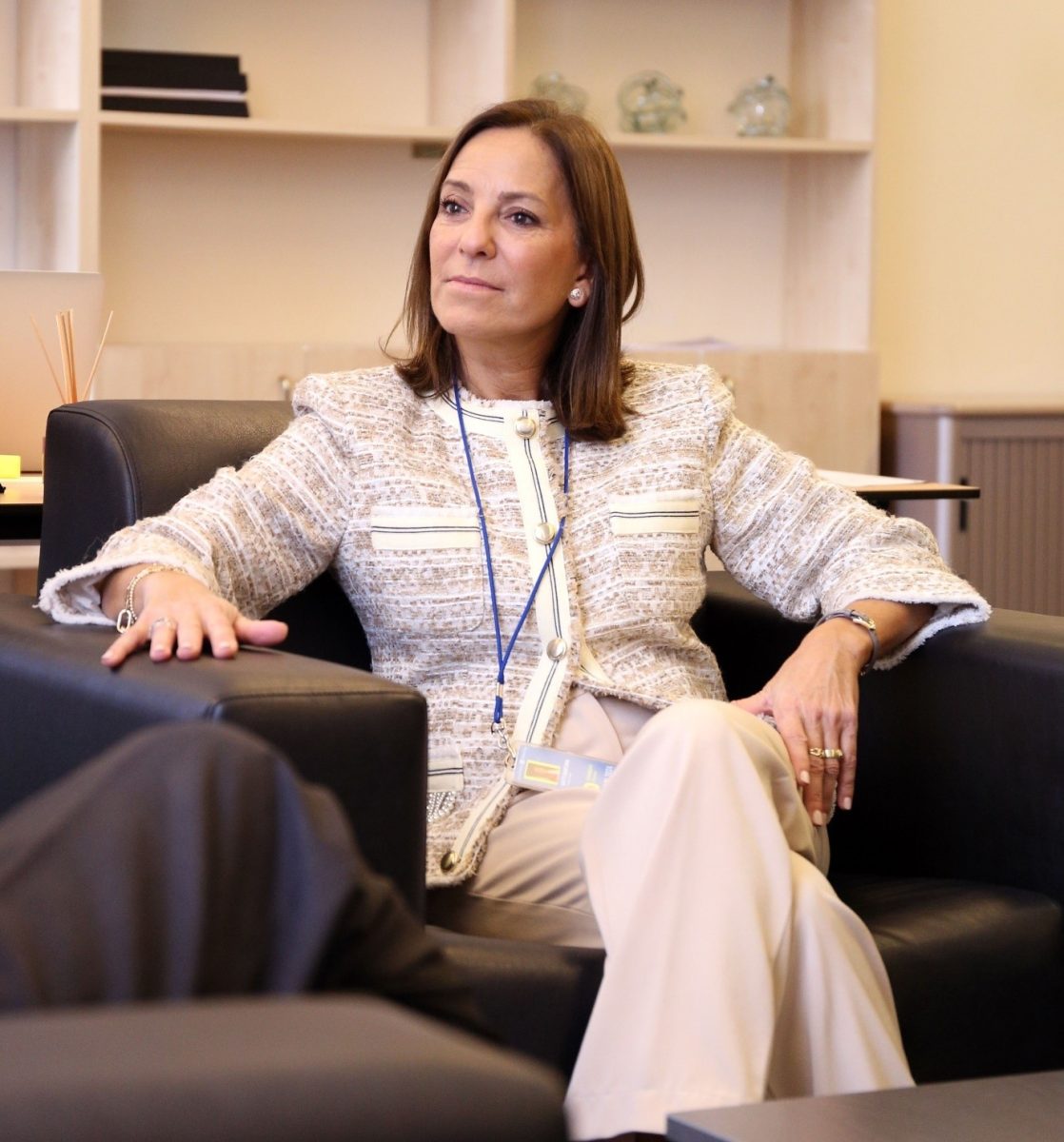
IRMCT President, Judge Graciela Gatti Santana (Photo: IRMCT)
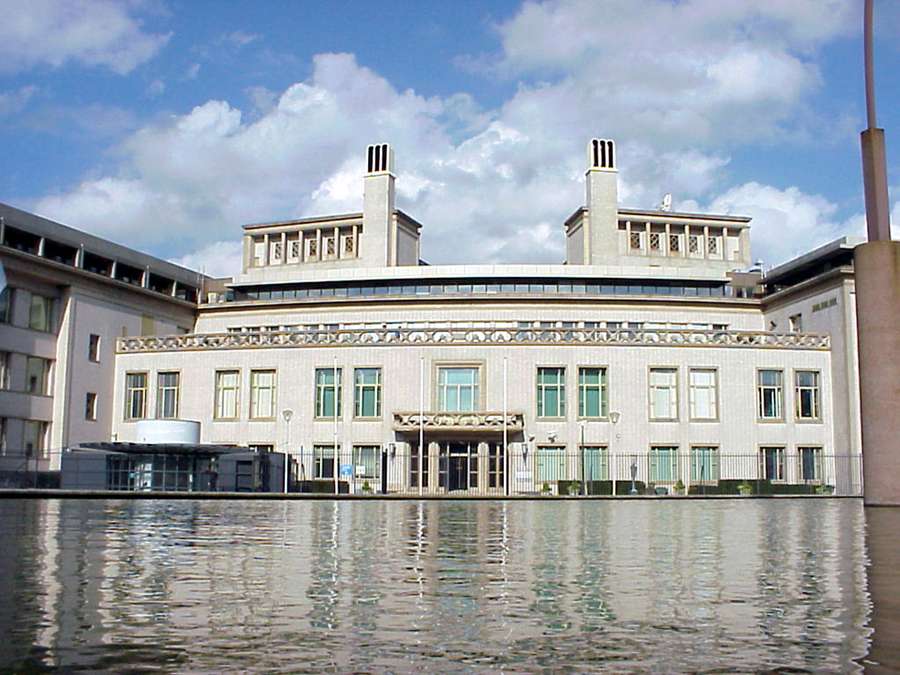
The IRMCT was established in 2010 by the UN Security Council to assume a number of ‘residual’ functions from the International Criminal Tribunal for Rwanda (ICTR) and the International Criminal Tribunal for the Former Yugoslavia (ICTY) as their mandates wound down. It comprises two branches: one in Arusha, Tanzania, which assumed functions derived from the ICTR and commenced operations in 2012; and one in The Hague, the Netherlands, which assumed functions derived from the ICTY and commenced operations in 2013.

Despite its title, the IRMCT is more than just a ‘residual mechanism’. It is an international court with a roster of 25 independent judges and, having inherited active caseloads from the ICTY and ICTR, its duties extend well beyond traditional ‘residual’ functions such as witness protection, supervision of sentences, and management of archives. The IRMCT only became fully ‘residual’ in 2023 with the conclusion of its final active trial and appeal proceedings in core crimes cases. Since then, the IRMCT has sought to transition into a purely residual institution, focusing on its remaining mandated functions and planning for the future.

I ask Gatti Santana what made her want to be a judge at an international tribunal like the IRMCT. ‘I was ready, to try at least, to make a contribution to international justice. Also, South America is sometimes not very well represented in international criminal law because we are not so active in this area. So, I thought it was a good opportunity from that point of view and to one day go back to Uruguay to share my experience and to contribute to the development of international criminal law there through teaching.’

During her time at the IRMCT, Gatti Santana has been involved in some of the biggest cases to come out of the ICTY and ICTR. These include the (now indefinitely stayed) trial of Félicien Kabuga, an alleged financier of the Rwandan genocide who was arrested in Paris in 2020 after more than 25 years on the run; as a member of the Appeals Chamber that increased Bosnian Serb leader Radovan Karadžić’s sentence to life imprisonment for the crimes of genocide, war crimes and crimes against humanity; and, as President, presiding over the Appeals Chamber in the Štanišić and Simatović case, which increased the prison sentences of two allies of former Serbian President Slobodan Milošević and expanded their conviction for war crimes and crimes against humanity to include liability as members of a ‘joint criminal enterprise’.

***

In 2022, UN Secretary-General António Guterres appointed Gatti Santana as President of the IRMCT for a term of two years (renewed in 2024). I ask her what made her decide to apply for the role after serving as a judge there for 10 years. Gatti Santana identifies the changing role of the IRMCT at the time – as its core judicial activity wound down and it prepared to transition to a fully ‘residual’ function – as a key reason she put herself forward. ‘I had the energy, the will, to do this work that’s not easy. And I thought that bringing a new perspective, coming from a part of the world that wasn’t directly involved in any of the conflicts that we have to deal with, would be good. And also, being a woman, why not?’

This is the second time in our conversation that Gatti Santana has referenced her background as an important factor in her career choices and it’s clearly an integral part of her professional as well as personal identity. I ask whether coming from South America influences her approach to international criminal justice or the role of President. ‘That was one of the reasons why I thought it might be a good idea for me to become President. Because we’re talking about international law and international justice. It’s international because it represents the whole international community; not just Europe, not just Africa. It’s for all of us. Coming as an outsider can give you a different way of looking at things and I think that’s important.’ Hearing Gatti Santana talk about the importance of international justice being representative of the international community as a whole and the fresh perspective that comes with being from a part of the world far removed from the conflicts which led to the establishment of the ICTR and ICTY, I recall the Ecuadorean Registrar at the International Criminal Court (ICC), Osvaldo Zavala Giler, expressing similar sentiments in a previous interview. I’m also struck that with the IRMCT President, the ICC Registrar, and a number of judges at the ICC and ICJ all hailing from Latin America, the region is making strides to address Gatti Santana’s concerns about it not being sufficiently represented in international criminal law.

I ask Gatti Santana how important diversity and inclusion is to her as the IRMCT’s first female President. ‘It’s absolutely important because it’s about the legitimacy of international justice. We were talking before about legitimacy in terms of geographical distribution and involving all States in international justice. But then you have to look at the people that are working in it, and how is it possible that roughly half of the population is not making decisions. Women are ignored sometimes. Not completely, things are improving, but there’s still a lot of work to do. You can take the Mechanism as an example. We are 25 judges but only eight are women. I’m not saying you always have to be 50/50, but balance should be the goal. Men and women should be equally represented. And why? Because it’s proven that when you have different perspectives you get better decisions.’

***

I turn to Gatti Santana’s tenure as President at the IRMCT. Tasked with overseeing the institution’s downsizing, I ask what her goals were upon assuming the Presidency. She says the overarching priority was to come up with a roadmap for the Security Council – which decides every two years whether to renew the IRMCT’s mandate – setting out how its downsizing and eventual closure could be achieved. ‘The big challenge was to present to the Security Council an idea of how the future could be for the Mechanism, particularly how to protect the legacy of the institution.’ The first milestone in Gatti Santana’s completion strategy was to finish the judicial activity in relation to the IRMCT’s core crimes cases. ‘And we were able to do it. We finished Stanisic and Simatovic in May 2023 in advance of projections and the Kabuga trial was suspended in September the same year. So, we have moved to the real residual phase.’

Between 1 January 2023 and 1 January 2025, the IRMCT saw a 50% decrease in staff and a budget reduction of US$21m. I ask Gatti Santana how she’s found it presiding over such a drastic internal restructuring. ‘It’s not an easy moment for an institution when you are downsized. There’s uncertainty and people are insecure about what is going to happen with jobs. That’s normal. We are all humans, we have families, and everybody can feel uncomfortable with that.’ She credits the IRMCT staff for not allowing that insecurity and uncertainty to distract them from their work. ‘We’re very lucky because we have staff that are really committed to what we are doing. A big part of our work now is to plan for the future, by which I mean planning for a day when, because we were created as a temporary institution, maybe we won’t be here. And the staff here are planning for that and all the steps that must be taken, because they are committed to the institution. Even if it’s a difficult situation for them, they are committed to doing what needs to be done to protect the legacy of the institution and support the important mandates the Mechanism continues to execute. So I’m very, very lucky that we have this kind of staff. If not, it wouldn’t be possible.’

Gatti Santana is clear that, even if the IRMCT’s prosecution and trial activities have finished, the institution remains busy. ‘People have a tendency to think that after a judgment is pronounced, the work is finished, and that’s not true. After the judgment, you have a very important and lengthy part of the judicial cycle that needs to continue, including enforcement of sentences, protection of witnesses and adjudicating requests for access to confidential information, which is now being used in domestic prosecutions related to the genocide against the Tutsis in Rwanda or the crimes committed in the Balkans war. We also have to administer our archives, trying to make all the information we hold accessible: our findings, our jurisprudence which is so important for the development of international law.’

***

If the commitment of the IRMCT’s staff is critical to the fulfilment of its mandate, so is the commitment and cooperation of States, particularly when it comes to enforcing IRMCT prison sentences. ‘There’s a tendency to think that after the big investigations and trials, the justice cycle is finished. But what’s the point in having a judgment if you cannot enforce it? We need the cooperation of States and are very grateful to those who decide to be enforcement States. We understand it’s a big responsibility.’

To help ease the burden of that responsibility on enforcement States, some commentators have proposed the establishment of an international detention unit where individuals convicted by international courts and tribunals can serve their sentences rather than relying on the goodwill of individual States. Gatti Santana believes a centralized enforcement system ‘could be a good idea in an ideal world’, as ‘it would save resources and be a better system for everyone’ but doesn’t see it happening in the real world. ‘At the moment, at least, I don’t think it’s possible to think about something like this.’ Why not? ‘If you look at the various international criminal courts, they have different backgrounds, different mandates that were created by different organizations of States, and different political interests from States.’

***

Throughout her time as President, Gatti Santana has faced criticism from some quarters about the continuation of the IRMCT. Russia, in particular, has argued that the institution “should have closed long ago” and has called for the immediate transfer of its remaining functions to national authorities and UN entities. ‘Criticism is part of my life as a judge since day one. All judicial decisions can be criticized. One person wins, the other loses. So, I’m used to it.’ Instead, she prefers to explain to those States calling for the IRMCT to be wrapped up immediately that ‘justice is more than just a judgment. It’s a long process that takes time and resources.’ She would also encourage States to stay faithful to the ideals that led them to establish the IRMCT and its predecessors in the first place. ‘When the international community decided to have international justice for certain crimes, they made a commitment to an idea. I think the reasonable decision now would be to remain committed to that idea.’

Gatti Santana cautions that another reason to avoid rushing to transfer the IRMCT’s functions to national authorities is that domestic practices and laws differ and can unfairly impact outcomes. ‘Some functions maybe can be transferred easily, but others are more difficult because, if you transfer them to States, you can have different treatment of individuals in the same position, which wouldn’t be fair. This is evident in the differing approaches to early release in our enforcement States.’ Gatti Santana is hopeful that the international community will keep this in mind when deciding the IRMCT’s future. ‘That’s why we need to be very careful with the options we have and I hope the Security Council will make the right decisions.’

***

The Security Council making the ‘right decisions’, Gatti Santana cautions, will be essential to ensuring that the legacy of the IRMCT is protected. ‘The importance of this institution, and the ICTY and ICTR before us, is that they were able to establish what was the truth, what happened in these conflicts. Every single fact was proven beyond reasonable doubt. And that’s so important for the future, especially as we now face these new waves of denial and attempts to rewrite history.’

The ‘new waves of denial’ and ‘attempts to rewrite history’ are references to a disturbing rise in genocide denial, historical revisionism and the glorification of convicted war criminals in Rwanda and the former Yugoslavia. Gatti Santana and IRMCT Prosecutor Serge Brammertz have both expressed their concerns about this trend in briefings to the Security Council. What can the IRMCT and States do to combat it? Gatti Santana believes that ‘education is key. The Mechanism tries to be as active as possible with the resources we have, and respecting our mandate, to bring our jurisprudence and our findings closer to the public so they can understand the reality of what happened.’

The archives of the ICTR, the ICTY, and the IRMCT are a vital tool in educating affected communities and providing them with access to accurate information. ‘Archives are the most important inheritance for the future. They need to be protected and accessible for future generations. That’s a very important part of my work.’ The IRMCT runs the Mechanism Information Programme for Affected Communities in the former Yugoslavia, funded by the European Union, ‘to help them understand how to work with our archives and to access our evidence. This is important so those from the communities can explain what really happened: what the witnesses said as well as the Courts’ findings and decisions. Because if you don’t know what really happened, you can believe whatever you want or whatever somebody else wants you to believe.’

***

Reflecting on her time as a judge and President at the IRMCT, I ask Gatti Santana whether her views about international justice have changed. Gatti Santana says they haven’t changed much and, despite the major challenges currently facing international justice and the institutions tasked with delivering it, she remains optimistic because in her view there is no better alternative out there: ‘It’s the best solution, even if it’s not perfect, as justice is a pre-condition for reconciliation.’ She believes that while some of the criticism of international courts and tribunals may be justified, some is the result of unreasonably high expectations. ‘Sometimes society expects more from tribunals than what they can deliver. They expect them to reconcile society. That cannot be done by a judgment. Judges decide if a person is guilty or innocent, and of course that judgment will have an impact, but it’s part of a much bigger process.’

That ‘bigger process’ of reconciliation appears to be under increasing strain in the Western Balkans, with tensions once again on the rise in the region. With 11 July 2025 marking the thirtieth anniversary of the Srebrenica genocide, I ask Gatti Santana what it would say about international justice as a solution, and what impact it would have on the legacy of the IRMCT and ICTY – whose landmark rulings confirmed that genocide was committed in Srebrenica – if conflict were to break out once again in the countries of the former Yugoslavia? Gatti Santana declines to comment specifically on the situation in the Balkans but notes, as a general observation on the world today, that ‘unfortunately humanity seems not to understand and not to remember what happened before.’

***

Gatti Santana’s dedication to international justice and being a judge shines through throughout our conversation. ‘I would never do anything else. Having the opportunity to make decisions on issues where people or the State cannot, it’s an honour. It’s a big responsibility as well, but I do it proudly and I love to do it. It’s a passion, really.’

‘Being a judge means that you are ready to take a lot of responsibility and to being committed to your work. And, it means that you are ready to accept higher standards of behaviour and that you can’t do things that other people can do. As a judge, you represent justice and that responsibility extends beyond the courtroom. You will always be seen as a judge.’

Gatti Santana’s appreciation of what it means to be a judge contrasts sharply with the case of former IRMCT judge Lydia Mugambe, who just a few days before I spoke with Gatti Santana was convicted in the UK of modern slavery offences against an individual who worked as her nanny. On 2 May, Mugambe was sentenced to just over six years in prison. Following her sentencing Mugambe resigned as an IRMCT judge.

When we spoke in March, immediately after Mugambe’s conviction, Gatti Santana was constrained in what she could say but her dismay was palpable. ‘It’s terrible what happened with Judge Mugambe. A very unfortunate surprise. We’re waiting to see the final developments. But on our side we’re going to take all the steps necessary, and according to the law and our regulations, to protect the integrity of the tribunal and also our work, balancing of course the rights of [Mugambe] but also the interests of the institution.’ Since my conversation with Gatti Santana, the IRMCT has released two statements which have been criticised by some commentators in the international justice field for their muted reaction to Mugambe’s conviction and for failing to disclose what internal disciplinary measures the IRMCT was taking due to “the confidential nature of internal procedures”.

***

I conclude by asking Gatti Santana what she hopes will be her legacy as IRMCT President. ‘What I would like is that in 30-40 years the Mechanism and the ICTR and the ICTY are remembered and their legacy is protected. If I can achieve that, if I can be part of that process, I will be very, very happy and I will consider that my job was well done
 
1793309581290.png


29 October 2026

Tanzania 2026 : Simulizi za maumivu na kutafuta haki baada ya uchaguzi 2025​


View: https://m.youtube.com/watch?v=izWs1lJ4QrI
Mwaka mmoja baada ya maandamano na ghasia kubwa zilizofuatia uchaguzi wa Oktoba 2025 nchini Tanzania, familia zinaendelea kuomboleza wapendwa wao waliouawa katika machafuko hayo, huku manusura wengine wakiishi na majeraha yaliyobadilisha maisha yao ikiwa ni pamoja na kushindwa kujigharamia matibabu.

Ripoti mpya ya Shirika la kutetea haki za binadamu la Amnesty International imeishutumu serikali kwa kushindwa kuwawajibisha waliohusika na vifo vya waandamanaji jambo ambalo serikali ya Tanzania imekua ikikanusha.

Mamlaka nchini Tanzania hazikujibu ombi la BBC la kuhusu madai hayo. Mwandishi wetu Alfred Lasteck amezungumza na familia ambazo bado zinatafuta haki na majibu kuhusu wapendwa wao waliopotea

Chapters za matukio video :

  • 00:00 - 00:30 Mwaka mmoja baada ya matukio ya Uchaguzi
  • 00:30 - 01:15 Familia zinatafuta majibu
  • 01:15 - 02:20 Mama amlilia binti yake0
  • 2:20 - 2:44 Mwaka mmoja baadaye
  • 02:44 - 3:43 Muathiriwa aliyenusurika kuuawa
  • 03:44 - 04:50 Familia ilivyompoteza baba wa familia
  • 04:51 - 5:45 Familia inahoji mwili wa ndugu yao upo wapo?
  • 5:56 - 6:15 kukarabatiwa kwa miundombinu iliyoharibiwa
  • 06:16 - 07:09 Serikali ikubali makosa?
  • 07:10 - 07:30 Nani anawajibika na vifo?
  • 07: 57 - 08:24 Familia zinasema bado zinamaumivu
 
29 October 2026
Dar es Salaam, Tanzania

The European Union remembers those who lost their lives on October 29 2025 in Tanzania​


View: https://m.youtube.com/watch?v=wSyqSPrmz1c
On the first anniversary of the tragedy, EU Special Representative for Human Rights Ilze Brands Kehris and other international bodies highlighted the ongoing lack of justice for the victims.

Tanzanian Security forces brutally suppressed the resulting public protests after on 29 October 2025 and days that folloeed. Measures included unlawful use of force, firearms, mass arrests, curfews, and a nationwide internet shutdown.

The European Union remembers and pay tribute to all those who lost their lives and their love ones on October 29 2025 and also the days that followed
 
Back
Top Bottom