BBC yarusha habari kuhusu wakosoaji wa Serikali wanaotekwa, kupotea au kuuawa
You are using an out of date browser. It may not display this or other websites correctly.
You should upgrade or use an alternative browser.
You should upgrade or use an alternative browser.
BBC yarusha habari kuhusu wakosoaji wa Serikali wanaotekwa, kupotea au kuuawa
Katika amka na BBC leo asubuhi tarehe 03/09/2025, shirika la utangazi la BBC limejaribu kuwataja watu wanaowaua wakosoaji wa serikali
03 September 2025
'A bullet went through my skull': Tanzania abduction survivor

Alfred Lasteck
BBC News in Mbeya
- Published
3 September 2025, 00:32 BST
- Published
In the wake of his abduction on a highway in Tanzania's main city Dar es Salaam, social media activist Edgar Mwakabela, better known as Sativa, says he came close to death.
He describes in an interview with the BBC how, after kidnapping him on 23 June last year, his captors interrogated him and then ferried him across the country to the remote Katavi region near the Congolese border, more than 1,000km (600 miles) away.
Sativa says he was handcuffed, blindfolded and brutally beaten, including being struck repeatedly on his head, back and legs with the flat side of a machete.
"It was extremely painful."
He tells the BBC that those who abducted him wanted to know who was facilitating his activism, and why he was criticising the ruling Chama Cha Mapinduzi (CCM) party, in power since 1977.
Sativa believes those who held him were police officers or other operatives linked to the authorities.
However, the government denies that it targets critics of the state.
Sativa says that on the fourth day after being taken, the violence continued as his captors transported him to the Katavi National Park, full of dangerous wild animals, and dragged him towards a river.
He believes it was clear that his captors had no intention of letting him live.
Then, he says, came the chilling order shouted from a vehicle behind them: "Shoot him!"
A trigger was pulled. A bullet went through his skull. His jaw was shattered.
Sativa's captors left - he thought he had been left for dead.
As October's general election 2025 edges closer, abductions have become more common, mostly targeting anti-government critics and opposition voices.

Image caption,
Opposition party Chadema is offering a reward for information about one of its members who is missing
Every other week, police or social media posts announce a missing person. Some are never found and others reappear with disturbing accounts of violence or torture – and some have been found dead.
Sativa's case offers a rare account from a survivor.
Despite suffering life-threatening injuries, he regained consciousness and crawled to a road where wildlife rangers rescued him.
He would require long and specialised treatment, and his survival has been described as "extraordinary".
The police did not respond to BBC requests for an interview, but in a video statement released to media houses in June, their spokesperson, Deputy Commissioner David Misime, said they do act on information about those missing and conduct an investigation.
The BBC has spoken to families of people reported missing and those who have died, and they have relayed their agony over missing loved ones.

Image caption,
Artist Shedrack Chaula, photographed here waiting to appear in court last year, was convicted for burning a picture of the president
Portrait artist Shedrack Chaula, 25, is among those still missing.
He has not been seen or heard from in over a year. In June 2024 he posted a TikTok video that went viral of him burning President Samia Suluhu's photo and insulting her.
He was arrested, convicted of cyber-harassment and released after paying a fine. A month later, he was abducted by unknown individuals.
"We don't know when or if he will be found. When he was arrested, at least we knew where he was. Now, even the authorities say they don't know," his father, Yusuf Chaula tells the BBC.
He says that in August 2024, three men arrived in a car with tinted windows and seized him. They did not identify themselves or explain why or where they were taking him.
BBC
"We have made every effort. We are exhausted. We visited every detention facility. We went to prisons and police stations at different levels - local, district and regional," he says.If we knew he had died and been buried somewhere, at least we'd have a grave to visit"
Yusuf Chaula
Father of missing artist Shedrack Chaula
The police have insisted that an investigation is in progress.
"If we knew where he is, or where he is being held, or even if we knew he had died and been buried somewhere, at least we'd have a grave to visit," Mr Chaula says mournfully, grappling with the torment of unanswered questions and the absence of closure.
In June, UN experts reported that over 200 enforced disappearances have been recorded, external in the country since 2019.
They expressed alarm over the "torture to silence opposition and critics" ahead of the elections, and called on the government to "immediately" stop it.
Rights groups Amnesty International and Human Rights Watch recently accused the government of being behind arrests, abuse and forced disappearances.
The authorities have denied the allegations.
The police have identified at least a dozen abduction cases since last year some of which have since been resolved, with many going back to 2019.
On 18 June, the police announced that investigations had led to the discovery of some victims who were still alive.
They added that some cases involved self-staged abductions, while others arose from romantic relationships gone sour, superstitious beliefs and property disputes.
"The police force urges relatives, friends and the public to remain calm as security forces continue their investigations to uncover the facts surrounding these incidents," Deputy Commissioner Misime said.
The president has urged the police force to end the troubling incidents of people going missing – a directive many Tanzanians hope will lead to justice.

Image caption,
Siji Mbugi, the wife of opposition politician Mpaluka Nyangali, has not heard from him since May
In May, activist and opposition politician Mpaluka Nyangali, widely known as Mdude, was abducted from his home in Mbeya, southern Tanzania, in a violent incident witnessed by his wife and young child.
There were blood stains at the scene, showing the brutality of the attack.
Since then, members of the main opposition Chadema party have launched a search across Mbeya and have held prayer vigils demanding answers from the police, whom they suspect to be complicit in the incident.
To date, Mdude's wife, Siji Mbugi, has not heard from him.
"I beg for the release of my husband, I believe he is being held by police and the authorities. Mdude has done nothing. He has never stolen anything from anybody, I beg for his release. If he had issues then take him to court," she says.
On 9 July, the High Court in Mbeya dismissed a case that she filed over her husband's disappearance.
She had testified that armed individuals identifying themselves as police officers had stormed their home late at night and assaulted Mdude, before taking him away.
During the proceedings, Mbeya police admitted they were investigating the possibility that one of their officers may have played a role in the abduction of Mdude.
Activists have described the dismissal of the case as a major setback in the continuing struggle for justice for Tanzania's embattled opposition.

Image caption,
A smear of blood could be seen in the living room of Mdude's home following his abduction in May
No arrests or prosecutions have been made in connection with incidents, although the police say investigations are under way.
Some activists from other countries in the region have also accused the Tanzanian authorities of targeting them.
Kenyan Boniface Mwangi and Ugandan Agather Atuhaire, have said that they were detained and sexually tortured after they arrived in Tanzania on 19 May to observe the trial of opposition leader Tundu Lissu, who faces treason charges.
Mwangi's and Atuhaire's whereabouts were unknown for several days. Both were abandoned near their countries' borders.
But Jumanne Muliro, the commander of the Dar es Salaam police special zone, told the BBC at the time that their allegations were "hearsay" and asked them to present evidence for investigations. They have since filed a case at the regional East African Court of Justice over the matter.
Their ordeal cast a spotlight on the issue of forced disappearances of government critics, opposition figures and human rights defenders in Tanzania.
"No-one is providing answers," says Maduhu William, an activist at the Legal and Human Rights Centre (LHRC), adding that security agencies routinely promise to conduct a thorough investigation but the matter ends there.
"At the end of the day we do not get feedback on what is happening to those [cases]," he says, citing the example of Ali Kibao, a senior Chadema official, who was killed last year after being kidnapped, beaten and doused with acid.
"Even President [Samia] ordered security forces in Tanzania to conduct a thorough investigation and submit a report to her for further action. But up to now, nothing has been heard," he says.
Boniface Mwabukusi, the president of the Tanganyika Law Society, says many people are afraid to come out and share their stories for fear of victimisation.
He says there is no free, independent system that can ensure proper justice.
"If you are in police custody and the same officers ask you to give a statement about your abduction, can you really go to them? You can't," he says.
"Most people, they leave it to God. They are afraid. They say if they pursue the matter, things will get worse
Source : BBC

tpaul

Platinum Member
- Feb 3, 2008
- 27,843
- 29,350
- Thread starter
- #64
Hivi hawa wauaji wanapoua watu wote hawa kwa sababu ya madraka je, hayo madaraka yatawapeleka mbinguni?03 September 2025
'A bullet went through my skull': Tanzania abduction survivor
Alfred Lasteck
BBC News in Mbeya
Warning: This article contains details that some readers may find distressing.
- Published
3 September 2025, 00:32 BST
In the wake of his abduction on a highway in Tanzania's main city Dar es Salaam, social media activist Edgar Mwakabela, better known as Sativa, says he came close to death.
He describes in an interview with the BBC how, after kidnapping him on 23 June last year, his captors interrogated him and then ferried him across the country to the remote Katavi region near the Congolese border, more than 1,000km (600 miles) away.
Sativa says he was handcuffed, blindfolded and brutally beaten, including being struck repeatedly on his head, back and legs with the flat side of a machete.
"It was extremely painful."
He tells the BBC that those who abducted him wanted to know who was facilitating his activism, and why he was criticising the ruling Chama Cha Mapinduzi (CCM) party, in power since 1977.
Sativa believes those who held him were police officers or other operatives linked to the authorities.
However, the government denies that it targets critics of the state.
Sativa says that on the fourth day after being taken, the violence continued as his captors transported him to the Katavi National Park, full of dangerous wild animals, and dragged him towards a river.
He believes it was clear that his captors had no intention of letting him live.
Then, he says, came the chilling order shouted from a vehicle behind them: "Shoot him!"
A trigger was pulled. A bullet went through his skull. His jaw was shattered.
Sativa's captors left - he thought he had been left for dead.
As October's general election 2025 edges closer, abductions have become more common, mostly targeting anti-government critics and opposition voices.
Image caption,
Opposition party Chadema is offering a reward for information about one of its members who is missing
Every other week, police or social media posts announce a missing person. Some are never found and others reappear with disturbing accounts of violence or torture – and some have been found dead.
Sativa's case offers a rare account from a survivor.
Despite suffering life-threatening injuries, he regained consciousness and crawled to a road where wildlife rangers rescued him.
He would require long and specialised treatment, and his survival has been described as "extraordinary".
The police did not respond to BBC requests for an interview, but in a video statement released to media houses in June, their spokesperson, Deputy Commissioner David Misime, said they do act on information about those missing and conduct an investigation.
The BBC has spoken to families of people reported missing and those who have died, and they have relayed their agony over missing loved ones.
Image source,The Citizen
Image caption,
Artist Shedrack Chaula, photographed here waiting to appear in court last year, was convicted for burning a picture of the president
Portrait artist Shedrack Chaula, 25, is among those still missing.
He has not been seen or heard from in over a year. In June 2024 he posted a TikTok video that went viral of him burning President Samia Suluhu's photo and insulting her.
He was arrested, convicted of cyber-harassment and released after paying a fine. A month later, he was abducted by unknown individuals.
"We don't know when or if he will be found. When he was arrested, at least we knew where he was. Now, even the authorities say they don't know," his father, Yusuf Chaula tells the BBC.
He says that in August 2024, three men arrived in a car with tinted windows and seized him. They did not identify themselves or explain why or where they were taking him.
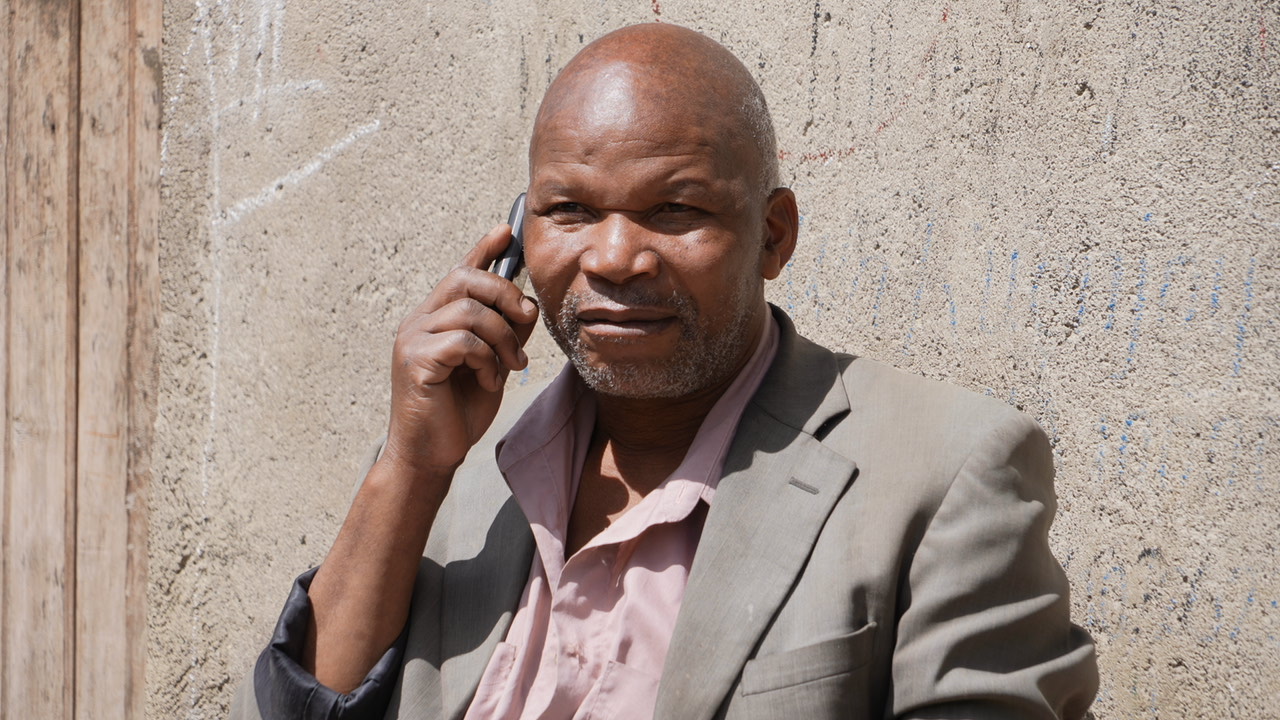
BBC
"We have made every effort. We are exhausted. We visited every detention facility. We went to prisons and police stations at different levels - local, district and regional," he says.
The police have insisted that an investigation is in progress.
"If we knew where he is, or where he is being held, or even if we knew he had died and been buried somewhere, at least we'd have a grave to visit," Mr Chaula says mournfully, grappling with the torment of unanswered questions and the absence of closure.
In June, UN experts reported that over 200 enforced disappearances have been recorded, external in the country since 2019.
They expressed alarm over the "torture to silence opposition and critics" ahead of the elections, and called on the government to "immediately" stop it.
Rights groups Amnesty International and Human Rights Watch recently accused the government of being behind arrests, abuse and forced disappearances.
The authorities have denied the allegations.
The police have identified at least a dozen abduction cases since last year some of which have since been resolved, with many going back to 2019.
On 18 June, the police announced that investigations had led to the discovery of some victims who were still alive.
They added that some cases involved self-staged abductions, while others arose from romantic relationships gone sour, superstitious beliefs and property disputes.
"The police force urges relatives, friends and the public to remain calm as security forces continue their investigations to uncover the facts surrounding these incidents," Deputy Commissioner Misime said.
The president has urged the police force to end the troubling incidents of people going missing – a directive many Tanzanians hope will lead to justice.
Image caption,
Siji Mbugi, the wife of opposition politician Mpaluka Nyangali, has not heard from him since May
In May, activist and opposition politician Mpaluka Nyangali, widely known as Mdude, was abducted from his home in Mbeya, southern Tanzania, in a violent incident witnessed by his wife and young child.
There were blood stains at the scene, showing the brutality of the attack.
Since then, members of the main opposition Chadema party have launched a search across Mbeya and have held prayer vigils demanding answers from the police, whom they suspect to be complicit in the incident.
To date, Mdude's wife, Siji Mbugi, has not heard from him.
"I beg for the release of my husband, I believe he is being held by police and the authorities. Mdude has done nothing. He has never stolen anything from anybody, I beg for his release. If he had issues then take him to court," she says.
On 9 July, the High Court in Mbeya dismissed a case that she filed over her husband's disappearance.
She had testified that armed individuals identifying themselves as police officers had stormed their home late at night and assaulted Mdude, before taking him away.
During the proceedings, Mbeya police admitted they were investigating the possibility that one of their officers may have played a role in the abduction of Mdude.
Activists have described the dismissal of the case as a major setback in the continuing struggle for justice for Tanzania's embattled opposition.
Image caption,
A smear of blood could be seen in the living room of Mdude's home following his abduction in May
No arrests or prosecutions have been made in connection with incidents, although the police say investigations are under way.
Some activists from other countries in the region have also accused the Tanzanian authorities of targeting them.
Kenyan Boniface Mwangi and Ugandan Agather Atuhaire, have said that they were detained and sexually tortured after they arrived in Tanzania on 19 May to observe the trial of opposition leader Tundu Lissu, who faces treason charges.
Mwangi's and Atuhaire's whereabouts were unknown for several days. Both were abandoned near their countries' borders.
But Jumanne Muliro, the commander of the Dar es Salaam police special zone, told the BBC at the time that their allegations were "hearsay" and asked them to present evidence for investigations. They have since filed a case at the regional East African Court of Justice over the matter.
Their ordeal cast a spotlight on the issue of forced disappearances of government critics, opposition figures and human rights defenders in Tanzania.
"No-one is providing answers," says Maduhu William, an activist at the Legal and Human Rights Centre (LHRC), adding that security agencies routinely promise to conduct a thorough investigation but the matter ends there.
"At the end of the day we do not get feedback on what is happening to those [cases]," he says, citing the example of Ali Kibao, a senior Chadema official, who was killed last year after being kidnapped, beaten and doused with acid.
"Even President [Samia] ordered security forces in Tanzania to conduct a thorough investigation and submit a report to her for further action. But up to now, nothing has been heard," he says.
Boniface Mwabukusi, the president of the Tanganyika Law Society, says many people are afraid to come out and share their stories for fear of victimisation.
He says there is no free, independent system that can ensure proper justice.
"If you are in police custody and the same officers ask you to give a statement about your abduction, can you really go to them? You can't," he says.
"Most people, they leave it to God. They are afraid. They say if they pursue the matter, things will get worse
Source : BBC

Kamanda Moshi
JF-Expert Member
- Apr 1, 2012
- 2,014
- 3,066
Ni kweli, leo nimetafuta BBC bila mafanikio. Sasa kama wao hawahusiki why matangazo yalikatwa? Hii ni ajabu lakini…Asubuhi RFA na Radio One walikata matangazo ya BBC kwa ajili ya taarifa hii.

NGUVU NDOGO NI IPI
JF-Expert Member
- Jul 13, 2019
- 909
- 1,046
Pamoja na majibu Yako mazuri ila ninamashaka sana na haya majibu yawezekana watekaji wamekutuma uwe unafanya kazi ya kupuuza mada za utekaji Ili watz wasipotee habari hiziKuna vitu vingine huwa nashindwa kuelewa. Inawezekana watz wengi wana tatizobla changamoto ya afya ya akili. Sasa mleta habari anasema bbc imelitaja genge watu wanategemea umewaletea taarifa ukiwaweka wazi hao waliotajwa ili kila mtu awajue. Sasa wewe unachofanya kinamsaidia mtu kivipi anayesoma uzi huu?
Maana hayo majina hawajayaona. Au unatafuta tu validation kwamba na wewe uliwahi andikaga kitu humu.
Huu muda uliotumia kuandika huu uzi si ungekuwa unafanya kazi inayokupatia kipato baadae watoto wako angalau wapate chochote kitu tumboni. Aisee kweli changamoto ya afya ya akili ni kubwa tz

Donnie Charlie
JF-Expert Member
- Sep 16, 2009
- 19,009
- 22,509
Wamemuhoji na yule jamaa aliyetupwa katavi.

implicit memory
JF-Expert Member
- Nov 14, 2024
- 2,109
- 2,157
Uenda ni network za hivyo vituo,vilipata itilafu,je FB hawakurusha hadi mwisho??Asubuhi RFA na Radio One walikata matangazo ya BBC kwa ajili ya taarifa hii.

chiembe
JF-Expert Member
- May 16, 2015
- 20,711
- 31,331
Katika amka na BBC leo asubuhi tarehe 03/09/2025, shirika la utangazi la BBC limejaribu kuwataja watu wanaowaua wakosoaji wa serikali, akiwemo Shadrack Chaula (Car of God) kutoka mkoa wa Mbeya aliyetekwa mwezi mmoja baada ya kunusurika kifungo cha miaka miwili kwa kosa la kuchoma picha ya Samia.
WATUHUMIWA WANASEMAJE?
Viongozi wa serikali walipotakiwa kutoa ufafanuzi, wamekimbia na kuingia mitini. Mbali na kamanda wa polisi aliyesema uchunguzi bado unaendelea, hadi sasa kuna wakosoaji wengi wa serikali wameuawa, akiwemo Tundu Lissu aliyeponea chupuchupu kuuawa kwa risasi.
Watetezi wa haki za binadamu wamekuwa wakikemea vikali mauaji haya na kusema ikiwa watu wana makosa ni afadhali wafungwe jela badala ya kuuawa ovyo kama umbwa. Wametolea mfano wa Car of God ambaye alifungwa kihalali kwa kuchoma picha ya rais na kulipa faini halali ya kisheria lakini baadaye wauaji wakaja kuchukua. Haipendezi.
MAONI YANGU
Nakemea kwa nguvu zote haya mauaji ya wakosoaji wa serikali. Kama wana makosa ni vizuri wafungwe badala ya kuuawa.
View: https://www.youtube.com/watch?v=dpelpum5ecU
Itakuwa yule mwandishi mwenye nywele nyingi mpaka zina chawa
TUKIREJESHWA KWA NGUVU NA POLISI MIKOA TULIYOTOKA SIKU YA VIJANA DUNIANI 2024Rights groups Amnesty International and Human Rights Watch recently accused the government of being behind arrests, abuse and forced disappearances.
Vijana wa CHADEMA BAVICHA WAKIWA KTK KARANDINGA LA POLISI SIKU YA VIJANA DUNIANI MBEYA 2024
Jumla ya vijana zaidi ya 500 wanachama wa CHADEMA walikamatwa katika operesheni kubwa ya jeshi la Polisi nchini Tanzania kuwazuia wasiweze kushiriki kongamano la kuadhimisha Siku ya Vijana Duniani iliyoandaliwa na CHADEMA kufanyika jijini Mbeya Tanzania .
tpaul
Platinum Member
- Feb 3, 2008
- 27,843
- 29,350
- Thread starter
- #75
PoliCCM katika ubora wao. Hawa jamaa ni zaidi ya mbwa.TUKIREJESHWA KWA NGUVU NA POLISI MIKOA TULIYOTOKA SIKU YA VIJANA DUNIANI 2024
Vijana wa CHADEMA BAVICHA WAKIWA KTK KARANDINGA LA POLISI SIKU YA VIJANA DUNIANI MBEYA 2024
View attachment 3463933
Jumla ya vijana zaidi ya 500 wanachama wa CHADEMA walikamatwa katika operesheni kubwa ya jeshi la Polisi nchini Tanzania kuwazuia wasiweze kushiriki kongamano la kuadhimisha Siku ya Vijana Duniani iliyoandaliwa na CHADEMA kufanyika jijini Mbeya Tanzania .

Nkulu wa nchito
JF-Expert Member
- Dec 13, 2019
- 2,078
- 2,759
Katika amka na BBC leo asubuhi tarehe 03/09/2025, shirika la utangazi la BBC limejaribu kuwataja watu wanaowaua wakosoaji wa serikali, akiwemo Shadrack Chaula (Car of God) kutoka mkoa wa Mbeya aliyetekwa mwezi mmoja baada ya kunusurika kifungo cha miaka miwili kwa kosa la kuchoma picha ya Samia.
WATUHUMIWA WANASEMAJE?
Viongozi wa serikali walipotakiwa kutoa ufafanuzi, wamekimbia na kuingia mitini. Mbali na kamanda wa polisi aliyesema uchunguzi bado unaendelea, hadi sasa kuna wakosoaji wengi wa serikali wameuawa, akiwemo Tundu Lissu aliyeponea chupuchupu kuuawa kwa risasi.
Watetezi wa haki za binadamu wamekuwa wakikemea vikali mauaji haya na kusema ikiwa watu wana makosa ni afadhali wafungwe jela badala ya kuuawa ovyo kama umbwa. Wametolea mfano wa Car of God ambaye alifungwa kihalali kwa kuchoma picha ya rais na kulipa faini halali ya kisheria lakini baadaye wauaji wakaja kuchukua. Haipendezi.
MAONI YANGU
Nakemea kwa nguvu zote haya mauaji ya wakosoaji wa serikali. Kama wana makosa ni vizuri wafungwe badala ya kuuawa.
View: https://www.youtube.com/watch?v=dpelpum5ecU
Kwan BBC wameanza leo kurusha hizo mambo labda ww ni mgeni wa BBC

Mangwea1900
JF-Expert Member
- May 29, 2025
- 2,484
- 3,277
Inaumiza sana
View: https://m.youtube.com/watch?v=GPMiaTSFWgk
Criminal Case No. 19605/2025: Republic vs Tundu Lissu.
Defend Truth
TRUTH IS NOT TREASON OP-ED
Tundu Lissu and my struggle against authoritarianism and the fight for democracy
Tundu Lissu, leader of Tanzania’s main opposition party Chadema, arrives at the Kisutu Resident Magistrates’ Court in Dar es Salaam on 19 May 2025. (Photo: EPA-EFE / Anthony Siame)
By Leopoldo López
, WLC Secretary General
WORLD LIBERTY CONGRESS
My imprisonment was meant to intimidate a generation of Venezuelans. Tundu Lissu’s possible death sentence is meant to frighten every Tanzanian citizen who dreams of democracy. But history shows that words cannot be imprisoned forever.
In 2014, I was arrested in Venezuela for calling on my fellow citizens to protest peacefully against dictatorship. A year later, in 2015, I was sentenced to 14 years in prison. My supposed crimes were not acts of violence or conspiracy, but my words – my speeches demanding democratic change. My case reached a level of absurdity and manipulation that speaks for itself: the judge argued that I had the power to send “subliminal messages” to the Venezuelan people, and for this I was condemned.
I endured seven years behind bars and under house arrest before managing to escape. Even now, in freedom, I carry the weight of those who remain unjustly imprisoned. Today, there are thousands of political prisoners in Venezuela and hundreds of thousands more across the world whose only “crime” is to speak truth to power and to demand democracy.
My brother in struggle, Tundu Lissu of Tanzania, stands today where I once stood: in the dock, accused of treason for words spoken in defence of democracy. His case is even more severe. In Tanzania, treason carries the death penalty. For daring to call for electoral reform, for daring to imagine a more just and democratic future, Tundu faces not only the possibility of years in prison, but the possibility of execution.
Tundu and I are bound by more than the similarities of our persecution. We are both founding members of the Platform of African Democrats, a transnational initiative uniting political leaders across Africa who fight to keep alive the flame of democracy under authoritarian assault. We also serve together in the World Liberty Congress, a global coalition of dissidents, human rights defenders and democratic leaders from every continent. Our purpose is simple yet urgent: to ensure that authoritarian regimes cannot suffocate freedom through censorship, repression and criminalisation of dissent.
What unites us is stronger than any prison wall or courtroom sentence: the conviction that words are not crimes, and that truth is not treason. Yet this is precisely the pattern we see across the globe. Authoritarians fear speech more than force, because speech inspires people to rise, to question, to imagine freedom. And so they turn words into weapons against their own people, prosecuting dissent as though it were a threat to national security.
I know first-hand how this playbook works. My trial in Caracas was described by international observers as a farce, orchestrated to remove a voice the regime feared. In Tanzania, Tundu is denied fair legal representation, held in harsh conditions, and faces a judiciary under political pressure. Different countries, same pattern: the use of courts not to deliver justice, but to extinguish it.
The stakes could not be higher. My imprisonment was meant to intimidate a generation of Venezuelans. Tundu’s possible death sentence is meant to frighten not only his party but every Tanzanian citizen who dreams of democracy. And yet, history shows that words – once spoken – cannot be imprisoned forever. They live in the people who hear them, who carry them, and who eventually act upon them.
The world must not turn away. To defend Tundu Lissu is to defend every political prisoner, in Venezuela, in Africa and beyond. To stand with him is to affirm that democracy cannot survive if words are treated as crimes, and that freedom cannot be prosecuted. DM
Leopoldo López is a Venezuelan opposition leader, economist and sociologist. He was elected mayor of the Chacao Municipality of Caracas in 2000, and is the national coordinator of another political party, Voluntad Popular, which he founded in 2009
The world must not turn away. To defend Tundu Lissu is to defend every political prisoner, in Venezuela, in Africa and beyond. To stand with him is to affirm that democracy cannot survive if words are treated as crimes, and that freedom cannot be prosecuted
02 September 2025
TANZANIA SIYO KISIWA, CCM ITAMBUE JUMUIYA YA KIMATAIFA INATAYARISHA JAMBO
Sasa jumuiya ya kimataifa inashughulikia wakandamizaji wa Venezuela, watawala kandamizi wa Tanzania nao wajitayarishe
View: https://m.youtube.com/watch?v=JR9pibitoYU
Diego Sequera is a Venezuelan journalist and writer at Misión Verdad