Comparing the M1A2 Abrams and T-14 Armata: A Detailed Analysis
Article by:
Defensebridge

Introduction to the M1A2 Abrams and T-14 Armata.
The M1A2 Abrams and the T-14 Armata are two of the world's most advanced and heavily armed main battle tanks. Both tanks are designed to operate in modern warfare scenarios and provide superior protection, firepower, and mobility to their operators. They are the flagship tanks of their nations, the United States and Russia. They have been designed and built with the latest technologies to ensure their superiority on the battlefield.
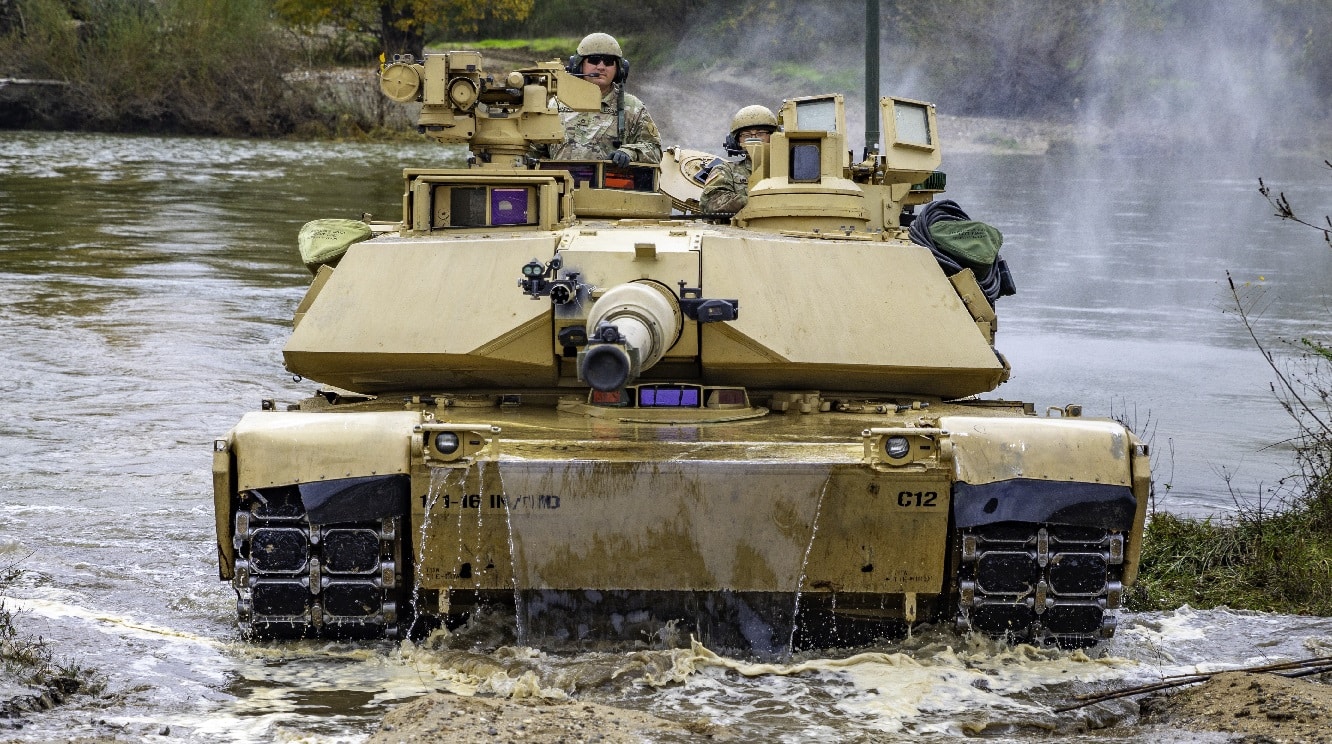
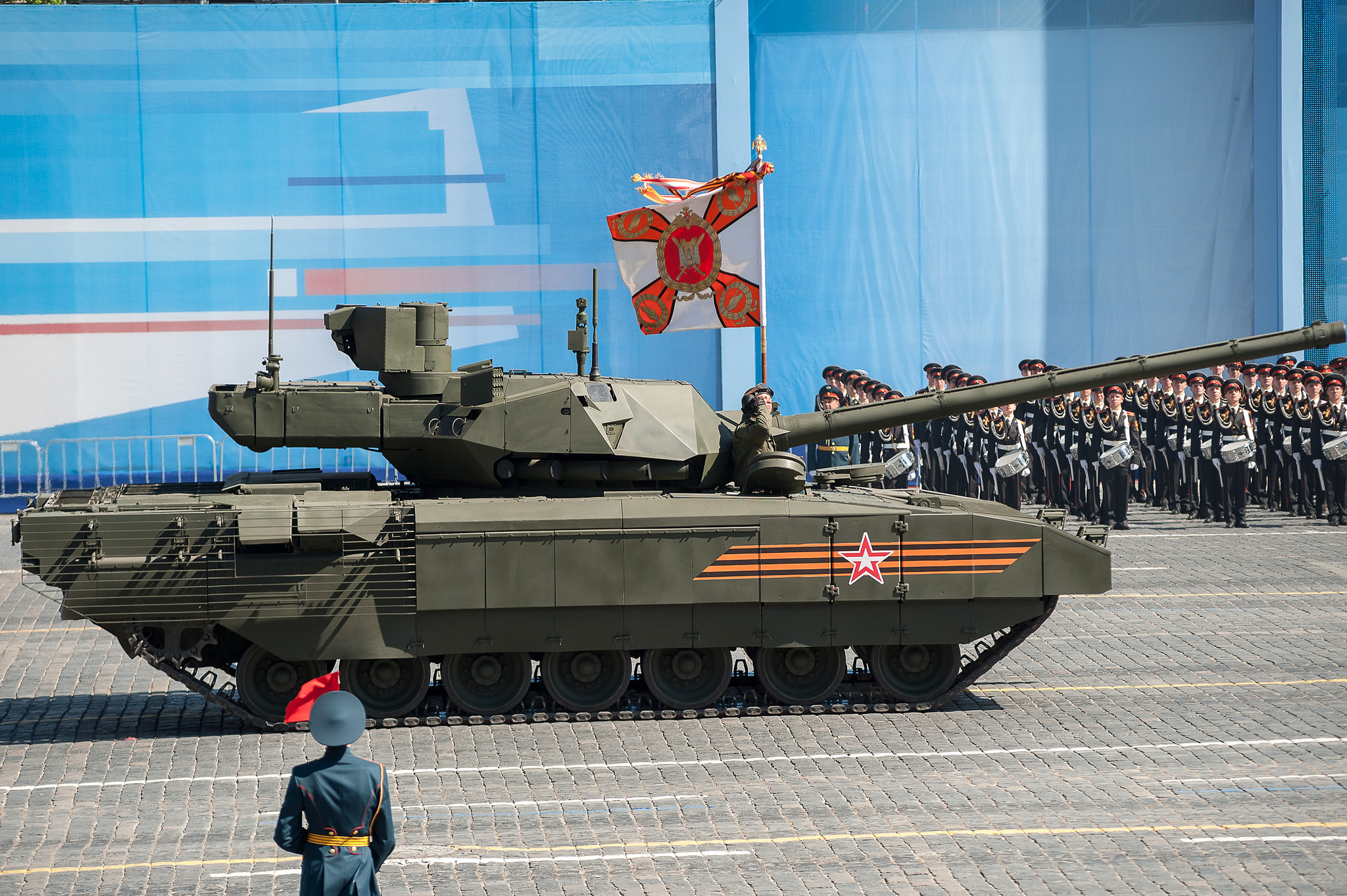
The M1A2 Abrams is a third-generation main battle tank in service with the United States Army since 1980. It is named after General Creighton Abrams and is one of the most widely used tanks in the world, with thousands of units in operation. The M1A2 Abrams has a 120mm smoothbore cannon, advanced composite armor, and a powerful turbine engine that gives it a top speed of 42 mph. The tank also features advanced fire control systems and a digital battlefield management system that provides situational awareness to the crew. The T-14 Armata is a fourth-generation main battle tank Russia introduced in 2015. It is designed to replace the aging T-72, T-80, and T-90 tanks currently in service with the Russian military. The T-14 Armata features a 125mm smoothbore cannon, an unmanned turret, and advanced composite armor that protects against enemy fire. The tank also incorporates several advanced technologies, including an active protection system, a digital battlefield management system, and an integrated defensive system to detect and counter enemy attacks.
The M1A2 Abrams and the T-14 Armata are highly advanced and capable main battle tanks that incorporate the latest technologies and design features to provide their operators with superior firepower, mobility, and protection. They are among the world's most heavily armed and armored tanks designed to operate in modern warfare scenarios. Comparing these tanks regarding their features, specifications, and capabilities would provide an exciting and insightful analysis for military enthusiasts and defense experts alike.
Armour and Protection.
Armour and protection are critical features of any main battle tank, as they directly impact the tank's survivability on the battlefield. The M1A2 Abrams and the T-14 Armata are designed with advanced armor and protection systems to provide superior protection against enemy fire.
M1A2 Abrams: The M1A2 Abrams features advanced composite armor that provides superior protection against kinetic energy penetrators and shaped charge munitions. The armor comprises depleted uranium, steel, and ceramics, providing excellent protection against armor-piercing and high-explosive anti-tank rounds. The tank also features a layer of explosive reactive armor on the front hull and turret, which detonates upon impact to disrupt and defeat incoming projectiles. Additionally, the M1A2 Abrams is equipped with a CBRN (chemical, biological, radiological, and nuclear) protection system, which provides the crew with a safe environment in case of a nuclear, biological, or chemical attack.
T-14 Armata: The T-14 Armata features an advanced armor system called "Afghanit," which is composed of composite materials, reactive armor, and an active protection system. The reactive armor on the T-14 is designed to detonate upon impact, reducing the kinetic energy of incoming rounds. The active protection system uses radar and optical sensors to detect and track incoming projectiles and then deploys a countermeasure to intercept and destroy them before impact. The tank also features an unmanned turret, which reduces the size of the tank's silhouette and provides additional protection to the crew.
The M1A2 Abrams and the T-14 Armata are designed with advanced armor and protection systems to provide superior protection against enemy fire. While both tanks utilize different technologies and designs, they are both highly effective in providing survivability to their crew in combat situations.
M1A2 Abrams
Firepower and Weapon Systems.
Firepower and weapon systems are critical features of any main battle tank. The M1A2 Abrams and the T-14 Armata are equipped with advanced weaponry to deliver devastating firepower on the battlefield.
M1A2 Abrams: The M1A2 Abrams is equipped with a 120mm smoothbore cannon, which is capable of firing a variety of munitions, including armor-piercing, high-explosive, and anti-personnel rounds. The cannon is also equipped with a computerized fire control system, which provides superior accuracy and targeting capabilities. In addition to the main cannon, the M1A2 Abrams is equipped with a .50 caliber M2 machine gun and a 7.62mm M240 machine gun, which provide additional firepower against enemy personnel and light vehicles.
T-14 Armata: The T-14 Armata is equipped with a 125mm smoothbore cannon, which is capable of firing a variety of munitions, including armor-piercing, high-explosive, and guided missiles. The cannon is also equipped with an autoloader, which allows for a faster rate of fire and reduces the crew's workload. In addition to the main cannon, the T-14 Armata is equipped with a 12.7mm Kord heavy machine gun and a 7.62mm PKTM machine gun, providing additional firepower against enemy personnel and light vehicles. Both tanks also can engage targets at long ranges using advanced targeting and fire control systems. The M1A2 Abrams and the T-14 Armata have thermal imaging and laser rangefinders to detect and engage targets in the day or night conditions.
The M1A2 Abrams and the T-14 Armata have advanced firepower and weapon systems, including a powerful main cannon, machine guns, and advanced targeting and fire control systems. While the M1A2 Abrams has a slightly larger main cannon, the T-14 Armata's autoloader system allows for a faster rate of fire. Ultimately, both tanks are capable of delivering devastating firepower on the battlefield.
M1A2 Abrams
Mobility and Maneuverability.
Mobility and maneuverability are critical features of any main battle tank, as they directly impact the tank's ability to move and operate on the battlefield. The M1A2 Abrams and the T-14 Armata are designed with advanced mobility and maneuverability systems to provide superior performance in various terrain conditions.
M1A2 Abrams: The M1A2 Abrams is powered by a gas turbine engine, which provides a maximum speed of over 42 miles per hour on roads and an off-road speed of approximately 30 miles per hour. The tank is also equipped with a hydraulic suspension system, which allows the crew to adjust the height of the tank to adapt to different terrain conditions. The M1A2 Abrams can traverse steep inclines and profound water obstacles up to 4 meters deep, making it highly maneuverable in rugged terrain.
T-14 Armata: The T-14 Armata is powered by a 1,500 horsepower diesel engine, which provides a maximum speed of 56 miles per hour on roads and an off-road speed of approximately 30 miles per hour. The tank is also equipped with an independent torsion bar suspension system, which allows the crew to adjust the height of the tank to adapt to different terrain conditions. The T-14 Armata has a ground clearance of approximately 0.5 meters, allowing it to traverse trenches and water obstacles up to 1.5 meters deep. Both tanks have advanced navigation and communication systems to allow the crew to operate in complex environments. The M1A2 Abrams and the T-14 Armata have advanced targeting systems that allow them to engage targets on the move while maintaining high accuracy.
The M1A2 Abrams and the T-14 Armata are highly maneuverable mobile tanks designed to operate effectively in various terrain conditions. While the T-14 Armata has a slightly higher maximum road speed, the M1A2 Abrams has a more incredible maximum speed on off-road terrain. Ultimately, both tanks are competent in terms of mobility and maneuverability.
T-14 Armata
Crew and Operational Capabilities.
Crew and operational capabilities are key factors determining the overall effectiveness of any main battle tank on the battlefield. The M1A2 Abrams and the T-14 Armata are designed with the advanced crew and operational capabilities to provide superior performance and efficiency.
M1A2 Abrams: The M1A2 Abrams is operated by a crew of four, including a commander, gunner, loader, and driver. The crew has advanced communication and targeting systems, allowing efficient and effective coordination between crew members. The tank is also equipped with an auxiliary power unit, which provides electrical power to the tank's systems when the main engine is off, allowing for greater flexibility and operational efficiency.
T-14 Armata: The T-14 Armata is operated by a crew of three, including a commander, gunner, and driver. The crew has advanced communication and targeting systems, allowing efficient and effective coordination between crew members. The tank is also equipped with a remote-controlled machine gun turret, which can be operated by the commander or gunner, providing additional firepower and situational awareness. Both tanks also have advanced protection systems, including active protection systems and advanced armor technologies, to protect the crew and the tank from enemy fire. The M1A2 Abrams and the T-14 Armata have automatic fire suppression systems that detect and extinguish fires caused by enemy attacks or mechanical failures.
The M1A2 Abrams and the T-14 Armata are highly advanced main battle tanks equipped with advanced crew and operational capabilities to provide superior performance and efficiency on the battlefield. While the M1A2 Abrams has a larger crew size and auxiliary power unit, the T-14 Armata has a remote-controlled machine gun turret and advanced active protection systems. Ultimately, both tanks are competent in terms of crew and operational capabilities.
T-14 Armata
Maintenance
Maintenance is critical to ensuring the longevity and reliability of any main battle tank. The M1A2 Abrams and the T-14 Armata are designed with advanced maintenance systems to minimize downtime and maximize operational availability.
M1A2 Abrams: The M1A2 Abrams is modular, allowing for quick and easy replacement of major components, such as the engine and transmission. The tank is also equipped with advanced diagnostic and monitoring systems, which allow for early detection of potential maintenance issues. The M1A2 Abrams has an average turnaround time of 24 hours for routine maintenance and can be fully repaired within 72 hours for more complex repairs.
T-14 Armata: The T-14 Armata is designed with a modular design, which allows for quick and easy replacement of major components, such as the engine and transmission. The tank is also equipped with advanced diagnostic and monitoring systems, which allow for early detection of potential maintenance issues. The T-14 Armata has an average turnaround time of 30 hours for routine maintenance and can be fully repaired within 48 hours for more complex repairs. Both tanks are also designed with built-in test equipment and self-diagnostic systems, allowing onboard troubleshooting and repair of minor issues without requiring specialized equipment or external support. The M1A2 Abrams and the T-14 Armata are both designed with ease of maintenance in mind, with components that are easily accessible and replaceable.
The M1A2 Abrams and the T-14 Armata are highly advanced main battle tanks designed with advanced maintenance systems to minimize downtime and maximize operational availability. While the M1A2 Abrams has a slightly faster turnaround time for routine maintenance and complex repairs, the T-14 Armata has a faster turnaround time. Ultimately, both tanks are competent in terms of maintenance.
Cost
The cost of a main battle tank is a significant consideration for any military, as it can impact the number of tanks that can be procured and the overall budget of a military program. The M1A2 Abrams and the T-14 Armata are advanced main battle tanks that are relatively expensive, but each tank's cost varies based on several factors.
M1A2 Abrams: The M1A2 Abrams is manufactured by General Dynamics Land Systems and is currently one of the most expensive main battle tanks in the world, with a unit cost estimated to be between $6.21 million and USD 8.92 million. The high cost of the M1A2 Abrams is mainly due to its advanced systems and features, including the advanced armor and protection systems, advanced fire control and targeting systems, and the powerful gas turbine engine.
T-14 Armata: The T-14 Armata is manufactured by Uralvagonzavod and is also considered one of the most expensive main battle tanks in the world, with a unit cost estimated to be between $3.7 million and $4.3 million USD. The cost of the T-14 Armata is lower than the M1A2 Abrams primarily because it is a newer tank and has not yet undergone extensive production and operational testing. The T-14 Armata uses a diesel engine, which is generally less expensive than the gas turbine engine used in the M1A2 Abrams. It is important to note that the cost of a main battle tank is not limited to its purchase price but includes the cost of operating and maintaining the tank over its lifetime. This includes the cost of fuel, ammunition, spare parts, and maintenance personnel. Therefore, the overall cost of operating and maintaining a tank over its lifetime can be a significant consideration when comparing the cost of different main battle tanks.
In summary, the M1A2 Abrams and the T-14 Armata are both relatively expensive main battle tanks, with the M1A2 Abrams being more expensive due to their advanced systems and features. However, the overall cost of operating and maintaining a tank over its lifetime should also be considered when comparing the cost of different main battle tanks.