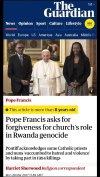
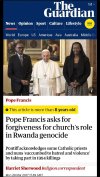
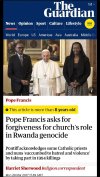
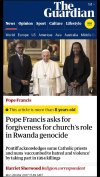
The Rwandan genocide of 1994 was one of the most tragic and brutal events in recent history. In just about 100 days, an estimated 800,000 to 1 million Tutsi and moderate Hutu were killed. Understanding its root causes and key participants helps ensure history does not repeat itself.
Root Causes of the Rwanda Genocide:
Ethnic Tensions Between Hutu and Tutsi:
Colonial Legacy: During Belgian colonial rule, Tutsis were favored for leadership roles due to perceived superiority, which deepened ethnic divisions.
After independence in 1962, power shifted to the Hutu majority, which began decades of ethnic discrimination against Tutsis.
Propaganda and Dehumanization:
Extremist media like Radio Télévision Libre des Mille Collines (RTLM) spread hate speech, calling Tutsis "cockroaches" and inciting violence.
Political Power Struggles:
The ruling Hutu-dominated government feared losing power to the Tutsi-led Rwandan Patriotic Front (RPF), especially as peace negotiations (Arusha Accords) were underway.
Assassination of President Habyarimana:
His plane was shot down on April 6, 1994. This event triggered the genocide, as Hutu extremists blamed the RPF and used it as a pretext for mass killings.
International Inaction:
The United Nations and major world powers failed to intervene effectively, despite clear warnings and signs of impending genocide.
Main Participants:
Perpetrators:
Interahamwe militia: Paramilitary youth wing of the ruling party, heavily involved in killings.
Government forces (FAR): Helped organize and carry out the massacres.
Local Hutu civilians: Many were coerced or manipulated into participating.
Politicians and Media Figures: Incited violence and organized the logistics of the genocide.
Victims:
Tutsi minority: Targeted for extermination.
Moderate Hutus: Killed for opposing the genocide or protecting Tutsis.
Rescuers:
Rwandan Patriotic Front (RPF): Led by Paul Kagame, eventually stopped the genocide and took over the government.
Some brave individuals: Both Hutu and Tutsi who hid or protected victims.
Lessons Learned:
Dangers of Ethnic Division and Hate Speech:
Ethnic identity, when politicized and manipulated, can fuel mass violence.
Failure of International Community:
The world must act decisively to prevent genocide. "Never Again" requires action, not just words.
Importance of Justice and Reconciliation:
Rwanda has pursued justice through the International Criminal Tribunal and Gacaca courts.
Reconciliation has been critical in healing the country.
Need for Early Warning Systems and Prevention:
Monitoring hate speech, human rights violations, and political instability is key to preventing future atrocities.
CCM na chawa zenu mjitafakari wapi mnsfanana na Nterahamwe